
At the end of a narrow road less than 200 meters from the River Spey sits Cragganmore Distillery. Though it's a member of the Classic Malts series and located in the busy, tourist-heavy Speyside region, only 8,000 visitors make the journey each year. The limited number of visitors is largely due to its secluded location. Turning off the busy A95 highway between Aberlour and Boat of Garten, one must navigate a small road with poor signage, making it easy to miss. Those who persevere are rewarded with an exceptional experience. Visitors who opt for the premium tour gain exclusive access to the magnificent Clubroom, where they can sample the whisky. Featuring a library, open fireplace, and Chesterfield furniture, the room evokes a splendid Victorian-era parlor. This space once served as the distillery office where founder John Smith operated the business in the 1870s. Cragganmore is equipped with a 6.8-ton stainless steel mash tun with a copper top and six Oregon pine washbacks. In 2019, the distillery operated five days per week, with all six washbacks fermenting simultaneously, alternating between short (60-hour) and long (90-hour) fermentation periods. The facility features two large wash stills with straight descending lyne arms and two relatively smaller spirit stills with extended, gradually curved lyne arms. Uniquely, these spirit stills have flat tops—a design already in use during founder John Smith's tenure. The stills are connected to external worm tub condensers for cooling the alcohol vapor. In 2019, the distillery's annual production reached 1.65 million liters. Cragganmore single malt is a crucial component of Old Parr blended whisky. Established in 1909, the Old Parr brand enjoys particular popularity in Japan and Latin America. Although sales saw modest growth before 2010, Old Parr's volume has long since declined from its peak, dropping to just 12 million bottles in 2018. The distillery's official core range includes a 12-year-old expression and a Distiller's Edition (commonly known as DE). In 2019, Diageo released a 12-year-old cask strength Cragganmore as part of its Special Releases series.
History
In 1863, the opening of the Strathspey Railway made it possible to establish a distillery in the heart of Speyside at Ballindalloch. Cragganmore's founder, John Smith, was recognized as one of the most experienced distillers of his time, having managed Macallan, Glenlivet, Glenfarclas, and Wishaw distilleries. He was also a passionate railway enthusiast and a driving force behind the Strathspey line. The site he chose for the distillery was within the Ballindalloch Estate, and the distillery was built with the support of Sir George Macpherson-Grant, whose family had owned Ballindalloch Castle since the 15th century (see "Ballindalloch"). The distillery opened in 1869. John died in 1886, and the distillery passed first to his brother, and then in 1893 to his brother's son, Gordon Smith, when he came of age. Gordon commissioned the renowned distillery architect Charles Doig to renovate the distillery in 1901. From Gordon's death in 1912 until the distillery was sold in 1923, Cragganmore was managed by his widow, Mary Jane. Macpherson-Grant and White Horse Distillers took joint ownership of the distillery. In 1927, the latter transferred 50% of its ownership to D.C.L. In 1965, S.M.D. purchased the remaining shares, while the previous year the distillery's capacity had been doubled to approximately four stills.
Curiosities
For reasons unknown, John Smith designed the stills' lye pipes with flat tops rather than the traditional swan necks. This may increase reflux, with vapor condensing on the flat tops, dripping down and re-evaporating. The use of worm tub condensers can counteract the light body this creates, producing a complex, medium-bodied Speyside-style whisky. John Smith was a burly man, weighing 308 pounds (140 kg). As he was too broad to fit into a railway carriage, he had to travel in the guard's van. Craigellachie is a highly charismatic distillery, compact and tidy. It is built around a courtyard, with a 'Club Room' (for entertaining guests) on one side, decorated in Edwardian style, containing John Smith's desk and chair (oversized) and other memorabilia.
Timeline
John Smith established the distillery
After the founder's death, his family continued to operate the distillery
John Smith's son, Gordon Smith, turned 21 and began overseeing distillery operations.
With the assistance of renowned architect Charles Doig, the distillery was renovated and equipment modernized.
Gordon Smith passed away; his wife Mary Jane continued to run the distillery.
The distillery closed for five years
The distillery reopened; Mary Jane installed electric lighting.
The distillery was taken over by White Horse Distillers
DCL acquired White Horse Distillers and held a 50% stake in Cragganmore
Number of stills increased to four
DCL purchased the remaining shares in Cragganmore.
United Distillers selected Cragganmore as one of its core single malts
Cragganmore Distillers Edition (double matured) was first released.
Visitor centre opened to the public
A 17-year-old expression (distilled 1988) was released.
Manager's Choice single cask 1997 vintage and limited edition 21-year-old released.
25-year-old expression released.
A no-age-statement expression from the Diageo Special Releases and a distillery-only bottling were released.
Official 12-year-old cask strength bottling released, part of Diageo Special Releases.
Hot Search Whiskies
Showing top 10
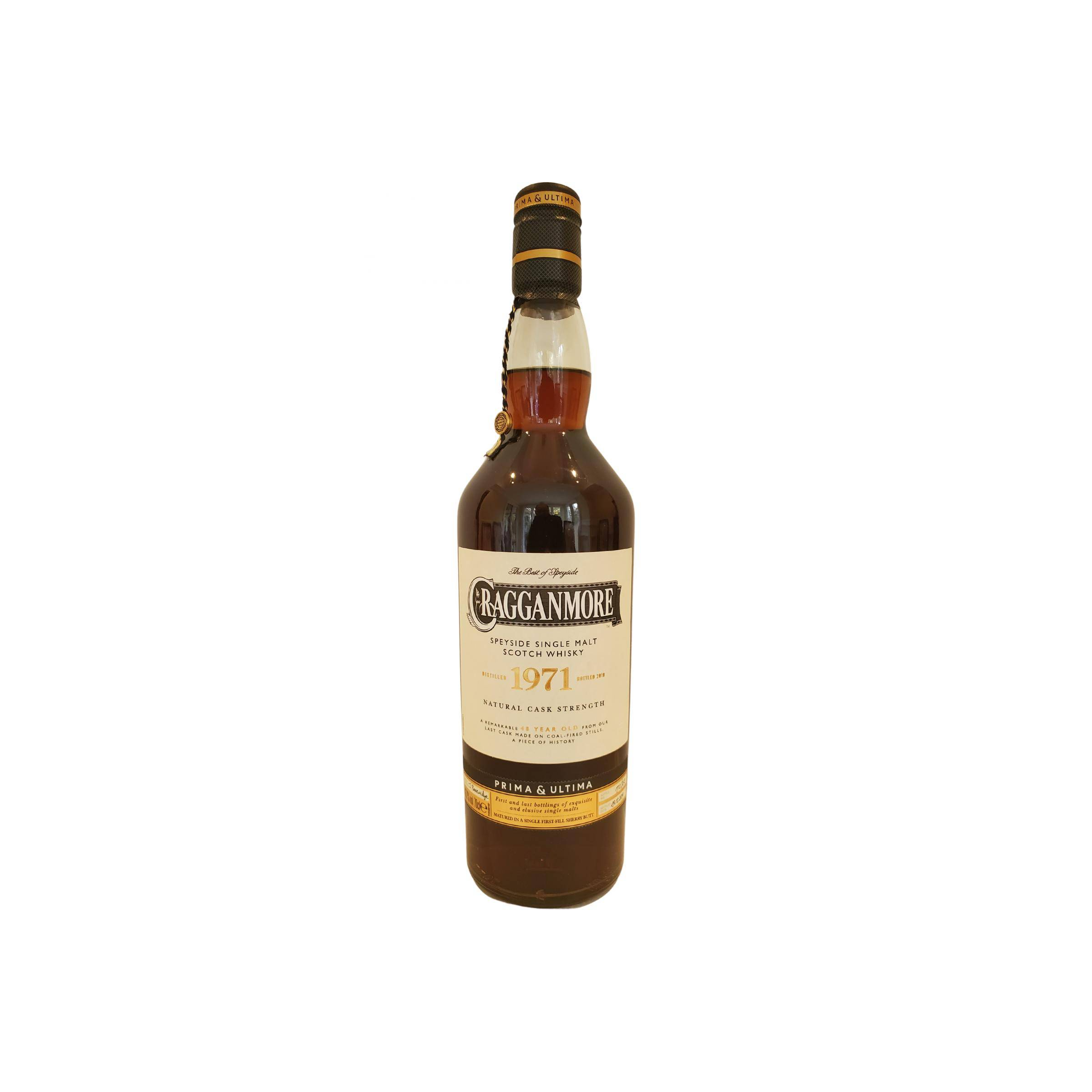
Cragganmore 1971 48 Years Single Malt Whisky
Cragganmore
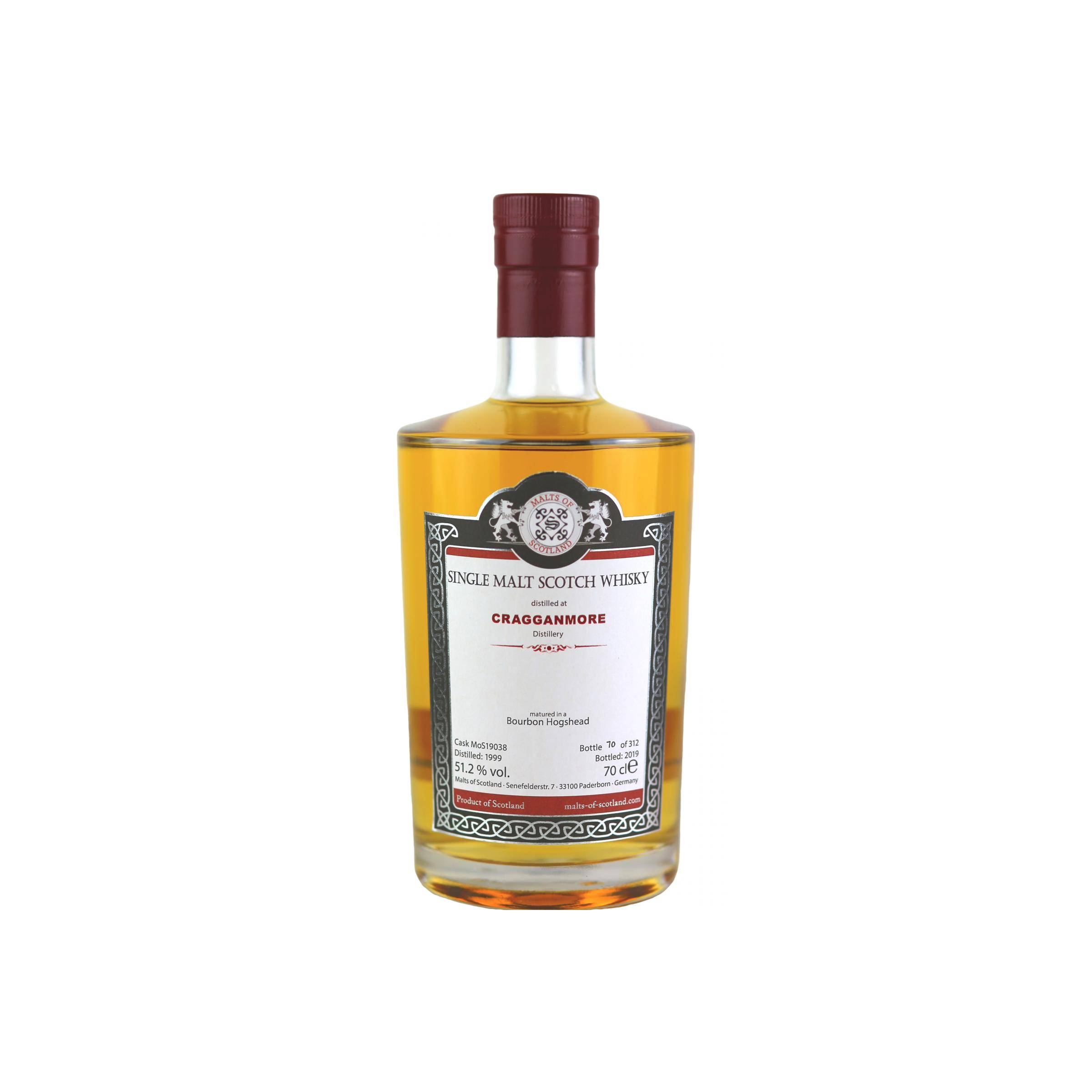
Cragganmore 1999 20 Years Single Malt Whisky
Cragganmore
Cragganmore 1971 48 Years Single Malt Whisky
Cragganmore
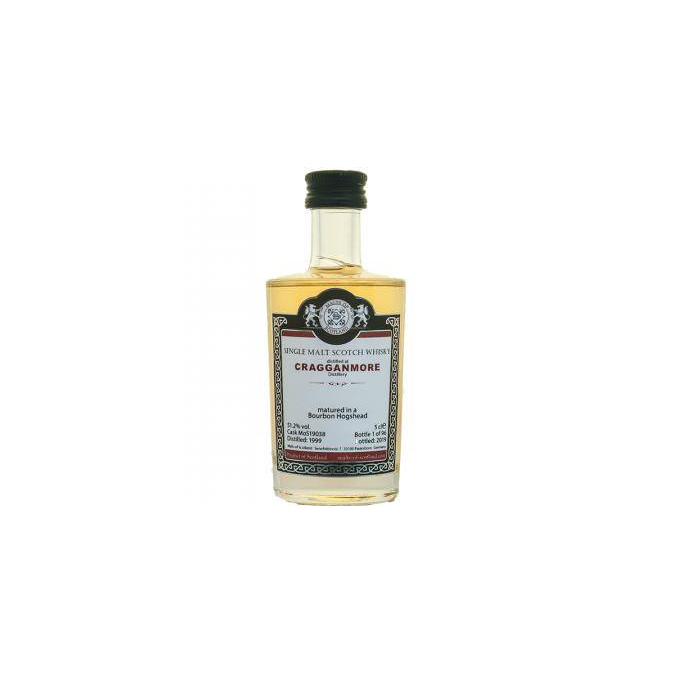
Cragganmore 1999 20 Years Single Malt Whisky
Cragganmore
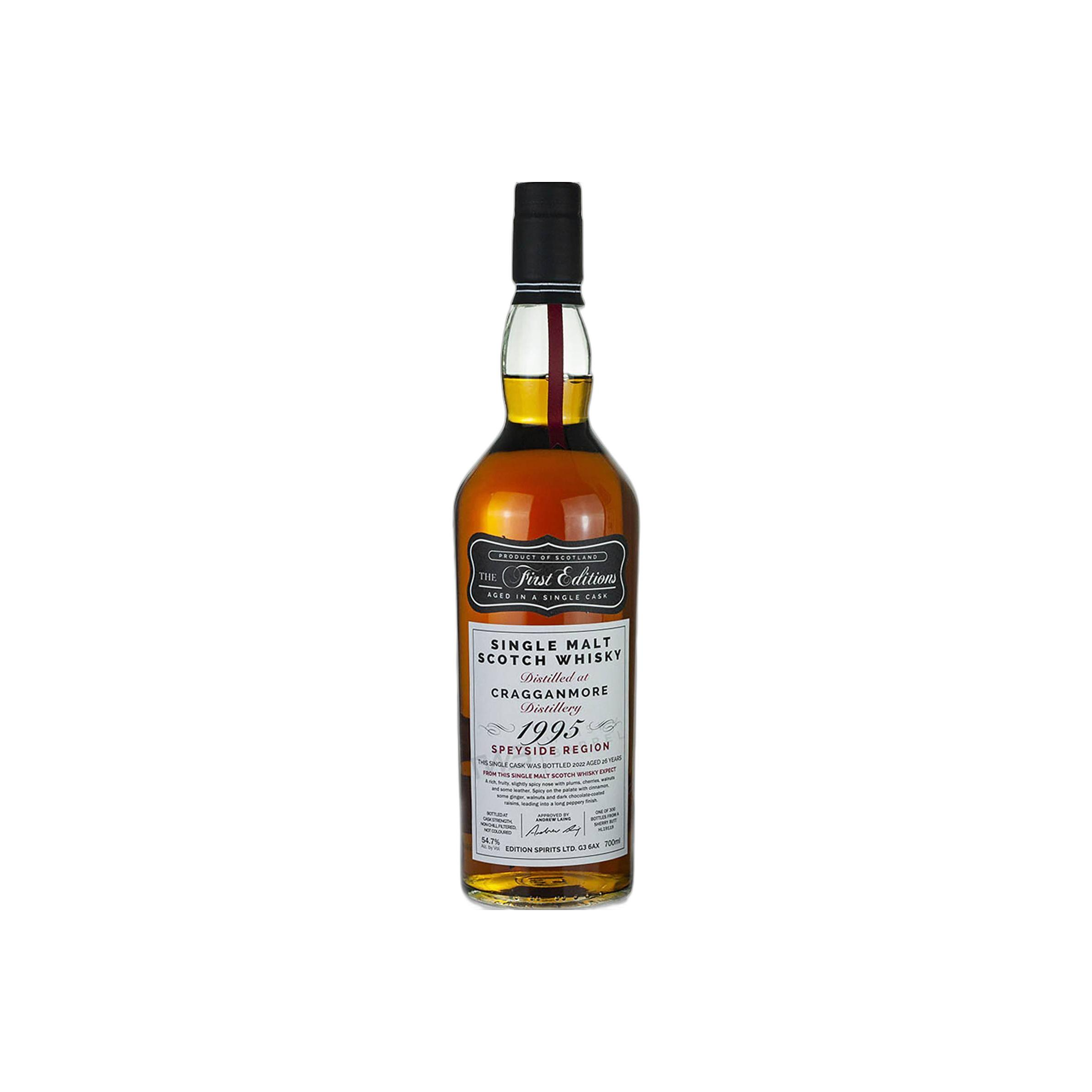
Cragganmore The First Editions 1995 26 Years Single Malt Whisky
Cragganmore
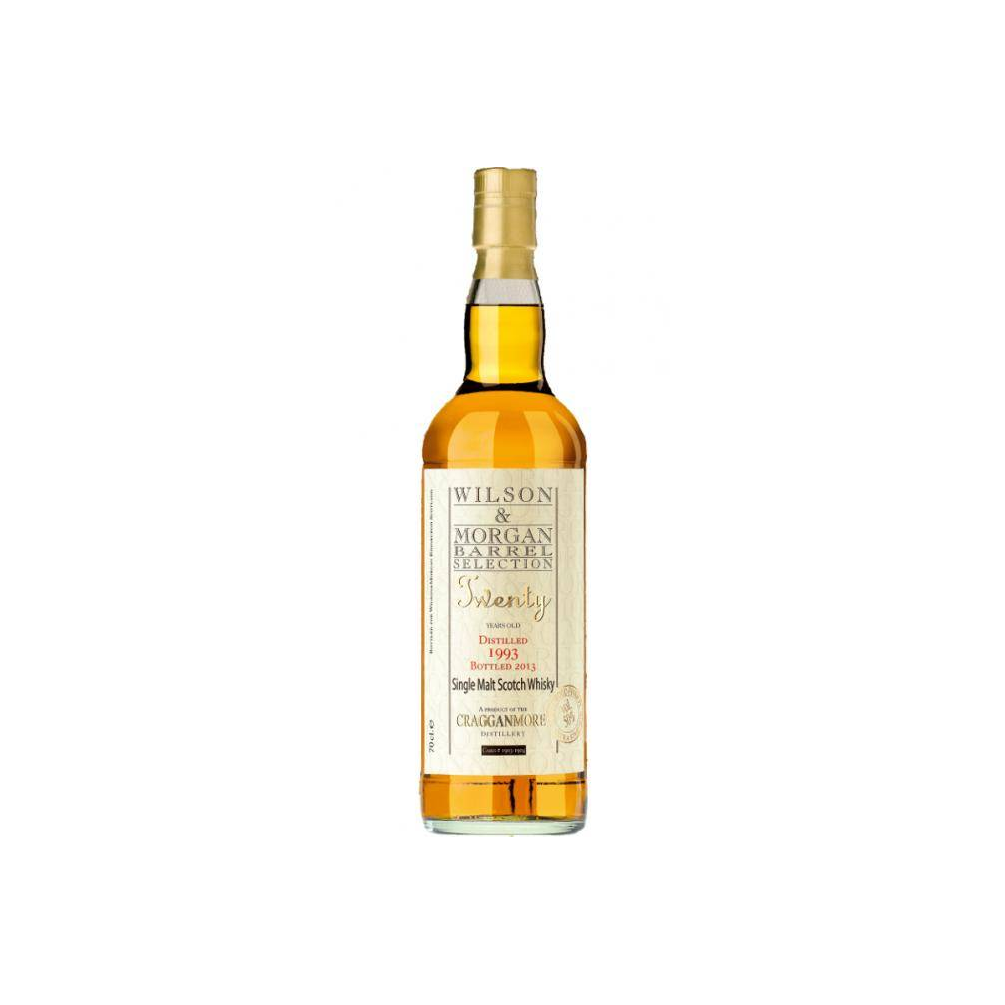
Cragganmore Barrel Selection 1993 20 Years Single Malt Whisky
Cragganmore
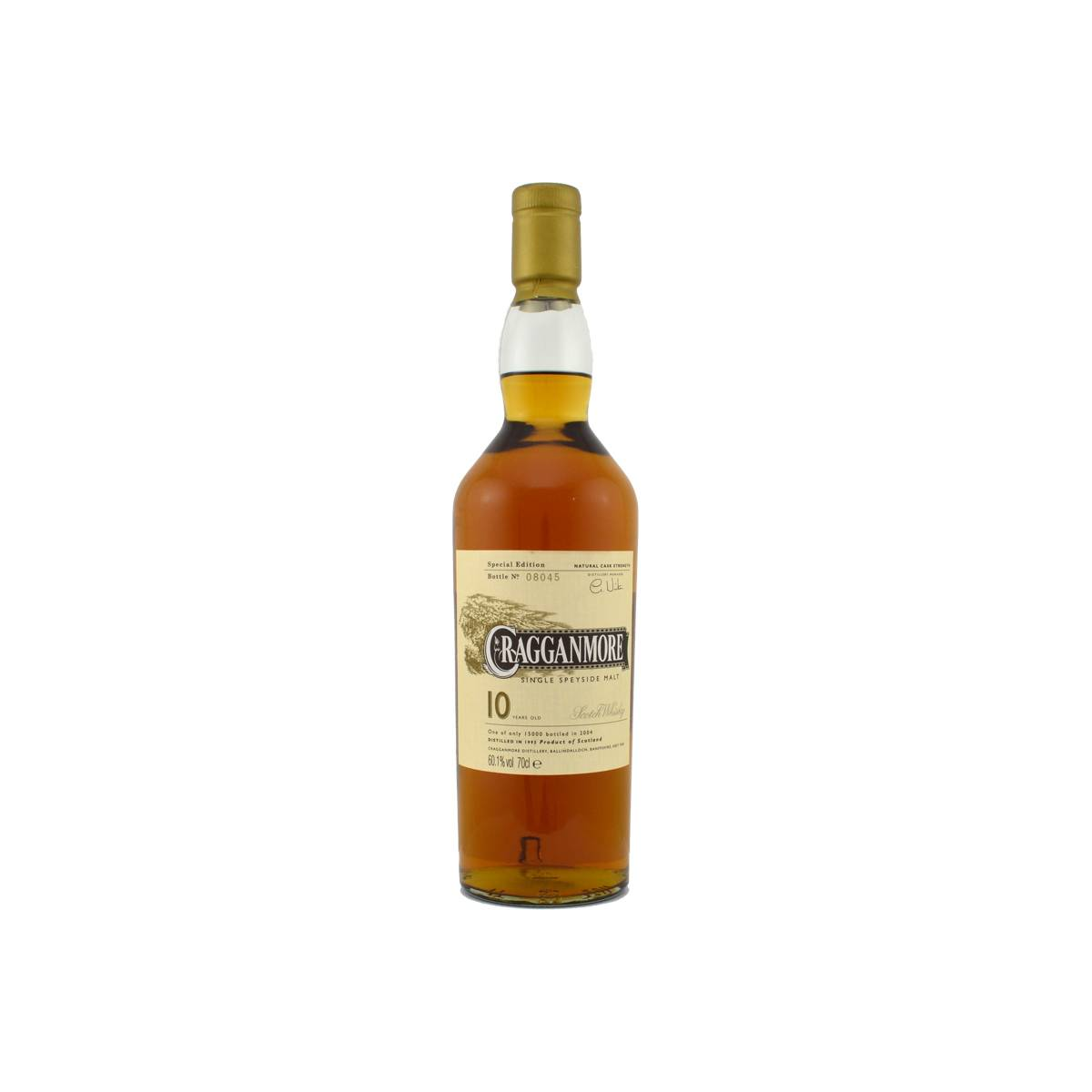
Cragganmore 1993 10 Years Single Malt Whisky
Cragganmore
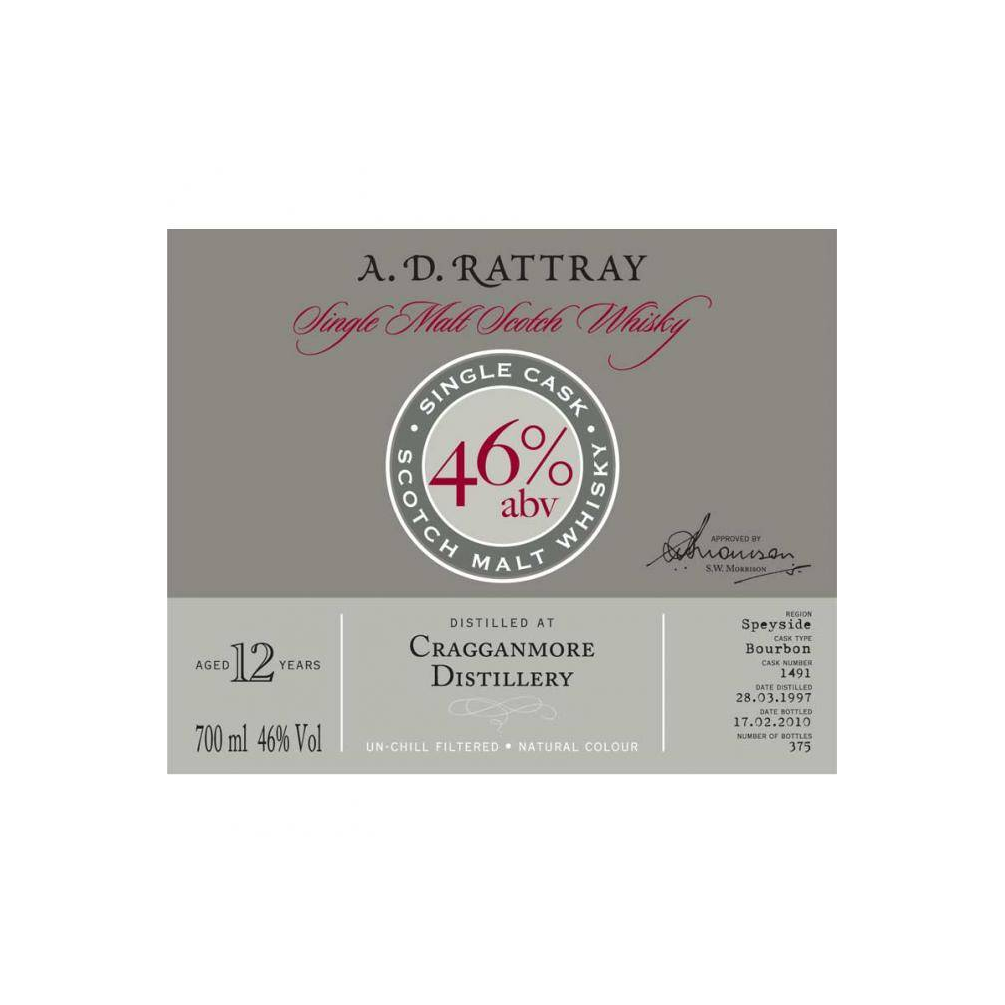
Cragganmore Single Cask 1997 12 Years Single Malt Whisky
Cragganmore
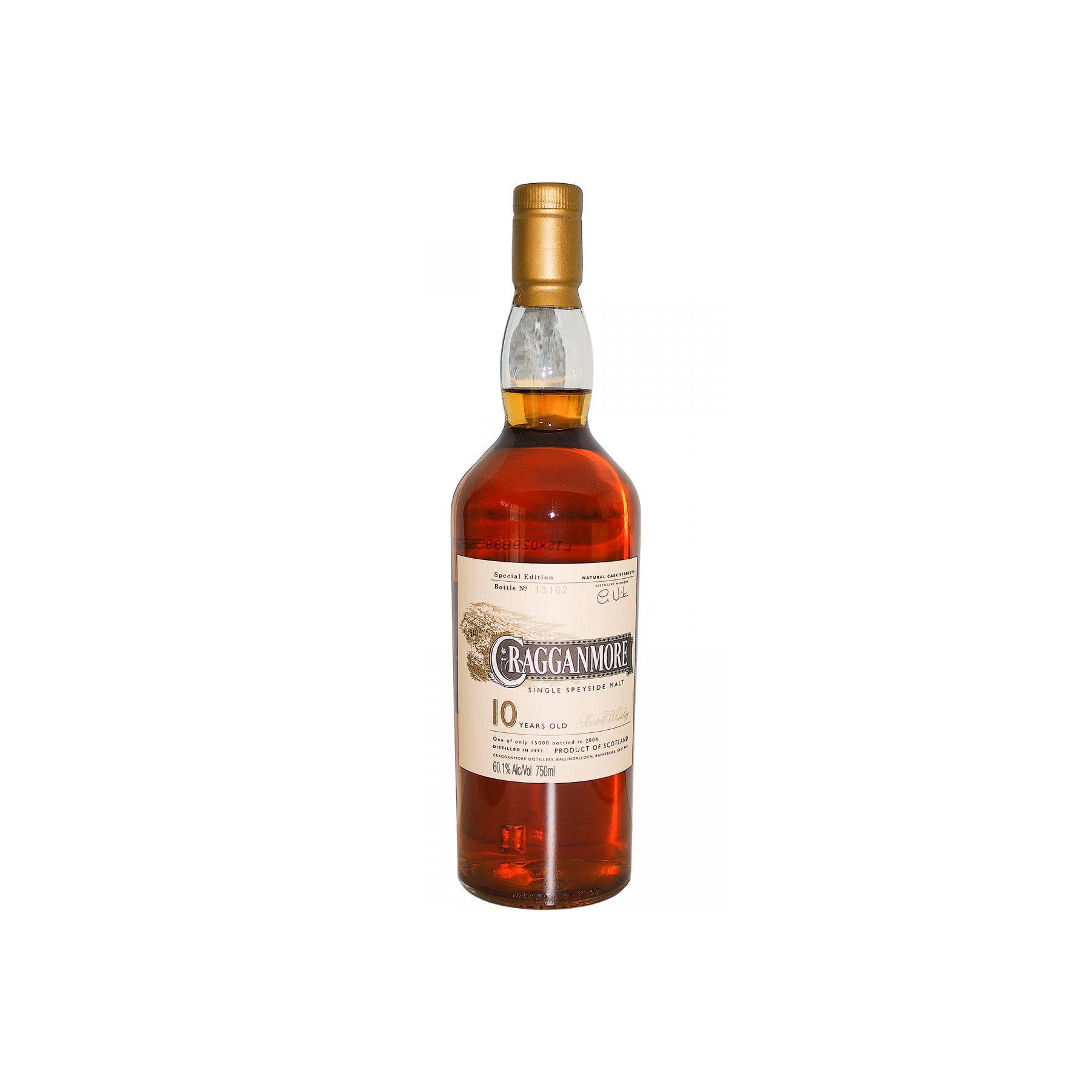
Cragganmore 1993 10 Years Single Malt Whisky
Cragganmore
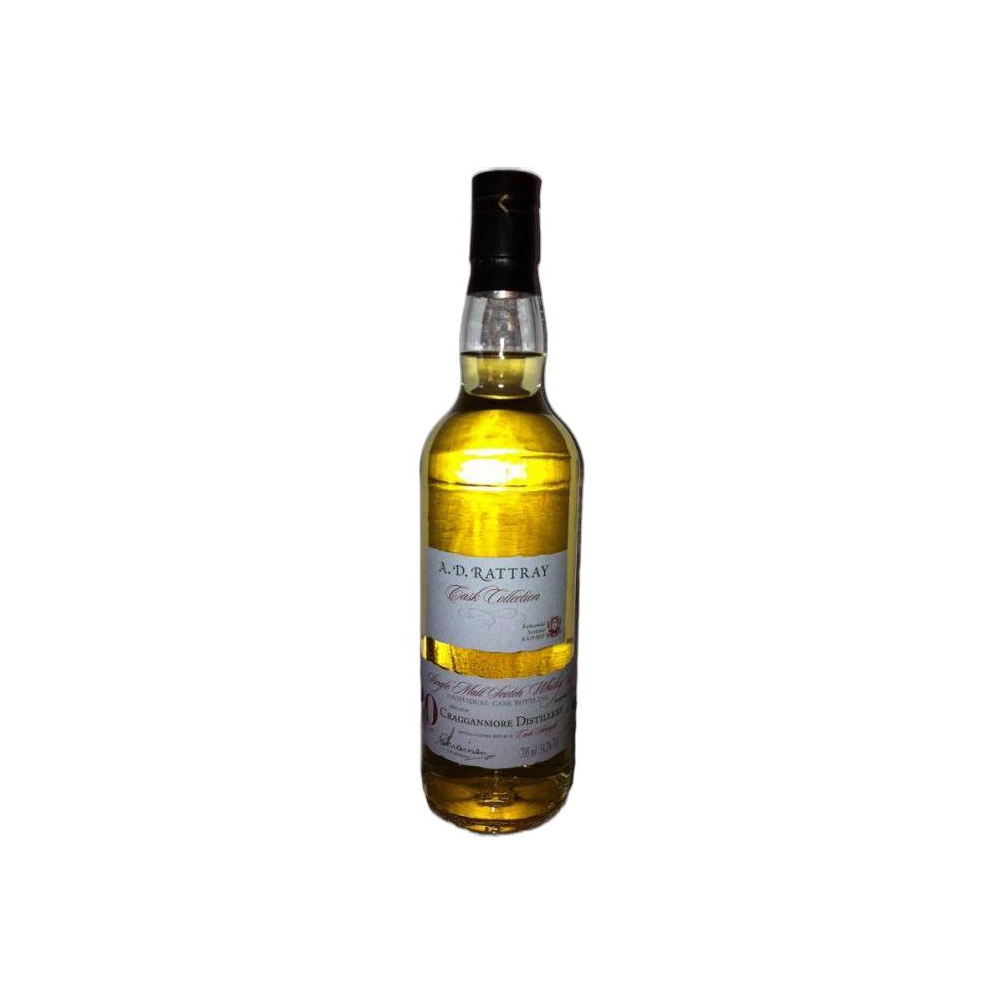
Cragganmore Individual Cask Bottling 1993 20 Years Single Malt Whisky
Cragganmore