
Strathisla Distillery, Scotland's most photographed whisky distillery, stands as an iconic Speyside landmark with its twin pagoda roofs and water wheel—quintessential signatures of Scotch heritage. Acquired by Chivas Brothers (Pernod Ricard) in 1950, it has become the spiritual home and principal malt foundation for Chivas Regal, the world's third-largest blended Scotch brand. A £2 million 2018 renovation modernized the visitor experience, introducing an experimental blending lab where guests craft personal blends. The production process remains traditional: a 5.12-ton copper-lidded mash tun feeds seven Oregon pine and three larch washbacks for 54-hour fermentations, while the compact stillhouse contains a lantern-shaped wash still with descending lyne arm and a spirit still with boiling ball and ascending lyne arm, creating a rich, fruity new make. Roughly 90% of spirit is tankered to Glen Keith for maturation, fueling Chivas Regal's 67% sales growth to 5.4 million cases in 2018. The core expression is Strathisla 12 Year Old, complemented by the Distillery Reserve Collection's 13-16 year cask-strength bottlings, available exclusively at Pernod Ricard distillery shops.
History
In 1786, the distillery was founded by the locally respected George Taylor (a flax producer, postmaster, and banker) in partnership with the Duke of Gordon, equipped with a 40-gallon still. Originally named Milltown, it was renamed Milton after 1825 (though its spirit was still called "Strathisla"). In 1830, the distillery passed to banker and grain merchant William Longmore, and in due course was transferred to his son-in-law J. Geddes Brown, who incorporated it as William Longmore & Company Ltd, with most shares held by locals. Notably, London gin manufacturer Sir Robert Burnett & Company bottled vast quantities of single malt whisky as "Longmore's Strathisla" in the 1880s (reported in the 1885 Moray and Nairn Express): "Wherever you go, you find connoisseurs speaking with enthusiastic and unqualified praise of the produce of the Milton distillery in Keith." Longmore & Company owned Milton until 1950, when James Barclay purchased the distillery for £71,000 and immediately sold it to Seagram Company. Thereafter, the distillery was renamed "Strathisla" after its flagship product. After Longmore & Company was edged out, Milton was controlled by a dubious London financier named Jay Pomeroy, who extracted large quantities of matured whisky and, according to a court judgment, "disposed of them in a manner that did not attract any duty"—meaning he sold the stock on the black market for huge profit, leaving the distillery chronically short of matured whisky for that period. Seagram immediately expanded production, installing two new steam-heated stills alongside the original coal-fired pair in 1965, and building large-scale warehouses nearby. Seagram's whisky interests were acquired by Pernod Ricard in 2001, with Strathisla now managed by its subsidiary Chivas Brothers.
Curiosities
According to the Banffshire Journal, in January 1876, Milton Distillery (now Strathisla) suffered a devastating fire: 'The cowshed contained 66 cattle, 30 of which perished in the flames; losses amounted to £700. Additionally, 500 quarters of barley, a threshing machine, and a steam engine were destroyed... total damages estimated at £3,800.' Three years later, the malt mill exploded when 'a small stone rubbed against the mill's cylinder, creating sparks that ignited the highly explosive, powdery dust.' A unique feature was the water wheel installed in 1881 for electricity generation, which remained in service until 1965 to drive the rummager in the wash still. Milton/Strathisla boasts Scotland's tallest pagoda roof (though it appears modest since the distillery itself is small), unusually designed not by Charles Doig (the famed inventor and distillery architect) but by fellow architect John Alcock. James Barclay (1886-1963) was one of post-war whisky's most colorful figures. He began his career at Banff Distillery in 1902, later worked for Peter Mackie of White Horse, and in 1919 purchased George Ballantine & Son with a partner. In 1922, he acquired J. & G. Stodart (blenders) and immediately arranged US distribution—despite Prohibition. In Canada, he befriended Harry Hatch of Hiram Walker, selling him Ballantine's in 1935. The following year, representing Hiram Walker, he purchased Miltonduff and Glenburgie distilleries, joining the board of Hiram Walker [Scotland] Ltd. Mysteriously, he resigned in 1937 to join rival Seagram's, paving their way into Scotch by facilitating their acquisitions of Chivas Brothers and Strathisla Distillery (then Milton).
Timeline
Alexander Mine and George Taylor establish the distillery, naming it Milltown; soon after renamed to Milton.
MacDonald Ingram & Co. purchases the distillery
William Longmore acquires the distillery
Distillery renamed Strathisla
William Longmore retires; his son-in-law John Gedds Brown inherits the distillery; William Longmore & Co. is established
Distillery renamed Milton
Jay Pomeroy acquires majority shares of William Longmore & Co.; Pomeroy is imprisoned for fraudulent business dealings
Distillery goes bankrupt
Chivas Brothers acquires the operational distillery at a compulsory auction for £71,000 and begins reconstruction
Renamed Strathisla
Number of stills increased from two to four
Produces heavily peated whisky Craigduff; shortly after, production ceases
Pernod Ricard Group acquires Chivas Brothers
Launches Strathisla 12 Year Old under the Chivas Distillery Collection series
Hot Search Whiskies
Showing top 10
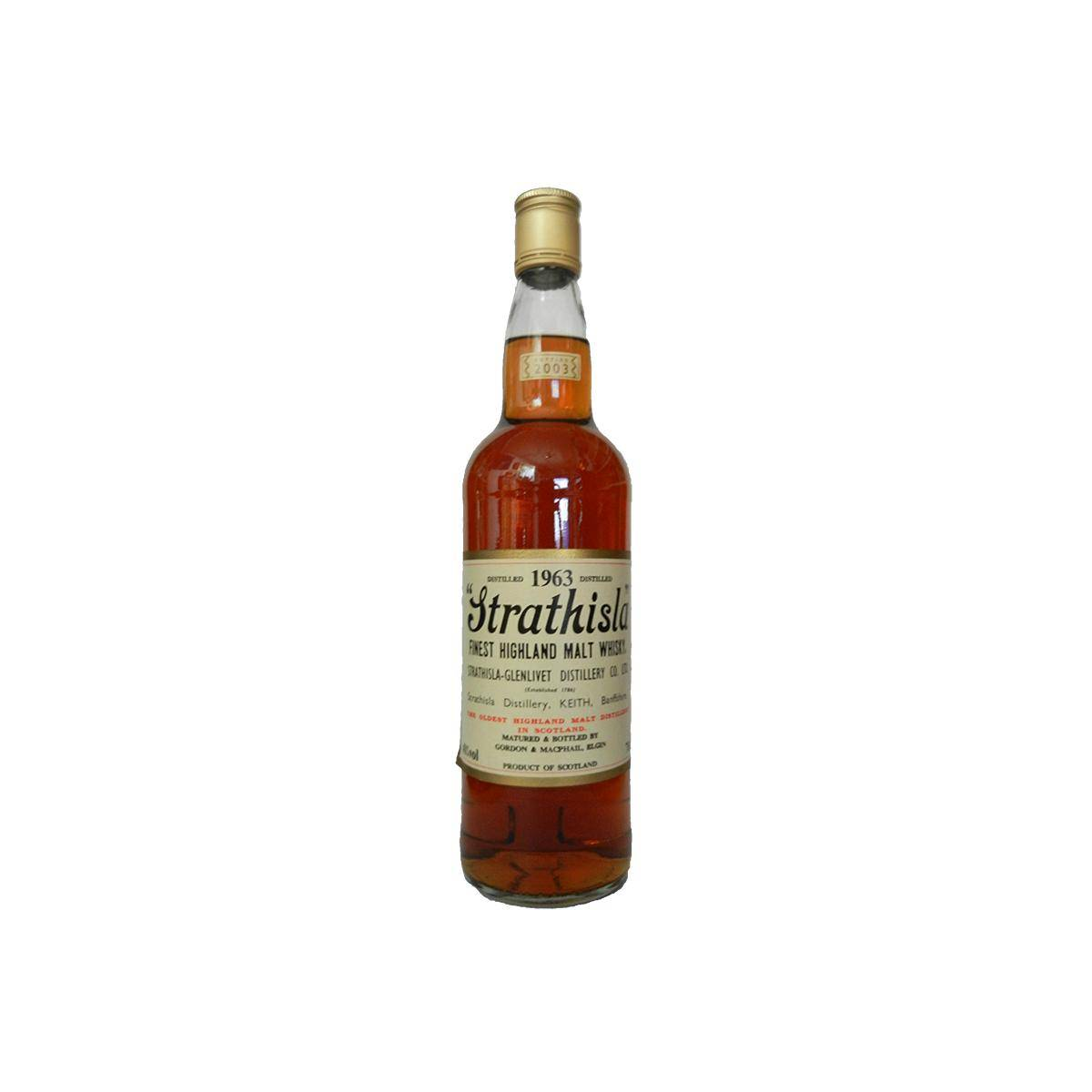
Strathisla Licensed Bottling 1963 40 Years Single Malt Whisky
Strathisla
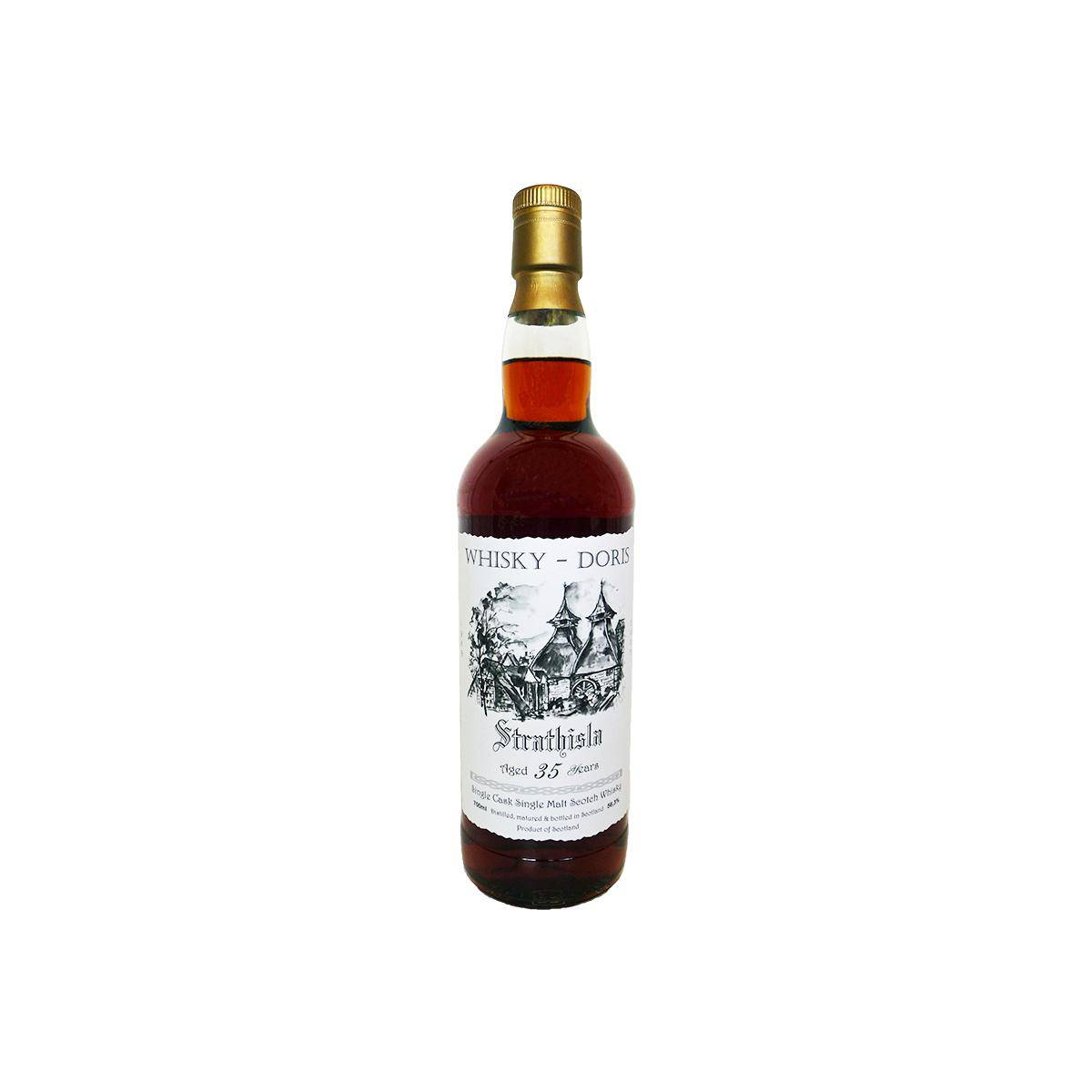
Strathisla 1969 35 Years Single Malt Whisky
Strathisla
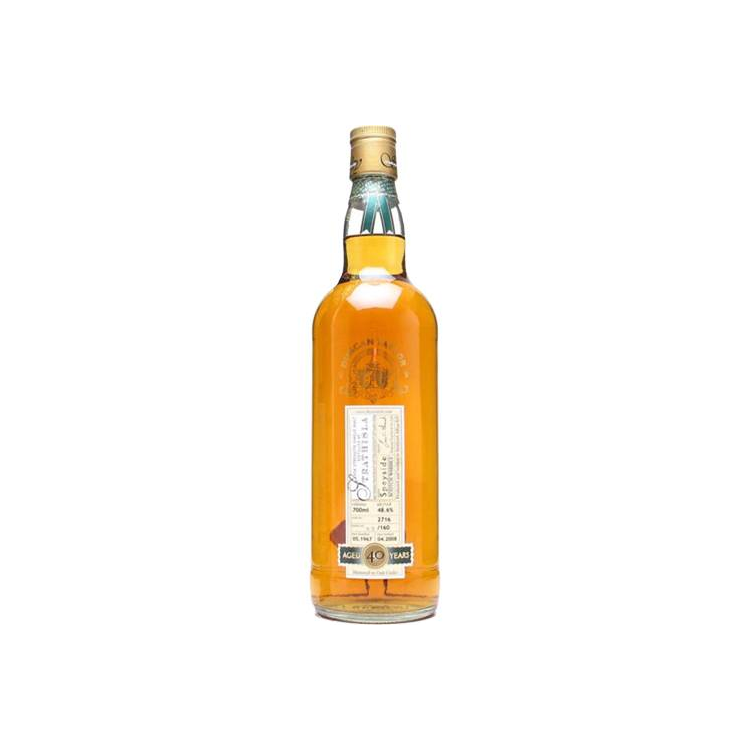
Strathisla Rare Auld 1967 40 Years Single Malt Whisky
Strathisla
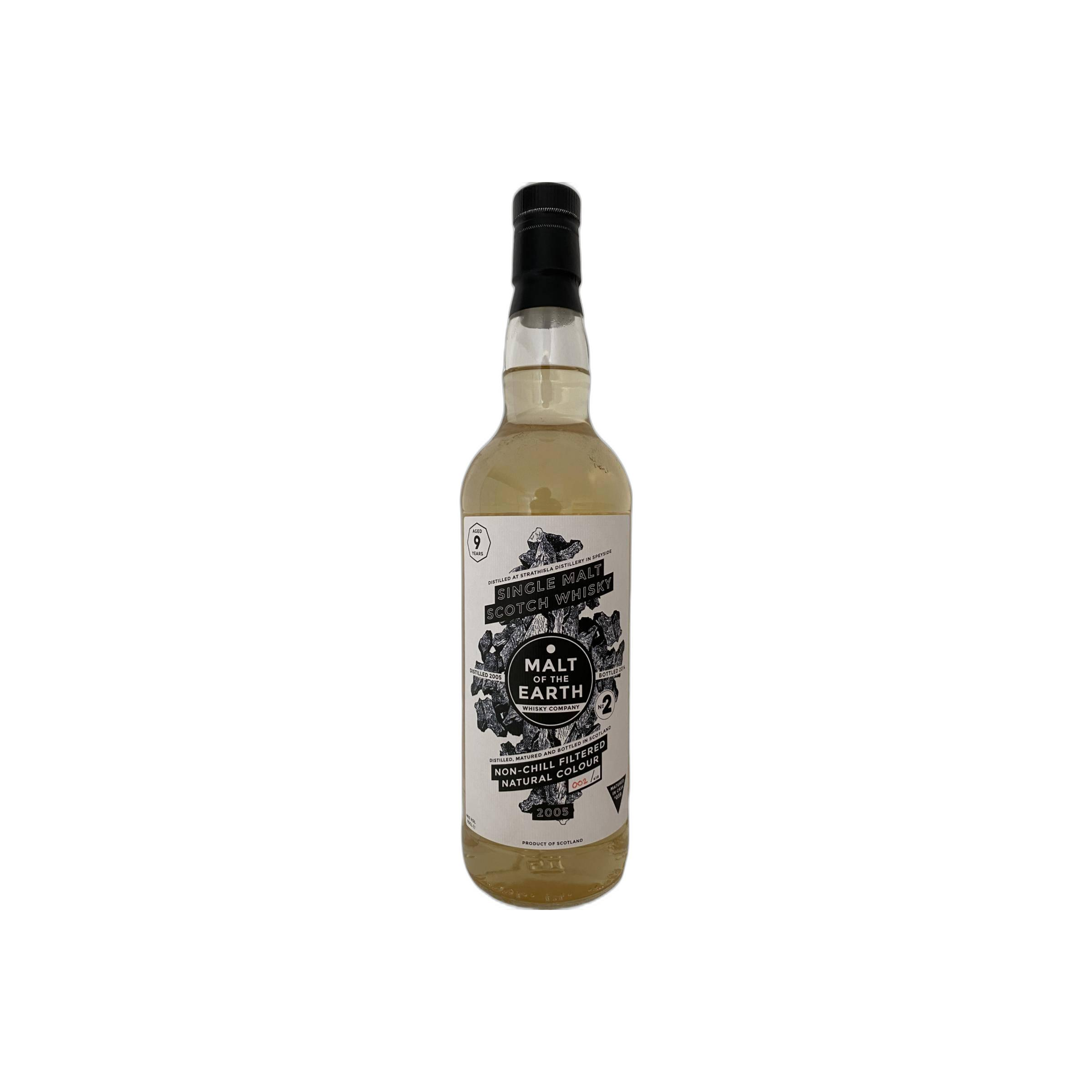
Strathisla 2005 9 Years Single Malt Whisky
Strathisla
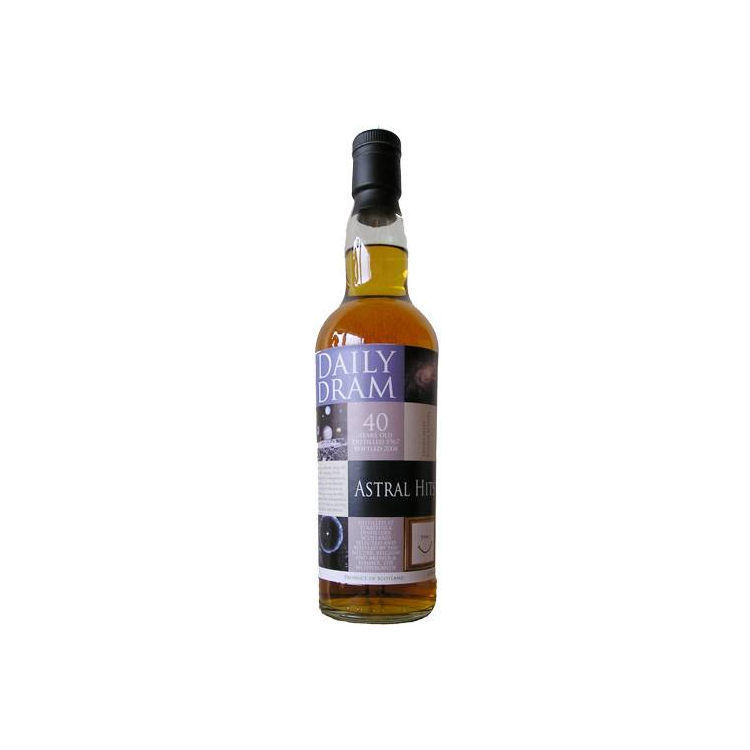
Strathisla 1967 40 Years Single Malt Whisky
Strathisla
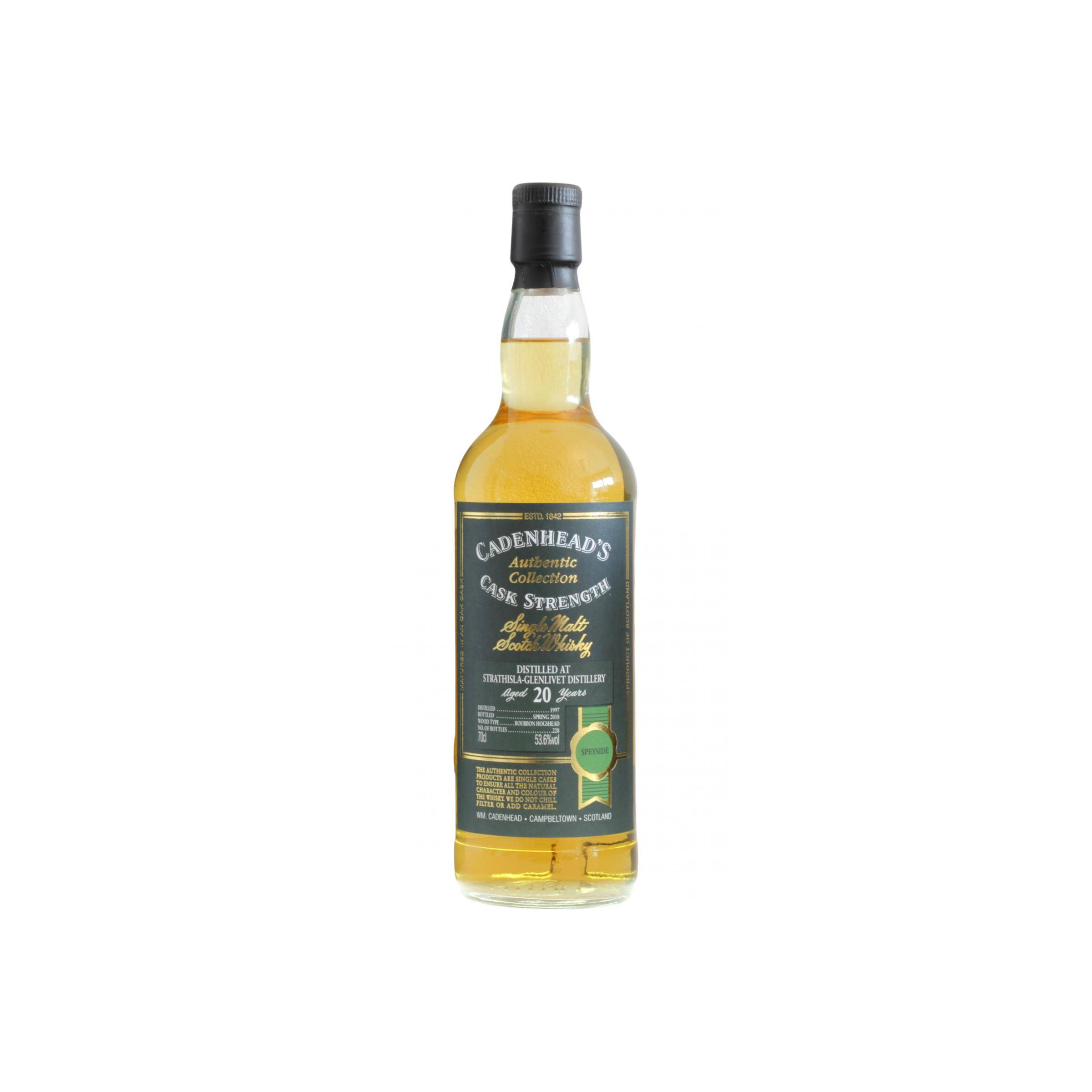
Strathisla Authentic Collection 1997 20 Years Single Malt Whisky
Strathisla
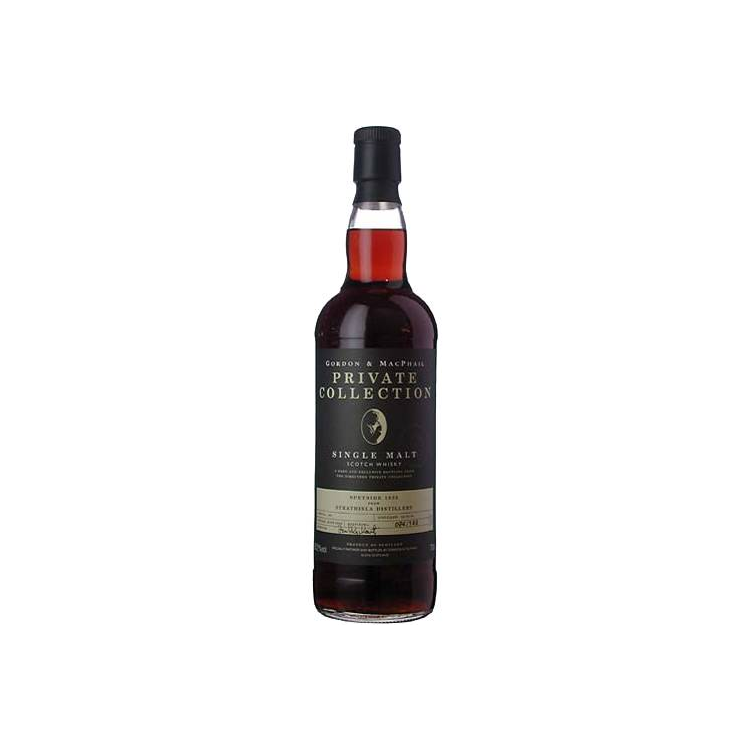
Strathisla 1955 48 Years Single Malt Whisky
Strathisla
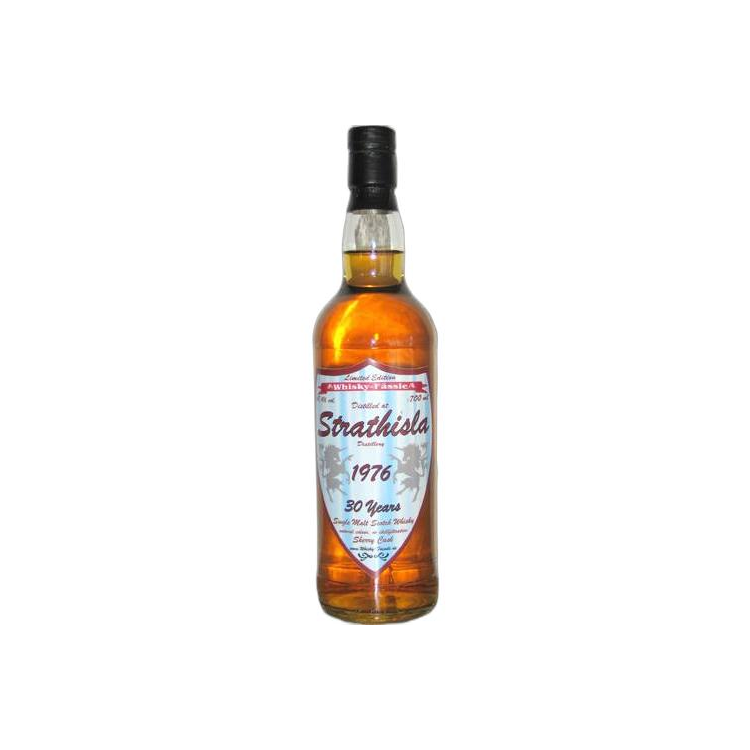
Strathisla 1976 30 Years Single Malt Whisky
Strathisla
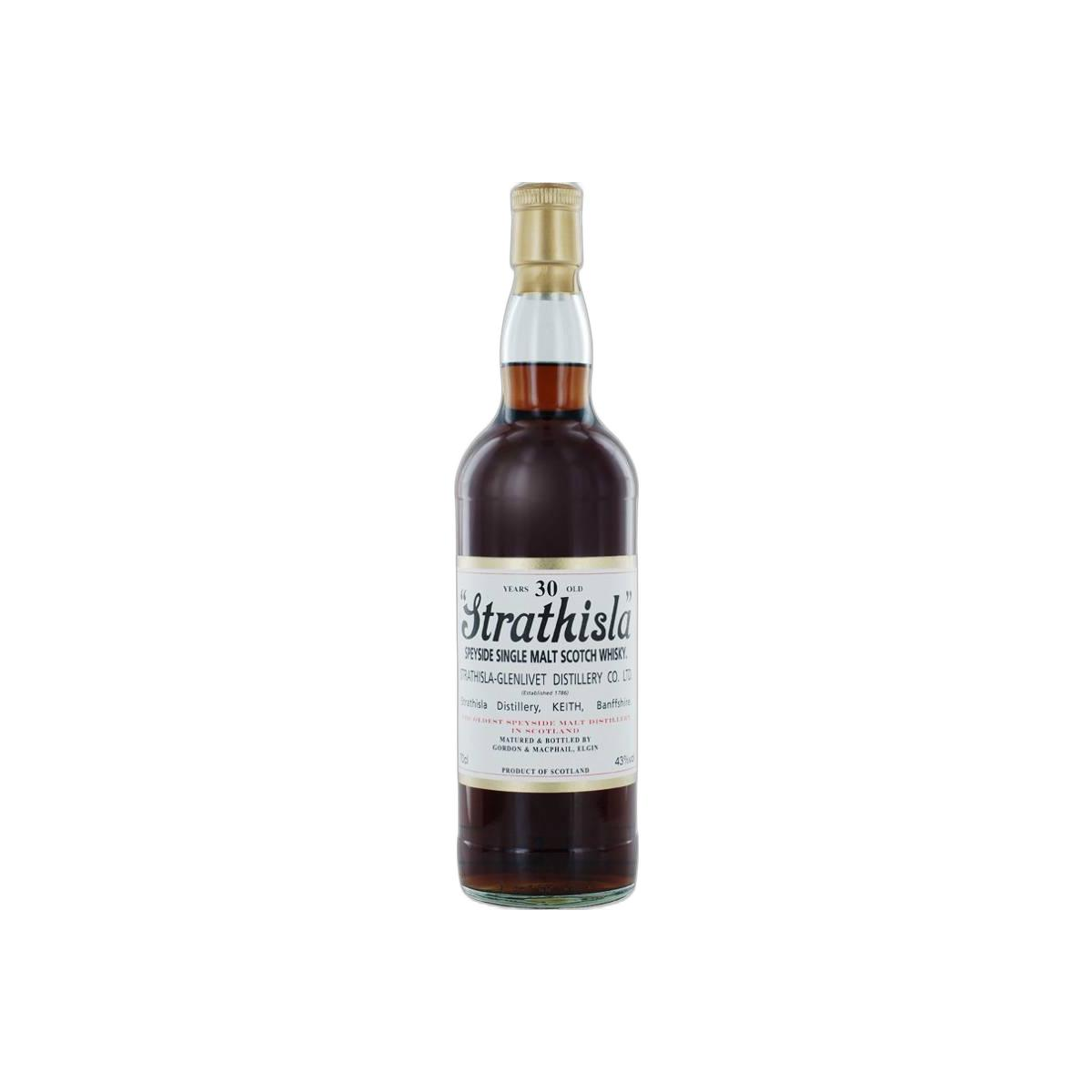
Strathisla Licensed Bottling 30 Years Single Malt Whisky
Strathisla
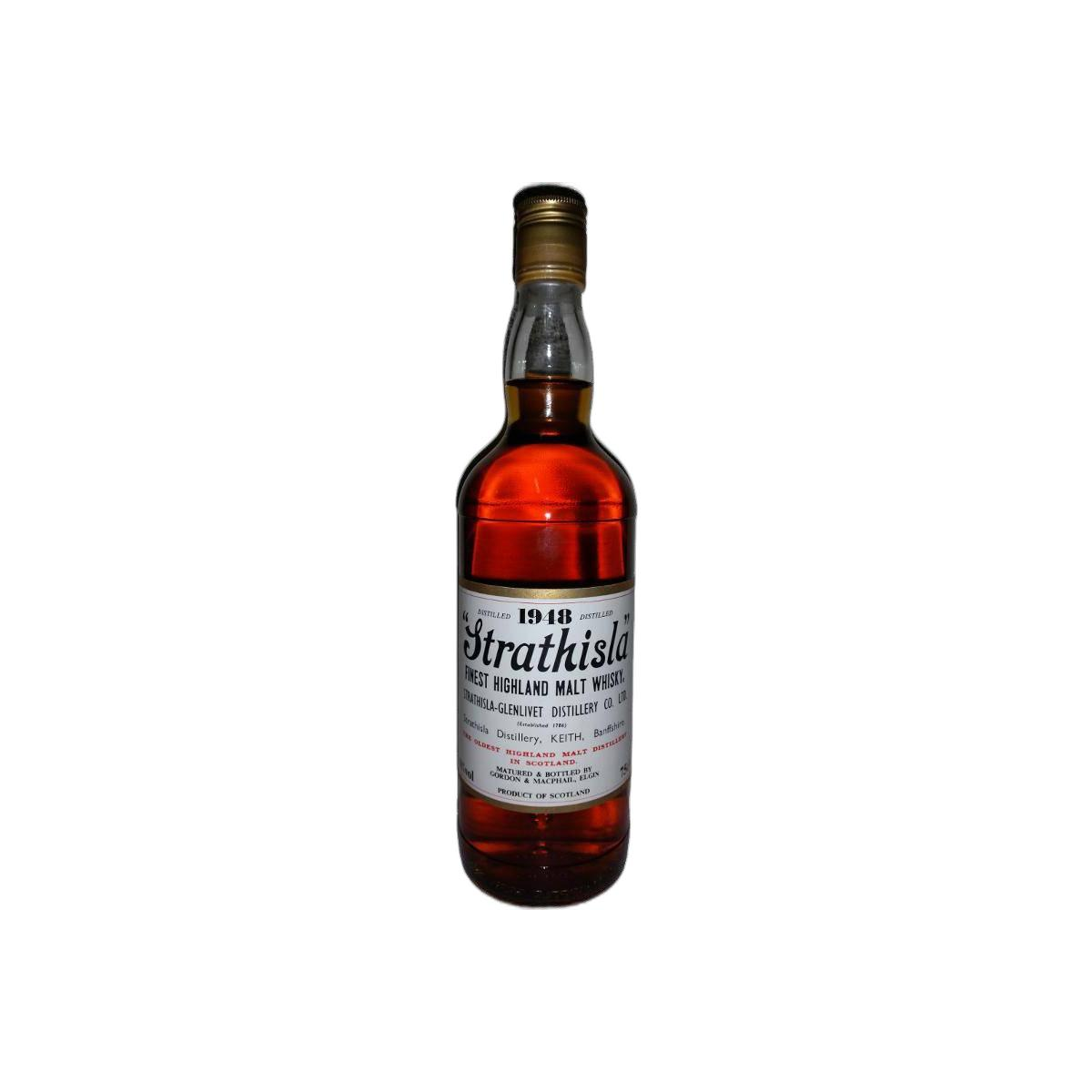
Strathisla Licensed Bottling 1948 Single Malt Whisky
Strathisla