

Cameronbridge
Cameron Bridge stands as one of Scotland's most historically significant and largest grain whisky distilleries. Located in Windygates, Fife, its origins trace to the 17th-century Haig family dynasty—Robert Haig allegedly operated one of Scotland's earliest documented distilleries, famously reprimanded in 1655 for Sabbath distilling. In 1824, John Haig established Cameron Bridge, which became the cradle of continuous column still technology through cousin Robert Stein's innovations. Today, as Diageo's primary grain whisky production hub, it yields over 30 million liters annually from multiple column stills, supplying spirit for iconic blends like Johnnie Walker and J&B. Single grain expressions such as Cameron Brig and the modern Haig Club showcase its light, vanilla-forward character. Following the 1877 merger that created Distillers Company Ltd and 1919 acquisition, the distillery underwent a £9 million refurbishment in the 1990s, reopening in 2000 as a state-of-the-art facility. Using wheat-dominant mash bills and pristine Fife spring water, Cameron Bridge represents the perfect marriage of historic legacy and modern efficiency in Scotch whisky production.
History
Cameron Bridge is the oldest and largest grain whisky distillery. It was also the first distillery in Scotland to produce grain whisky in a column continuous still. Before this, many Lowland distilleries brewed grain spirits in pot stills. It was founded by John Haig in 1824. According to family legend, in 1822 at age 20, he rode with an "old servant" through Cameron Mills, located on the banks of the River Leven near Windygates in Fife. For two centuries, this mill enjoyed a "privilege" (local tenants had to grind their corn here). John turned to the old servant and said: "You know, Sandy, this is where we will pan for gold from whisky." He leased the land from his friend and landlord Captain Williams, with the lease signed in his father's name as John was still a minor. Cameron Bridge Distillery obtained its distillation license in October 1824. Less than a year after his cousin Robert Stein invented the Stein still, he installed the first one, paying a patent fee of one penny per gallon to produce "malt water." Two years later, he switched to the more efficient Coffey still. This led to overproduction of grain whisky, and by the mid-1830s, Haig was trying to get eastern Lowland distilleries to focus on price control. This resulted in the formation of the Scotch Distillers Association in 1865, a trade agreement among eight grain distilleries that divided markets by production capacity and set sales prices and conditions. This was the forerunner of the D.C.L. (Distillers Company Limited), established in April 1877 as a union of grain whisky distillers. The members were: Port Dundas, Carsebridge, Cameron Bridge, Glenochil, Cambus, and Kirkliston. Together they controlled 75% of grain whisky production. The association's nominal capital was £2 million, with the aim of "securing the advantages of shared experience and reduced expenses, increased profits (which can only be achieved through large-scale production and trade)." John's son, Hugo Veitch Haig, took over Cameron Bridge after his father's death in 1878. Cameron Bridge was expanded in 1903 when the nearby Drumcaldie malt distillery was acquired and merged by D.C.L. Until the 1920s, the distillery had three types of stills: Coffey, Stein, and pot stills; the latter two were removed in 1930. In 1989, the distillation of Gordon's, Booth's, and Tanqueray London Dry Gins was transferred from Wandsworth to Cameron Bridge. Today, approximately 70% of English gin is produced in Scotland, mainly at Cameron Bridge. Diageo has spent £70 million expanding the distillery since 2010, including a new mash house, new washbacks, three new mash tuns, and a £69 million wastewater treatment plant that will provide methane energy for the distillery.
Curiosities
Cameron Bridge distillery holds a remarkable Haig family legacy. John Haig, born at Cameron House in 1802, ran the distillery from 1813-1817 with his brother Robert. Their father William Haig founded Seggie distillery (1810), held the Kincaple license (post-1795), and served 12 years as mayor of St Andrews. John, a St Andrews mathematics prizewinner, apprenticed at Seggie. The Haig brothers dominated distilling: James at Canonmills and Lochrin, becoming an industry spokesman; John at Bonnington; George with Inverkeithing interests; Robert founded Dodderbank then took over Seggie; Andrew controlled Kilbagie. In the 1880s, Alfred Barnard discovered 'two splendid Coffey continuous stills with gleaming copper pipes, two Stein continuous spirit stills, and an old pot still,' producing 'unbeatable' grain whisky, pot still Irish whiskey, continuous malt, and flavored malt. Cameron Brig Pure Single Grain was the world's most widely available single grain Scotch until July 2014, when it was succeeded by Haig Club Single Grain (40% ABV, NAS), a bourbon and European oak blend designed as a 'recruitment whisky' and endorsed by David Beckham!
Timeline
John Haig founded the brand
The distillery began using Stein stills, employing them for nearly a hundred years
Established DCL together with 8 other distilleries
Became Diageo's only wholly-owned grain whiskey distillery
Hot Search Whiskies
Showing top 10
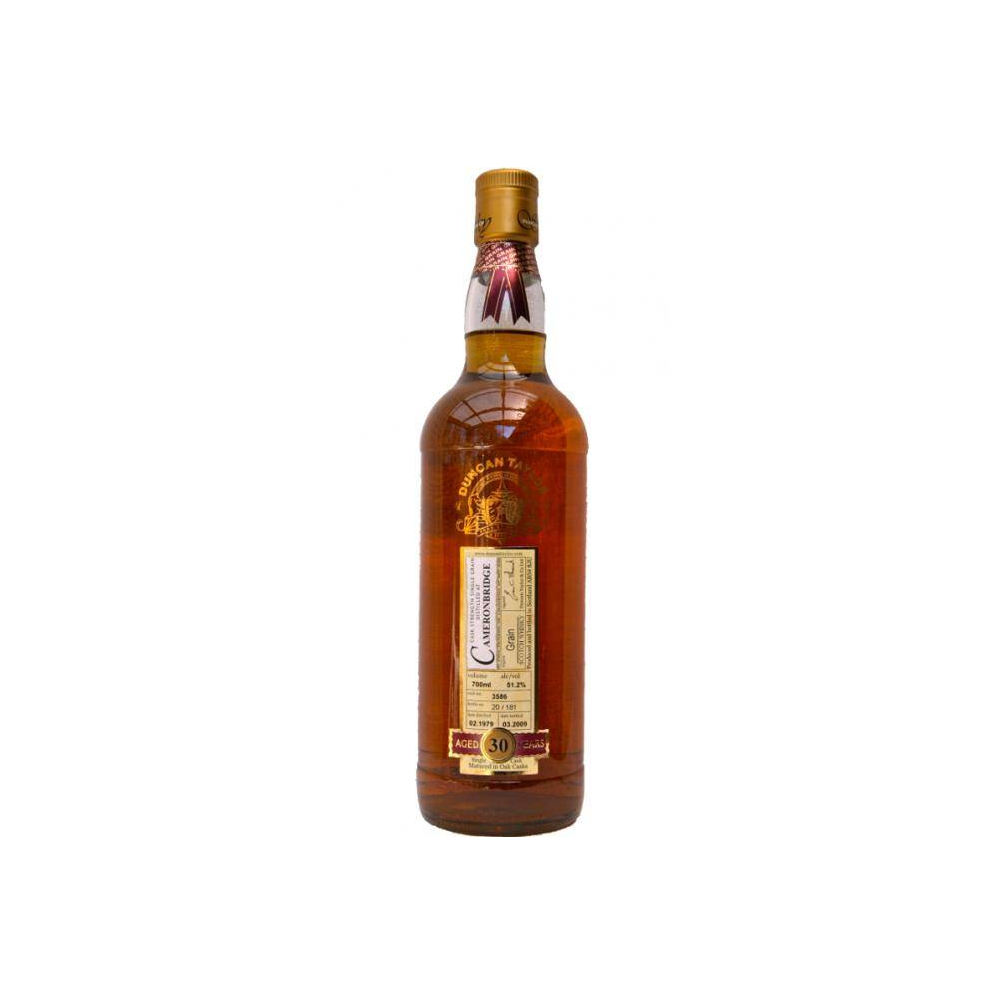
Cameronbridge Rare Auld 1979 30 Years Single Grain Whisky
Cameronbridge
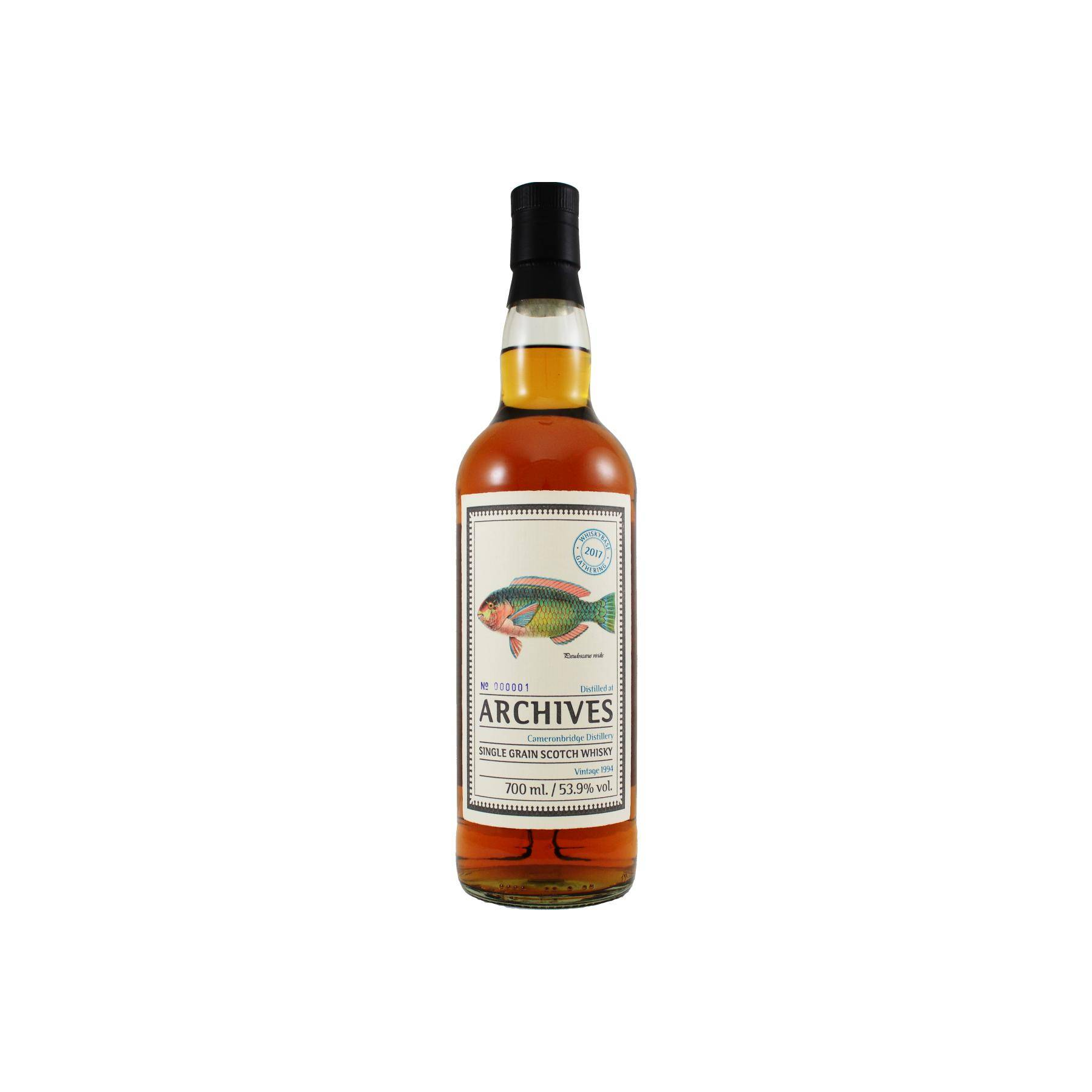
Cameronbridge 1994 23 Years Single Grain Whisky
Cameronbridge
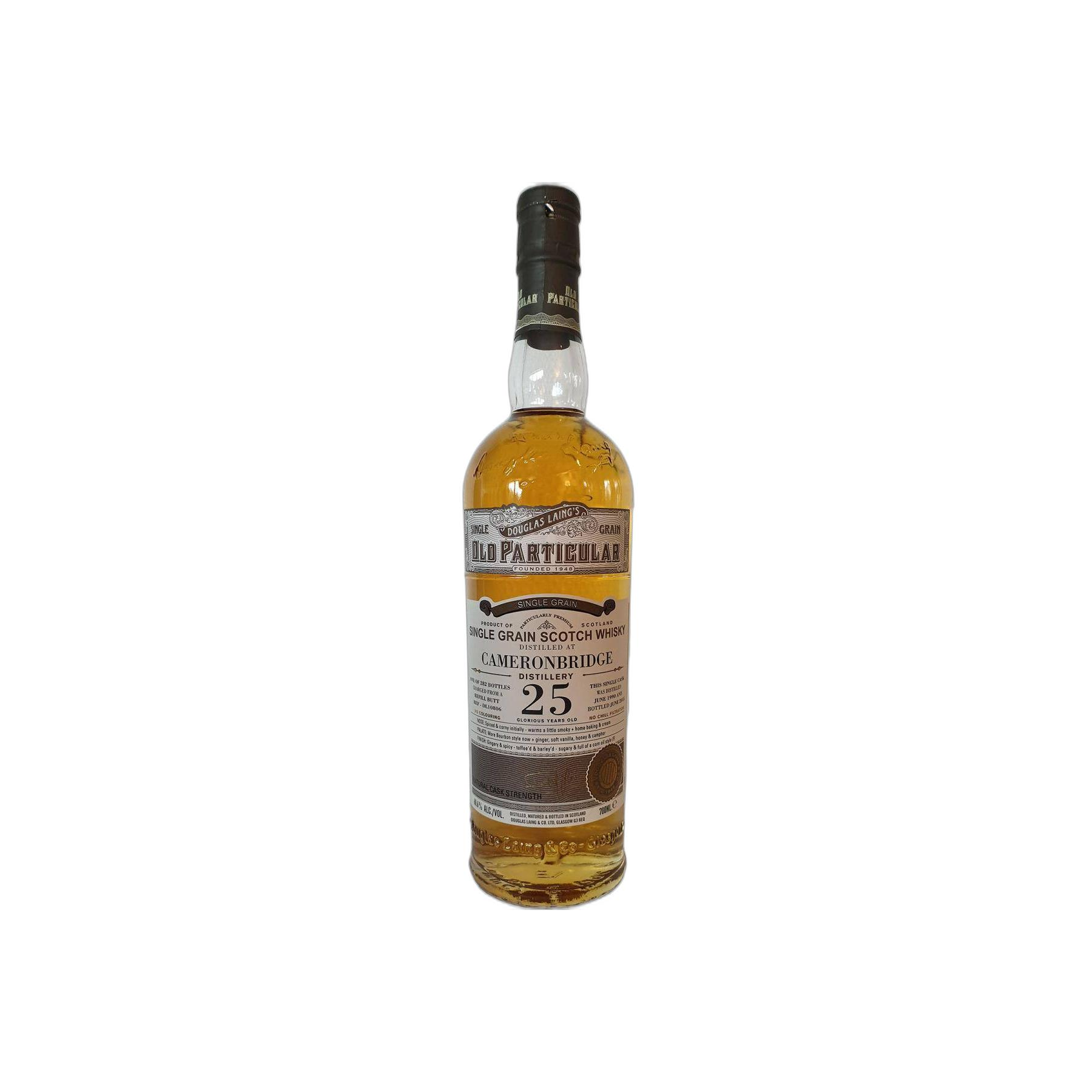
Cameronbridge Old Particular 1990 25 Years Single Grain Whisky
Cameronbridge
Cameronbridge Limited Edition 1978 30 Years Single Grain Whisky
Cameronbridge
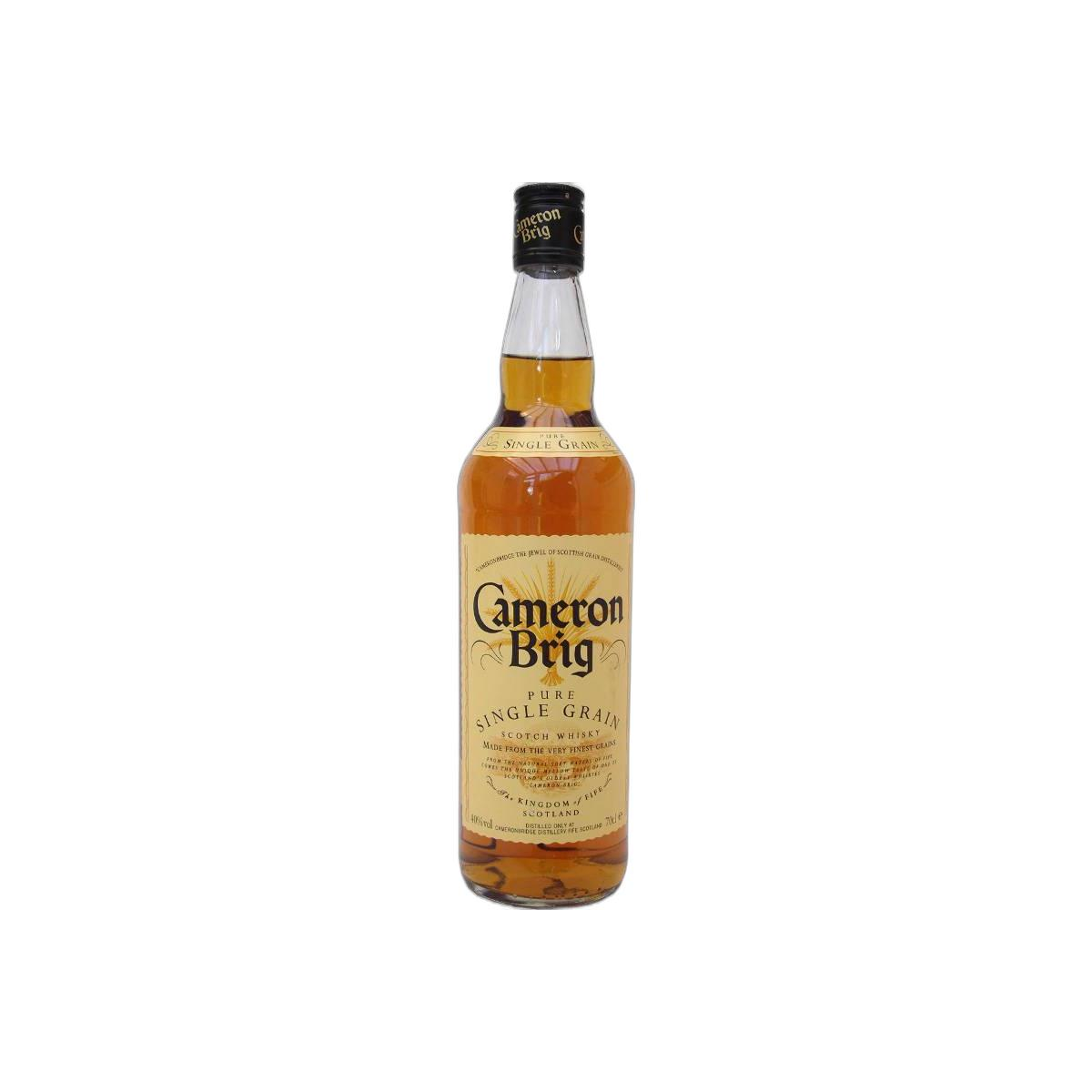
Cameronbridge Single Grain Whisky
Cameronbridge
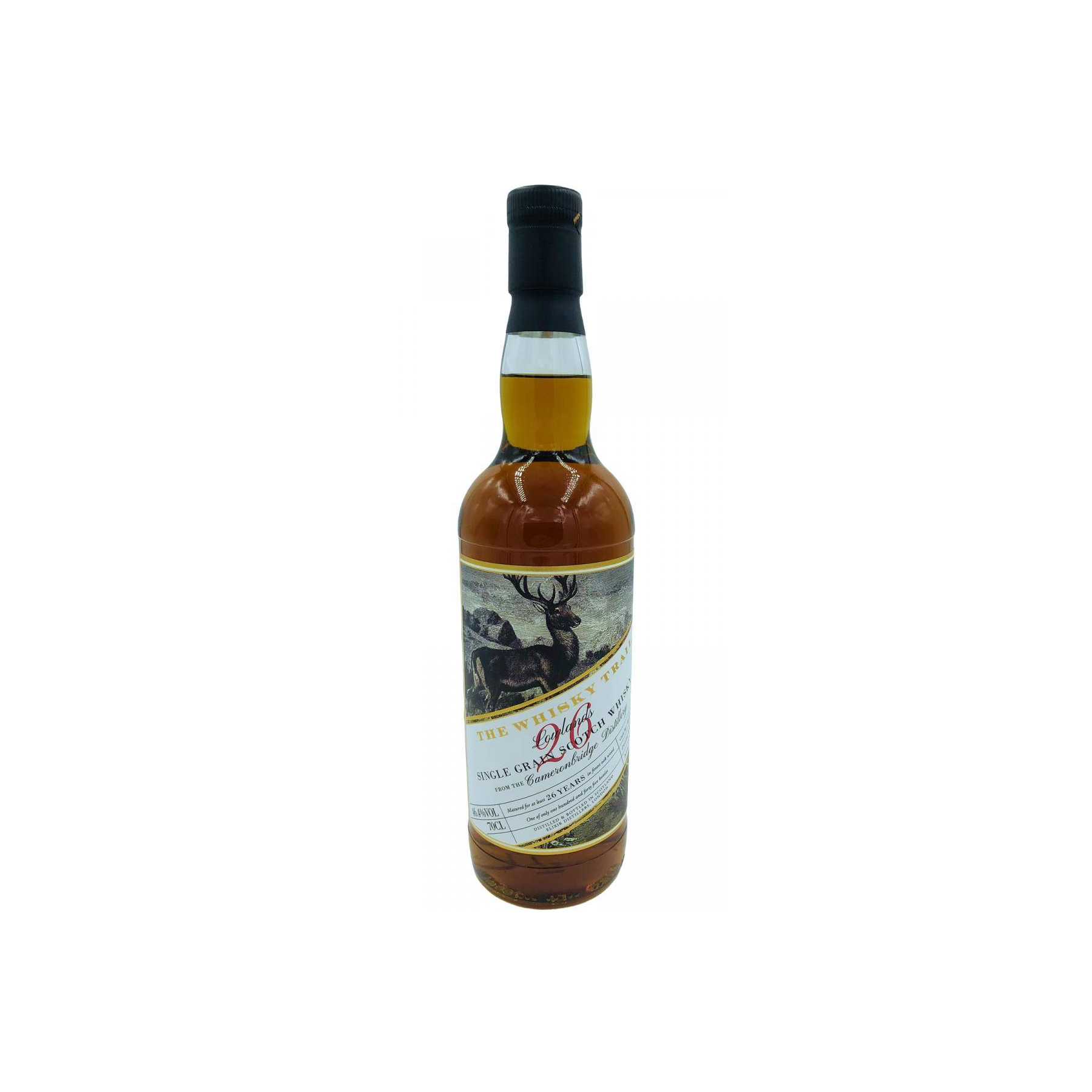
Cameronbridge 1992 26 Years Single Grain Whisky
Cameronbridge
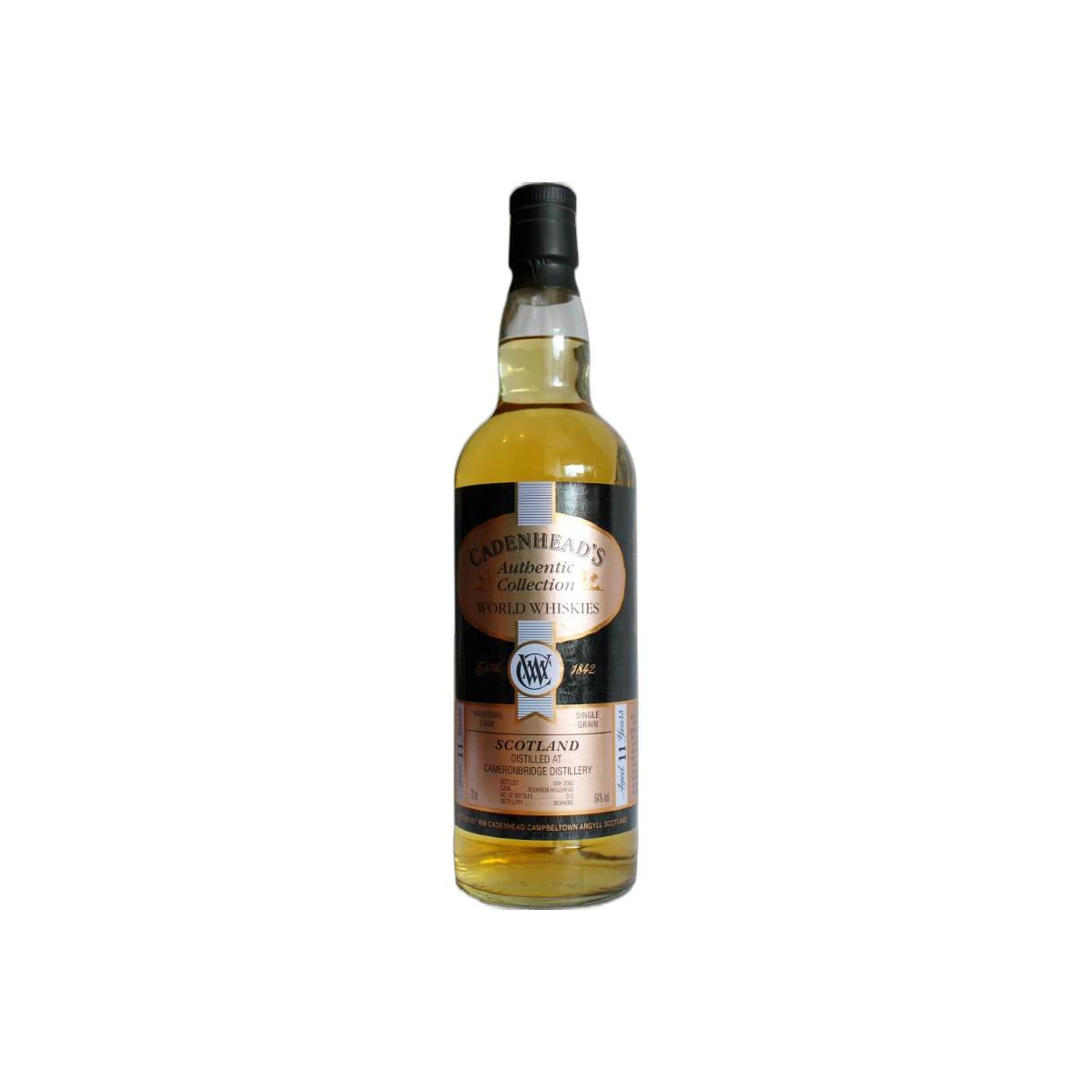
Cameronbridge 11 Years Single Grain Whisky
Cameronbridge
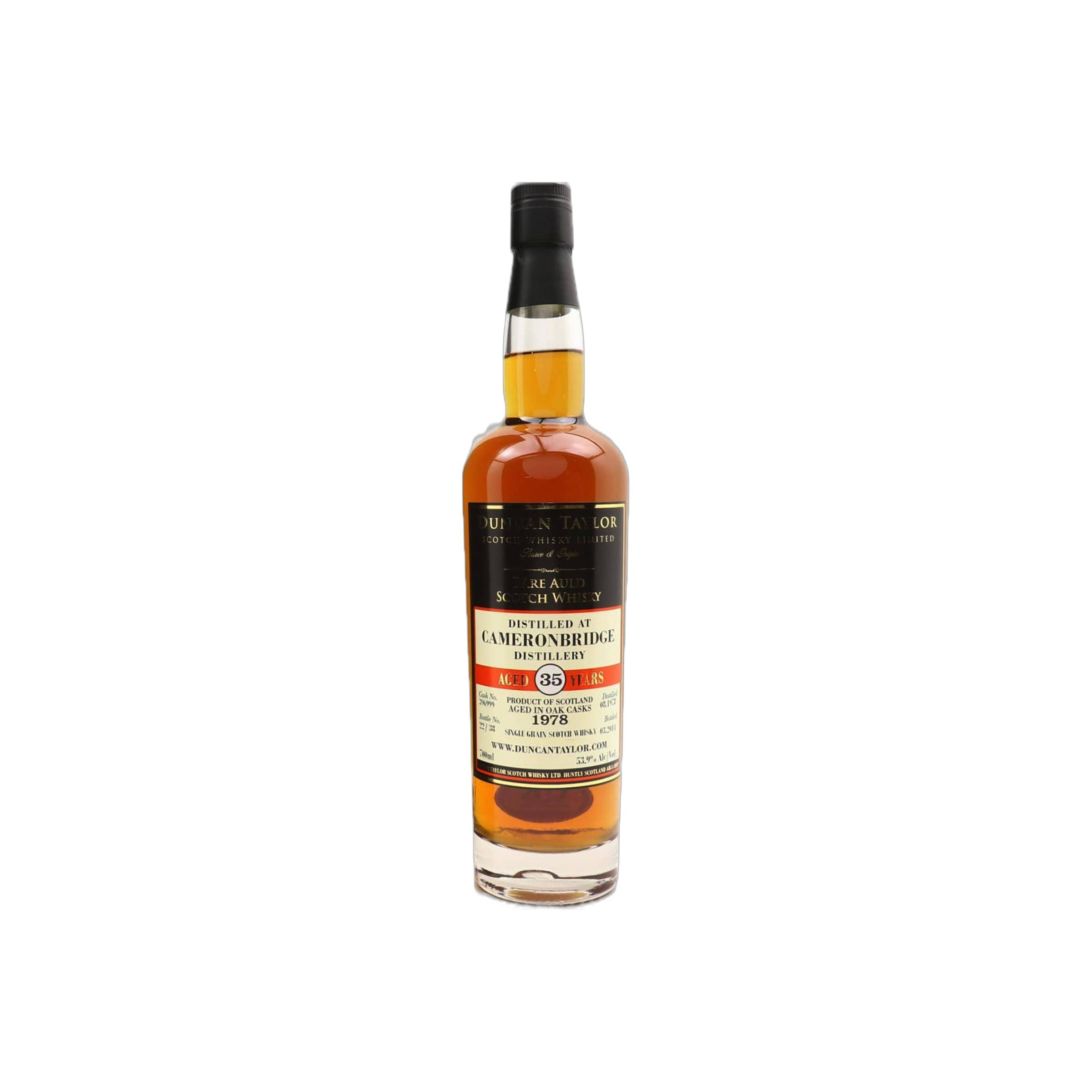
Cameronbridge 1978 35 Years Single Grain Whisky
Cameronbridge
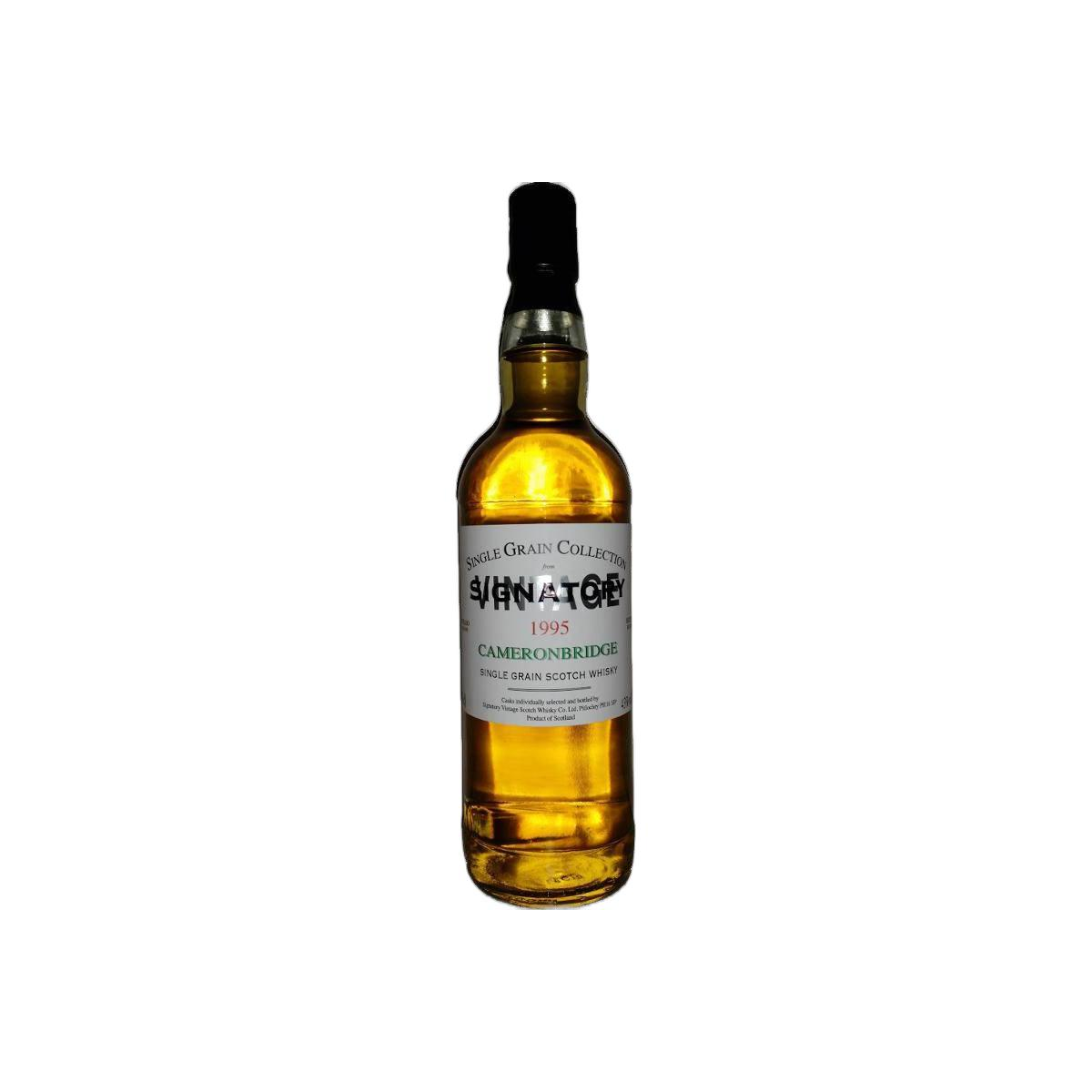
Cameronbridge 1995 15 Years Single Grain Whisky
Cameronbridge
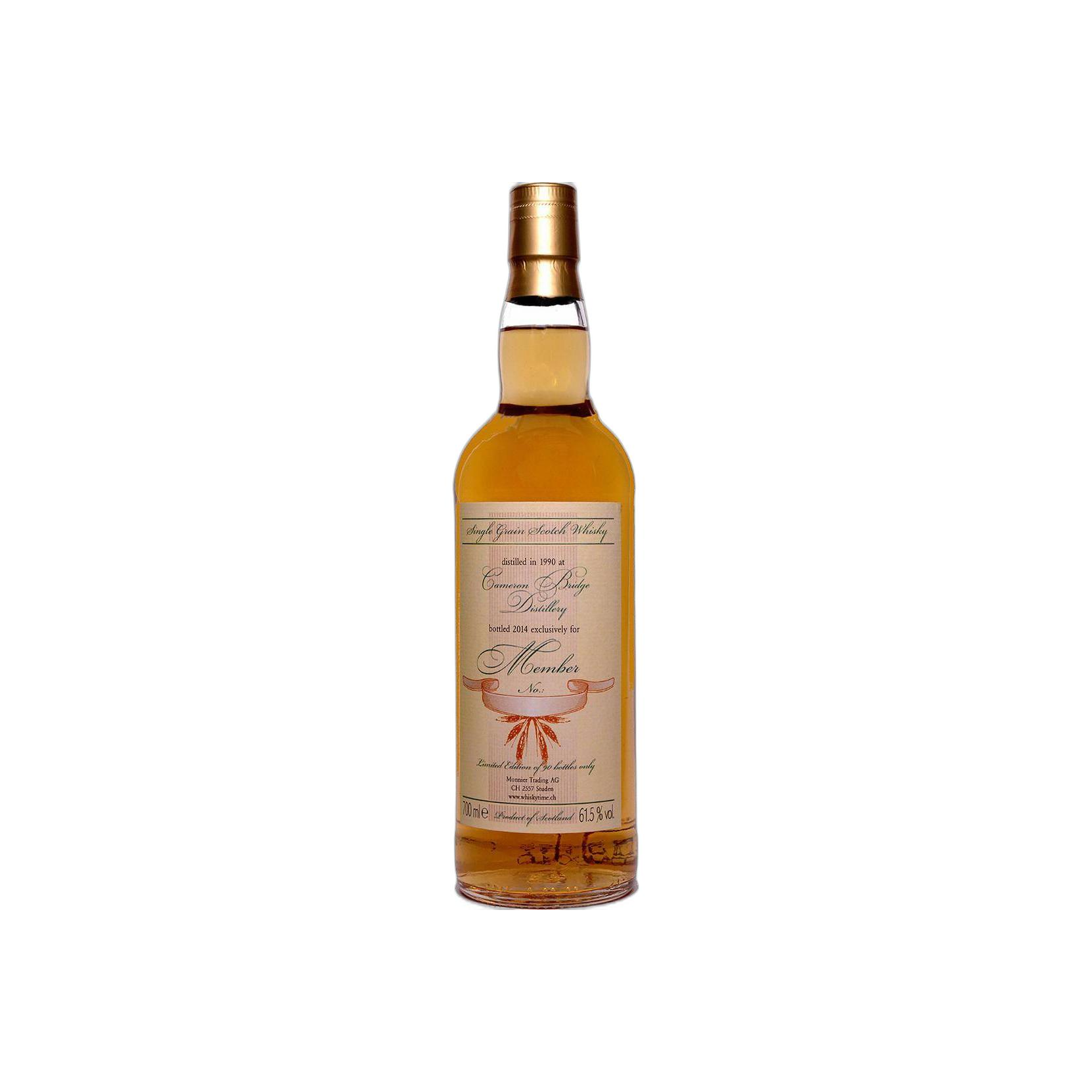
Cameronbridge 1990 24 Years Single Grain Whisky
Cameronbridge