
Ardbeg Distillery, nestled on the rugged southern coast of Islay, has been crafting some of the world's most heavily peated single malt Scotch whiskies since 1798, with commercial production commencing in 1815. For much of its early history, Ardbeg's intensely smoky spirit served as the backbone for prestigious blended whiskies, rarely bottled as a single malt. By 1886, the distillery employed 60 workers and produced 1,364 liters annually. After ceasing production in 1981, Ardbeg faced an uncertain future until its resurrection in 1989 under Hiram Walker, operating at limited capacity until 1996. The pivotal moment came on June 25, 1997, when Glenmorangie plc acquired the distillery, investing heavily in its full restoration by 1998. In 2004, LVMH (Moët Hennessy Louis Vuitton) purchased Glenmorangie plc, bringing Ardbeg into the world's largest luxury group. Under the visionary management of Stuart Thomson (1997-2006) and subsequently Michael 'Mickey' Heads from March 12, 2007—an Islay native and former Jura Distillery manager who began his career at Ardbeg—the distillery has flourished. Ardbeg's name derives from the Gaelic 'Àrd Beag' ('small height'), though it's also been interpreted as 'great height' reflecting its lofty reputation. Today, Ardbeg operates at full capacity, producing approximately 1.4 million liters annually, using malted barley peated to 50-55 ppm from Port Ellen Maltings and water from Loch Uigeadail. The distillery has cultivated a cult following through the Ardbeg Committee, founded in 2000, with over 120,000 global members. Core expressions include the flagship Ten Years Old (renowned for its perfect balance of peat, sweetness, and complexity), Uigeadail (named after the loch, sherry cask-finished), Corryvreckan (after the famous whirlpool), An Oa, and Wee Beastie. Ardbeg embodies Islay's untamed spirit—medicinal peat smoke, briny sea spray, citrus, and dark chocolate notes—making it the quintessential 'peat monster' revered by connoisseurs worldwide.
History
Ardbeg possesses both a traditional, timeless atmosphere and an elegant, modern character. In 1997, Glenmorangie acquired the distillery for £7 million, reviving it—over £6 million was used to purchase stock. At the time, the distillery's buildings and equipment were in a state of disrepair. The distillery's founders were the MacDougall family, tenant farmers living near this area of Islay. The family maintained ties with Ardbeg until the 1970s. The first distillation records date back to the 1790s, but the earliest commercial operation record is from 1815. By 1900, the village surrounding the distillery housed 40 workers and two excise officers, with over 100 students in the school. However, it declined in the late 1920s, during which period Ardbeg only supplied single cask single malt whisky to private clients with distillery credit accounts. Before liquidation was completed in 1959, Alexander MacDougall & Company owned the distillery. That same year, Ardbeg Distillery Ltd was established. In 1973, after the distillery was taken over by a joint venture between D.C.L. and Canadian distilling firm Hiram Walker & Sons, the Ardbeg Distillery Trust was formed. The Canadian firm paid £300,000 in 1976 and obtained full control, but five years later the distillery was mothballed, taking 18 jobs with it. This was the end for the village of Ardbeg. Hiram Walker's distilling division was acquired by Allied Lyons (later Allied Distillers) in 1987 and resumed small-scale production in 1989. However, the group also owned Laphroaig Distillery, which was located right next door on the same road, producing similarly heavily peated malt whiskies. Consequently, Ardbeg was closed again in 1996 and put up for sale cautiously. In 1997, Glenmorangie purchased and took over the distillery, spending £1.4 million on restoration, new equipment, and a visitor centre. Under the management of Stuart Thomson (who served as distillery manager until 2007), production resumed the following year, and his wife Jackie helped him create an excellent visitor centre.
Curiosities
Alfred Barnard once spoke of the MacDougall family's loyalty. When Alexander MacDougall, who managed Ardbeg, discovered a relative had been convicted of a minor offense, he immediately paid the fine, declaring: 'A MacDougall cannot do wrong.' Ardbeg was (and remains) an Islay whisky famous for its smoky character. It consistently used its own kiln to dry malt, and the kiln's louver windows could reportedly be adjusted to make smoke linger, imparting a heavily peated flavor with a phenol level of 50ppm to the malt. Until 1977, the distillery began purchasing peated malt with fixed phenol levels from the neighboring Port Ellen maltings. Despite the high peat content, the whisky produced at the distillery doesn't taste as intensely smoky as other Islay whiskies, possibly due to the purifier pipe on the spirit still, which returns condensed liquid from the lyne arm back into the still for redistillation. Before the roll-on/roll-off ferry service to Islay was introduced in 1968, Ardbeg's barley and coal were delivered by sea, with oak casks of whisky shipped out the same way. The voyage wasn't always smooth sailing. In December 1925, the 'Serb' struck rocks and sank at the entrance to Aberdeen Bay, laden with barley and malt. Fortunately, the crew was rescued. For two years after 1979 and between 1989 and 1996, Ardbeg produced an unpeated malt whisky for blending, named Kildalton – somewhat reminiscent of Caol Ila's Highland-style unpeated version. In 2004, an unpeated style whisky distilled in 1980 was released.
Timeline
Distillery founded
The McDougall family continued to operate the distillery, but it was actually sold to Glasgow merchant Thomas Buchana
Officially established the name 'Ardbeg' and the trademark still used today
Began using malt peated with peat from nearby Port Ellen
Hiram Walker purchased all shares of the distillery
The distillery closed for the first time
Became part of Allied Distillers, allowing the distillery to reopen
Ardbeg and Glenmorangie were acquired by LVMH together
Hot Search Whiskies
Showing top 10
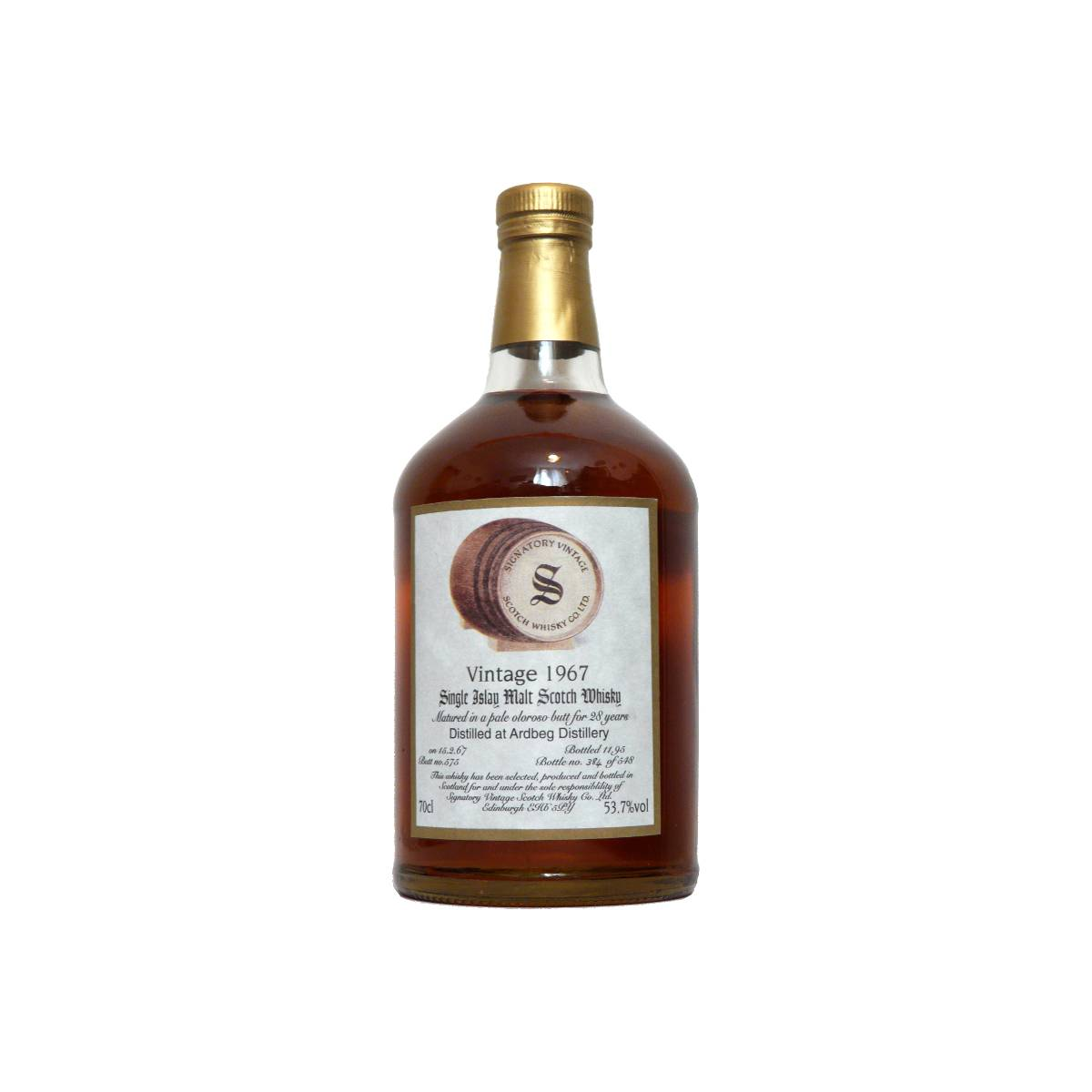
Ardbeg Vintage Collection - Dumpy 1967 28 Years Single Malt Whisky
Ardbeg
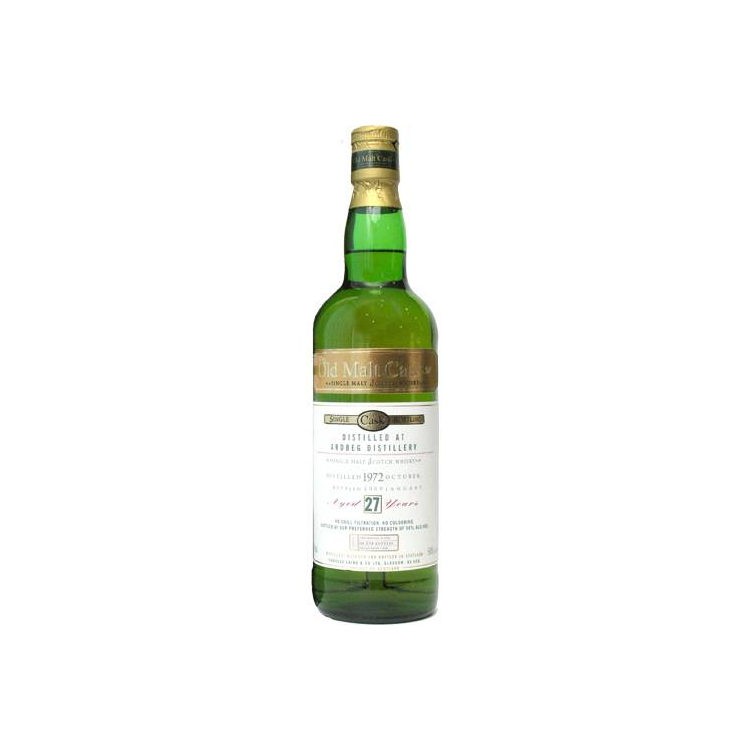
Ardbeg Old Malt Cask 1972 27 Years Single Malt Whisky
Ardbeg
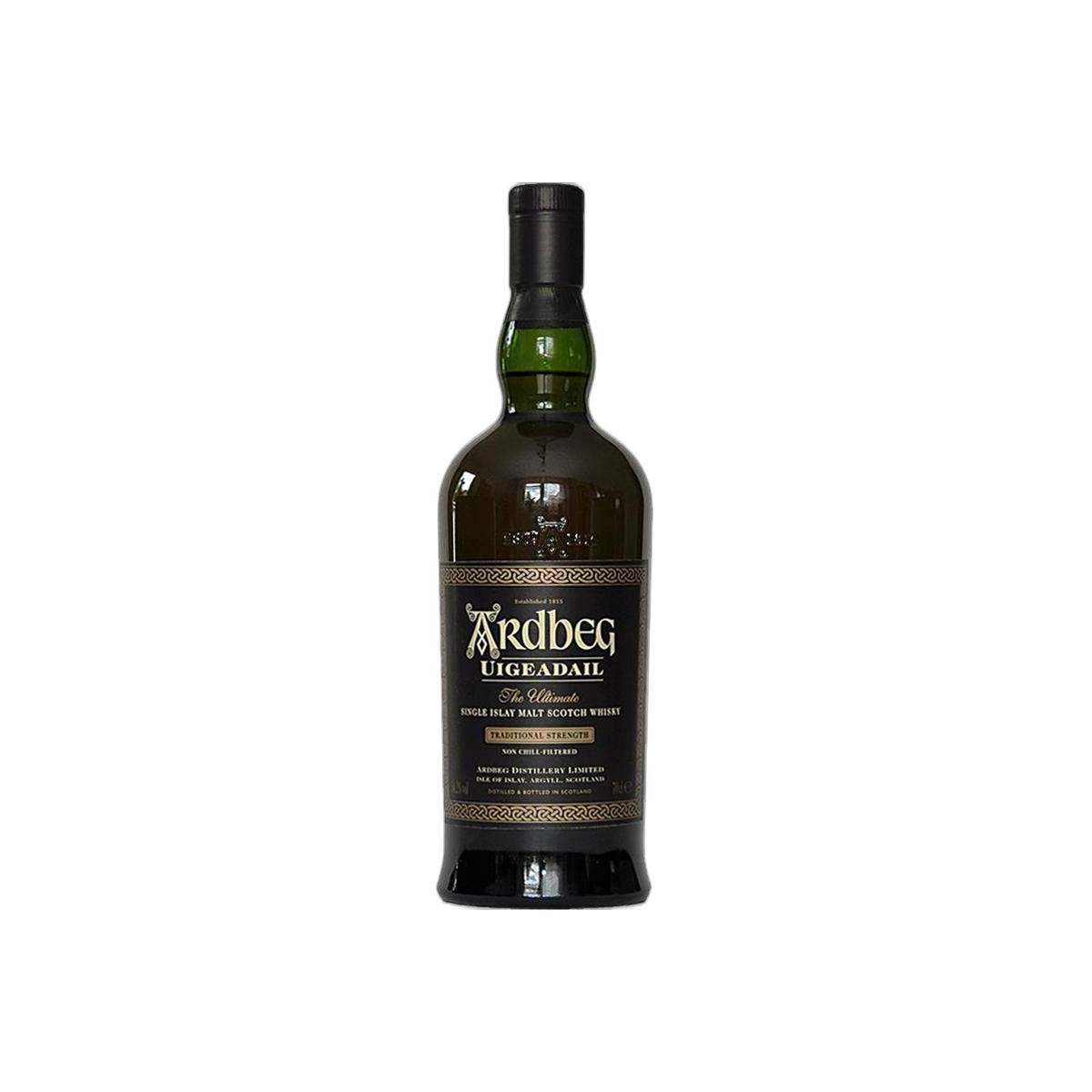
Ardbeg Single Malt Whisky
Ardbeg
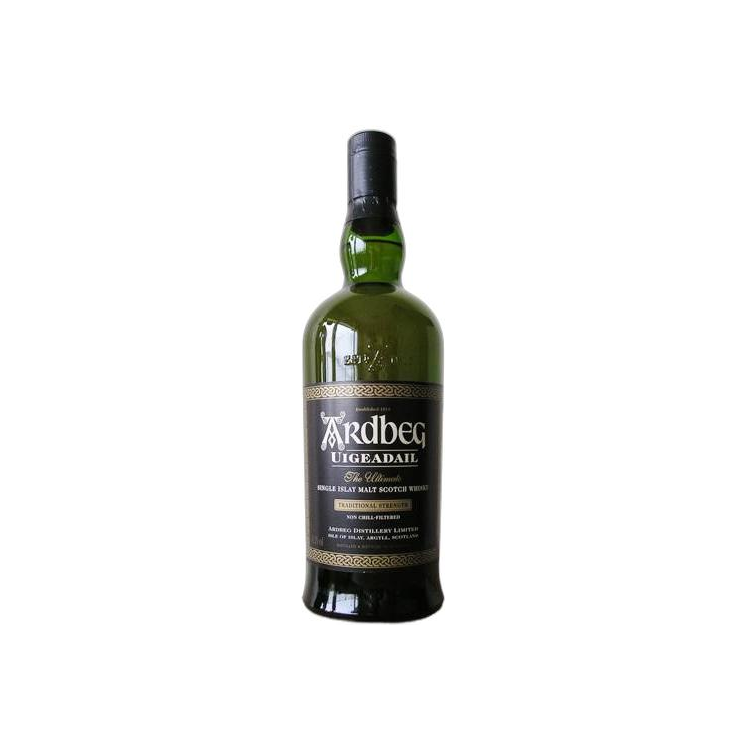
Ardbeg Single Malt Whisky
Ardbeg
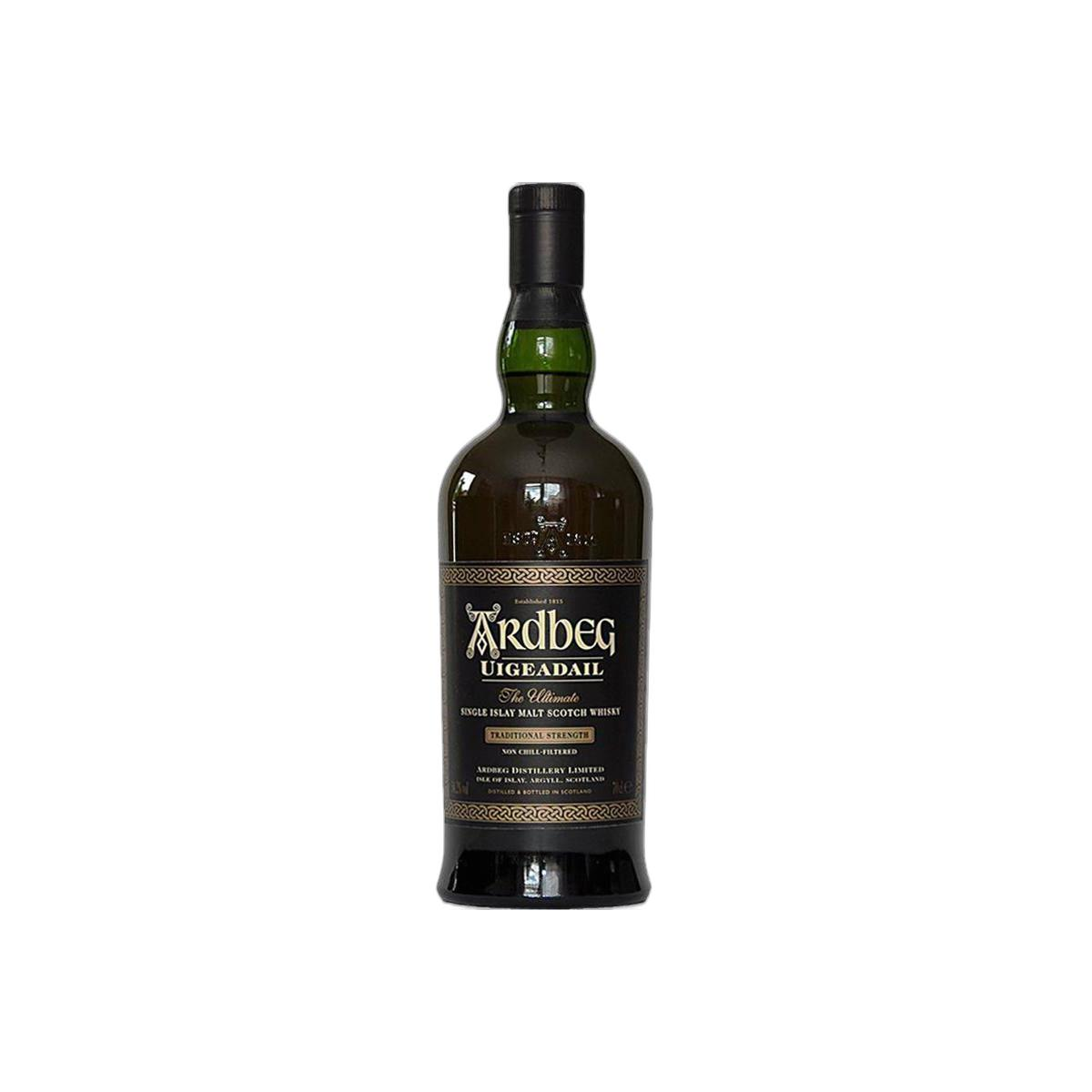
Ardbeg Single Malt Whisky
Ardbeg
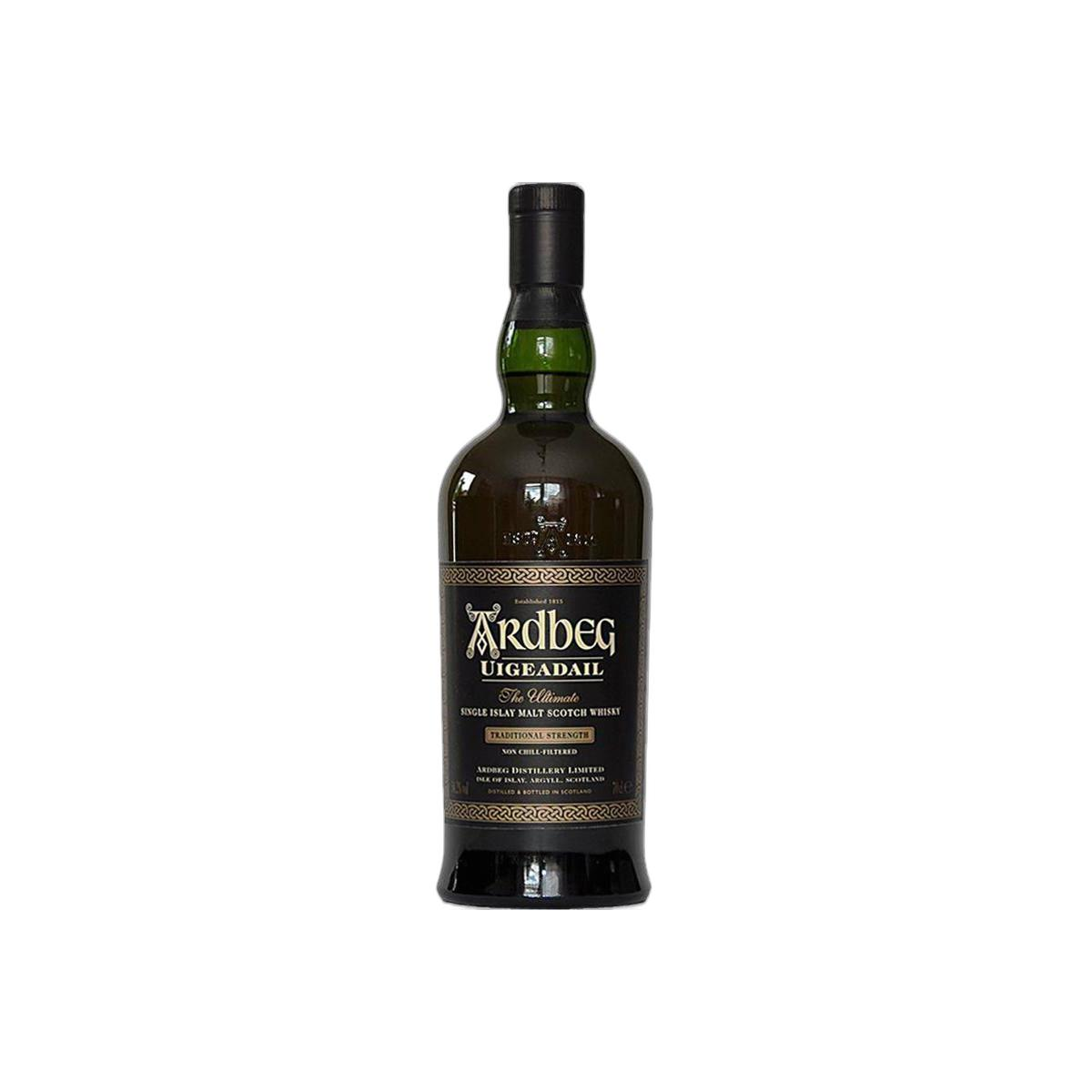
Ardbeg Single Malt Whisky
Ardbeg
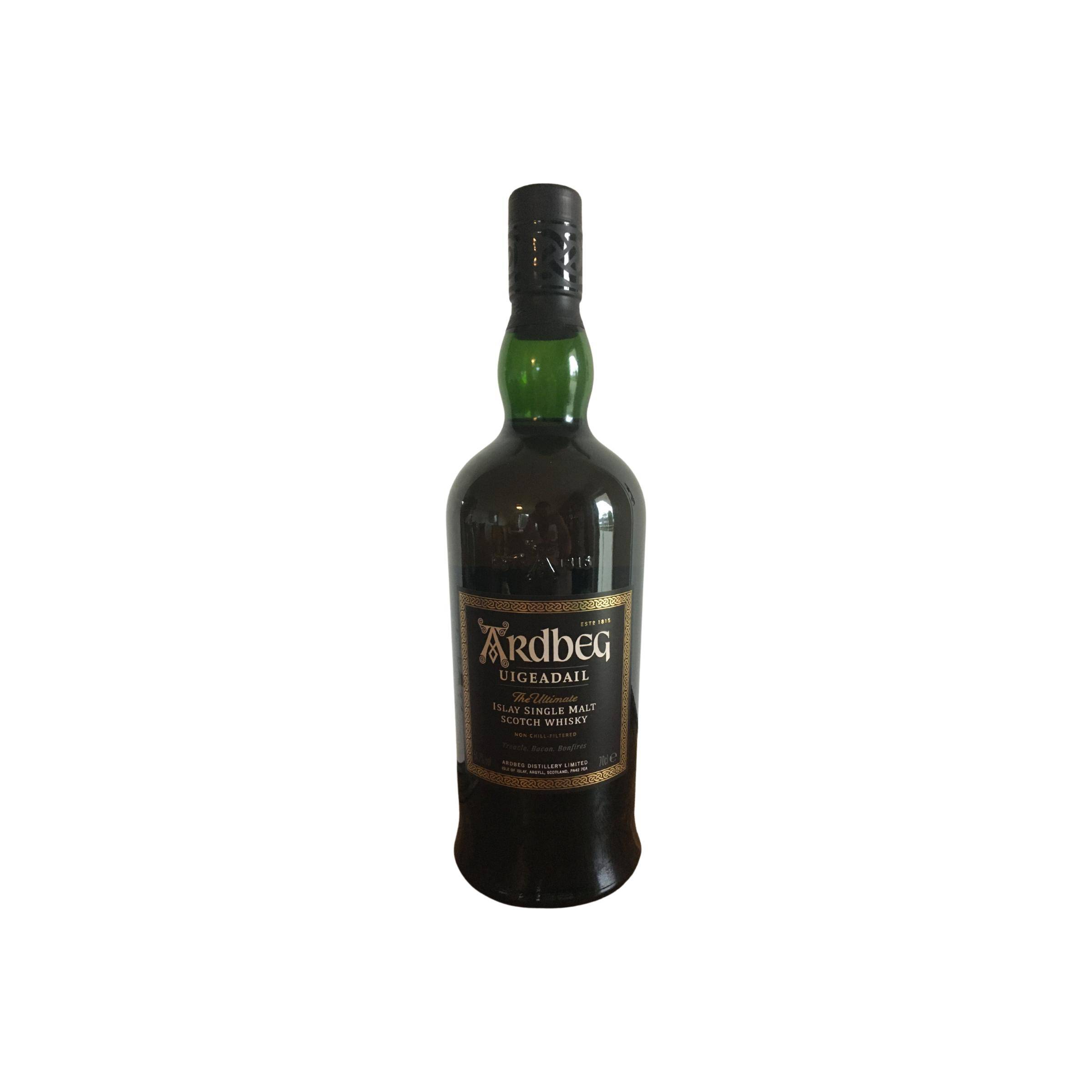
Ardbeg Single Malt Whisky
Ardbeg
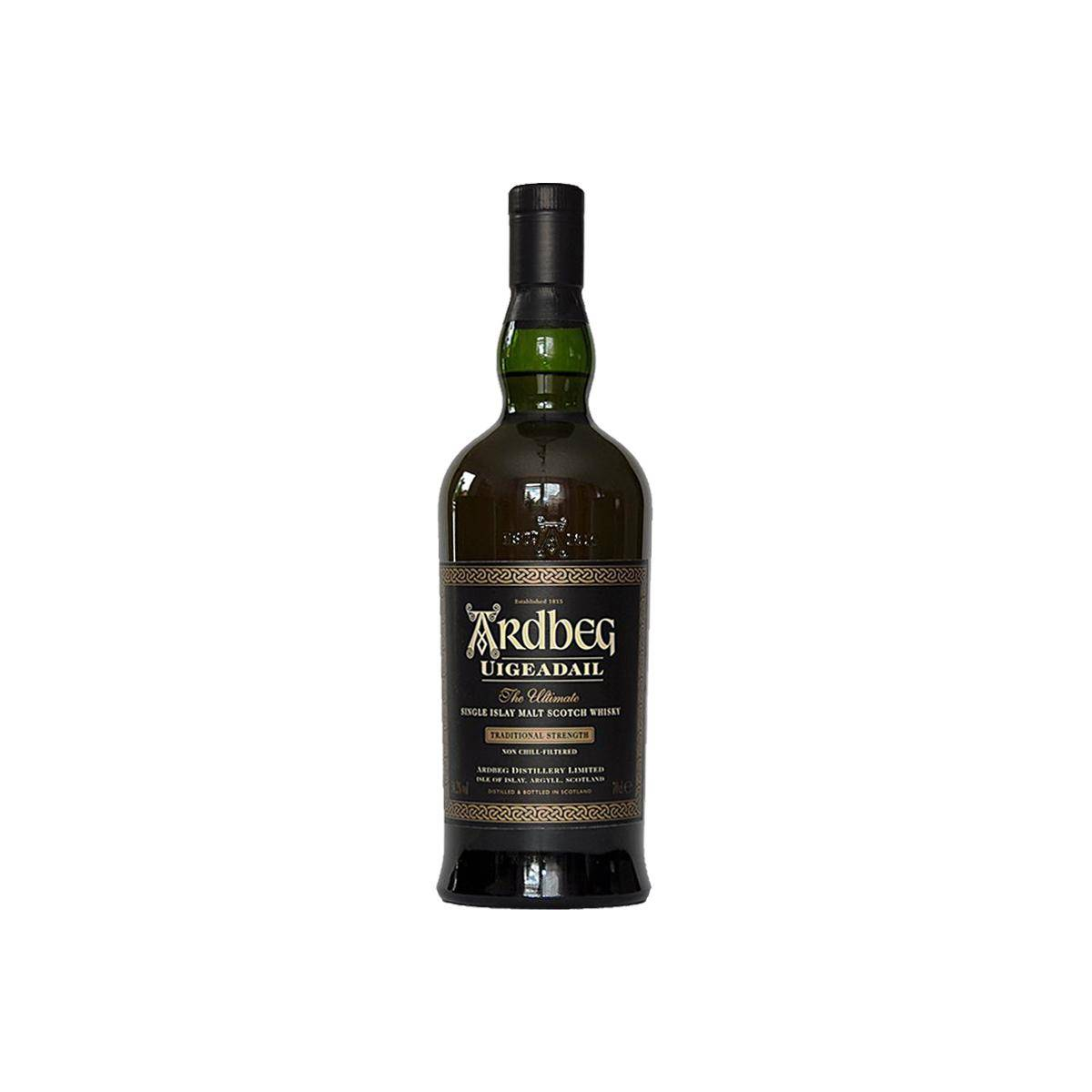
Ardbeg Single Malt Whisky
Ardbeg
Ardbeg Single Malt Whisky
Ardbeg
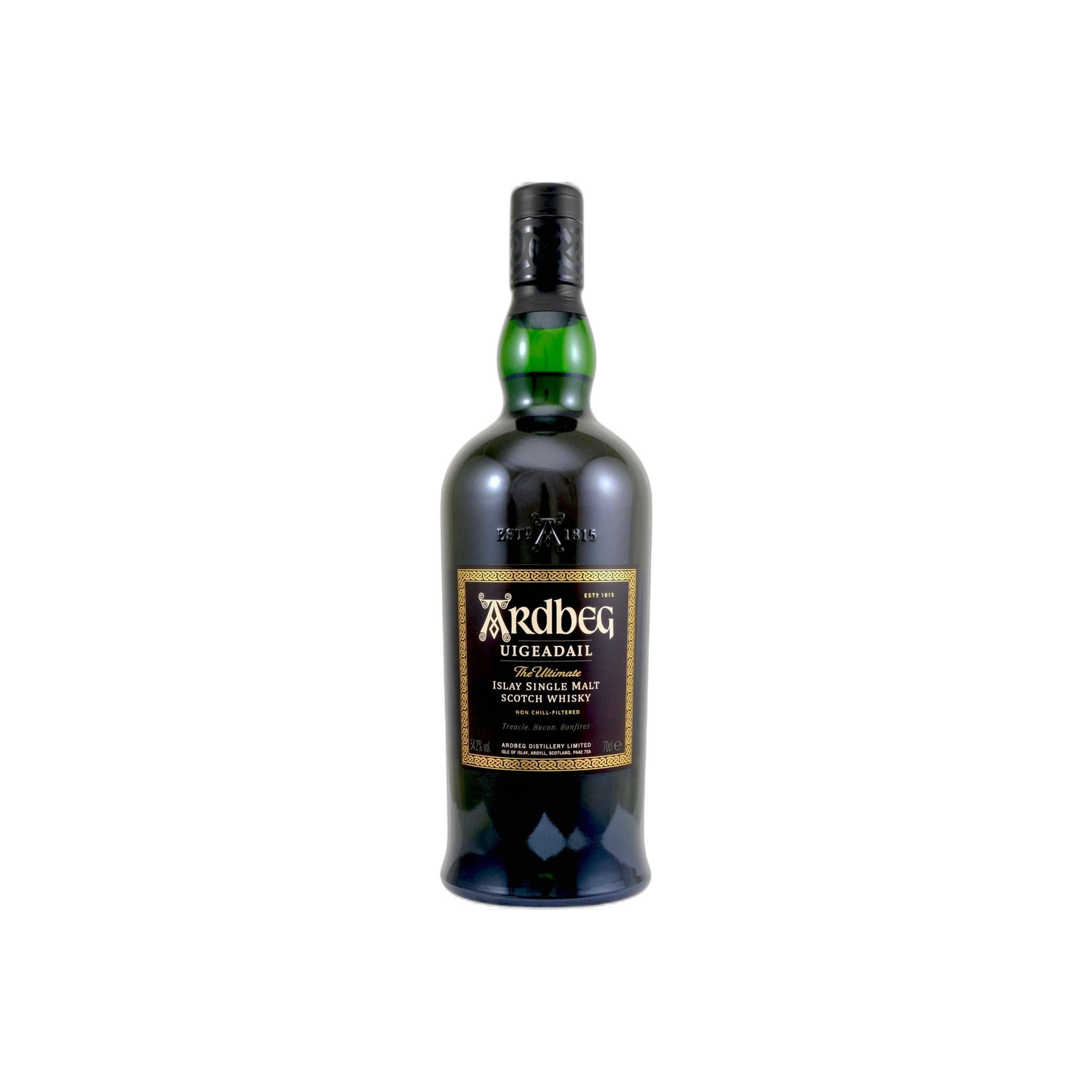
Ardbeg Single Malt Whisky
Ardbeg