

Longmorn Distillery, nestled in the heart of Speyside near Elgin, has been crafting exceptional single malt Scotch whisky since its founding in 1893 by John Duff. Contrary to its label's dramatic depiction of rugged peaks, the distillery actually resides on the fertile, rolling farmland of the Moray Firth valley, though the surrounding countryside does feature gentle hills. Longmorn is renowned for its robust, full-bodied character with rich notes of honeyed fruit, vanilla, and toasted nuts, derived from its traditional production methods and pure local spring water. While the distillery's core expression is the Longmorn 16 Year Old, the majority of its production has historically been allocated to premium blended Scotch whiskies, most notably Chivas Regal, where it serves as a key component malt. However, whisky enthusiasts celebrate the fact that Longmorn's exceptional spirit also regularly appears in the portfolios of independent bottlers, offering unique cask-strength and single cask expressions that showcase the distillery's complexity. The distinctive label artwork, featuring the distillery amid mountainous terrain, has become an iconic symbol that captures the aspirational spirit of this hidden Speyside gem, despite the geographical artistic license.
History
In 1893, John Duff, together with some local businessmen, founded Longmorn Distillery. In 1876, he had built Glenlossie Distillery a quarter mile away; his family owned land at Miltonduff extending westwards to the opposite bank of the River Spey, and would establish BenRiach Distillery next door two years later. The distillery's location was close to excellent water sources and a railway. The site had previously been a 16th-century mill, and before that, an ancient chapel. The distillery only lasted five years. With the collapse of Pattison's of Leith and the sharp downturn of the entire industry, John Duff had to relinquish control of Longmorn and BenRiach, and by 1901, the remaining board members included J.A. Dewar (John Dewar & Sons), Arthur Sanderson (VAT 69 blended whisky), and James Anderson (J.G. Thompson of Leith). In 1899, management passed to James R. Grant, and later to his two sons, who were known as the 'Grants of Longmorn'; in 1970, they merged with the Grant family of Glenlivet and the Grant family of Glen Grant, along with Hill Thompson & Company, to form Glenlivet Distilleries Ltd, which was acquired by Seagram's in 1977. The distillery was expanded to 6 stills in 1972, and again to 8 stills in 1974, but its appearance has changed little over the years. Seagram's was acquired by Pernod Ricard Group in 2001, and Longmorn is now operated by its subsidiary, Chivas Brothers. In 2013, the group built a new mashing house and fermentation house at Longmorn, equipped with new Briggs lauter mash tuns and 2 additional fermentation tanks, increasing production capacity from 3.5 million liters of pure alcohol to 4.5 million liters.
Curiosities
A railway line connected Longmorn Distillery with BenRiach Distillery and operated until 1980. A 'puggie' (monkey) internal combustion locomotive transported malt from BenRiach to Longmorn. The locomotive is now preserved in Aviemore. The name Longmorn originates from a 7th-century English saint named Elan; a church dedicated to him was named 'Lannmoeran,' meaning 'the beloved Saint Elan's hermitage.' Another theory traces it to Saint Marnoch (or Maernog), who died in 625; many Scottish towns hold commemorative activities on this day, including Kilmarnock in East Ayrshire, Scotland. A third source suggests the name derives from 'Lhanmorgund' (land of the saints). Longmorn is described as 'the blender's second choice' (the first being their own distillery's product!), a view I know a retired master blender heartily agrees with!
Timeline
John Duff founded the distillery
Due to an industry downturn, the distillery was sold to James Grant
Distillery expanded to 6 stills and converted to steam heating
Stills increased to 8
Distillery was purchased by Seagram, later became part of Chivas Brothers
Distillery underwent renovation and upgrade
Hot Search Whiskies
Showing top 10
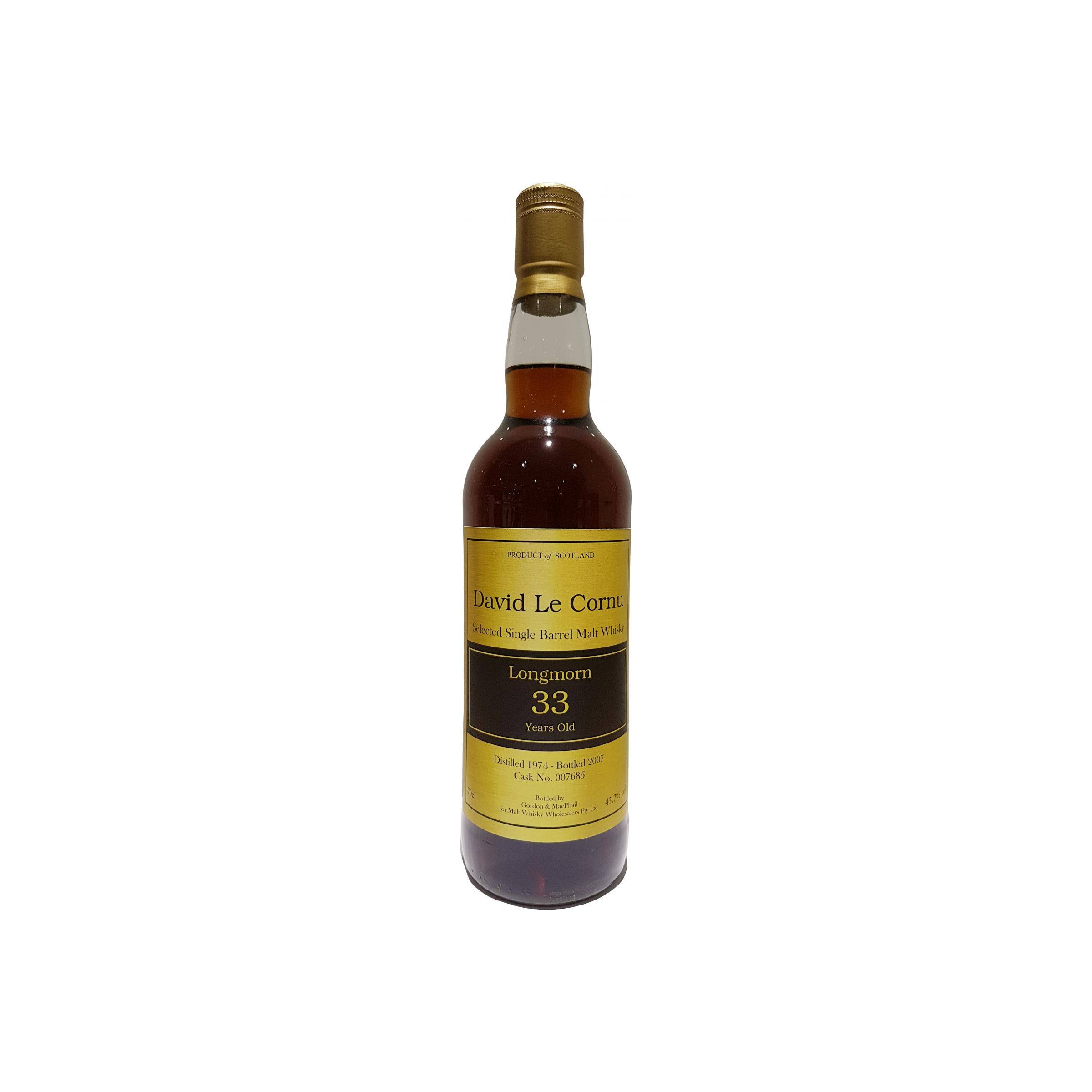
Longmorn 1974 33 Years Single Malt Whisky
Longmorn
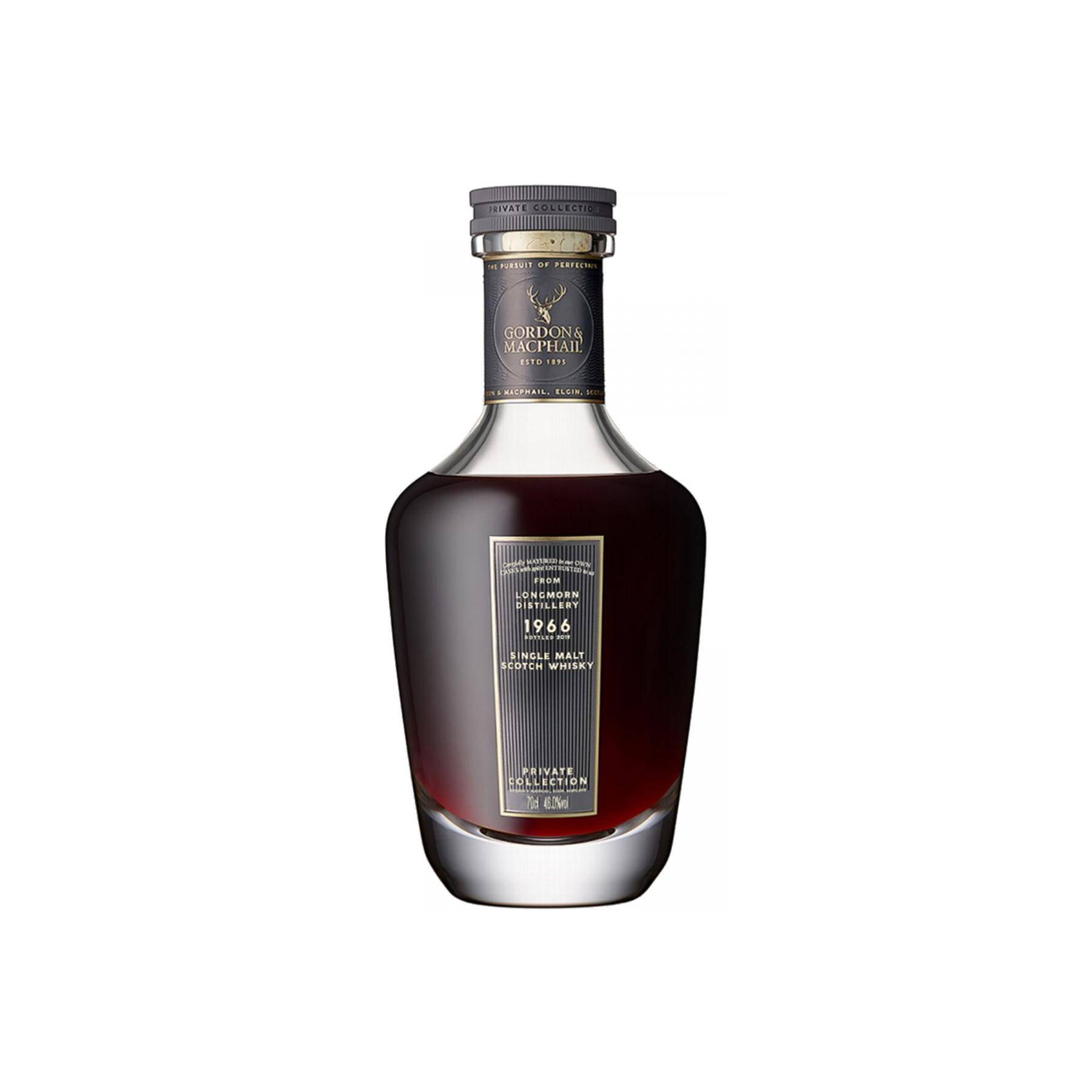
Longmorn 1966 53 Years Single Malt Whisky
Longmorn
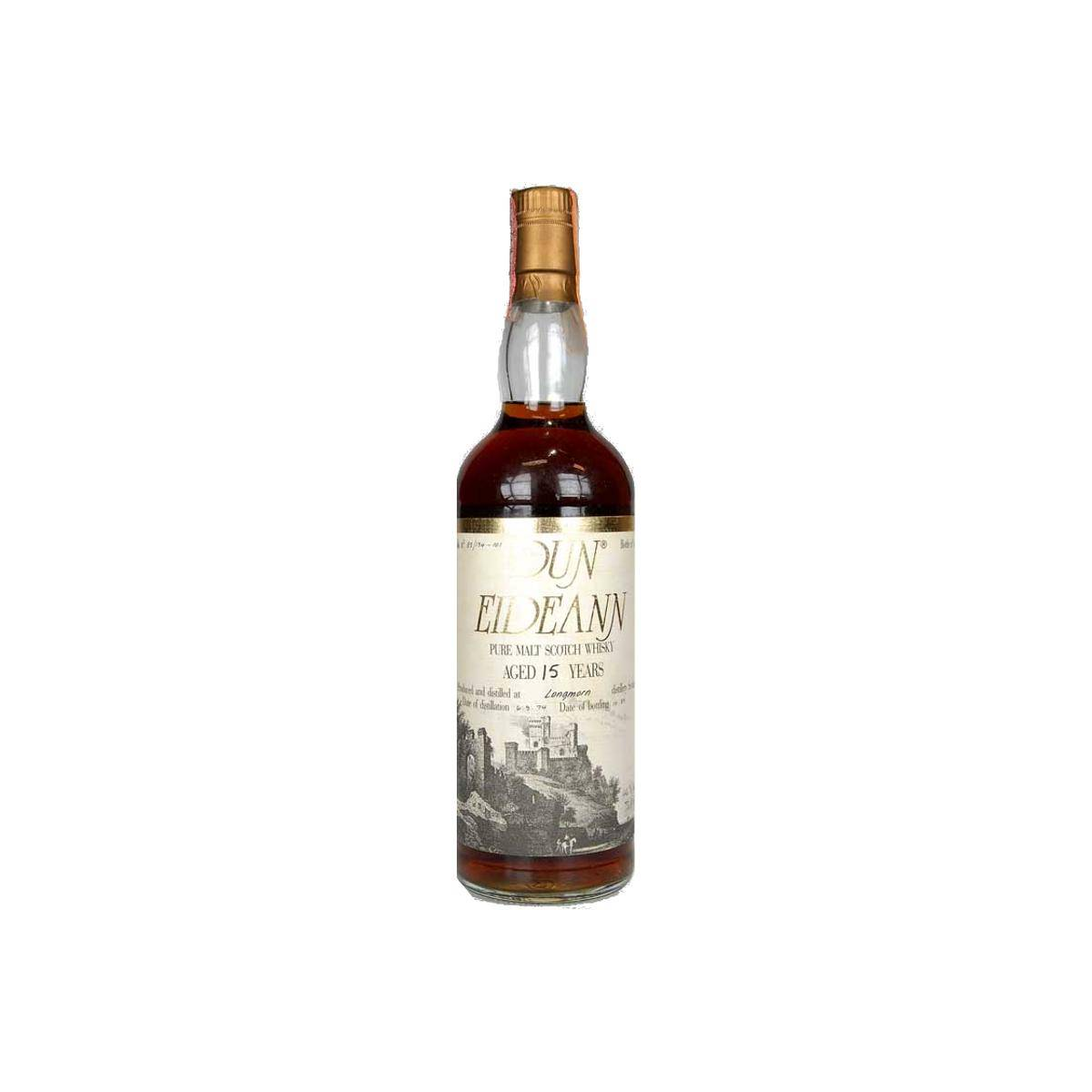
Longmorn 1974 15 Years Single Malt Whisky
Longmorn
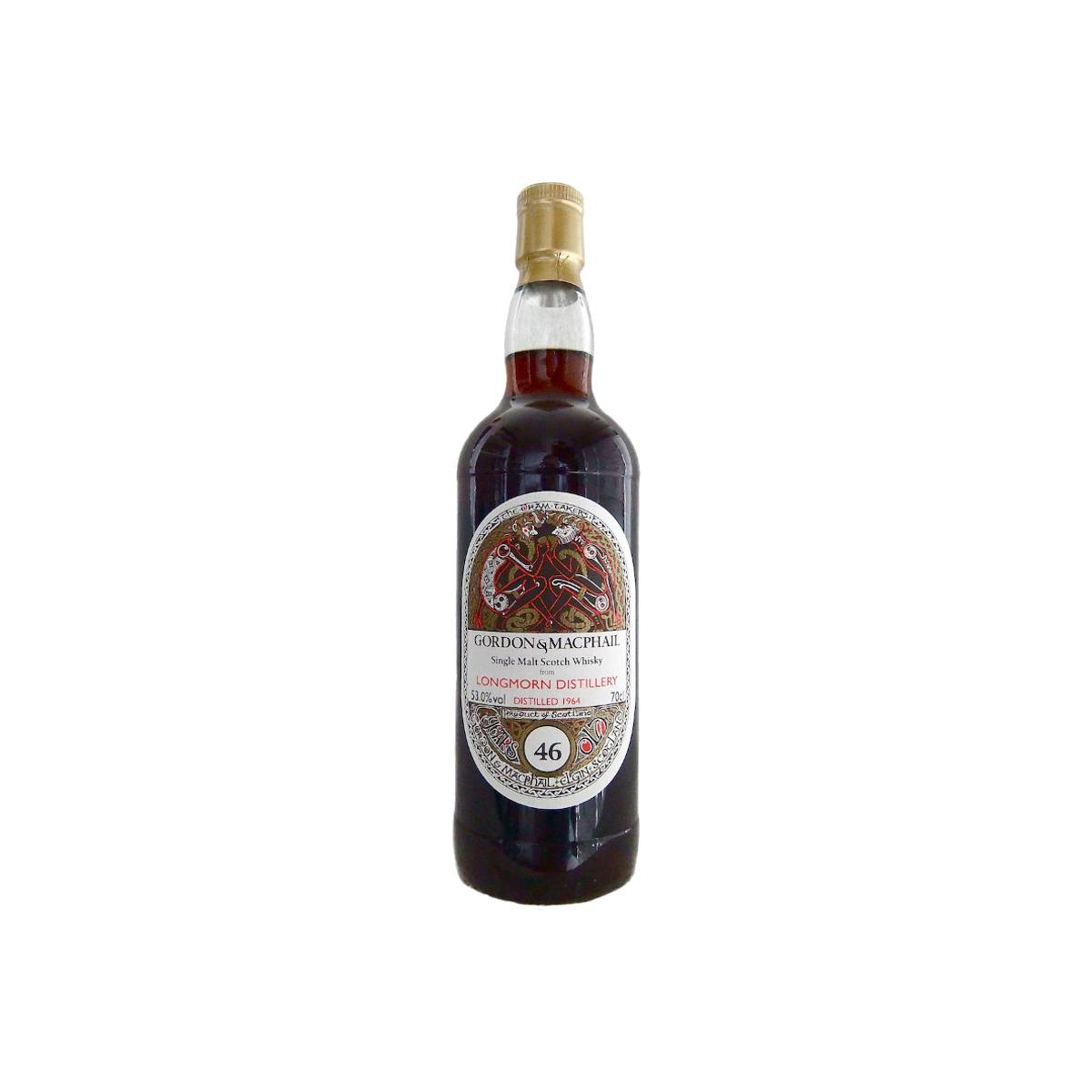
Longmorn 1964 46 Years Single Malt Whisky
Longmorn
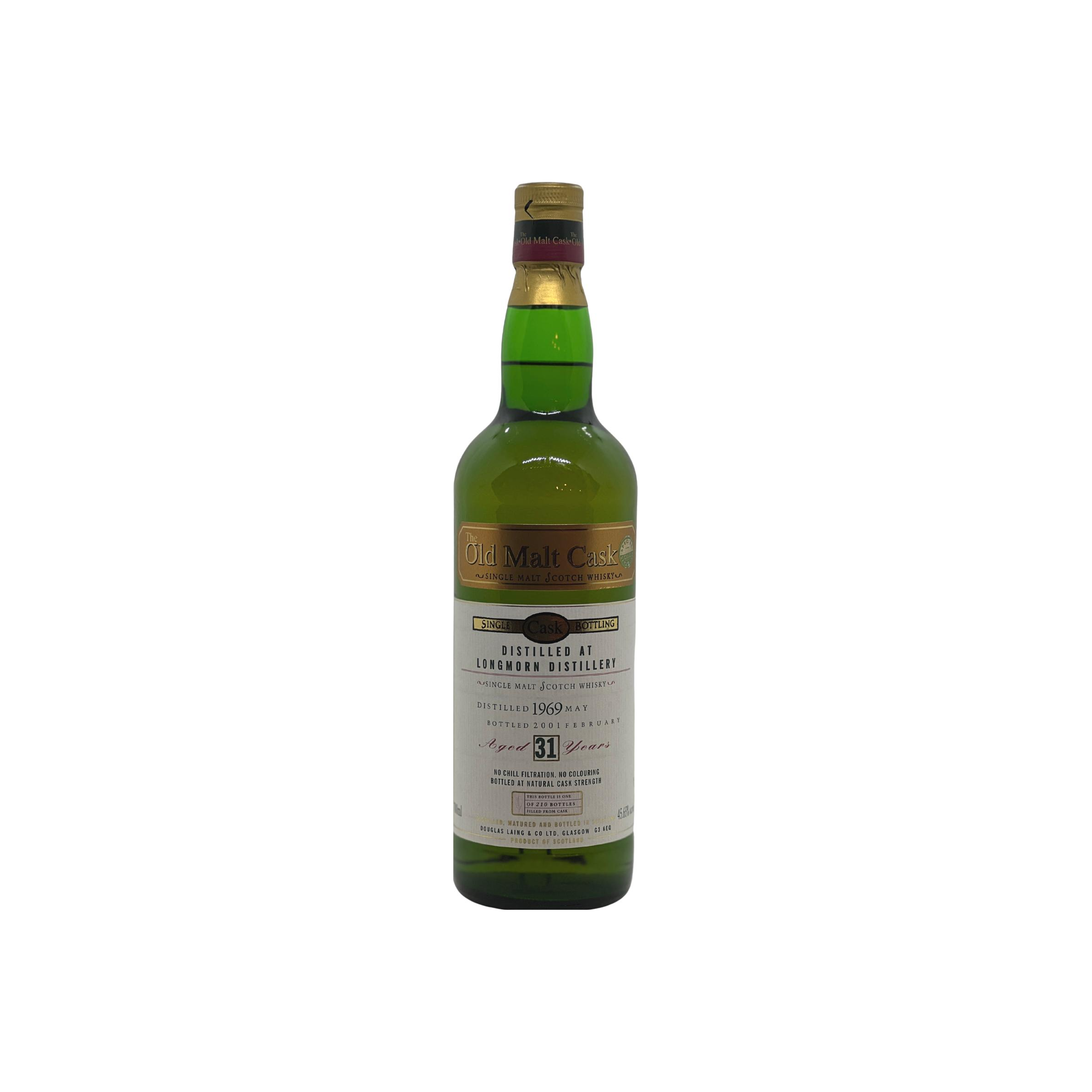
Longmorn Old Malt Cask 1969 31 Years Single Malt Whisky
Longmorn
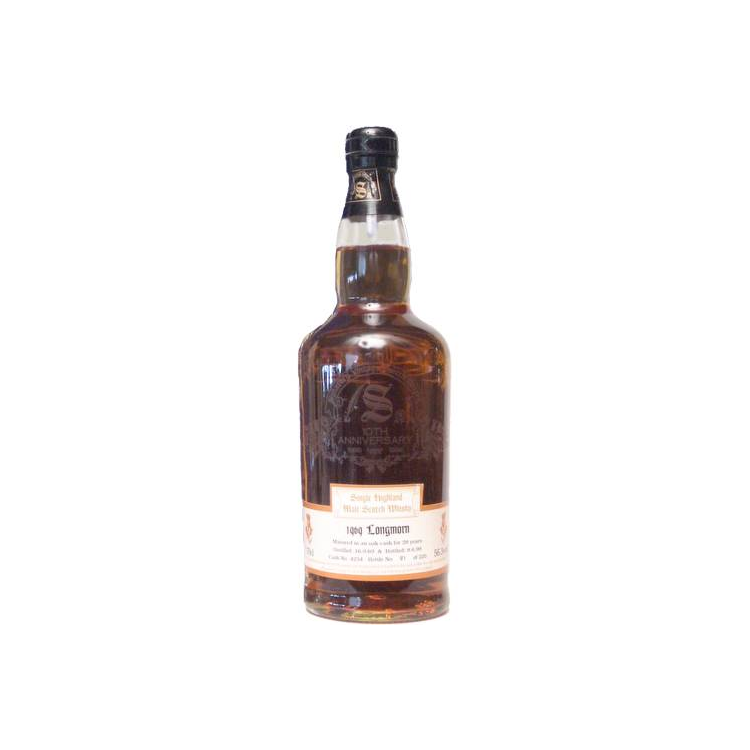
Longmorn 1969 28 Years Single Malt Whisky
Longmorn
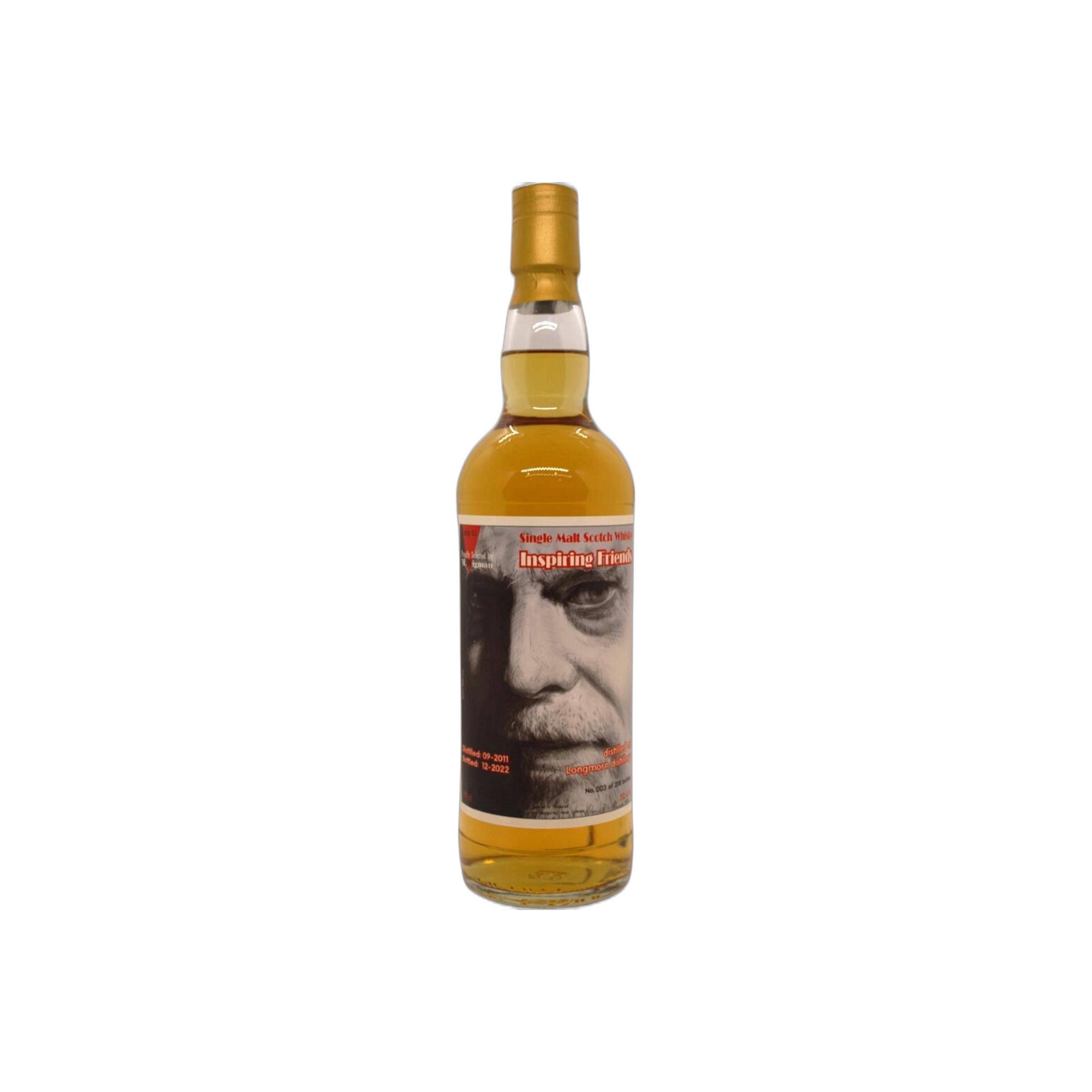
Longmorn 2011 11 Years Single Malt Whisky
Longmorn
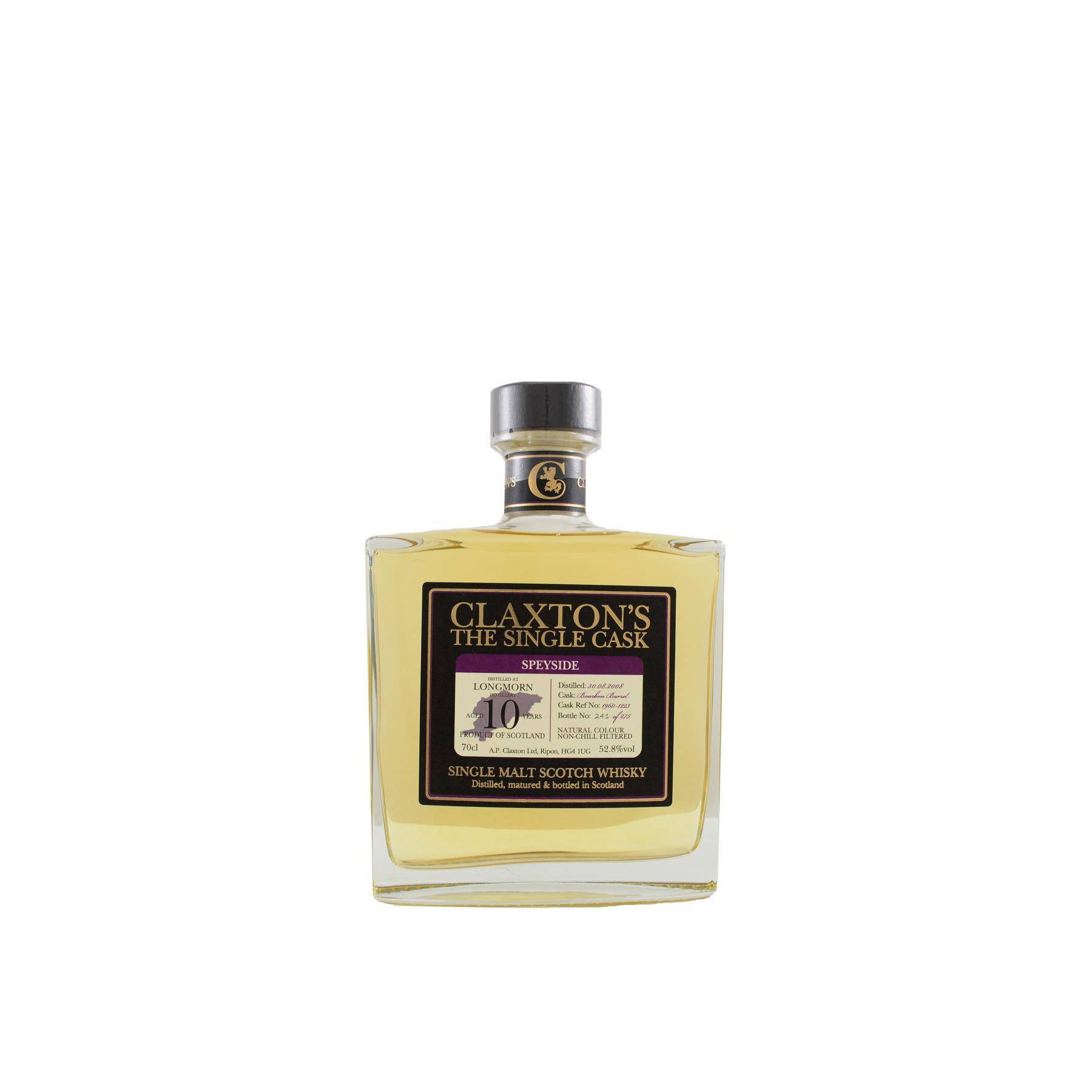
Longmorn 2008 10 Years Single Malt Whisky
Longmorn
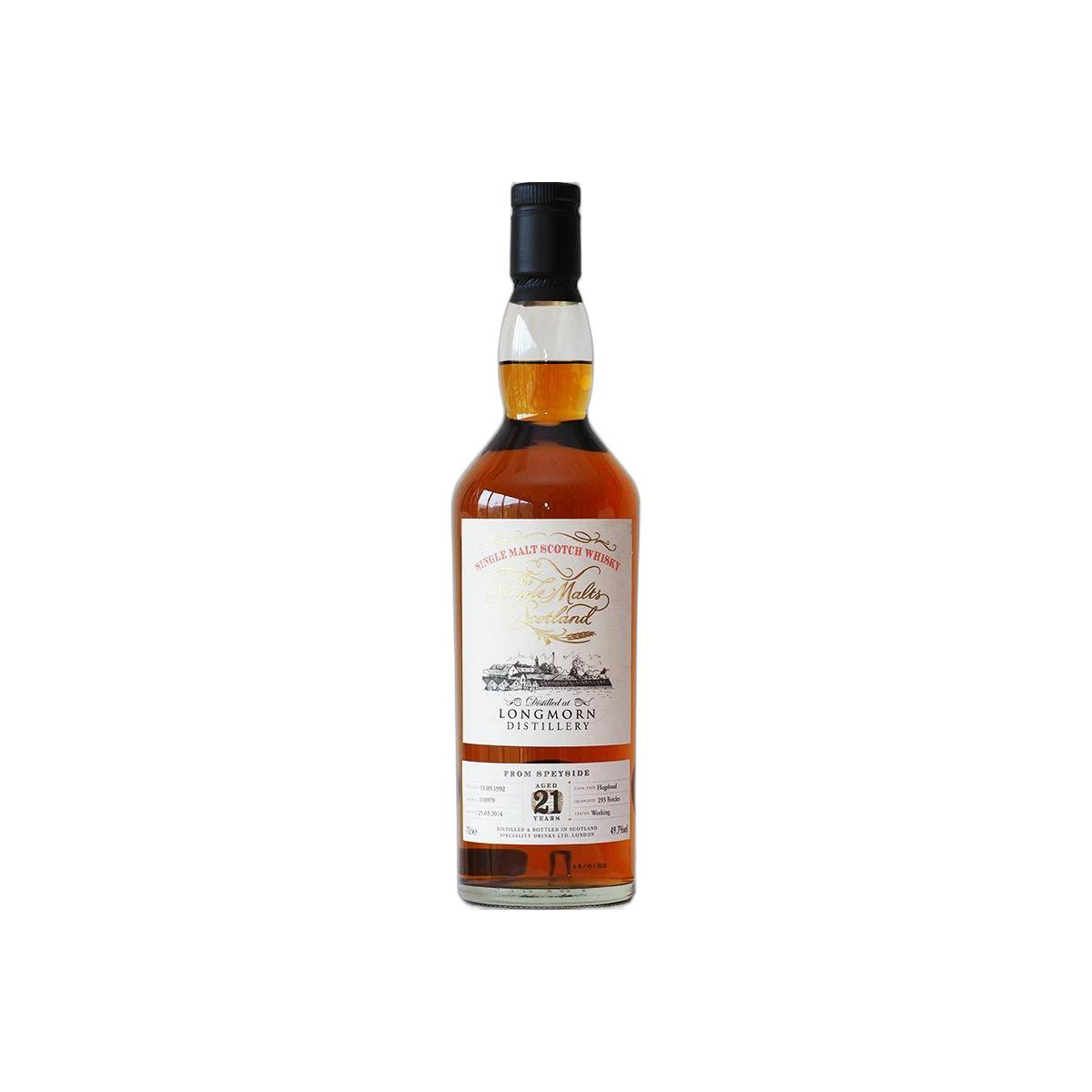
Longmorn The Single Malts of Scotland 1992 21 Years Single Malt Whisky
Longmorn
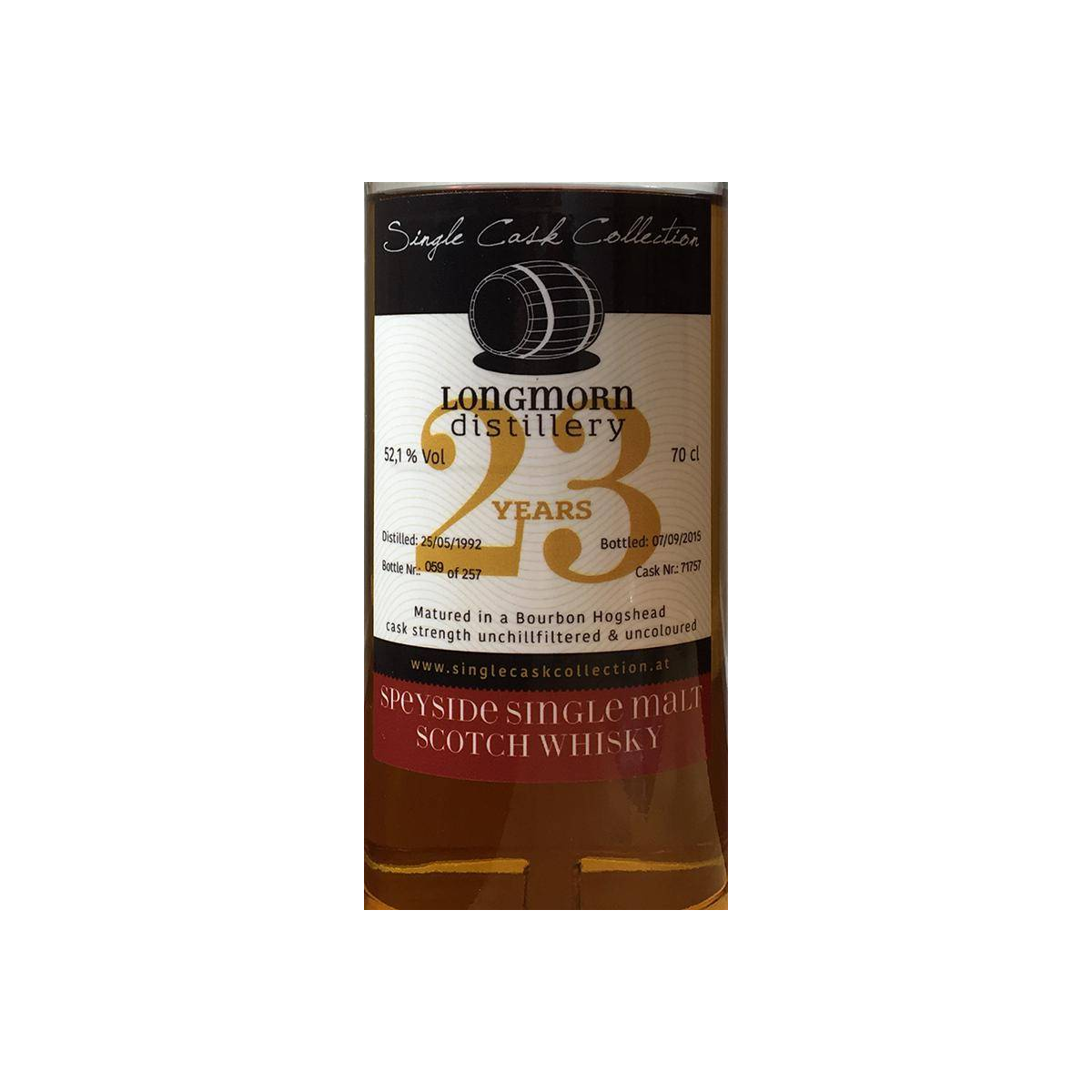
Longmorn 1992 23 Years Single Malt Whisky
Longmorn