

The Glenlivet
Glenlivet stands as one of the most iconic single malt Scotch whisky brands, engaged in a perpetual yet cordial rivalry with Glenfiddich for global ma...
Glenlivet stands as one of the most iconic single malt Scotch whisky brands, engaged in a perpetual yet cordial rivalry with Glenfiddich for global market leadership. While Glenfiddich pioneered global single malt promotion in the 1960s, Glenlivet claims historical primacy as one of Scotland's first licensed distilleries (1824). The brand's dominance in the crucial US market remained unchallenged for decades, despite Glenfiddich's occasional global sales victories—most recently in 2018 when Glenfiddich sold 16.8 million bottles versus Glenlivet's 14.5 million. Glenlivet's £35 million expansion completed in summer 2018 transformed it into Scotland's largest malt whisky distillery, boosting capacity to 21 million liters annually. The facility features two Briggs full-lauter mash tuns (13.5 tonnes each), 16 traditional wooden washbacks and 16 stainless steel fermenters, plus 14 copper pot stills distributed across three still rooms (4 in the original 19th-century room, 3 in a 2010 addition, and 7 in the new third still house). The core range includes Founder's Reserve, 12 Year Old, 12 Year Old Excellence, 15 Year Old French Oak Reserve, 18 Year Old, 21 Year Old Archive, and XXV. The Captain's Reserve (sherry cask-finished) launched in May 2018, while a 14-year-old sherry cask expression debuted exclusively for the US in September 2019. The non-chill filtered Nadurra series showcases cask-strength craftsmanship through Nadurra Oloroso Sherry Cask, Nadurra First Fill Selection, and the peated Nadurra Peated Whisky Cask Finish, which derives its smoky character from casks that previously held peated Scotch whisky. These are available both at cask strength and 48% ABV for travel retail. The travel retail-exclusive Triple Cask range (Distiller's Reserve, White Oak Reserve, and Rare Cask) succeeded the Master Distiller's Reserve series. The ultra-premium Winchester Collection, honoring Master Distiller Alan Winchester, began in 2014 with a 50-year-old release, with Vintage 1967 joining as the third edition in September 2018. Glenlivet also maintains an enigmatic limited release program, with the latest being Glenlivet Enigma (Spring 2019), whose specifications remain largely confidential. The Distillery Reserve Collection offers four cask-strength expressions aged 12-18 years, exclusively available at the Chivas Brothers visitor centre.
History
Upper Drumin Farm—located within the Duke of Gordon's Glenlivet Estate—George Smith was the first person in the region to apply for and receive a distillation license under the 1823 Excise Act. Before this, like his neighbors, he had been an illegal distiller; 'the year after the Battle of Waterloo (1815), approximately one hogshead (250 liters) of whisky was distilled each week.' After George went 'legal,' his former peers viewed it as betrayal, threatening to burn down his distillery: 'The most important thing is to burn George!' For self-protection, for several years George carried a firearm, which can still be seen today at the visitor center. By the mid-1820s, the distillery's products had gained renown beyond the Highlands, with Andrew Usher of Edinburgh becoming his agent. In 1840, George Smith leased another farm at Delnabo, where he took over a small distillery called 'Cairngorm' from former tenant John Gordon. Ten years later he leased Minmore, and in 1859 built an entirely new distillery there, which remains the company's core to this day. Usher launched the first 'branded Scotch whisky'—Usher's Old Vatted Glenlivet—initially a vatted malt whisky, eventually positioned as (around 1860) a blended whisky. In 1871, John Gordon Smith inherited from his father. Glenlivet's fame was such that many distilleries—even those over twenty miles from the Livet Valley—began using the name, earning the valley the moniker 'Scotland's longest glen.' In 1884, John Gordon Smith obtained a court order granting exclusive rights to use 'The Glenlivet' as a trademark, while others could only use 'Glenlivet' as a suffix. By 1950, some 27 distilleries were using this suffix. John Gordon Smith died in 1901, passing it to his nephew George Smith Grant, who later passed it to his son Bill and grandson Russell. Bill Smith Grant was the man who brought malt whisky to the American market. In 1933, as Prohibition ended, he began seeking business partners and shipped hundreds of cases to the United States. By 1939, Glenlivet's output had increased ninefold, including providing two cars (approximately 60 cases) of miniatures for the famous Pullman Railway Company and Blue Train Express. The post-war period saw severe shortages of mature stock, and Glenlivet was hotly pursued. The distillery specifically reserved quotas for transatlantic luxury liners such as the 'United States' and 'America.' In 1953, G. & J.G. Smith Ltd merged with J. & J. Grant Ltd to form The Glenlivet & Glen Grant Distilleries Ltd. In 1970, the company merged with Longmorn-Glenlivet and Hill Thomson & Company to form The Glenlivet Distilleries Ltd. In 1973, the distillery expanded from four to six stills, then replaced coal direct firing with gas. In 1975, a large and unsightly deep wine lees facility was built near the distillery, destroying the last vestiges of charm—whatever they were. At least the Chivas Brothers tidied it up. In 1978, Seagram's acquired The Glenlivet Distilleries Ltd. That year, the new owners installed another two direct-fired stills. By the mid-1980s, all eight stills had been converted to indirect heating via steam coils and steam pans. In 2001, Pernod Ricard's Chivas Brothers acquired Glenlivet distillery and most of Seagram's whisky interests. In June 2010, Prince Charles officially opened a new distillery building within the original grounds, containing six new stills, eight new fermentation vats, and one new mash tun, increasing capacity by 75%. In 2014, the group approved a large-scale expansion plan. It intends to build two new distilleries within the site, each with seven pairs of stills. Glenlivet's production capacity will increase to three times its current level, reaching 30 million liters of pure alcohol.
Curiosities
Glenlivet - In the past, the Glenlivet Valley was a remote and wild place that nurtured bold and independent people. They not only upheld the Catholic faith but also maintained whisky distilling traditions even after private distilling was banned in the 1780s. It is estimated that in 1820 there were 200 illegal stills in the valley, and the whisky produced here enjoyed the highest reputation throughout Scotland. In August 2007, Glenlivet, together with the Royal Estate that owns land near the distillery, launched the "Smugglers' Trail" project. Three hiking routes of different lengths lead tourists through the surrounding countryside, following in the footsteps of the former illicit distillers. "Give me the real Glenlivet, and I can make toddy with seawater. Mankind will never tire of Glenlivet's fine brew, just as they will never tire of fresh air. If a man can find the proper proportion and quantity of alcohol to imbibe, then he should get drunk every day; persist in this, I tell you, and man can live forever, doctors and churches will become obsolete..." -- Poet and writer James Hogg, 1826 (quoted by Christopher North) Due to poor water quality and the need to merge with the Minmore distillery, John Smith's Dernab distillery closed in 1858. But he chose to continue renting the estate for hunting and shooting, indicating his financial situation was indeed quite good! The original distiller, John Gordon, also had a distillery in Craufurd near Tomintoul, whose remains can still be seen today. In 2014, Glenlivet surpassed Glenfiddich to become the world's best-selling single malt whisky brand, with 1.08 million cases compared to Glenfiddich's 1.05 million cases (12 bottles per case). Glenfiddich had been the world's number one selling single malt whisky brand since 1963. "What makes Glenlivet so different?" a Time magazine reporter asked Bill Smith Grant in the 1950s. "There's no secret," he replied, "it just happened naturally... I think 99% because of water, and some other insignificant things." Seagram massively expanded the visitor center between 1996-1997, with multimedia facilities, restaurants, etc. A designer who had previously distinguished himself at Strathisla Distillery (and elsewhere) faced quite a challenge, tantamount to turning a sow's ear into a silk purse, but ultimately completed the work excellently, which is admirable. The distillery now receives about 45,000 visitors annually.
Timeline
George Smith inherited his father's farm distillery.
Georg Smith bought Delnabo farm near Tomintoul and leased Cairngorm distillery.
George Smith leased three other farms, with Minmore farm located on the banks of the Livet River.
William Smith contracted tuberculosis, and his brother John Gordon moved home to assist their father.
George Smith purchased Minmore farm and obtained a license to build a distillery.
Upper Drummin distillery and Cairngorm distillery closed, and Minmore distillery was renamed The Glenlivet distillery.
George Smith partnered with whisky agent Andrew P. Usher to successfully export The Glenlivet whisky.
George Smith passed away, and his son John Gordon succeeded him.
John Gordon Smith applied for and obtained exclusive rights to the name "The Glenlivet."
A major fire broke out at the distillery, and some buildings were rebuilt.
Two more stills were installed at the distillery.
John Gordon Smith passed away.
George Smith Grant, John Gordon's nephew, succeeded him.
Bill Smith Grant, son of George Smith Grant, took over.
George & J. G. Smith Ltd merged with J. & J. Grant company.
Floor malting was discontinued.
The Glenlivet Distillery Ltd was established.
Seagrams acquired The Glenlivet Distillery Ltd. The visitor center opened.
Launched French Oak 12 Year Old and American Oak 12 Year Old.
Pernod Ricard Group and Diageo acquired Seagram Spirits & Wine. Pernod Ricard thus took control of Chivas Brothers Group.
The Glenlivet re-launched French Oak 15 Year Old, replacing the previous French Oak 12 Year Old.
Launched The Glenlivet 12 Year Old First Fill and Nadurra in the travel retail channel, and released The 1972 Cellar Collection.
Launched Nadurra 16 Year Old Cask Strength and 1969 Cellar Collection.
Launched The Glenlivet XXV.
Four more stills were installed, and Nadurra Triumph 1991 was launched.
Two more stills were installed, increasing capacity to 10.5 million liters. Launched The Glenlivet Founder's Reserve.
Launched The Glenlivet Master Distiller's Reserve in the travel retail channel.
Launched 1980 Cellar Collection.
Launched Batch Reserve 18 Year Old and The Glenlivet Alpha.
Launched Nadurra Sherry Cask, Nadurra, The Glenlivet, and The Glenlivet 50 Year Old.
Launched Founder's Reserve, Solera Vatted, and Small Batch.
Launched The Glenlivet Cipher and the second edition of The Glenlivet 50 Year Old.
Launched The Glenlivet Captain's Reserve and The Glenlivet Code, completing the distillery expansion.
Launched The Glenlivet Enigma and 14 Year Old Cognac Cask Finish whisky.
Hot Search Whiskies
Showing top 10
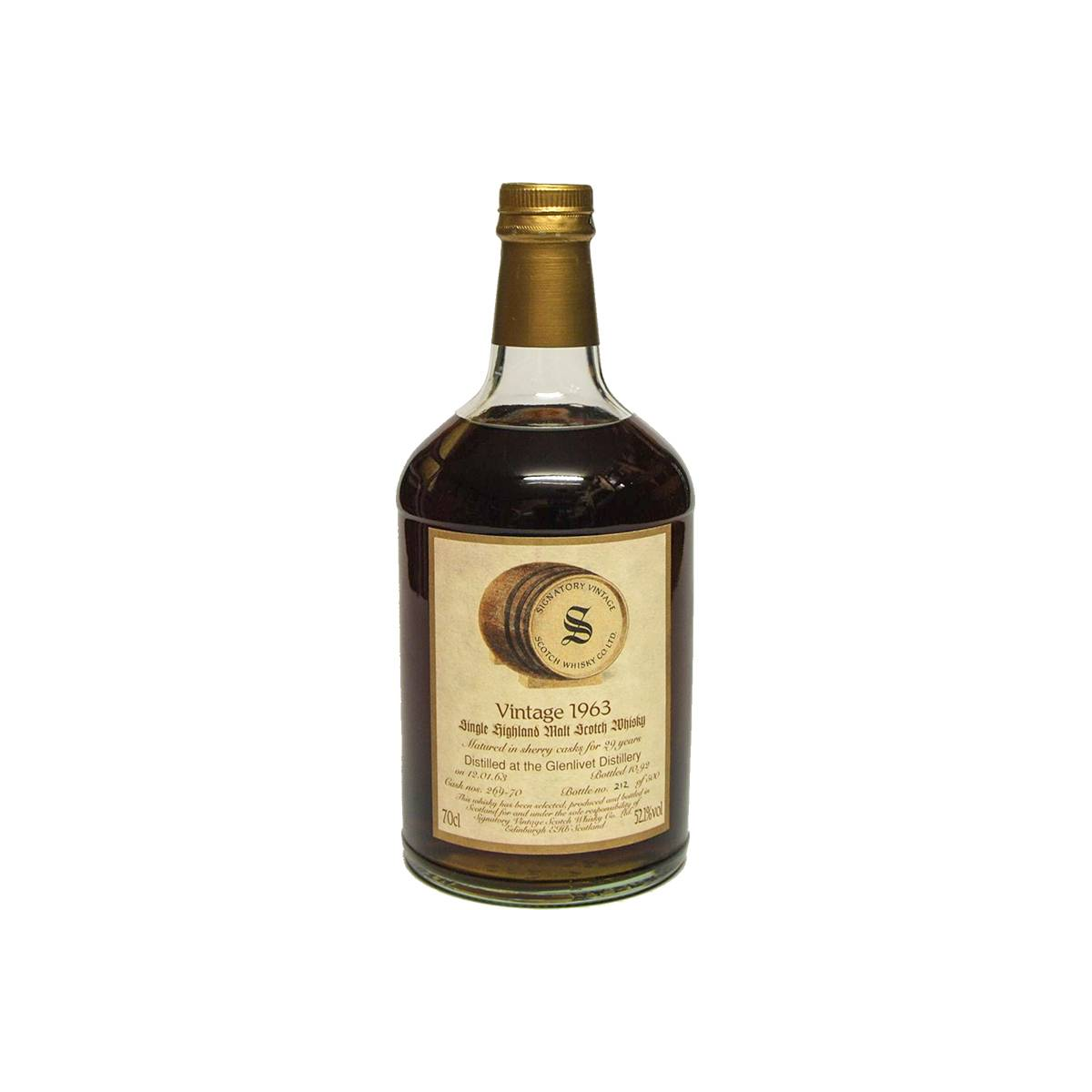
The Glenlivet Vintage Collection - Dumpy 1963 29 Years Single Malt Whisky
The Glenlivet
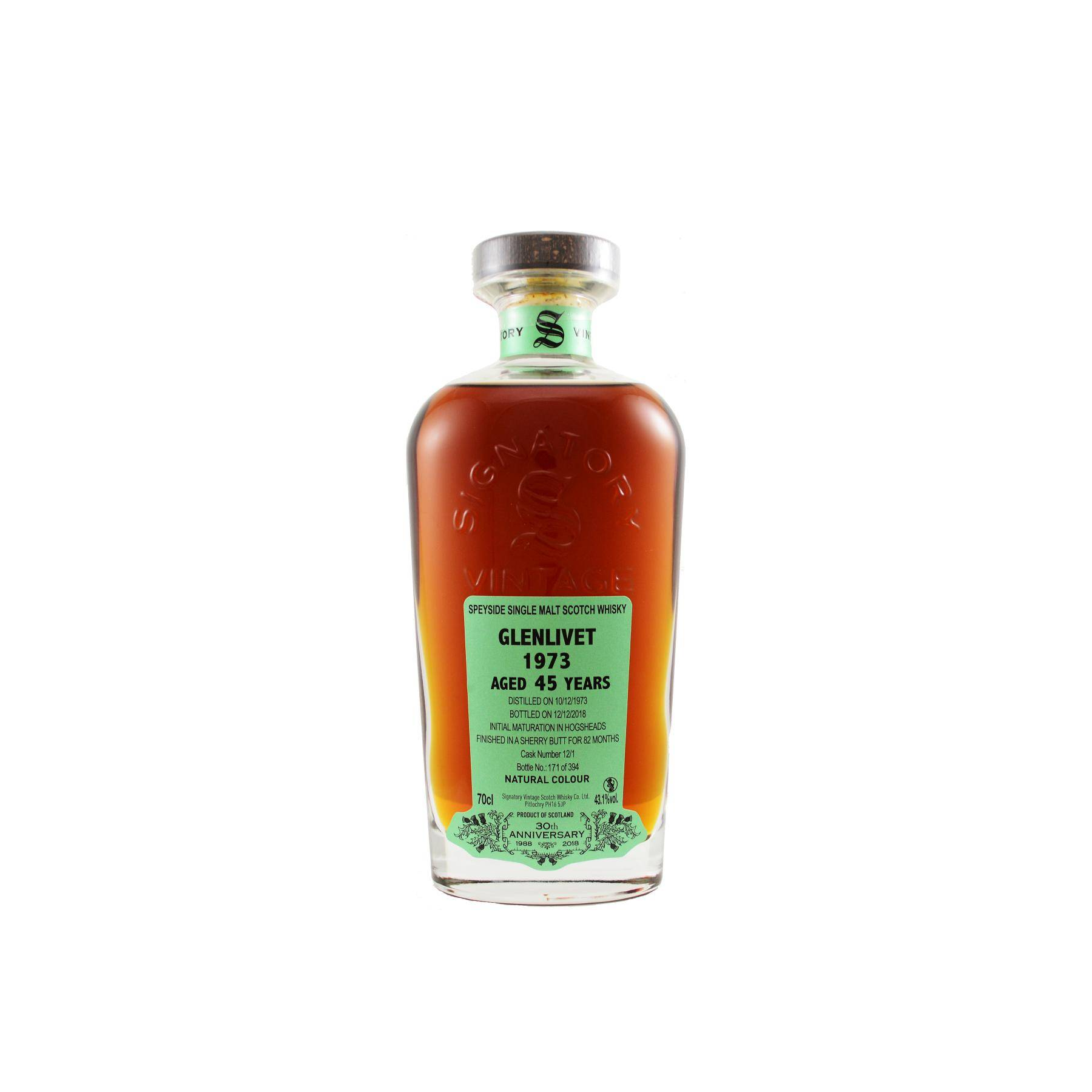
The Glenlivet 1973 45 Years Single Malt Whisky
The Glenlivet
The Glenlivet 1963 29 Years Single Malt Whisky
The Glenlivet
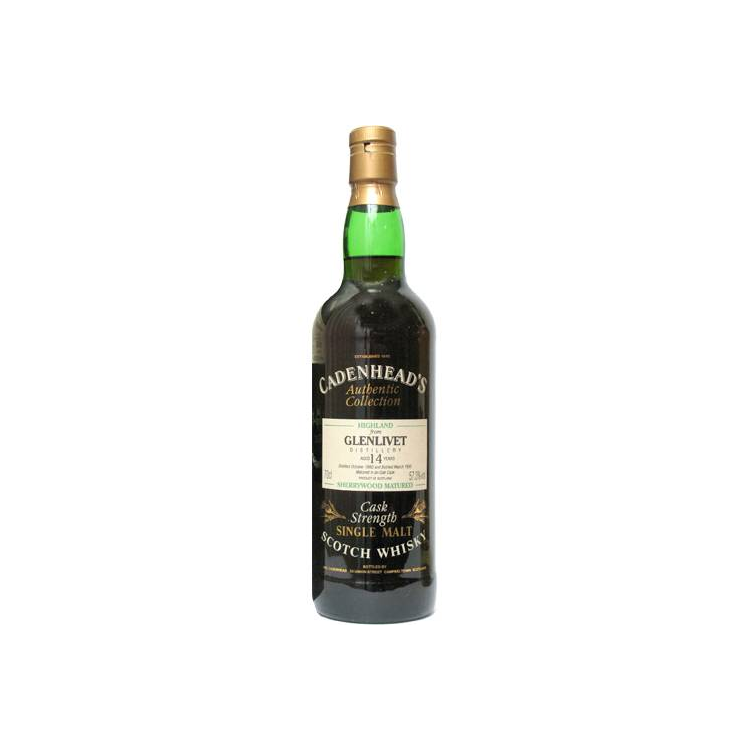
The Glenlivet Authentic Collection 1980 14 Years Single Malt Whisky
The Glenlivet
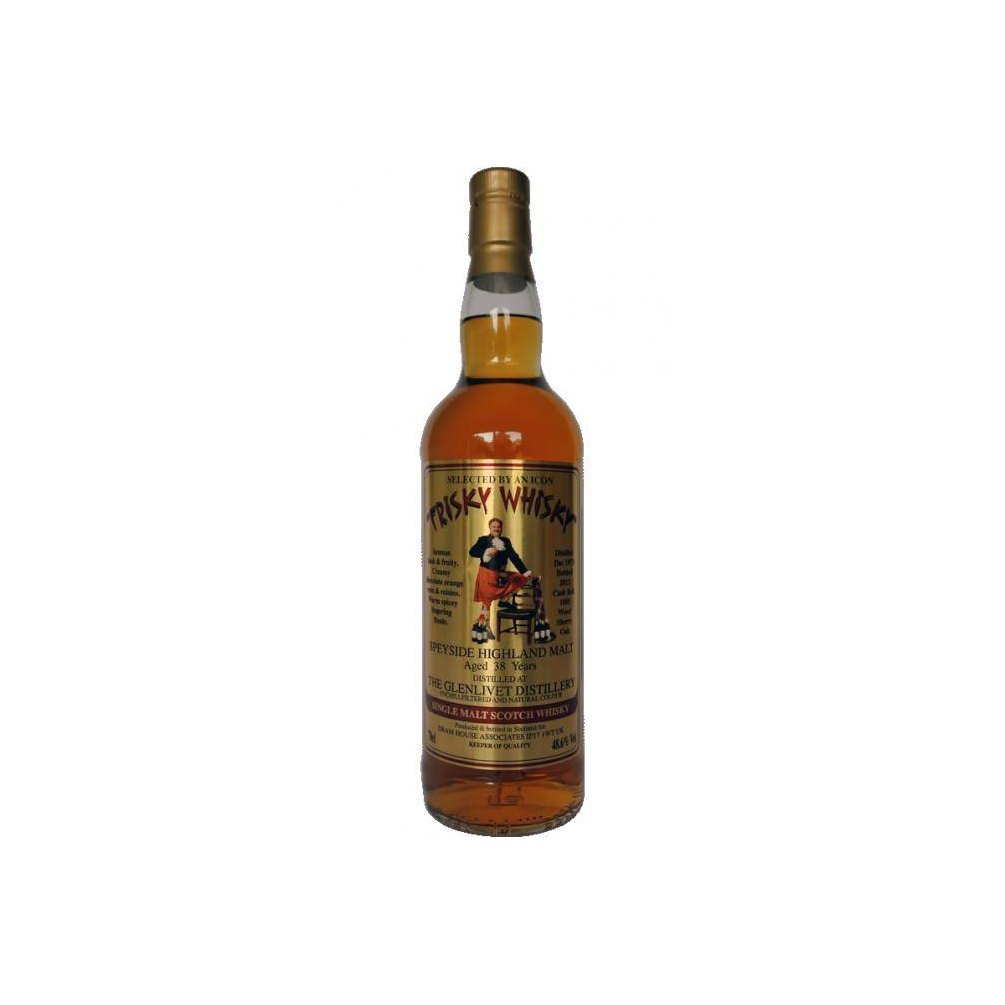
The Glenlivet 1973 38 Years Single Malt Whisky
The Glenlivet
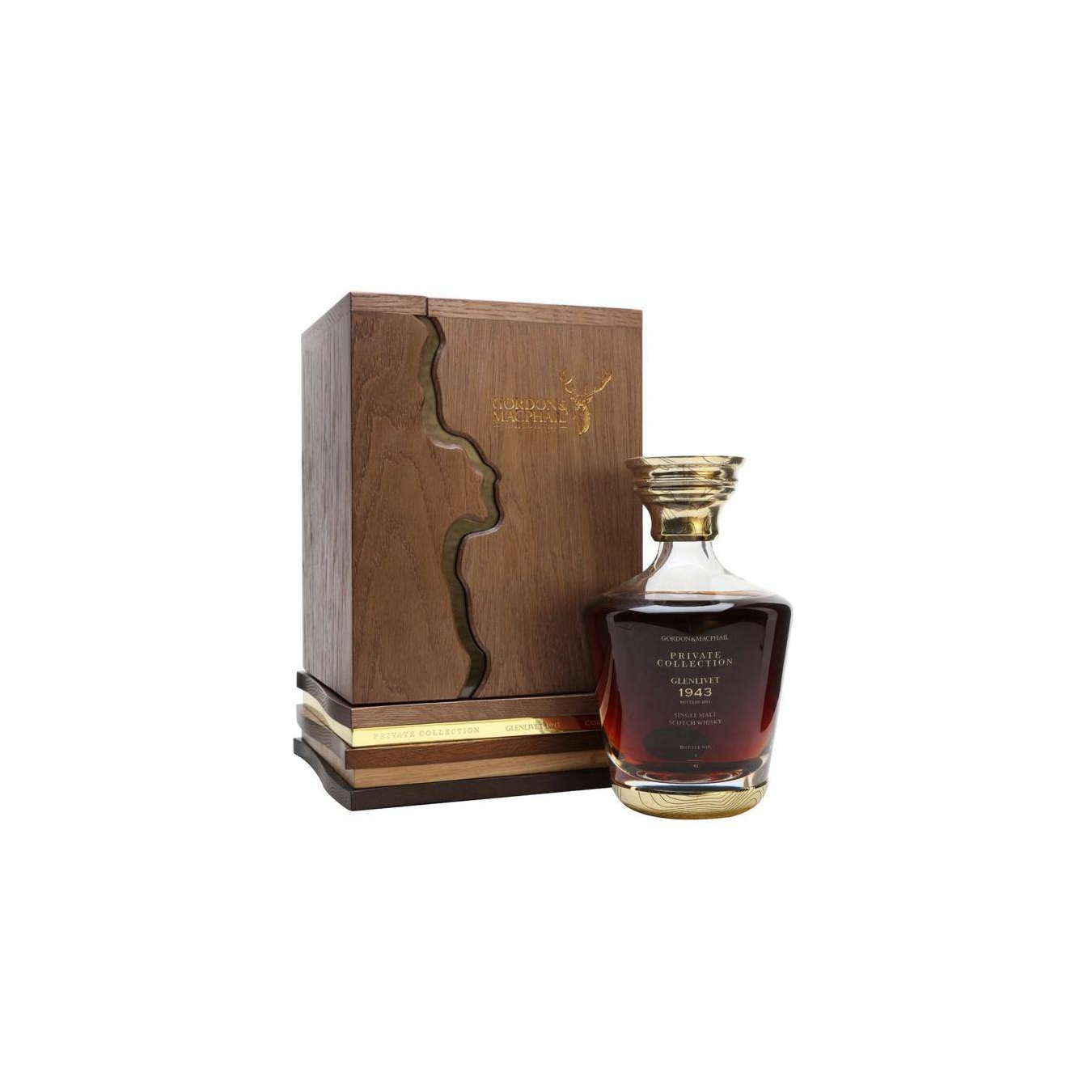
The Glenlivet 1943 70 Years Single Malt Whisky
The Glenlivet

The Glenlivet The Un-Chillfiltered Collection 1996 18 Years Single Malt Whisky
The Glenlivet
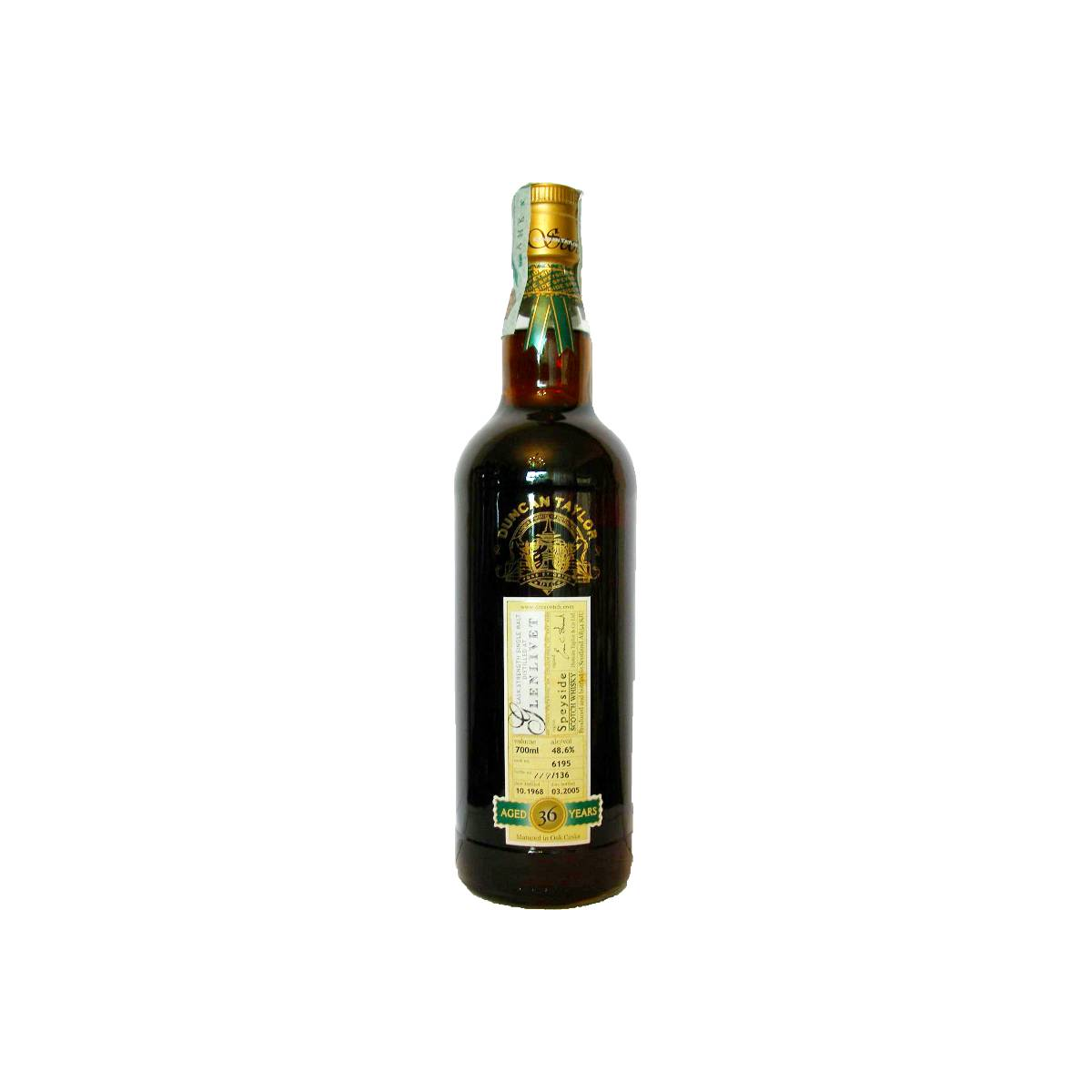
The Glenlivet Rare Auld 1968 36 Years Single Malt Whisky
The Glenlivet
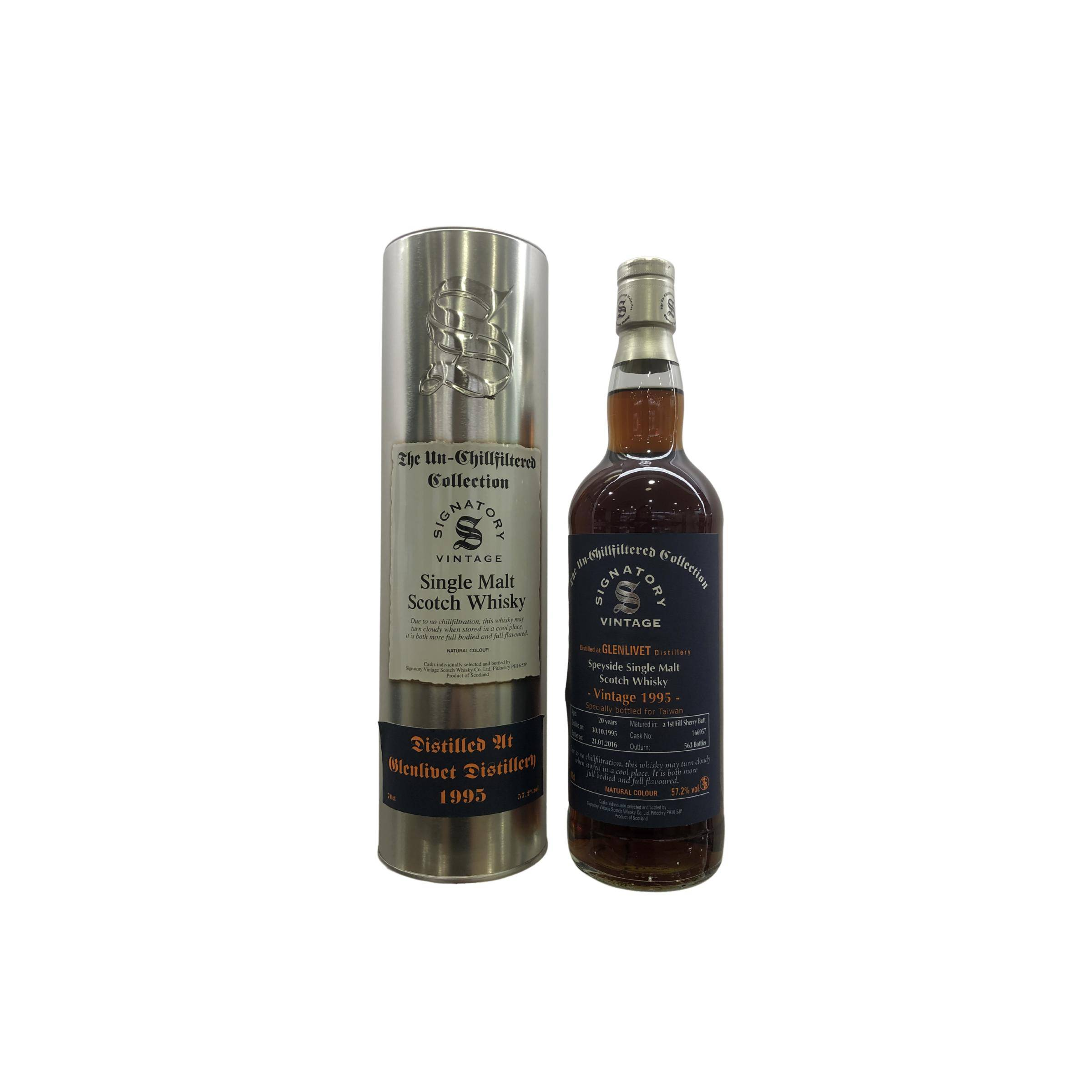
The Glenlivet The Un-Chillfiltered Collection 1995 20 Years Single Malt Whisky
The Glenlivet
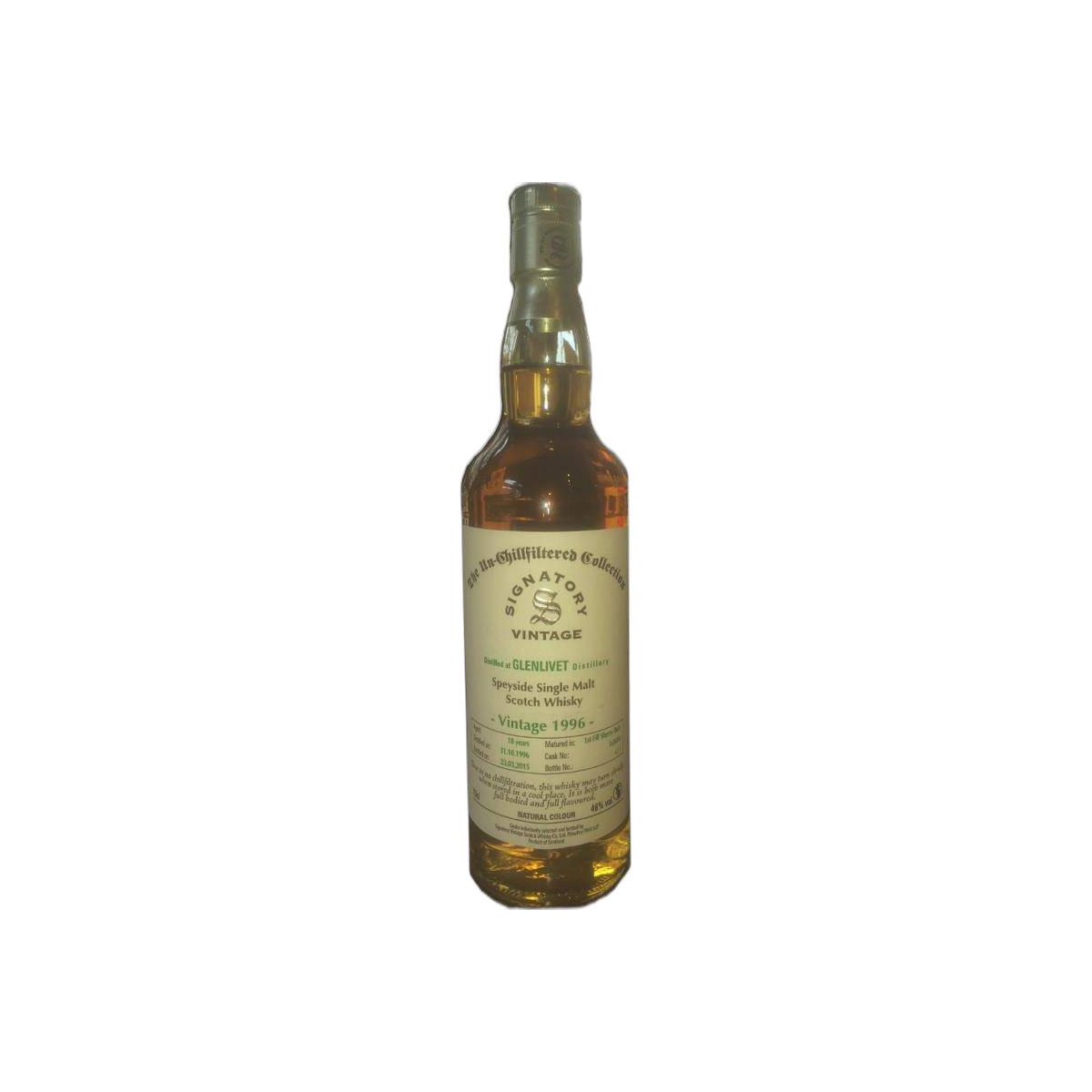
The Glenlivet The Un-Chillfiltered Collection 1996 18 Years Single Malt Whisky
The Glenlivet