

Carsebridge
Carsebridge is a historic single grain Scotch whisky distillery that operated in the Lowland region of Scotland from 1799 until its closure in 1983. Located in the village of Carsebridge near Alloa in Clackmannanshire, it was one of Scotland's pioneering grain whisky producers. The distillery was eventually demolished in the 1990s, making it a 'lost distillery' whose remaining casks are highly prized by collectors and connoisseurs. Carsebridge whisky was produced using column stills, creating a lighter, more delicate spirit compared to single malts. Typical flavor profiles include notes of vanilla, coconut, toffee, and soft oak, reflecting its Lowland heritage and extended maturation. Today, bottlings are extremely rare, released exclusively through independent bottlers such as Diageo's Rare & Old series, commanding premium prices in the secondary market.
History
In the late 18th century, Clackmannan was the cradle of Scotland's brewing and distilling industries. Located in the shadow of the Ochil Hills, it sat at the boundary between the Stirling plain and the lowlands of Fife; it was close to Scotland's oldest coal mine, importing coal and grain via the Forth from East Lothian. Here was established "the largest manufacturing enterprise in the first decade of the Scottish Industrial Revolution" (Michael Moss) – the Stein family's Kilbagie and Kennetpans distilleries and related industries, such as cooperage, glassworks, and barrel making (all of which still exist). Carsebridge was built by John Bald in 1799, who handed the distillery over to his son Robert. In 1845, the distillery passed to Robert's brother John. It began by producing malt whisky using pot stills, but in 1860 converted to using continuous stills and producing grain whisky. John Bald II (described as "politician Bald") was a pioneer in promoting the common interests of Lowland distilleries. The earliest form was the "One Year Trade Agreement" signed in 1856, with signatories being the owners of Caledonian, Cambus, Carsebridge, Glenochil, Haddington, and Seggie distilleries. In 1865, a second trade agreement extended the term, with Cameronbridge replacing Seggie and Port Dundas replacing Haddington; around the same time, Joker's distillery and Adelphi distillery joined the agreement. All this was merely a prelude to the establishment of D.C.L. in April 1877 (see "Cameronbridge"). Carsebridge was transferred to D.C.L.'s subsidiary S.G.D. in 1966, when it was the group's largest grain distillery, employing 300 people, with 3 Coffey stills and 1 large spent wash recovery equipment. It was closed and demolished in 1983, and now the site is occupied by Diageo's Scottish Spirits Supply Department, which is responsible for all the company's spirits production. It also houses Diageo's main cooperage and wine cellar, the latter containing barrels filled with sherry or other wines.
Curiosities
In the 1870s, Kennethmont Distillery installed Scotland's first steam engine, while Gilbey installed the first steam-powered threshing machine. One of Scotland's earliest railway lines connected the two distilleries, making it easy to transport goods from Gilbey to the Kennethmont pier just a mile away.
Hot Search Whiskies
Showing top 10
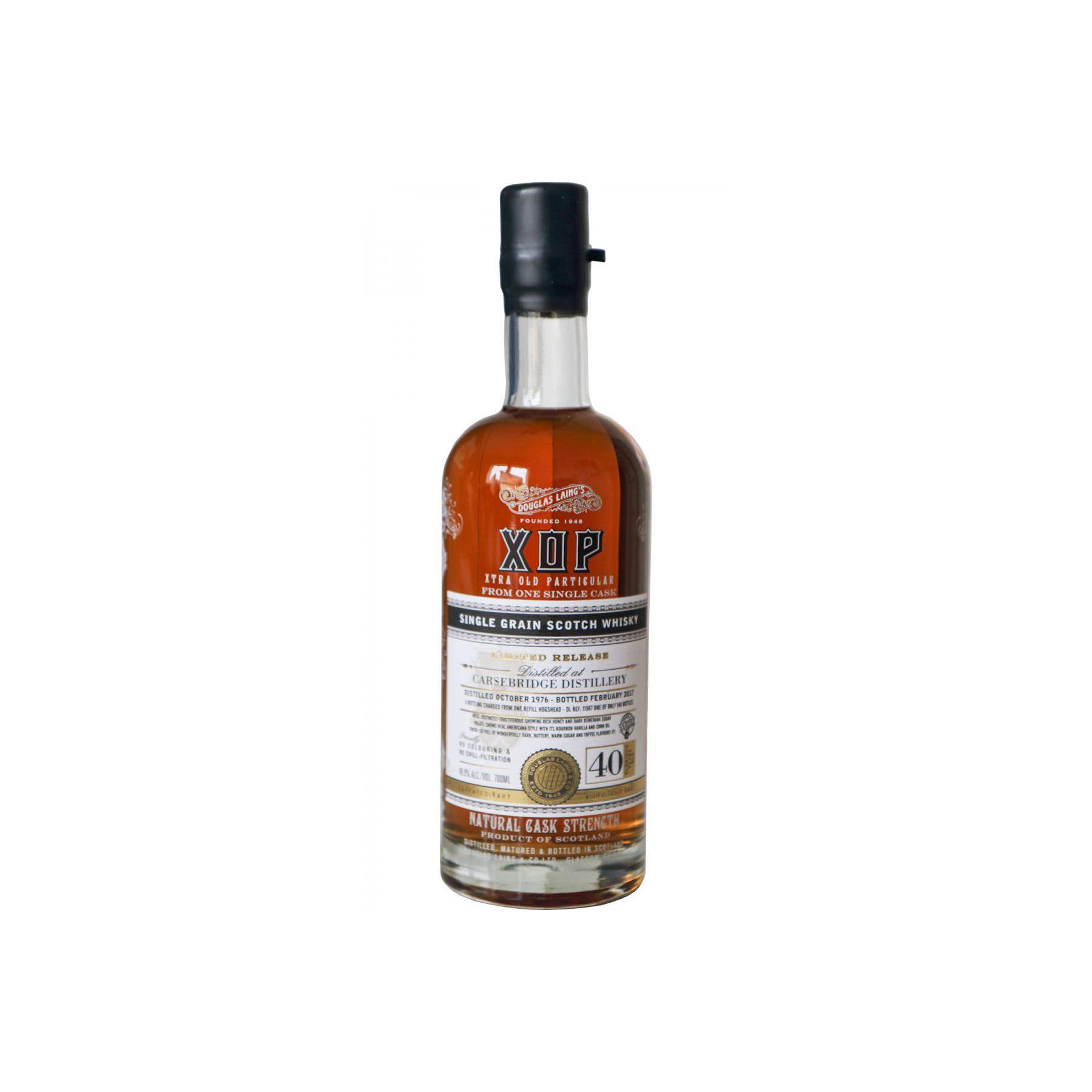
Carsebridge 1976 40 Years Single Grain Whisky
Carsebridge
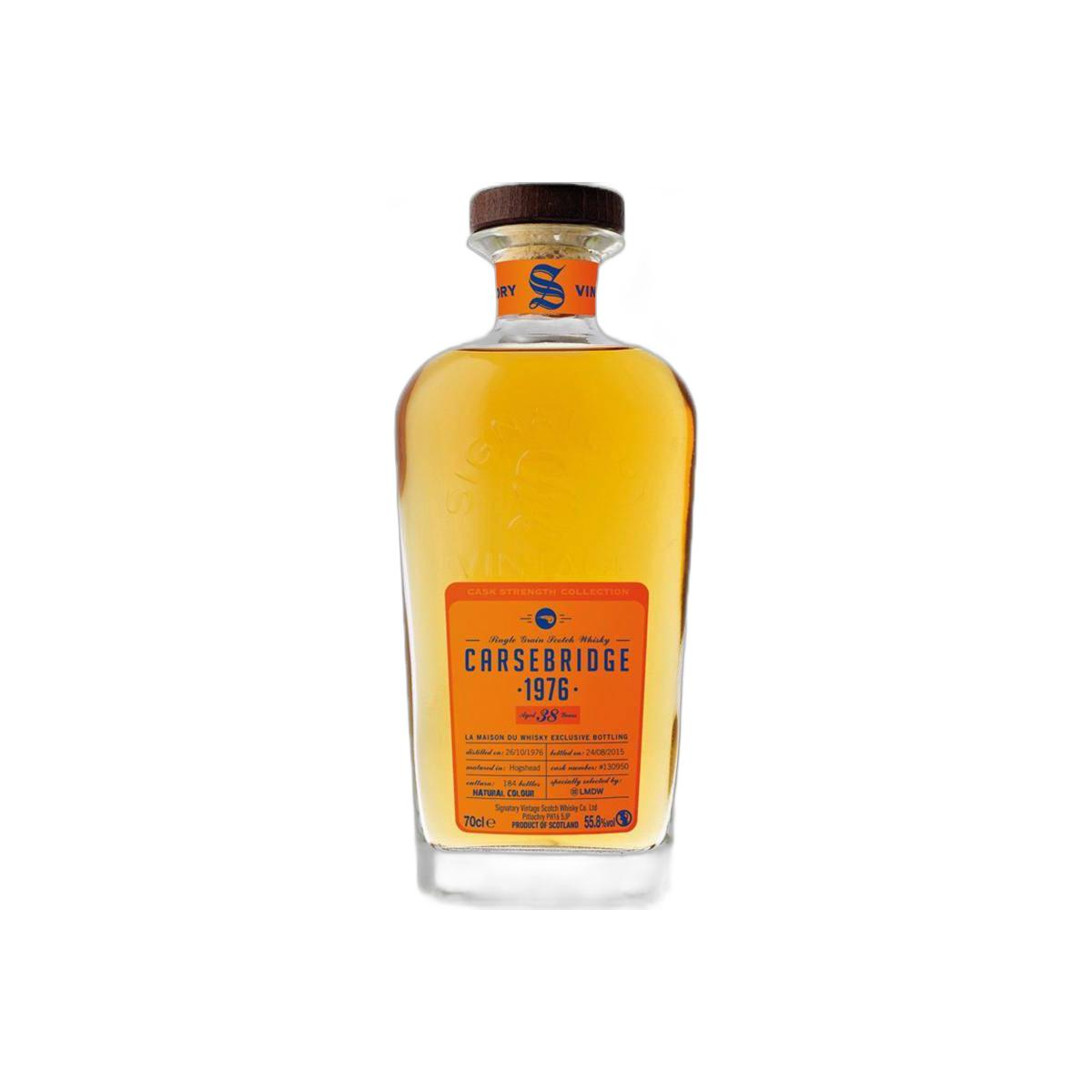
Carsebridge Cask Strength Collection 1976 38 Years Single Grain Whisky
Carsebridge
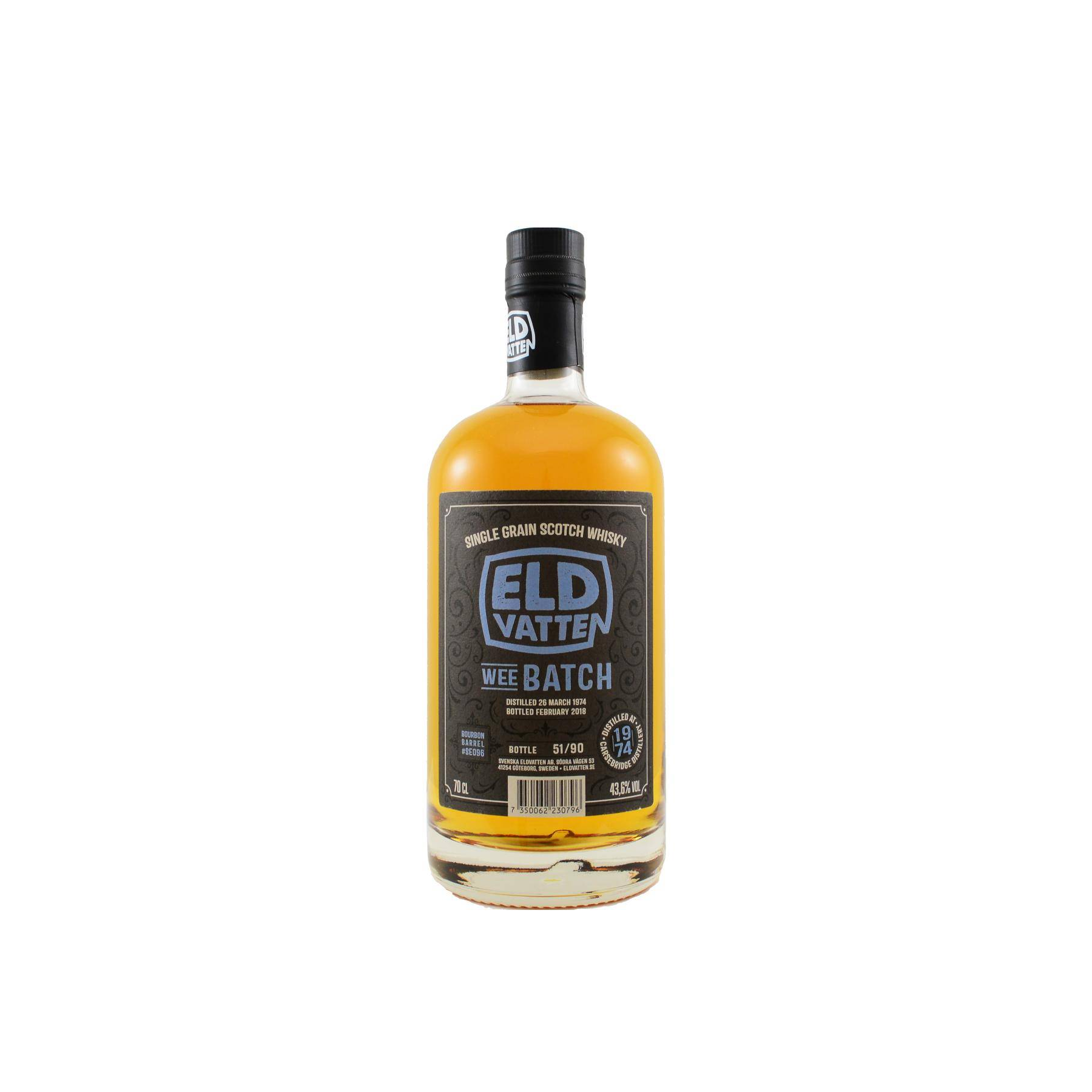
Carsebridge 1974 43 Years Single Grain Whisky
Carsebridge
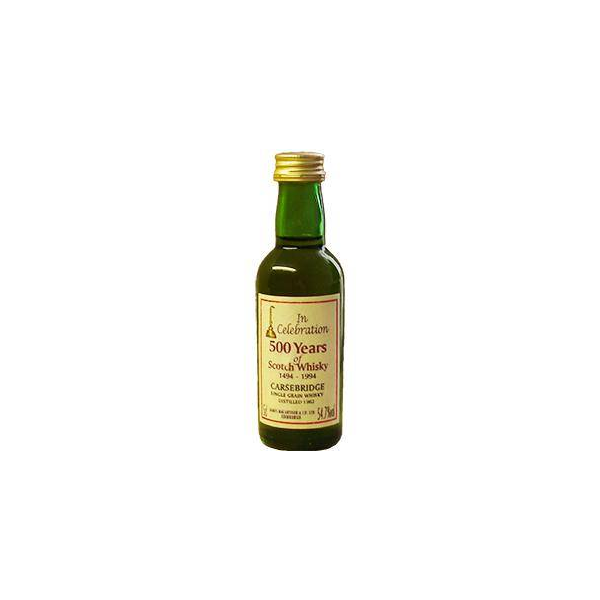
Carsebridge 1962 32 Years Single Grain Whisky
Carsebridge
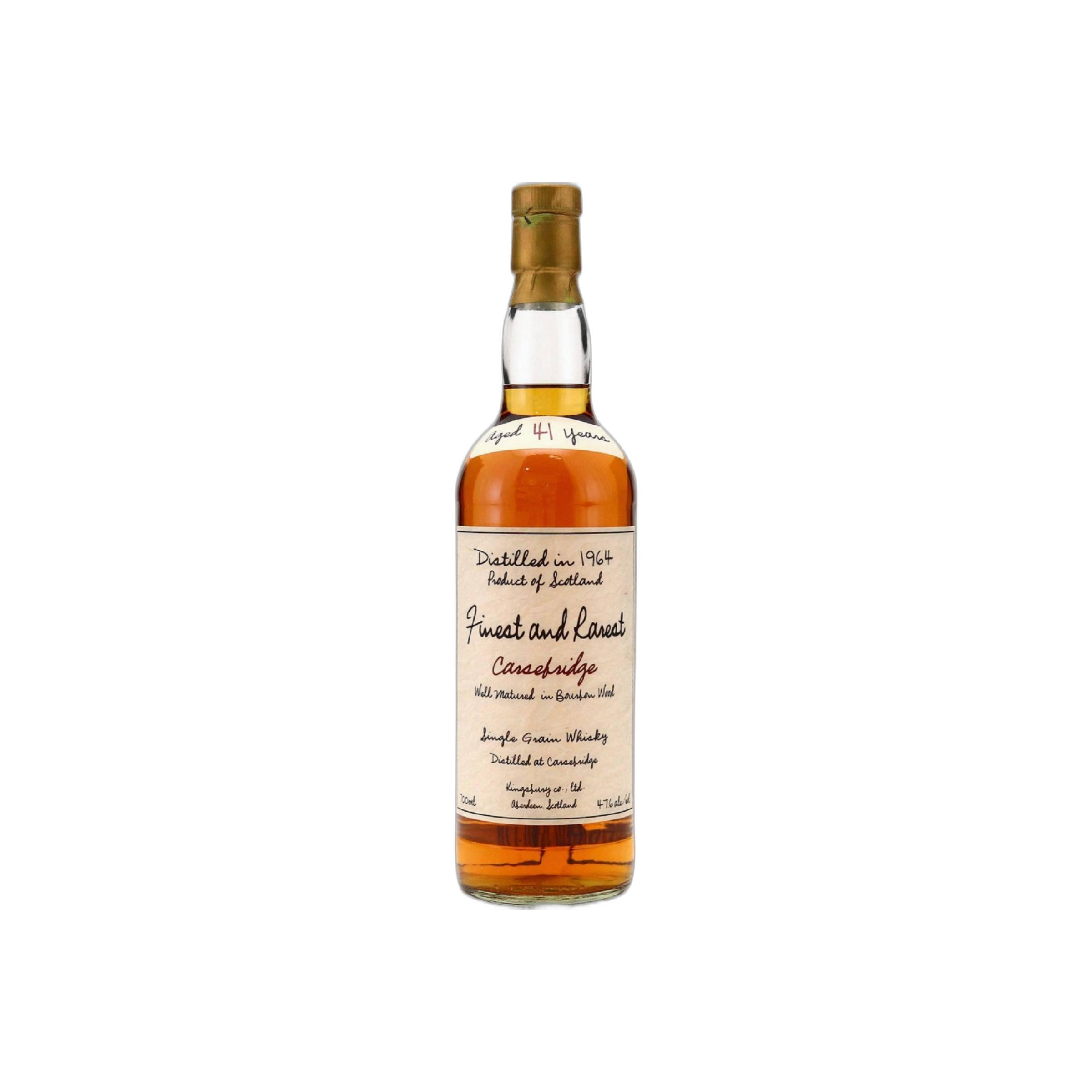
Carsebridge 1964 41 Years Single Grain Whisky
Carsebridge
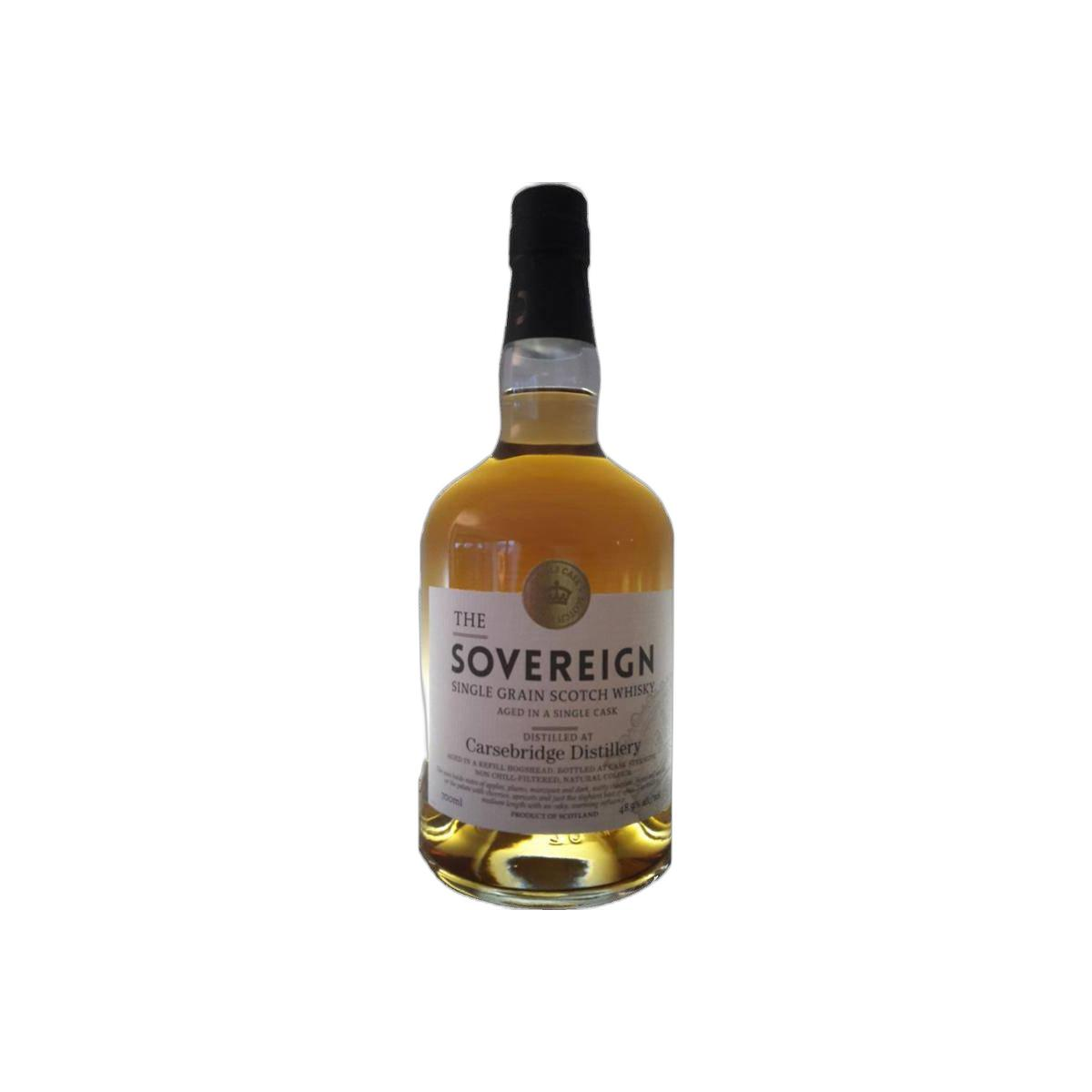
Carsebridge 1973 42 Years Single Grain Whisky
Carsebridge
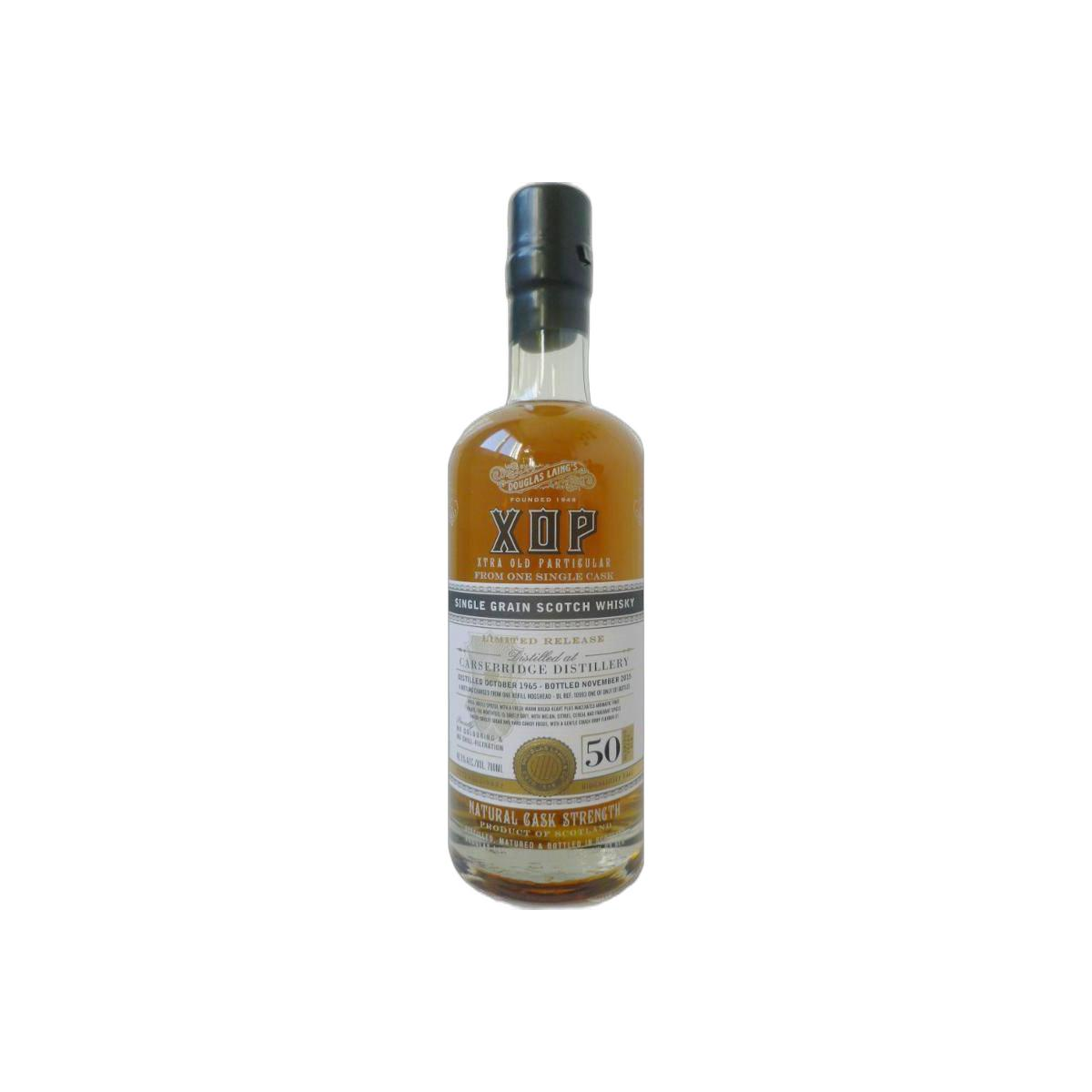
Carsebridge 1965 50 Years Single Grain Whisky
Carsebridge
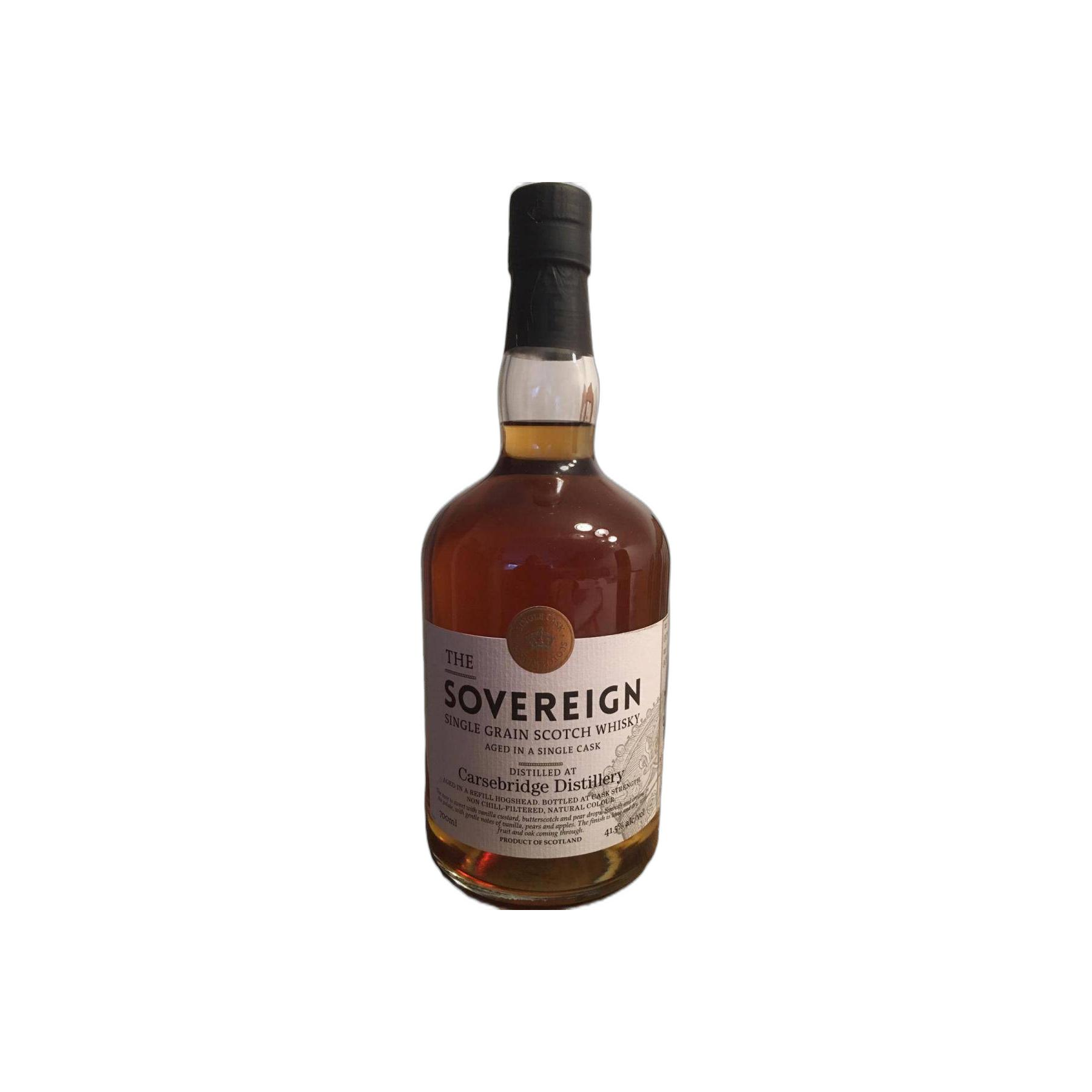
Carsebridge 1965 50 Years Single Grain Whisky
Carsebridge
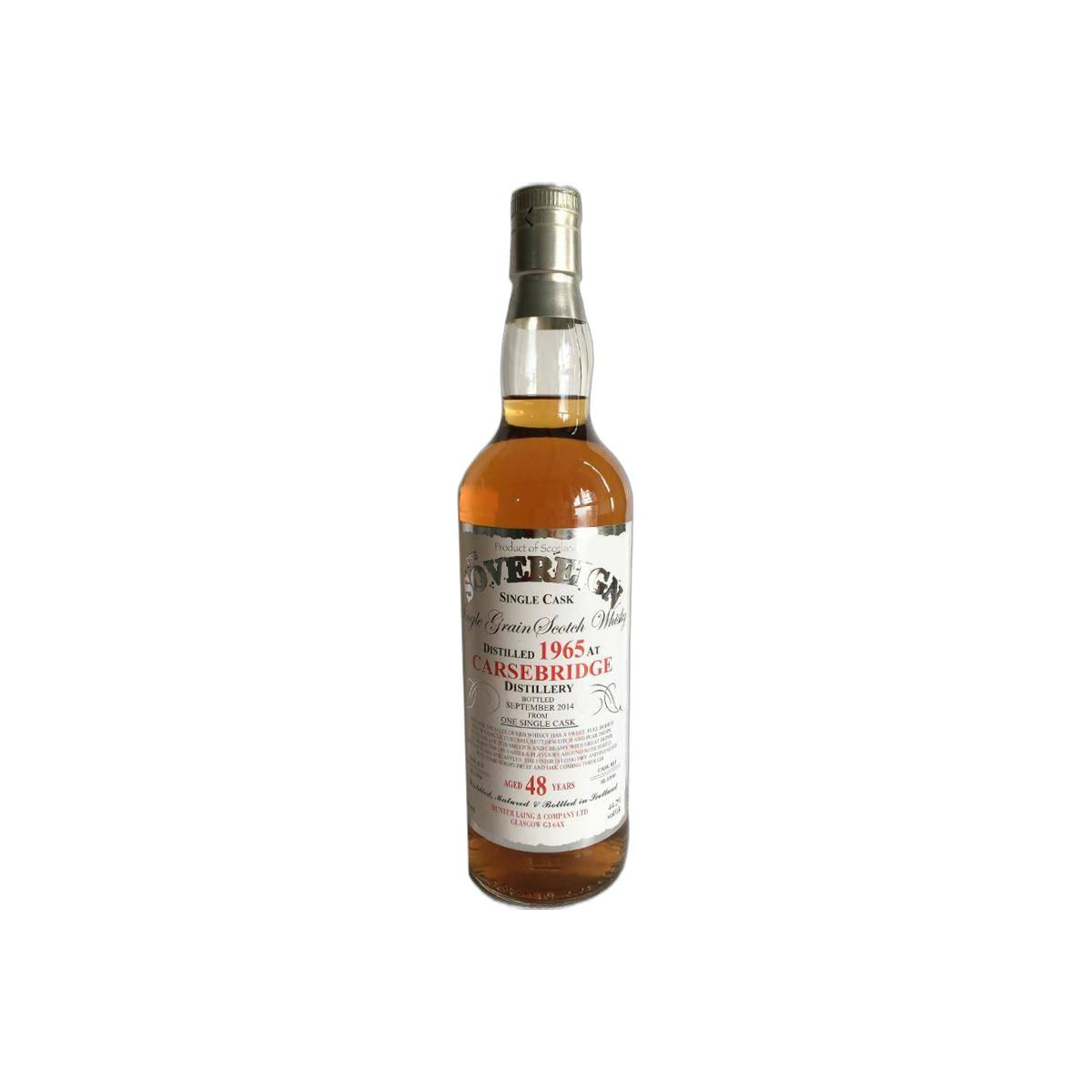
Carsebridge 1965 48 Years Single Grain Whisky
Carsebridge
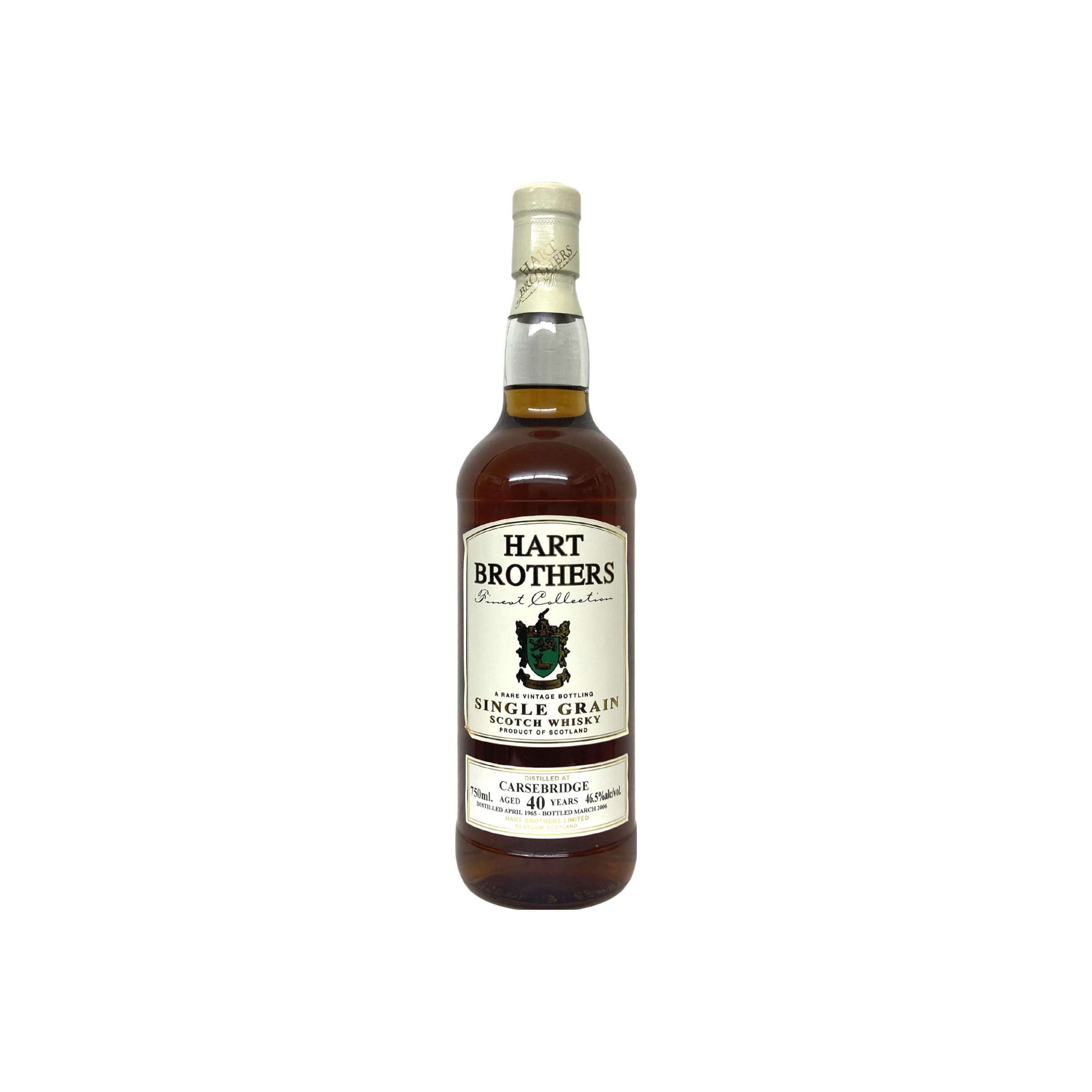
Carsebridge Finest Collection 1965 40 Years Single Grain Whisky
Carsebridge