
Singleton is one of the most successful Scotch whisky brands in recent years. Its spirit is sourced from three distilleries—Glen Ord, Dufftown, and Glendullan—with annual sales exceeding 6 million bottles. Since Singleton launched its first whisky in 2004, one person has played a pivotal role: Maureen Robinson. In 1986, Robinson became Master Blender, and she has now worked at Diageo for 42 years. She has been instrumental in creating many iconic whiskies, including Talisker, Lagavulin, The Classic Malts, and several renowned blended whiskies. She has also crafted many exceptional expressions for the Special Releases series. However, almost no other whisky brand's sales can match Singleton's. Glen Ord is the highest-volume distillery among Singleton's three distilleries. Diageo's goal is for Singleton to become a brand with annual sales reaching 1 million cases (12 million bottles) in the near future. Currently, only three Scotch whisky brands have achieved this milestone—Glenfiddich, Glenlivet, and Macallan. Since 2011, Glen Ord distillery has undergone several phases of expansion. The most recent expansion in 2015 increased the distillery's capacity to 11 million liters per year. The distillery's equipment includes two 12.5-ton stainless steel mash tuns, 22 wooden washbacks (with a fermentation time of 75 hours), and no fewer than 14 stills. The distillery also features a drum maltings plant that provides malt for Diageo's distilleries. The core range includes Singleton of Glen Ord 12, 15, and 18 Years Old. The sub-series Singleton Reserve Collection is a travel retail exclusive, comprising Signature, Trinite, Liberte, and Artisan. In 2017, Glen Ord and Glendullan jointly launched The Forgotten Drops series, featuring historically long-aged and limited edition whiskies. The first release in the series was a 41-year-old Glen Ord, which was the oldest whisky ever released by the distillery at that time. In autumn 2018, Glen Ord added a 42-year-old whisky matured in amontillado sherry casks to the series. In 2019, Diageo specially released an 18-year-old Glen Ord under the Special Releases series.
History
Like many other distilleries, Glen Ord in Ross-shire was built on land that once belonged to illicit distillers (with over 40 illegal stills at the time). It is known for whisky production near Findhorn and the Black Isle. The museum displays several illegal stills recovered from nearby lochs. In addition to these illicit distillers, the area had nine licensed distilleries, one operated by a local farmers' cooperative. The New Statistical Account (1840) noted that "the distilling of spirits is the only manufacturing establishment in the district." Glen Ord Distillery was founded in 1838 by landowner Thomas Mackenzie, licensed to Robert Johnstone and Donald McLennan. Johnstone went bankrupt in 1843, and his successor Alexander McLennan suffered the same fate. In 1870, when Alexander McLennan died, the distillery passed to his widow, who prudently married banker Alexander Mackenzie. In 1878, Alexander built a new still house, which burned down the same year, so he rebuilt another. After his death in 1896, ownership transferred to James Watson & Company of Dundee. In 1901, the new owners expanded the distillery and doubled production. The last Watson family member, John Japp, died in 1923, after which Glen Ord was sold to John Dewar & Sons, transferred to D.C.L. in 1925, and placed under S.M.D. management in 1930. Floor malting ceased in 1961, replaced by Saladin boxes. In 1968, the distillery built a large drum malting machine nearby. In 1966, the distillery was rebuilt and expanded in the brand-new "Coffey Street" style (see Caol Ila, Glendullan, etc.) planned by S.M.D. chief engineer Dr. Charlie Begg. The visitor center opened in 1988 and now receives about 20,000 visitors annually. Between 2010-2011, the distillery installed a new mash tun and added 2 fermentation tanks. Between 2014-2015, Diageo invested £25 million to double Glen Ord's capacity. The distillery installed 8 new stills in the building where Saladin boxes were originally placed, and 12 wooden washbacks in the former kiln and malt storage room. Current capacity reaches 11 million liters of pure alcohol, making Glen Ord one of Scotland's five largest malt whisky distilleries.
Curiosities
Glen Ord distillery itself possessed substantial malting facilities (Saladin box from 1961 to 1983, with 18 drum maltings added in 1968), meeting its own needs while supplying malt to seven other S.M.D-owned distilleries in northern Scotland. Over the years, the distillery's whisky has been bottled under names including Glenordie, Ord, Glen Oran, Ordie, and Muir of Ord. In 1949, the distillery still used an oil lamp lighting system, with a water wheel as its main power source (until 1961). Ord was S.M.D.'s "main testing ground" for experimenting with still heating methods. Before 1958, all four stills used direct coal firing. In 1958, two stills were converted to direct oil firing, and in 1962 they were modified to indirect steam heating. The distillery always conducted consistency checks on the distillate. In 1966, the plant modified two direct-fired stills while adding two new stills. Hot water from the condensers was fed into the malting equipment, so the condensers always operated in a hot state, with cooling accomplished through horizontally installed "after-coolers." In 2006, The Singleton of Glen Ord was launched in the Asian market. By 2013, this whisky achieved annual sales exceeding 2 million bottles, ranking it among the world's top ten best-selling single malts (calculated together with The Singleton of Dufftown and The Singleton of Glendullan, currently ranking fourth).
Timeline
Thomas Mackenzie founded the distillery.
Alexander MacLennan and Thomas McGregor acquired the distillery.
Alexander MacLennan passed away, his widow took over the distillery.
Alexander Mackenzie leased the distillery.
Alexander Mackenzie built a new stillhouse, but before production could begin, a sudden fire destroyed it.
Alexander Mackenzie passed away, James Watson & Co. acquired the distillery.
The distillery was sold to John Dewar & Sons. The name was changed to Glen Ord.
Saladin boxes were installed at the distillery.
The number of stills increased from 2 to 6.
A drum maltings plant was built.
Saladin box malting was discontinued.
The visitor center opened for business.
A 12-year-old whisky was launched.
A 28-year-old cask strength whisky was launched.
A 25-year-old whisky was launched.
Diageo launched a 30-year-old whisky under the Special Release series.
The Singleton of Glen Ord 12-year-old was launched.
The Singleton of Glen Ord 15-year-old was launched in Taiwan.
2 more washbacks were installed, increasing capacity by 25%.
The Singleton of Glen Ord cask strength was launched.
The Singleton of Glen Ord Signature, Trinite, Liberte and Artisan were launched.
Master's Casks 40-year-old was launched.
A 41-year-old whisky was launched in Asia.
Diageo launched a 14-year-old triple matured whisky under the Special Releases series.
Diageo launched an 18-year-old whisky under the Special Releases series.
Hot Search Whiskies
Showing top 10
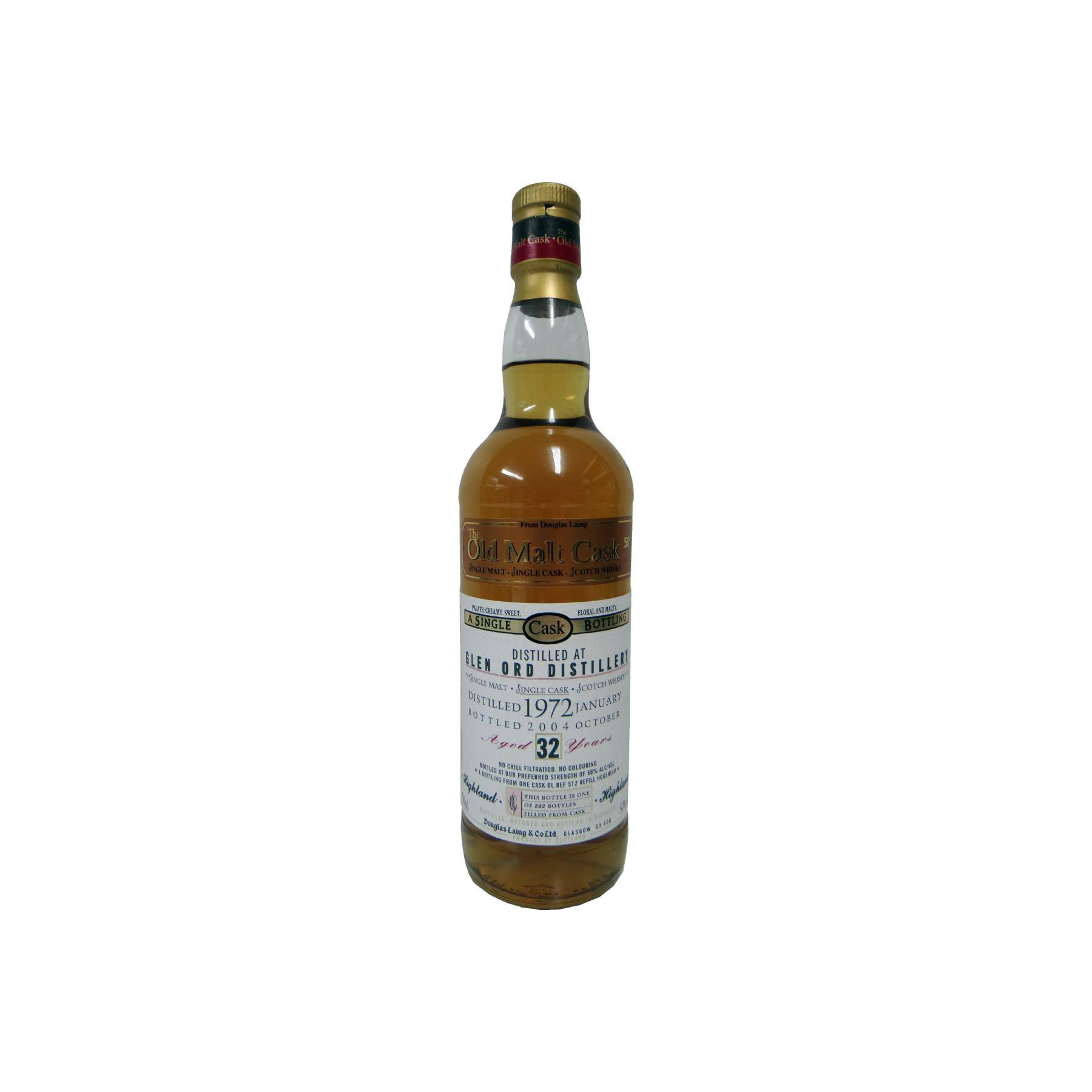
Glen Ord Old Malt Cask 1972 32 Years Single Malt Whisky
Glen Ord
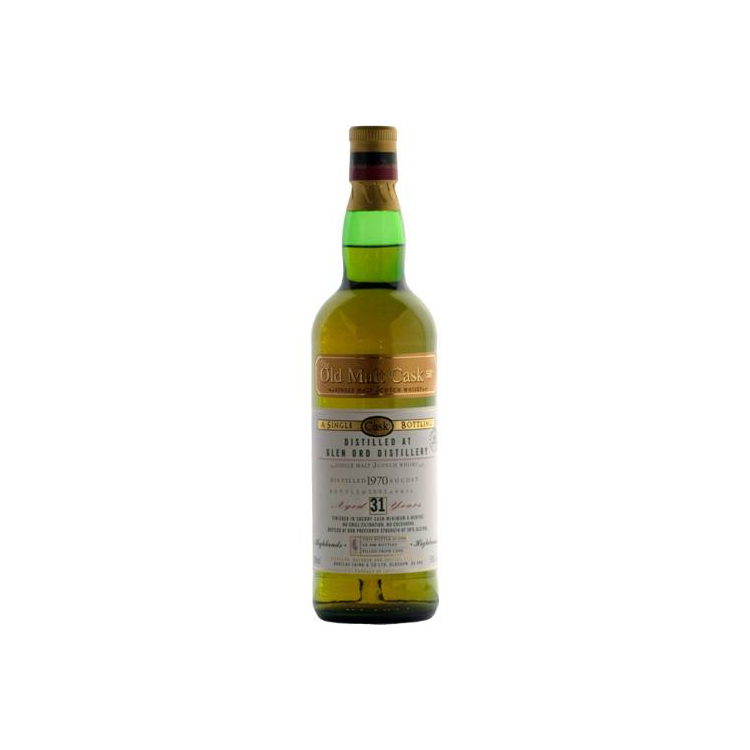
Glen Ord Old Malt Cask 1970 31 Years Single Malt Whisky
Glen Ord
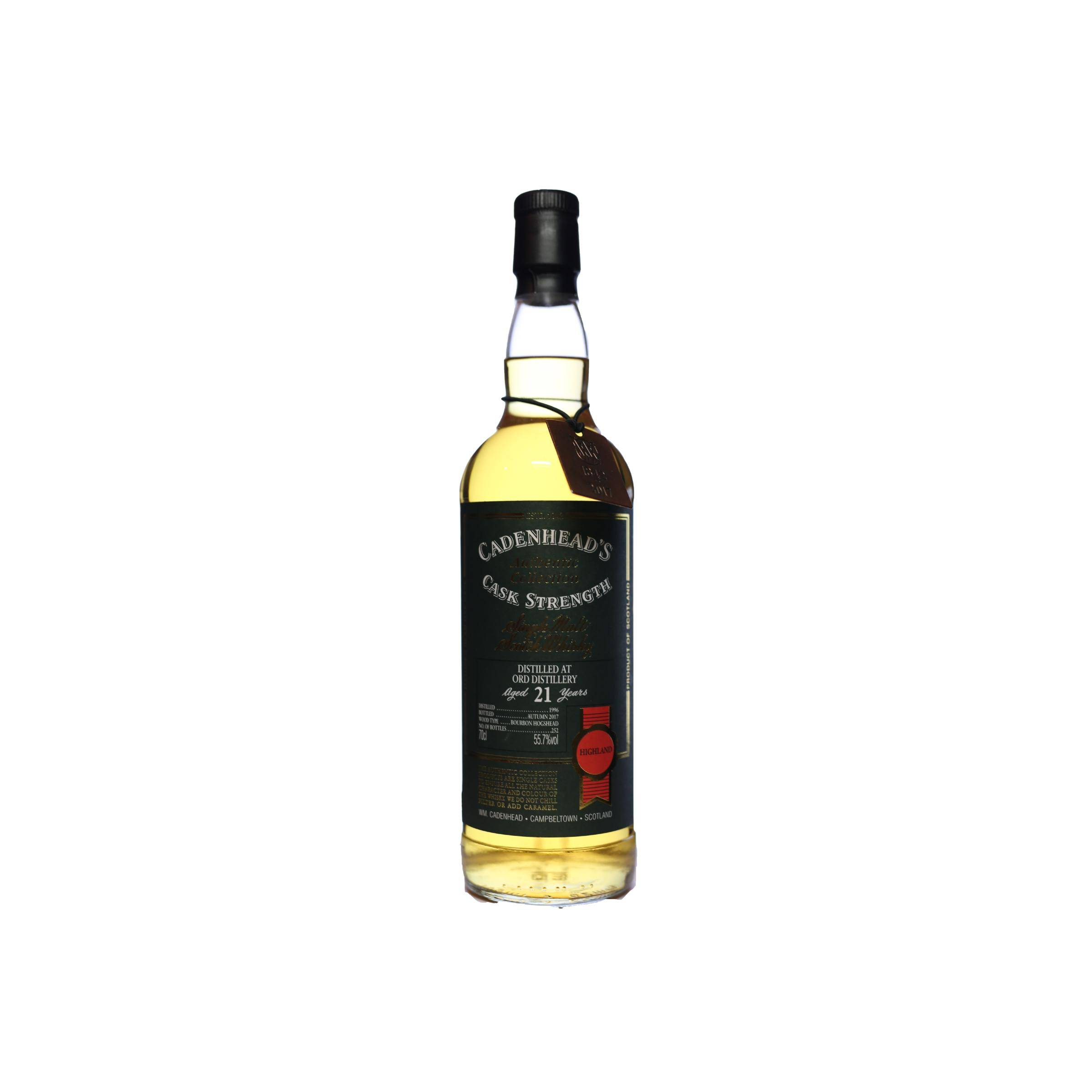
Glen Ord Authentic Collection 1996 21 Years Single Malt Whisky
Glen Ord
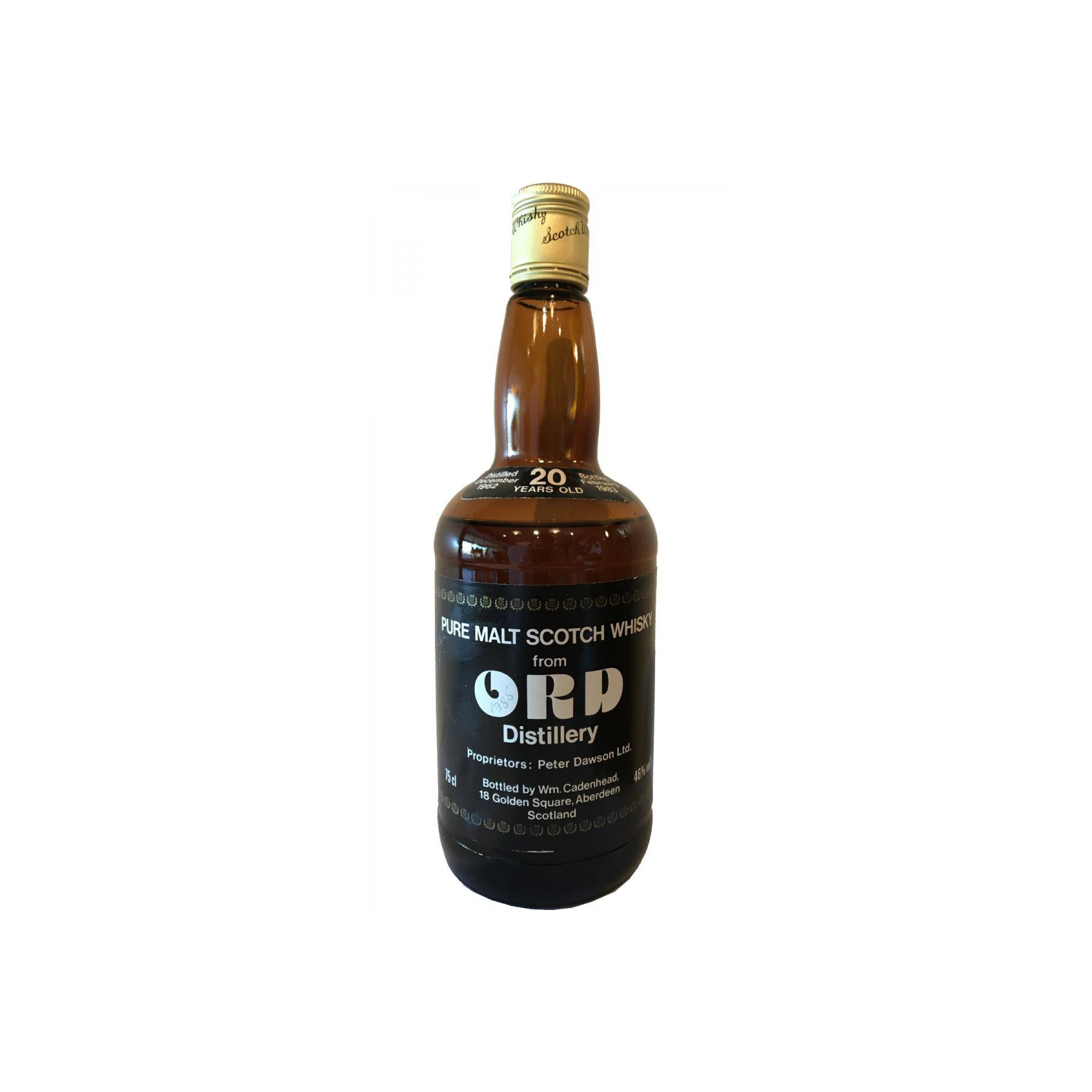
Glen Ord 1962 20 Years Single Malt Whisky
Glen Ord
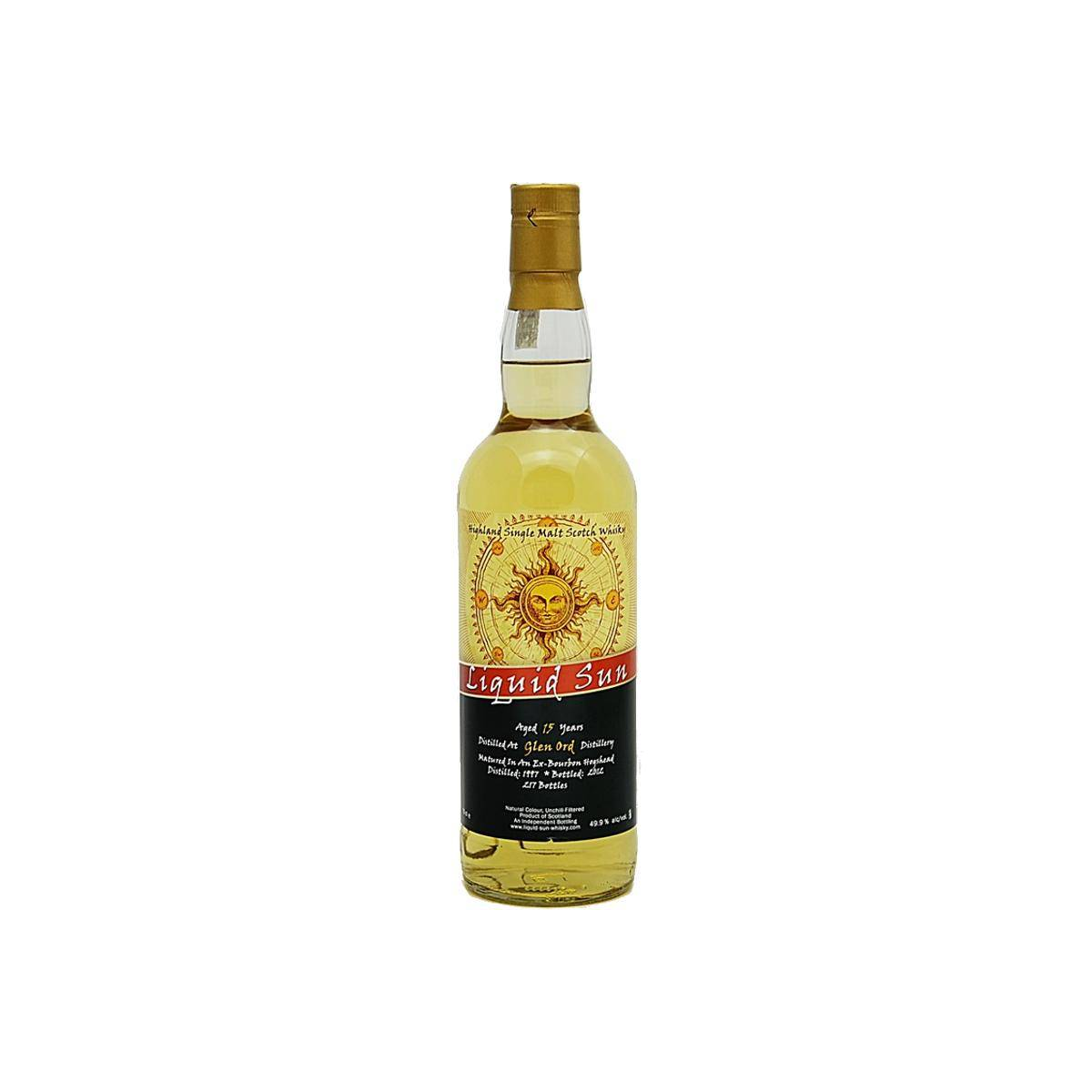
Glen Ord 1997 15 Years Single Malt Whisky
Glen Ord
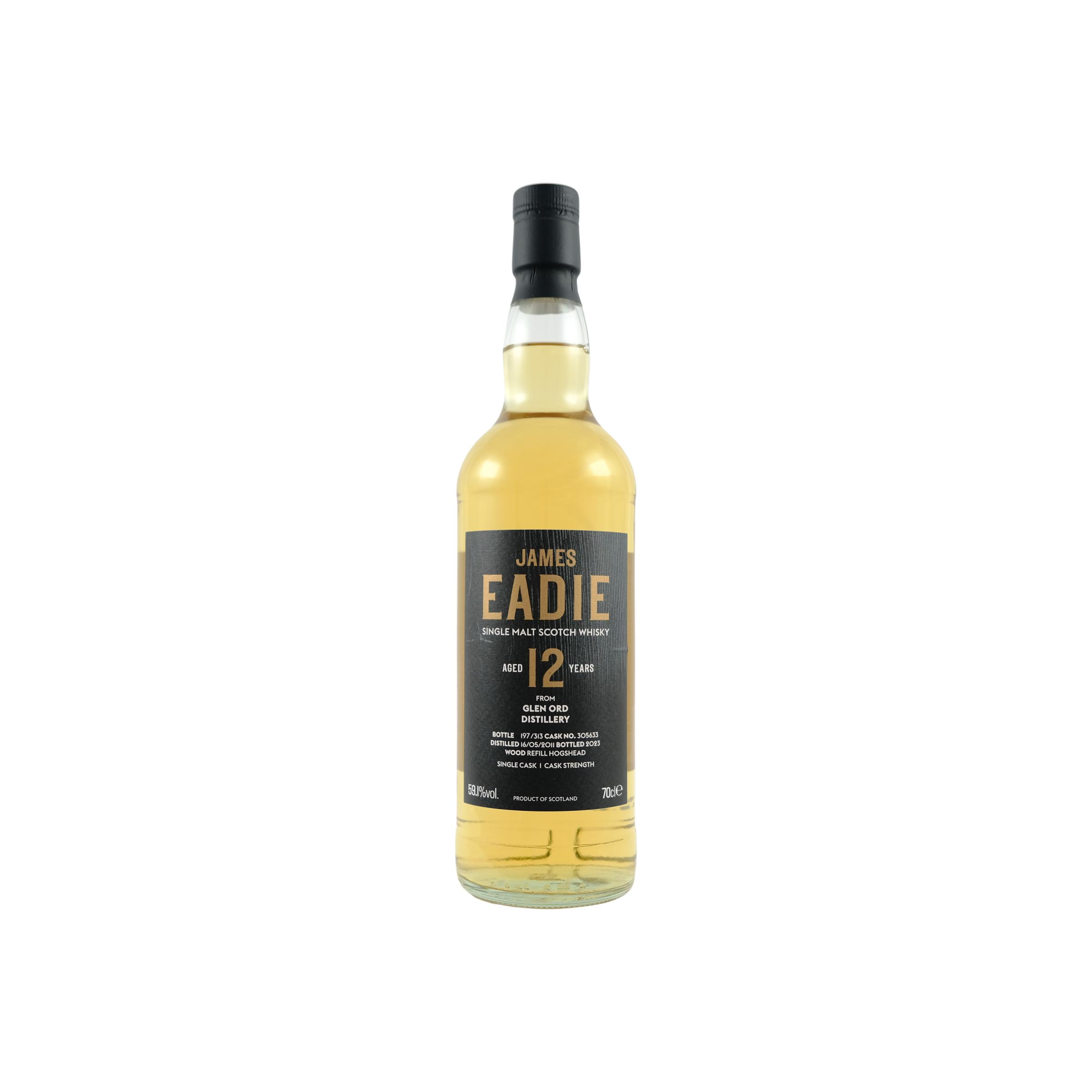
Glen Ord 2011 12 Years Single Malt Whisky
Glen Ord
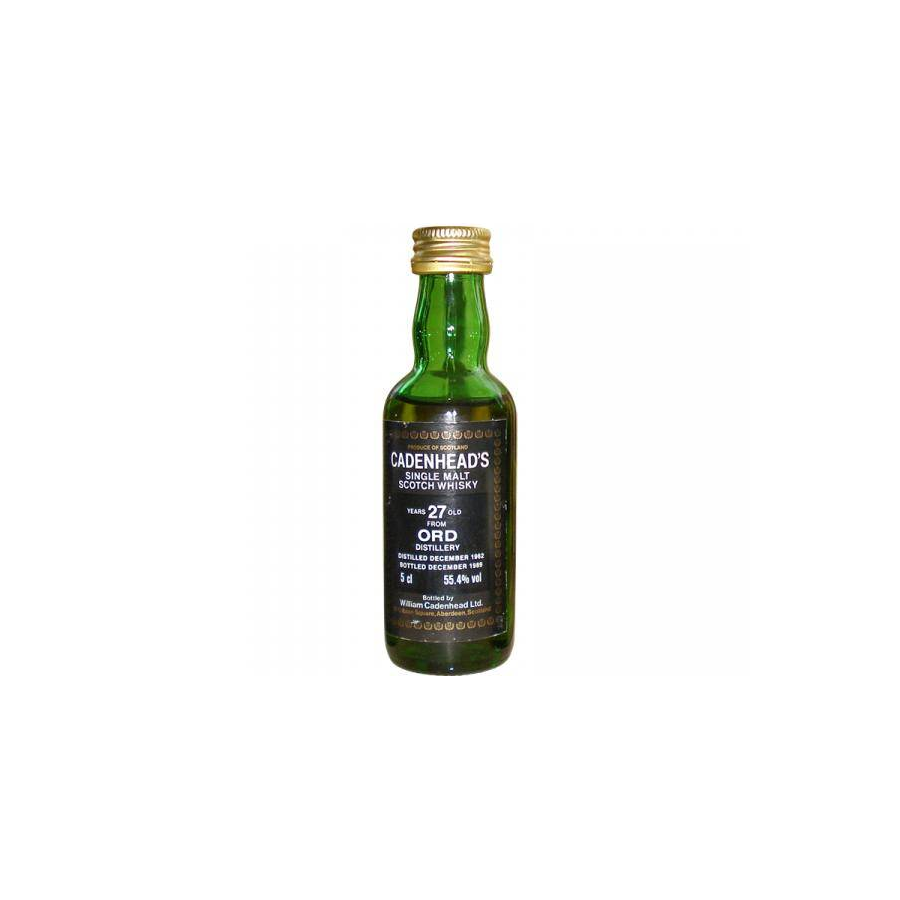
Glen Ord 1962 27 Years Single Malt Whisky
Glen Ord
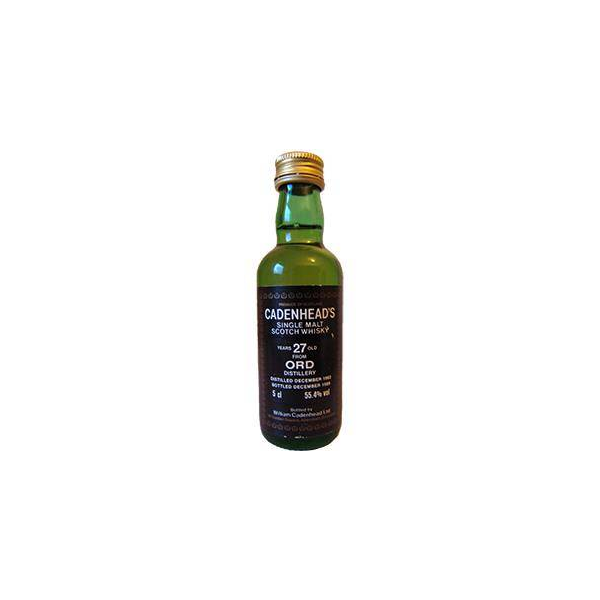
Glen Ord 1962 27 Years Single Malt Whisky
Glen Ord
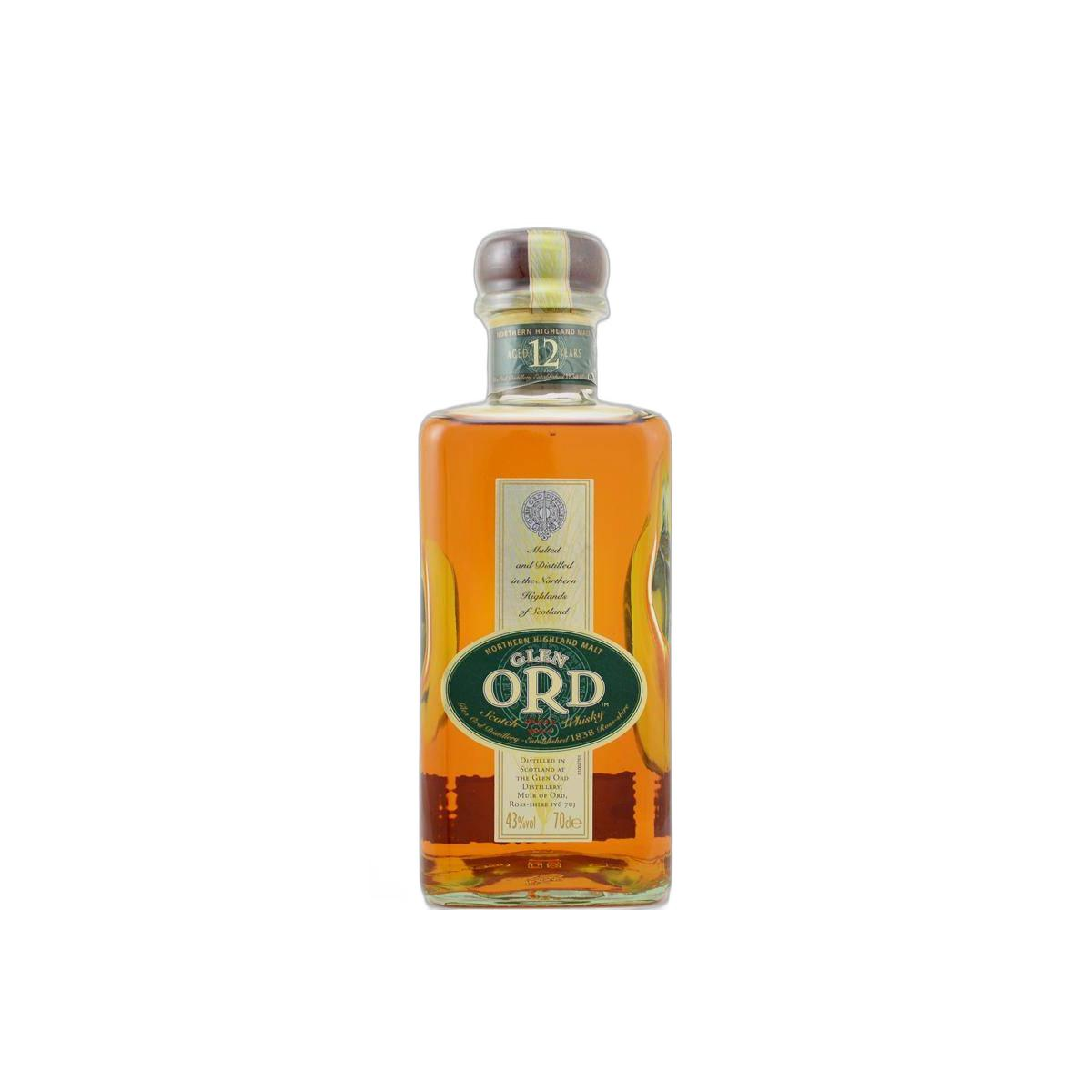
Glen Ord 12 Years Single Malt Whisky
Glen Ord
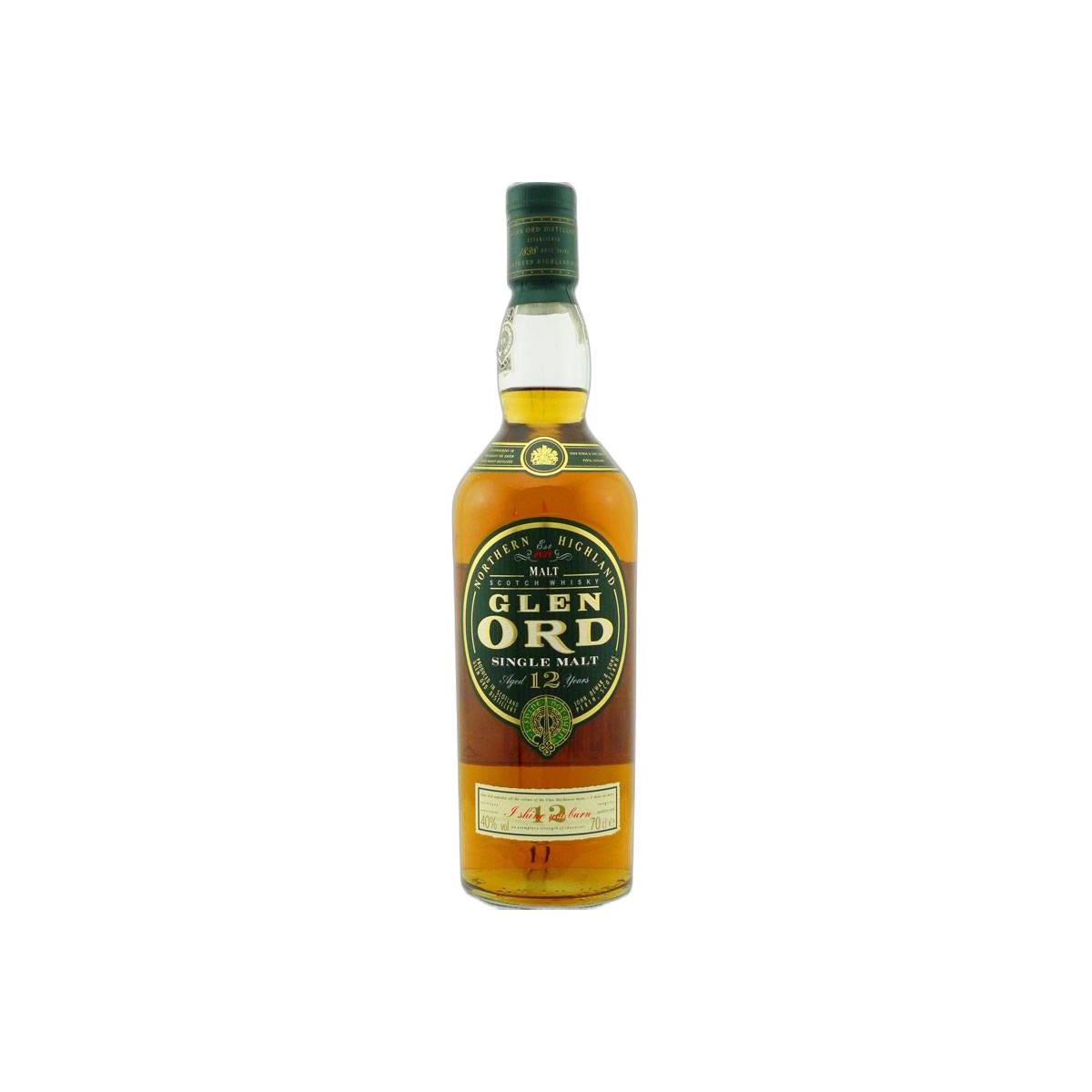
Glen Ord 12 Years Single Malt Whisky
Glen Ord