In 2017, Loch Lomond's owner signed a promotion agreement for its products in the expanding Chinese market; in June 2019, Loch Lomond's ties with China deepened further. Exponent Equity, the private equity fund that has been managing Loch Lomond Group (Loch Lomond Distillery's parent company) since 2014, announced it had sold the company to China's Hillhouse Capital for approximately $500 million to $550 million. Loch Lomond Distillery's equipment is extraordinary. When built in 1966, it was installed with a pair of straight neck stills. In 1990, another pair of stills was added. Four years later, a grain distillery was launched. In 1998, a pair of traditional pot stills was installed; in 2007, a single grain Coffey still was added, later supplemented by a third pair of straight neck stills. Now, the distillery boasts 13 stills of four completely different types! Of the 5 million liters of malt whisky produced annually at Loch Lomond Distillery, 3.5 million liters are distilled in Coffey stills for the popular Loch Lomond Single Grain Whisky (actually single malt, but not recognized as such by the SWA because no pot stills are used). Whiskies under the Loch Lomond brand have their spirit distilled in traditional stills and are blended with whisky distilled in straight neck stills before bottling. The Inchmurrin brand whisky comes from straight neck stills. Also from straight neck stills are the heavily peated Inchmoan brand whisky, and other brands not heavily promoted in official packaging (Inchfad, Glen Douglas, Craiglodge, and Croftengea). Other equipment includes a 9.5-ton full lauter mash tun, 10 stainless steel fermentation tanks (fermentation time 92-160 hours) dedicated to malt whisky processing. Additionally, there are 18 pieces of equipment dedicated to grain whisky processing. Regular releases include three brands: Loch Lomond, comprising Classic, Original, 10-year, 12-year, and 18-year expressions; Inchmurrin, with 12-year, 18-year whiskies and a Madeira wine cask finish; and Inchmoan 12-year and 1992 vintage. Duty-free products include Loch Lomond Single Grain, Signature blended Scotch, 12-year single malt, plus Inchmurrin Madeira cask finish, 10-year single cask, and 10-year Inchmoan. Limited editions include Loch Lomond The Open Special Edition (British Open Golf Championship) and a 50-year-old expression.
History
Loch Lomond Distillery is a large, utilitarian facility with almost no aesthetic design elements, lacking a visitor centre, and built primarily for production. It is located in an industrial area on the edge of Alexandria, about a mile and a half from Loch Lomond. The distillery was constructed between 1965-1966, repurposing a former dyeing plant of the once-famous United Turkey Red Company. The project was completed by American-born Littlemill distillery owner Duncan Thomas in collaboration with his US agent, Chicago-based Barton Brands. The latter acquired Duncan Thomas' remaining shares in Littlemill and Loch Lomond in 1971. At this time, Loch Lomond produced two styles of whisky: Rossdhu and Inchmurrin, from a pair of distillation units equipped with rectifying heads (see below). After the building renovation, it became the first distillery to install specialized distillation equipment. Like many distilleries, Loch Lomond was mothballed in 1984, then sold to Inver House Distilleries in 1985, which subsequently sold it to Glen Catrine Bonded Warehouse Company Ltd the following year. This company is a bottling subsidiary of the family-owned beverage wholesaler (and then retailer) A. Bulloch & Company, who purchased the business to ensure the supply of malt whisky. In 1992, the distillery added a second distillation unit—a replica of the first pair of stills, complete with rectifying heads; in 1994, a new Coffey still was installed for grain whisky production; in 1998, a third pair of traditional pot stills with narrow necks was added; and between 2007-2008, a fourth pair was installed, along with a unique improved Coffey still for malt whisky production. In March 2014, Loch Lomond Distillery Ltd was acquired for £210 million by a group of senior managers backed by the private equity firm Exponent. The deal also included Glen Scotia Distillery (see "Glen Scotia"), Glen Catrine Bonded Warehouse Company's bottling plant and warehouse in Ayrshire, and various other brands. The new owners have invested more than £10 million in the business and installed two new stills and three new fermenters at Loch Lomond Distillery.
Curiosities
By combining different peat levels, Loch Lomond's versatile stills can produce eight distinct styles of both malt and grain whisky, making the distillery virtually self-sufficient for blending. While most of their production has historically been used for their renowned High Commissioner blended whisky (particularly for export markets), the new ownership has actively promoted various single malt expressions as well as premium single grain whiskies. Currently, only Girvan/Ailsa Bay (see relevant entry) operates both malt and grain whisky production at a single site. Loch Lomond's distinctive rectifier heads on their pot stills, inspired by grain distillery designs, feature perforated plates (similar to continuous stills) that enable the creation of whiskies at different strengths and purities, reaching up to 85% ABV—surpassing the 70% limit of traditional pot stills. Utilizing modernized Coffey stills, spirit can be drawn at different strength points throughout the column, offering greater control and stability compared to modified pot stills. Loch Lomond is Britain's largest freshwater loch, measuring 24 miles long, 5 miles wide, and 600 feet deep, with 38 islands. It has been a world-famous beauty spot since the 18th century. The traditional song 'The Bonnie Banks o' Loch Lomond' commemorates two Jacobite prisoners held in Carlisle after the 1745 rebellion—one executed, the other released to return home by the 'low road'.
Timeline
Duncan Thomas and Littlemill Distillery Limited, owned by American Barton Brands, established the distillery.
Production began.
Duncan Thomas sold his shares.
The distillery closed.
Glen Catrine Bonded Warehouse Limited purchased Loch Lomond Distillery.
Production resumed at the distillery.
The distillery also began producing grain whisky.
A fire destroyed 300,000 litres of mature whisky.
Two stills were added.
Inchmurrin, Craiglodge, and Inchmoan 12-year-old were released.
Inchmoan 4-year-old, Croftengea 1996 (9-year-old), Glen Douglas 2001 (4-year-old), etc. were released.
Peated Loch Lomond NAS and 1966 vintage were released.
New Inchmoan expressions were released: 12-year-old, 15-year-old, 18-year-old, and 21-year-old.
12-year-old single malt and single blend organic edition were released.
A single grain whisky, and blended whiskies such as Reserve and Signature were released.
A 12-year-old and an 18-year-old expression were released.
Inchmurrin 12-year-old, Inchmoan 12-year-old, and 18-year-old were released.
Loch Lomond 50-year-old was released.
The distillery was sold to Hillhouse Capital, and a 50-year-old expression was released.
Hot Search Whiskies
Showing top 10
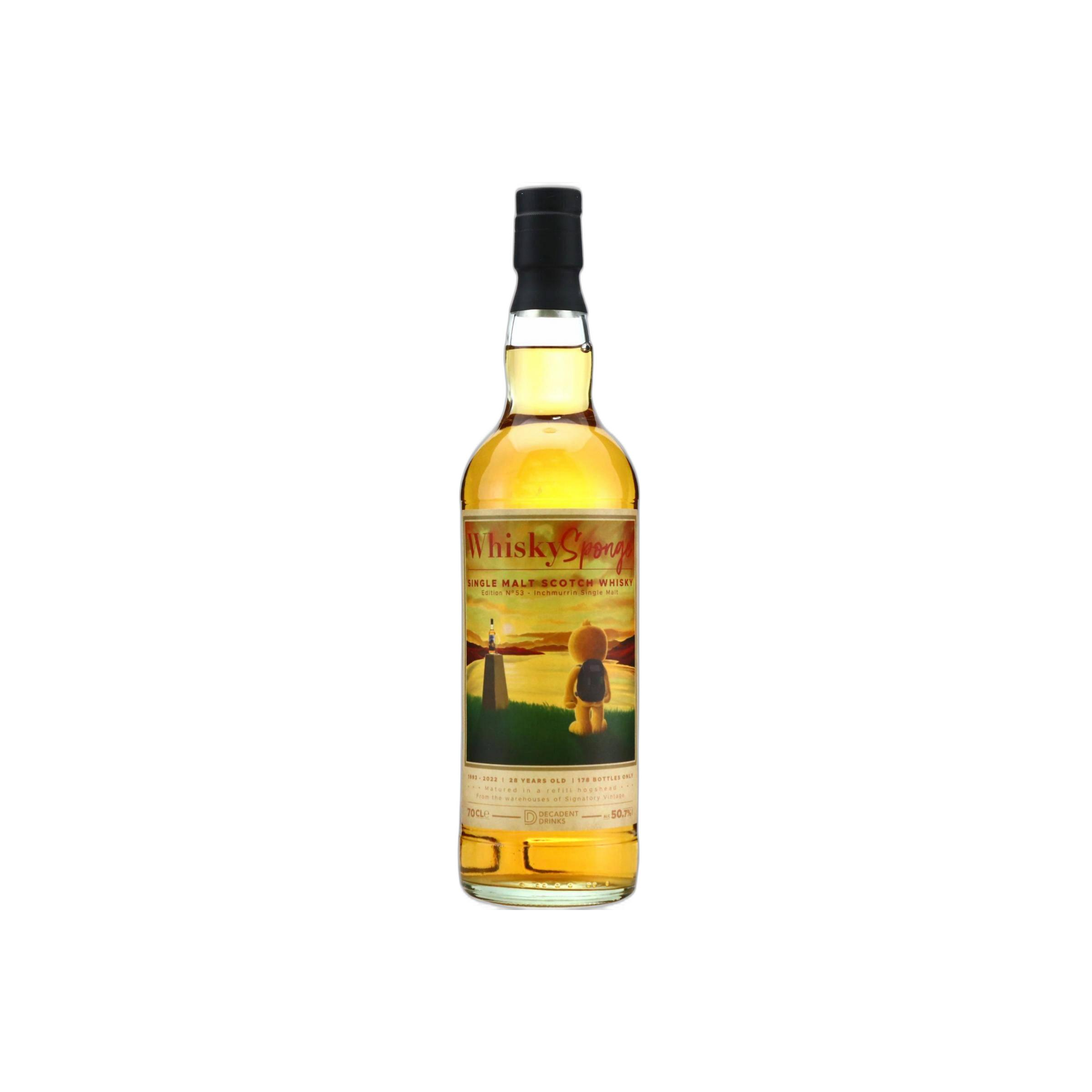
Loch Lomond 1993 28 Years Single Malt Whisky
Loch Lomond
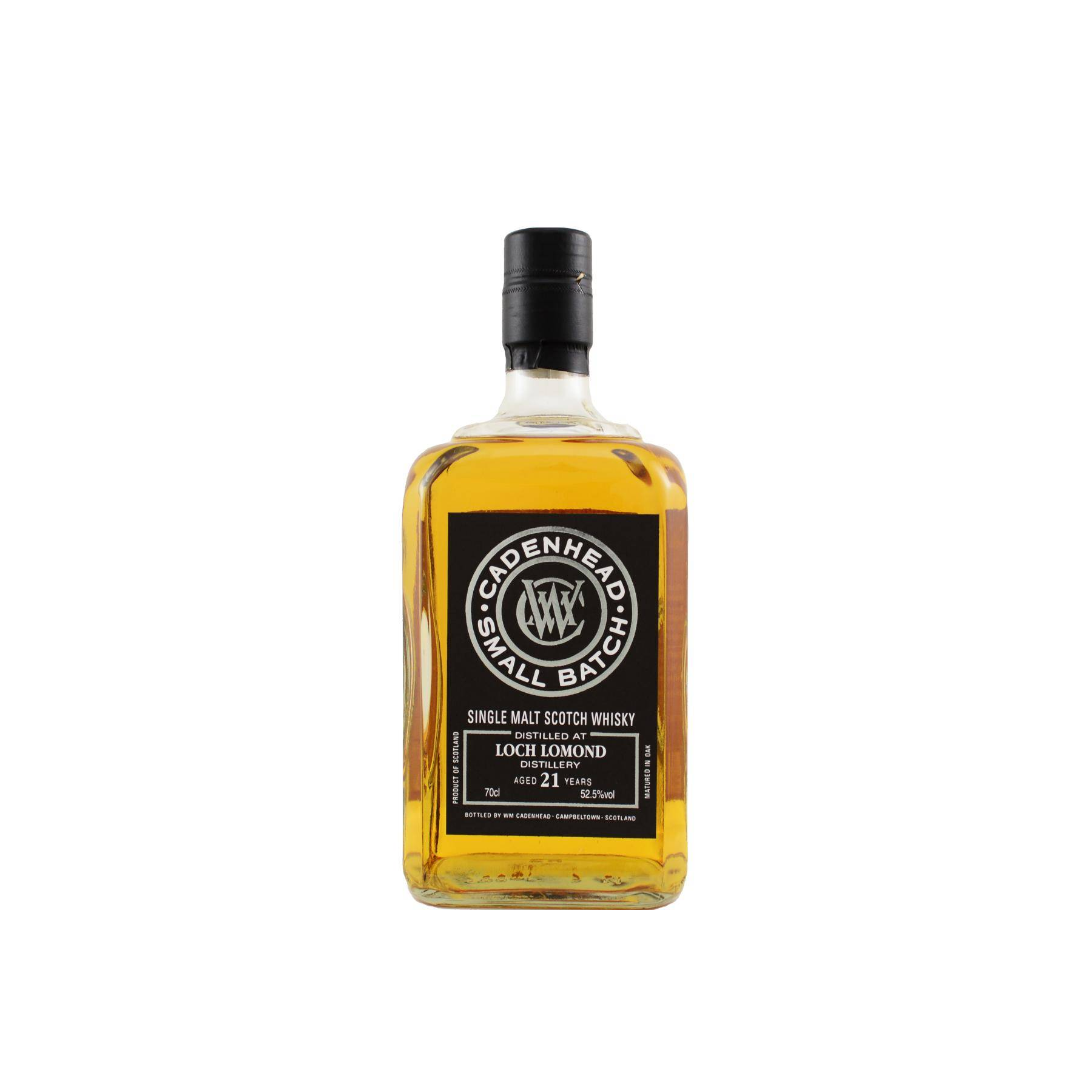
Loch Lomond Small Batch 1997 21 Years Single Malt Whisky
Loch Lomond
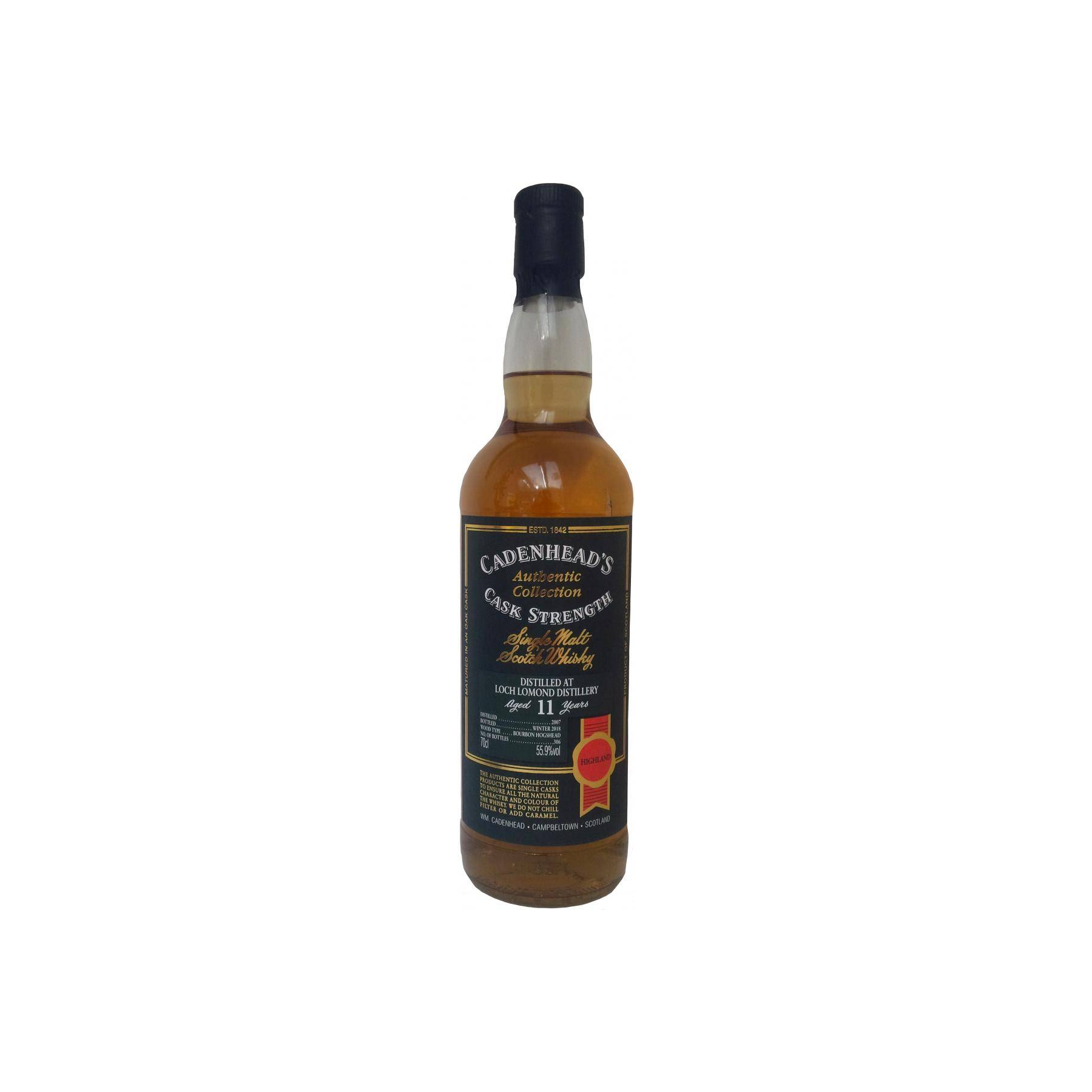
Loch Lomond Authentic Collection 2007 11 Years Single Malt Whisky
Loch Lomond
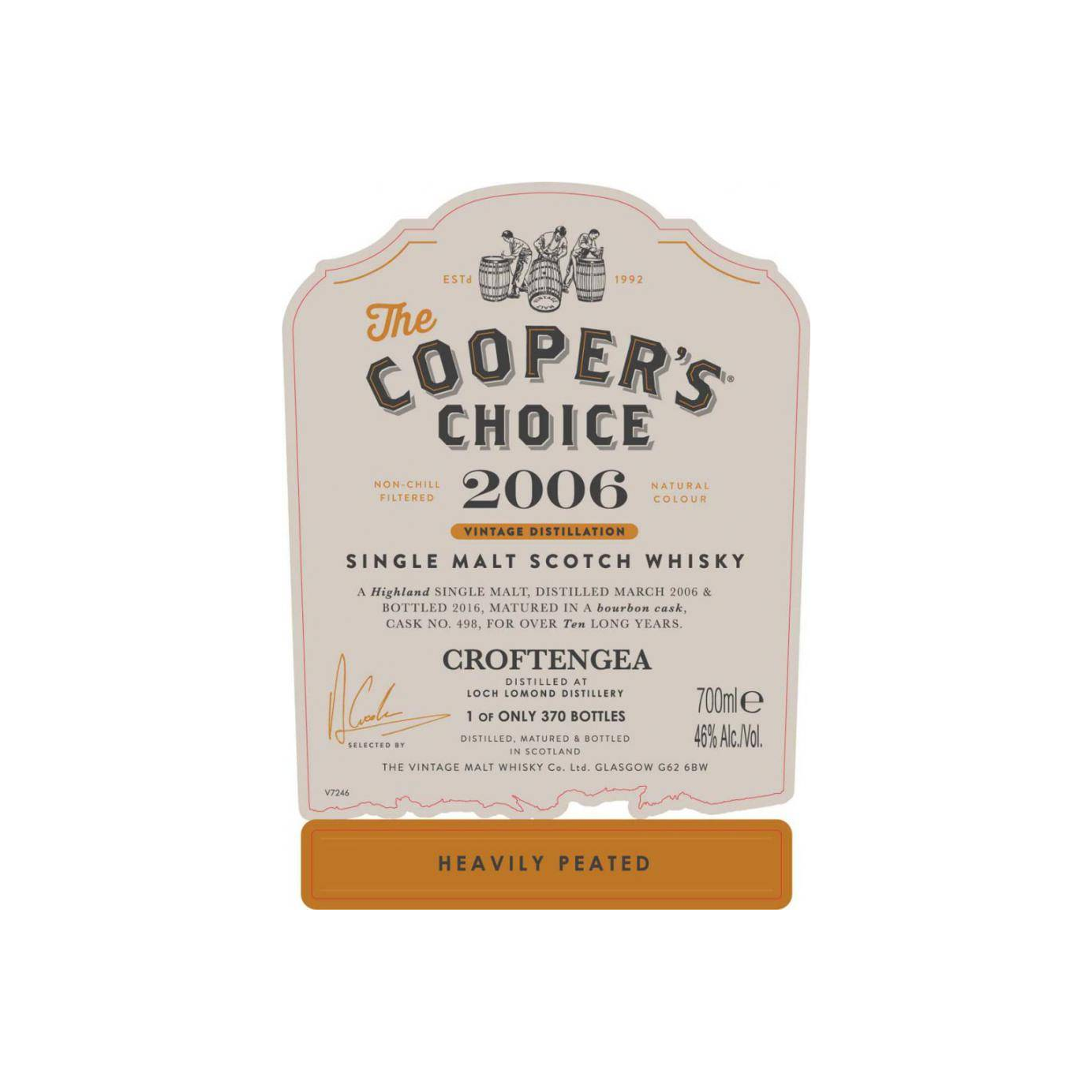
Loch Lomond The Cooper's Choice 2006 10 Years Single Malt Whisky
Loch Lomond
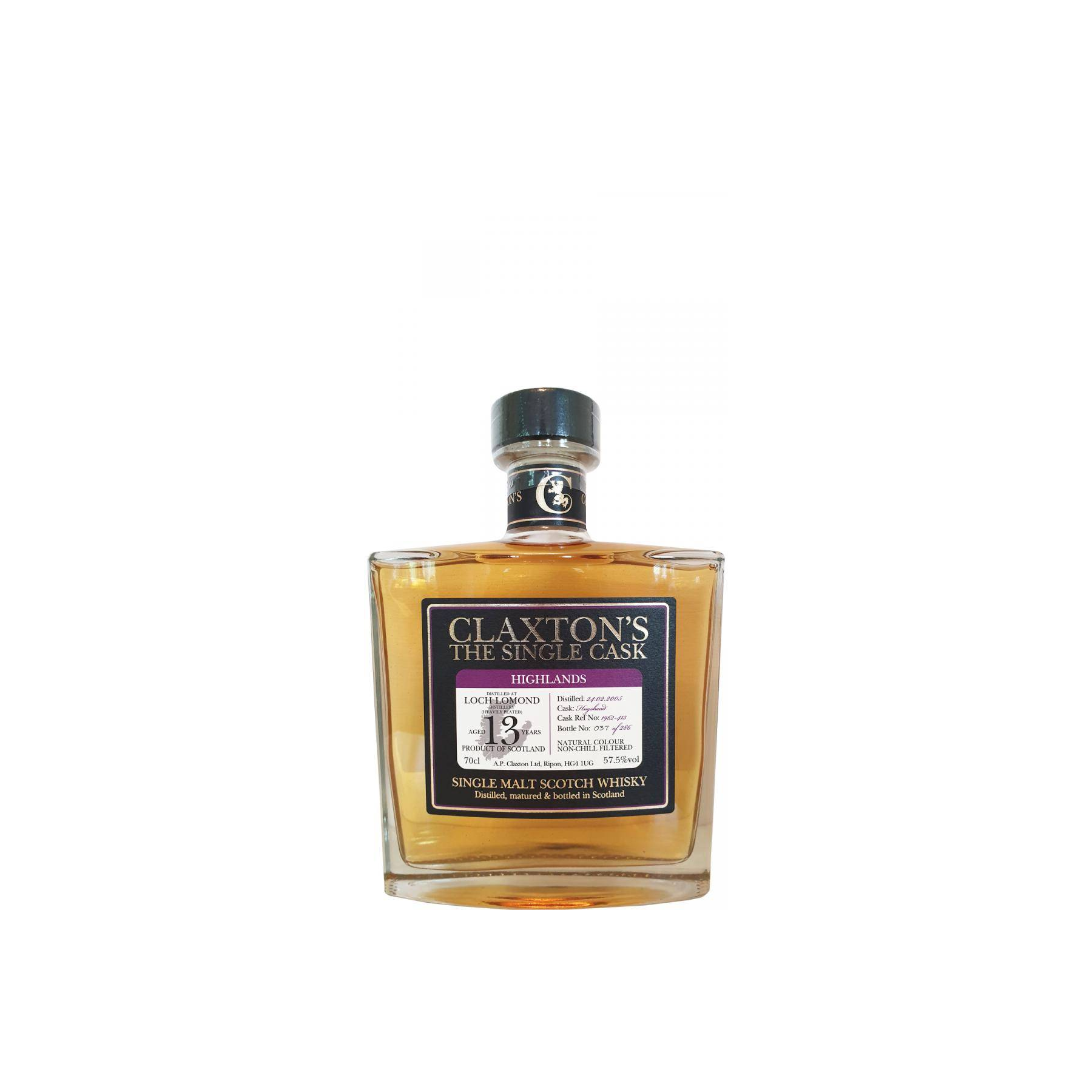
Loch Lomond 2005 13 Years Single Malt Whisky
Loch Lomond
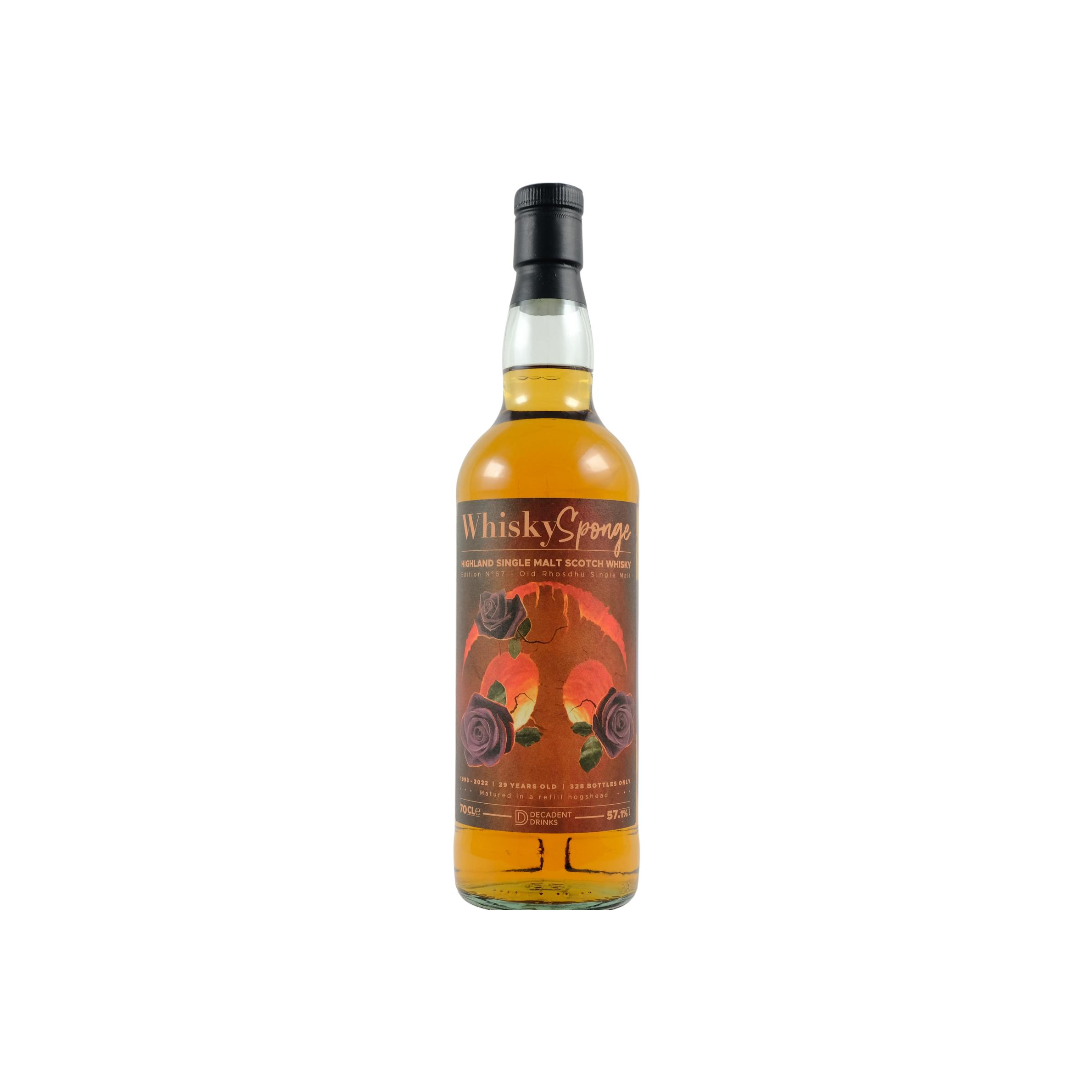
Loch Lomond 1993 29 Years Single Malt Whisky
Loch Lomond
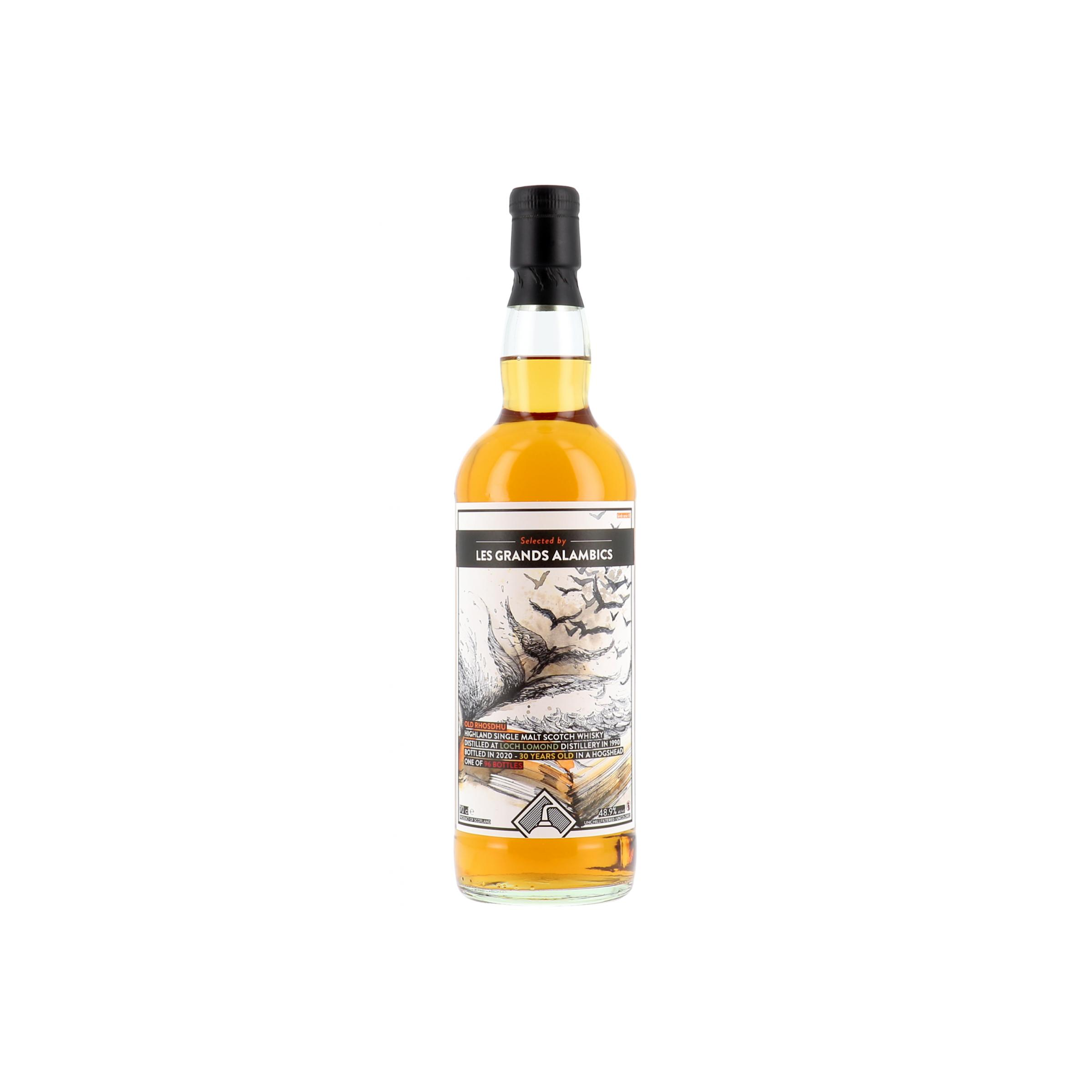
Loch Lomond 1990 30 Years Single Malt Whisky
Loch Lomond
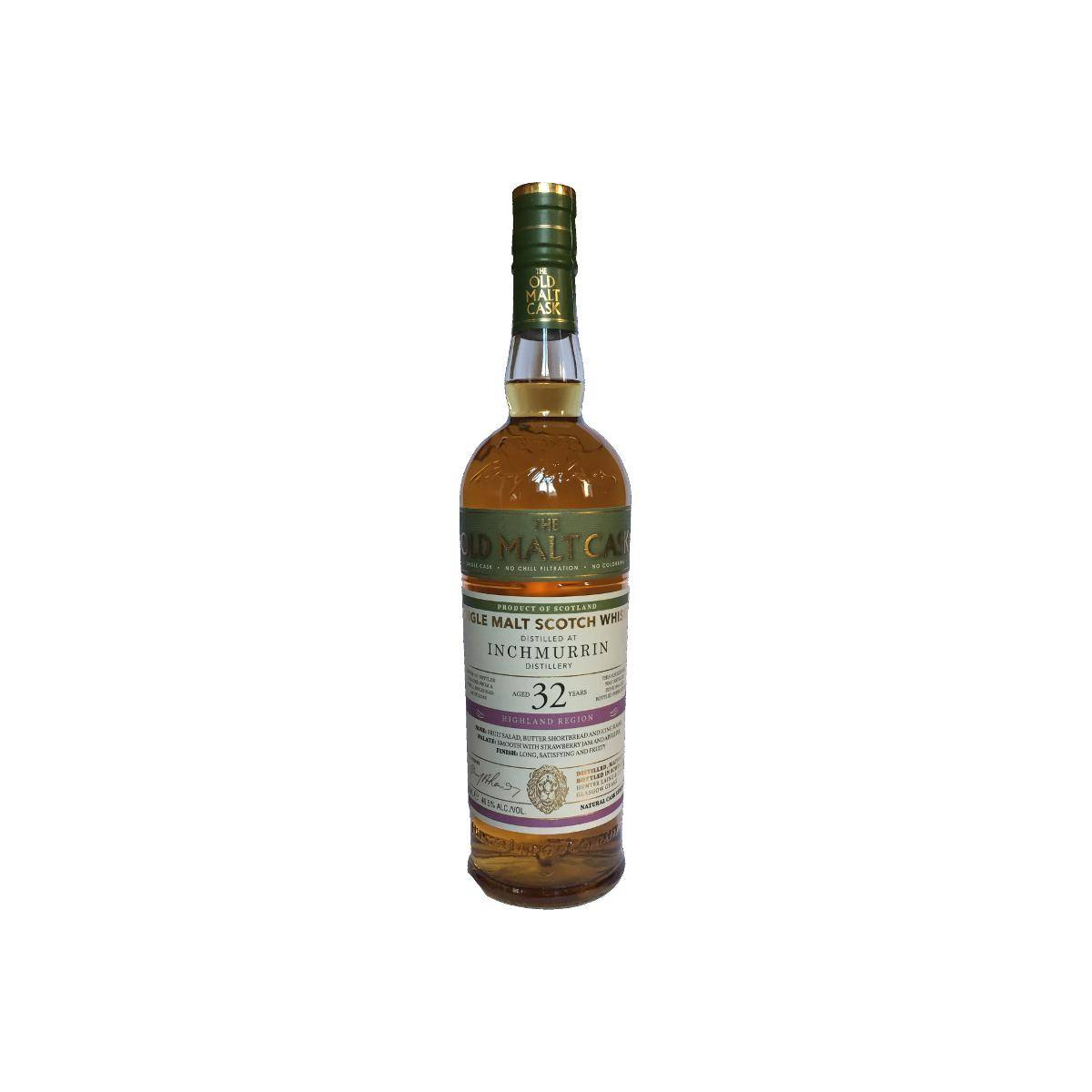
Loch Lomond Old Malt Cask 1984 32 Years Single Malt Whisky
Loch Lomond
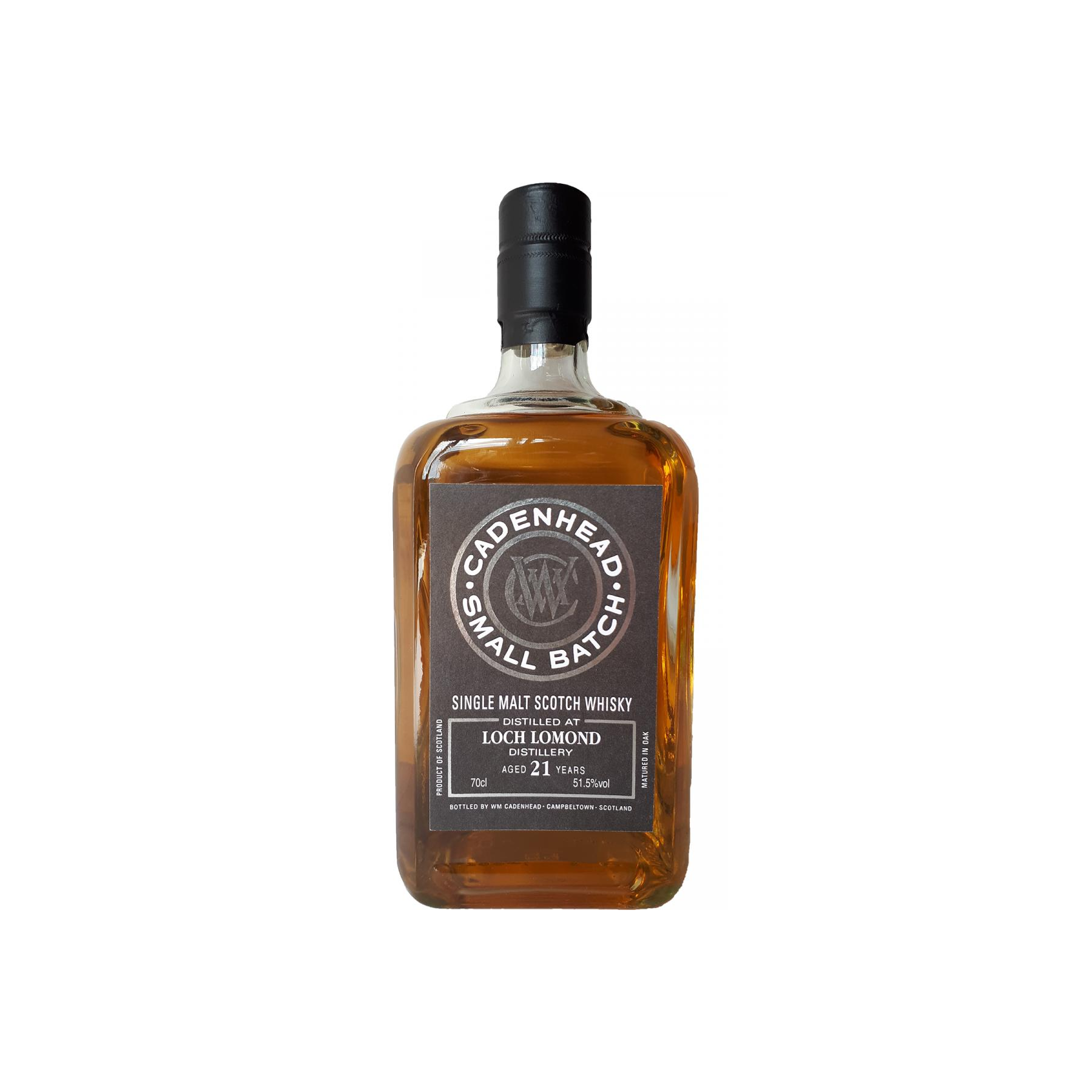
Loch Lomond Small Batch 1996 21 Years Single Malt Whisky
Loch Lomond
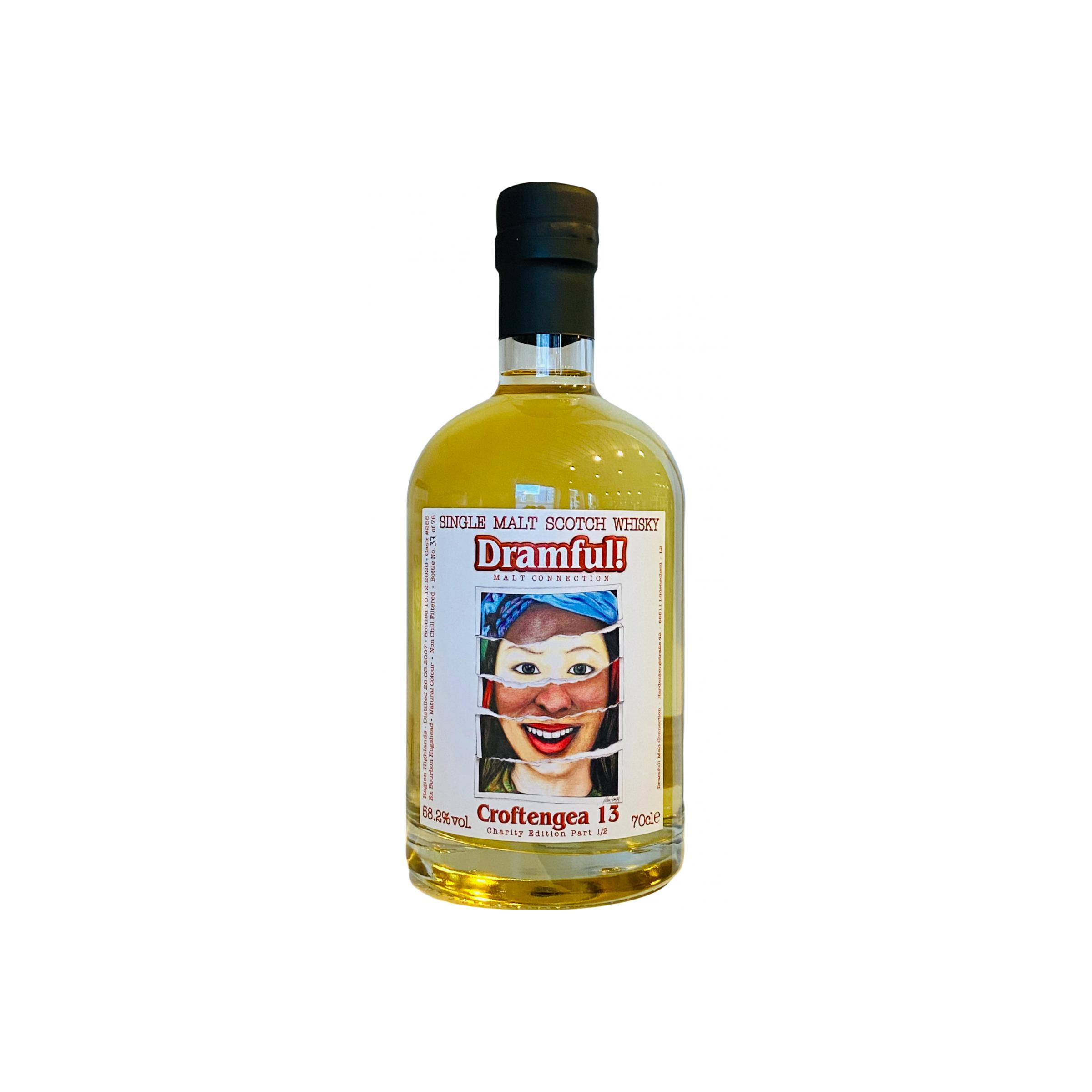
Loch Lomond 2007 13 Years Single Malt Whisky
Loch Lomond