
Glen Grant, a Speyside single malt whisky distillery owned by Campari Group, is undergoing a significant strategic transformation. Historically, the brand's success relied heavily on young whiskies under five years old, with Italy as its primary market. However, representing only 1% of Campari's total volume and experiencing a 16% sales decline in 2018, the company is pivoting toward premium aged expressions. The new strategy focuses on developing 12-year and 18-year-old whiskies as flagship products, re-evaluating its no-age-statement (NAS) portfolio, and substantially increasing mature stock holdings. The United States, particularly the travel retail channel, is targeted as the key growth market for this repositioned brand. At the heart of this transformation is Dennis Malcolm, Glen Grant's Master Distiller and spiritual leader. Beginning his career as a cooperage apprentice in 1961, Malcolm's 58-year tenure at the distillery culminated in his appointment to the Master Distiller role, where he now oversees all new product development and maintains the distillery's signature light, elegant house style. Production capabilities include a 12.3-ton semi-lauter mash tun, ten Oregon pine washbacks with a minimum 48-hour fermentation period, and eight distinctive copper pot stills. Glen Grant's stills feature uniquely vertical lyne arms and are all equipped with purifiers, creating additional reflux that produces the distillery's characteristic delicate, fruity new make spirit. In 2013, a £5 million state-of-the-art bottling facility commenced operations with a capacity of 12,000 bottles per hour, serving multiple Campari Group distilleries. A second high-end production line launched in 2015, and during 2019, the distillery operated continuously for 20 weeks, conducting 20 mashes weekly to produce approximately 2 million liters of new make spirit annually. The core product range comprises Major's Reserve (NAS), a 5-year-old exclusive to Italy, 10-year-old, 12-year-old (matured in bourbon and sherry casks), and 18-year-old (bourbon cask matured) expressions. Recent premium launches include a 12-year-old non-chill filtered edition for travel retail (2016) and a 15-year-old, first-fill bourbon cask matured whisky bottled at 50% ABV for the US and duty-free markets (2018). A 10-year-old Port cask finish is available exclusively at the distillery. While Glen Grant rarely releases official high-age-statement bottlings, independent bottlers such as Gordon & MacPhail have introduced prestigious vintage expressions, including six releases distilled between 1950 and 1955.
History
Glen Grant's story begins in 1839 when brothers John and James Grant, former illegal distillers, secured a lease in Rothes, Speyside. They established Drumbain Distillery, the village's first legal operation, which quickly earned recognition as 'one of the largest distilleries in the North.' The remote location posed logistical challenges until 1858, when James Grant, serving as Mayor of Elgin, championed the construction of a railway line. The distillery's early locomotive, affectionately named 'Glen Grant,' symbolized this new era of connectivity. In 1872, James 'The Major' Grant, a legendary figure in whisky lore, inherited the distillery. A visionary and decorated war veteran, The Major revolutionized production during the Victorian whisky boom. He pioneered the sale of Glen Grant as a single malt, marketing it in England, Scotland, and the colonies with distinctive labels featuring two Highlanders beside an oak cask—a branding innovation ahead of its time. The whisky was praised as 'pure, mild, and particularly suitable for family consumption,' establishing Glen Grant's reputation for approachable elegance. Responding to soaring demand, The Major built Glen Grant No. 2 (later Caperdonich) in 1898, the same year he installed the Highlands' first pneumatic malting drum—a technological marvel that operated until 1971. His innovations extended beyond production; he designed Glen Grant's iconic tall, slender stills with unique purifiers, creating the light, fruity, floral character that defines the brand today. The Major's Victorian estate included magnificent gardens requiring fifteen gardeners, now a celebrated visitor attraction restored in 1996. The garden's spirit safe, used for bespoke bottlings, remains a tribute to his hospitality. Following The Major's death in 1931 at age 84, his great-grandson Douglas Mackessack guided the distillery through turbulent times. In 1952, Glen Grant merged with George & J.G. Smith Ltd to form Glenlivet & Glen Grant Distilleries Ltd, later becoming part of The Glenlivet Distilleries Ltd in 1970 through further consolidation with Hill, Thomson & Longmorn. Seagram's acquisition in 1978 marked a new chapter, though Mackessack ensured staff prosperity with generous bonuses before retiring. The 2001 Pernod Ricard purchase triggered EU-mandated divestment, leading to Campari Group's strategic acquisition in 2006. Campari appointed Dennis Malcolm, a Glen Grant veteran since 1961 and master distiller since 1992, as distillery manager. Under his stewardship, Glen Grant has flourished, earning numerous awards while maintaining its commitment to The Major's original vision: crafting exceptionally smooth, accessible Speyside single malt that remains 'pure and pleasant' for modern palates.
Curiosities
Glen Grant's still heating method is quite fascinating. The first 4 stills were heated by direct coal fire. The original stills were equipped with water wheel-driven pot bottom brushes (the last in all of Scotland, used until 1979). In 1973, 2 more stills were added using direct liquefied petroleum gas heating, and another 4 stills were installed in 1977. In 1979, all 10 stills were converted to liquefied petroleum gas combustion heating, but this only lasted until 1983. At that time, the original stills returned to coal combustion heating, while the spirit stills adopted indirect heating via steam from a waste heat boiler. Simultaneously, the old still house containing the 4 original stills was replaced by a new still house, and 2 larger stills were installed, so production capacity was not affected. All stills were converted to indirect heating by the late 1990s. The original stills feature the so-called 'German helmet' design, with a giant bell appearance, unique to Glen Grant. All 4 original stills have this characteristic, and all stills are equipped with purifiers at their necks to increase reflux. Glen Grant's product line was repackaged in 2007, with the label specifically emphasizing 'distilled in tall stills' (emphasized twice!). Thanks to the business acumen of Italian agent Armando Giovinetti, Glen Grant became the first single malt whisky to be widely accepted in export markets. Giovinetti realized a younger product would have greater appeal (he benchmarked against blended brandy at the time) and specified it should be matured for 5 years. He began heavily promoting it from the mid-1960s, achieving sales of approximately 200,000 cases per year by 1977. Glen Grant remains the most popular single malt whisky in Italy, though sales have declined in recent years. However, thanks to increased sales in France and the United States, the brand's annual global sales exceed 3 million bottles, making it one of the world's best-selling single malt whiskies.
Timeline
James and John Grant brothers established Glen Grant Distillery.
Glen Grant became the first distillery to install electric lighting.
John Grant passed away.
The distillery was inherited by James Grant's son, James Junior (Major James Grant).
James Junior decided to build another distillery across the road, naming it Glen Grant No. 2.
Glen Grant No. 2 closed.
Major James Junior passed away, and his grandson Major Douglas Mackessack inherited the distillery.
J. & J. Grant company merged with George & J. G. Smith company.
Armando Giovinetti and Douglas Mackessack collaborated, making Glen Grant the best-selling single malt whisky in Italy.
Glen Grant No. 2 distillery resumed production and was renamed Caperdonich Distillery.
The Glenlivet Distillers company was established.
Stills increased from 4 to 6.
The Chivas & Glenlivet Group under Seagram Company acquired Glen Grant Distillery, increasing stills to 10.
Pernod Ricard and Diageo acquired Seagrams Spirits & Wine, with Pernod Ricard acquiring Chivas Brothers Group.
Campari Group acquired Glen Grant for €115 million.
Glen Grant released all expressions in new packaging, launched a 15-year-old single cask whisky, and rebuilt the visitor centre.
Launched two limited edition cask strength whiskies - Glen Grant 16 Year Old and Glen Grant 27 Year Old.
Launched Cellar Reserve 1992.
Launched 170th anniversary edition.
Launched Glen Grant 25 Year Old.
Launched Distillery Edition aged 19 years.
Launched Dennis Malcolm's 50th anniversary edition at Glen Grant (Five Decades), and built a bottling plant.
Launched Glen Grant 50 Year Old and Rothes Edition 10 Year Old.
Launched Glen Grant Fiodh.
Launched Glen Grant 12 Year Old and Glen Grant 18 Year Old, and launched a 12-year-old non-chill filtered whisky in travel retail.
Launched Glen Grant 15 Year Old in the US market.
Launched Glen Grant 15 Year Old in travel retail.
Hot Search Whiskies
Showing top 10
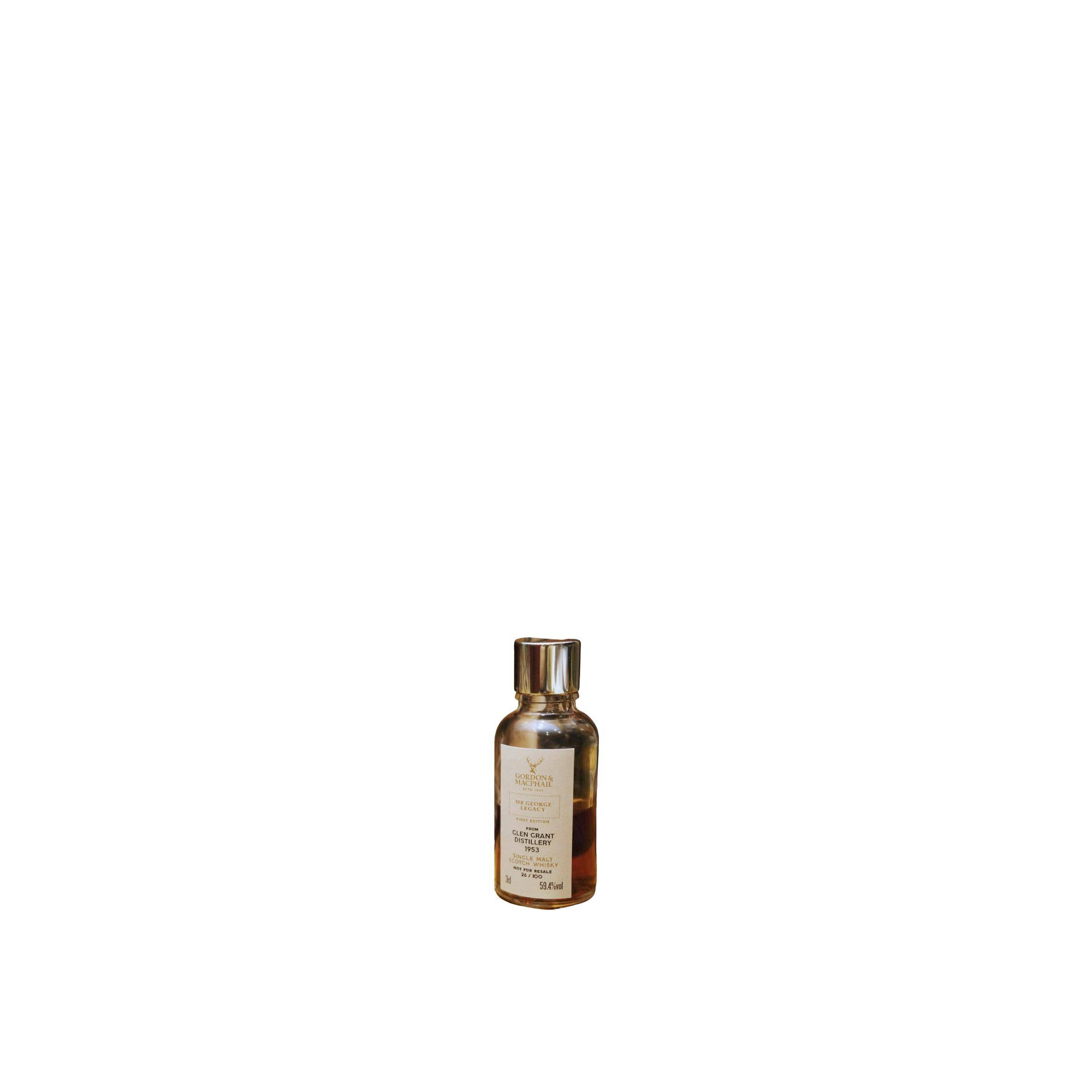
Glen Grant 1953 67 Years Single Malt Whisky
Glen Grant
Glen Grant 1972 38 Years Single Malt Whisky
Glen Grant
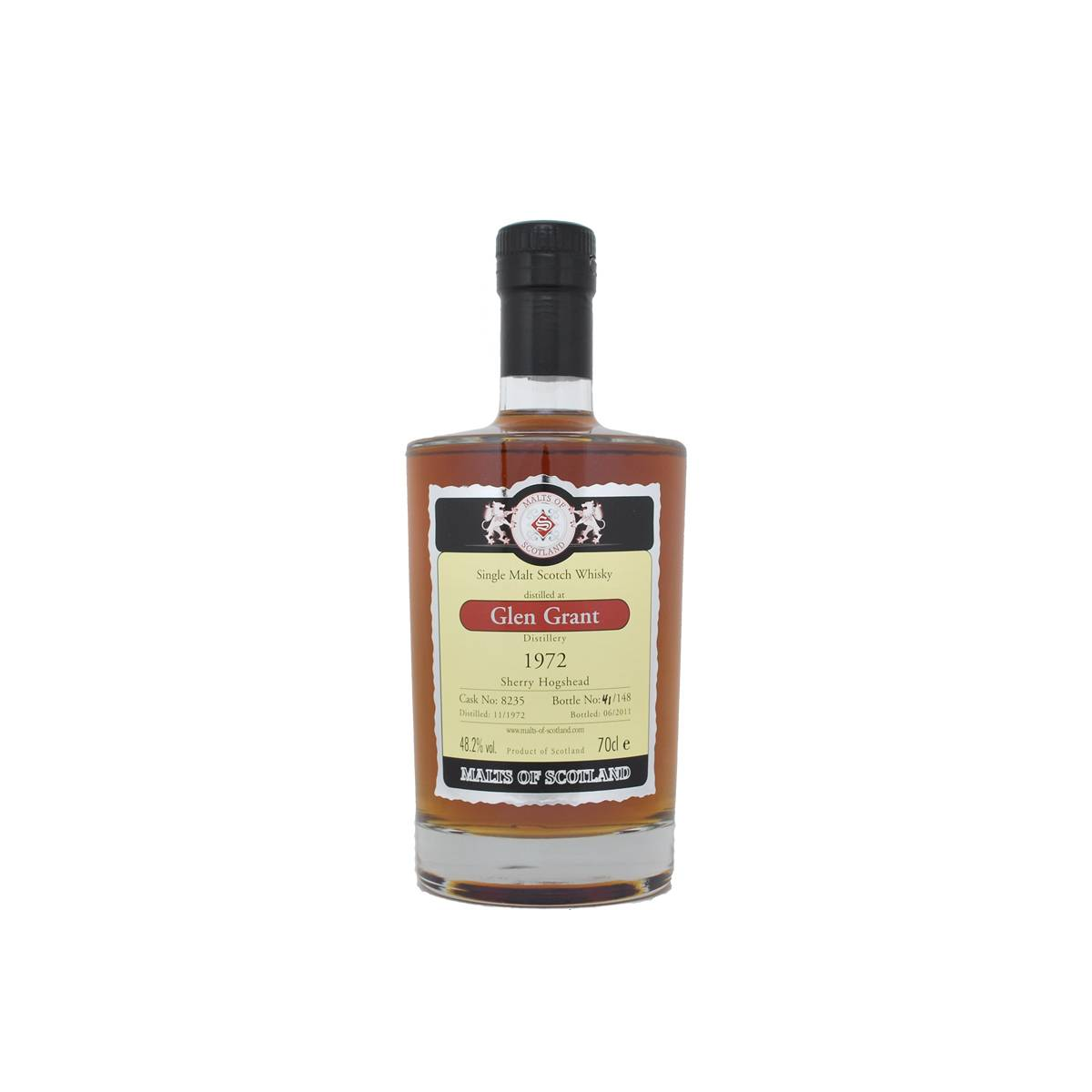
Glen Grant 1972 38 Years Single Malt Whisky
Glen Grant
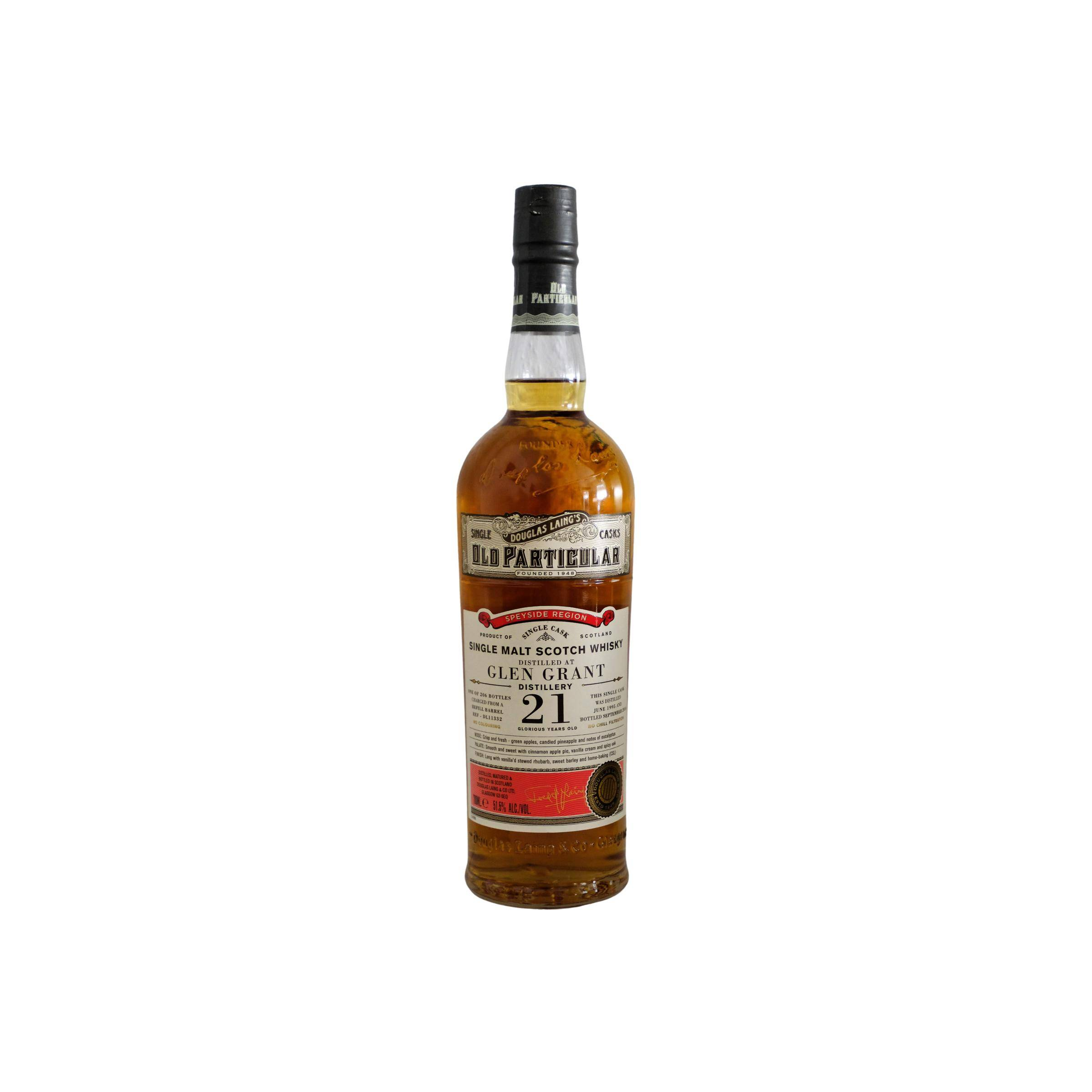
Glen Grant Old Particular 1995 21 Years Single Malt Whisky
Glen Grant
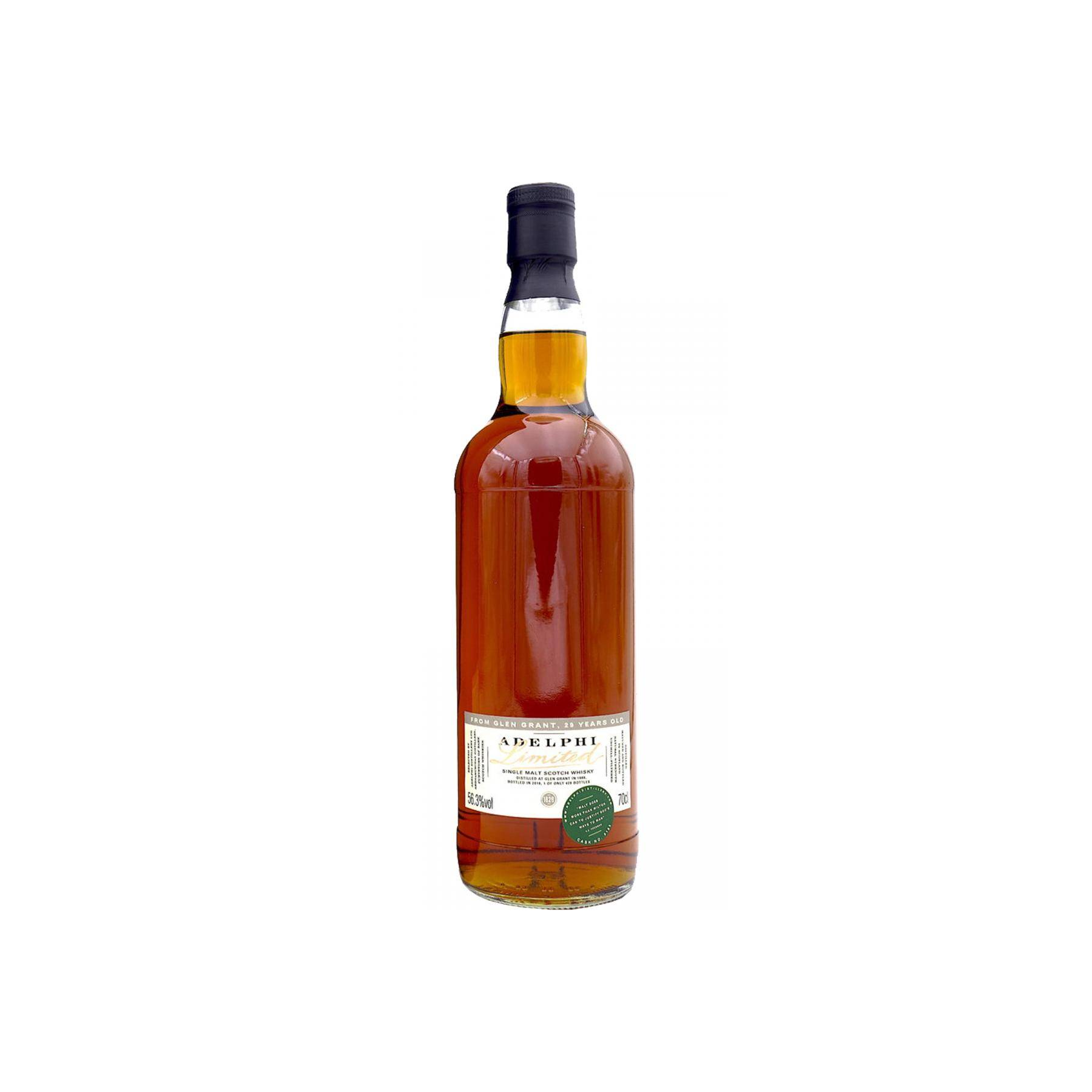
Glen Grant 1988 29 Years Single Malt Whisky
Glen Grant
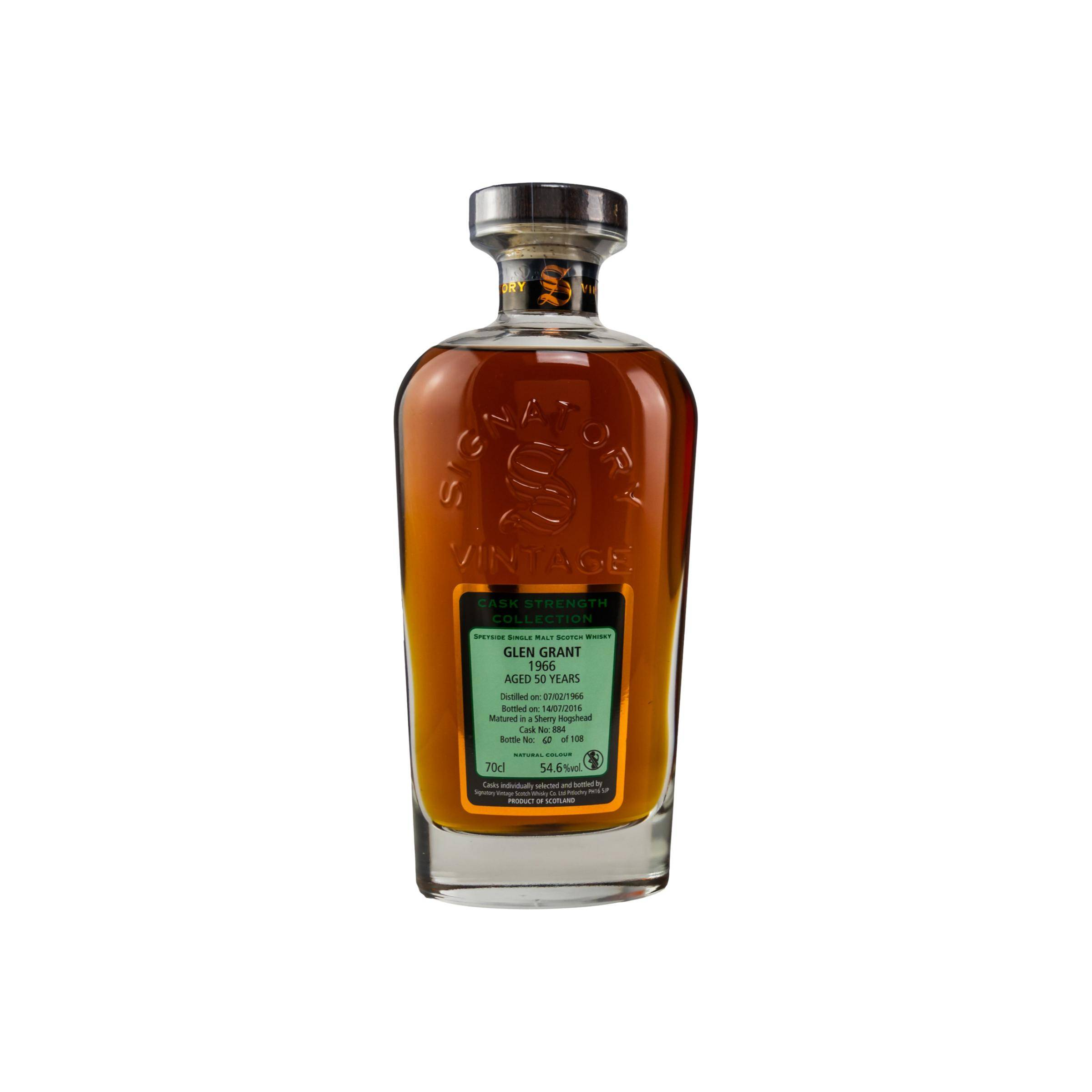
Glen Grant Cask Strength Collection 1966 50 Years Single Malt Whisky
Glen Grant
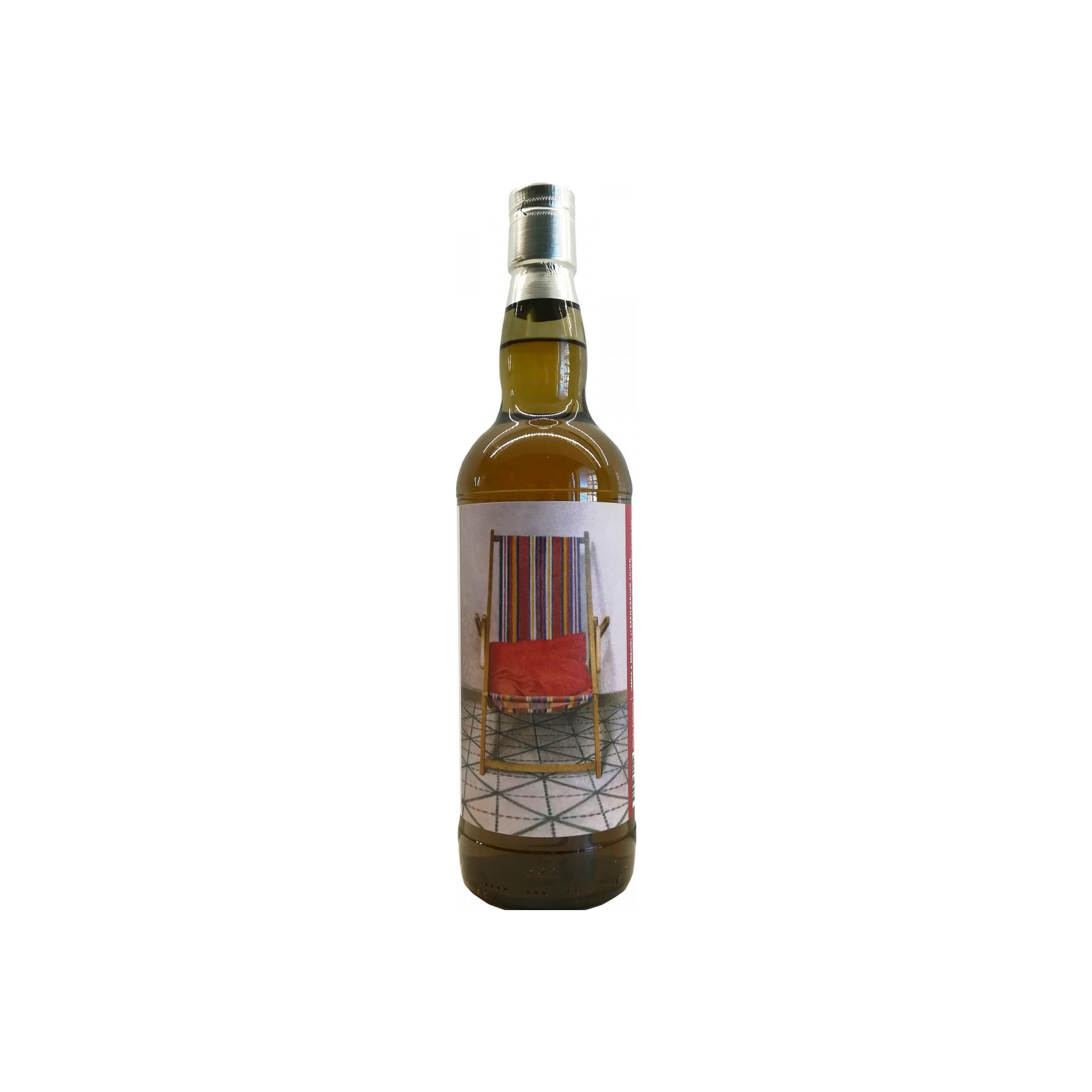
Glen Grant 1995 23 Years Single Malt Whisky
Glen Grant
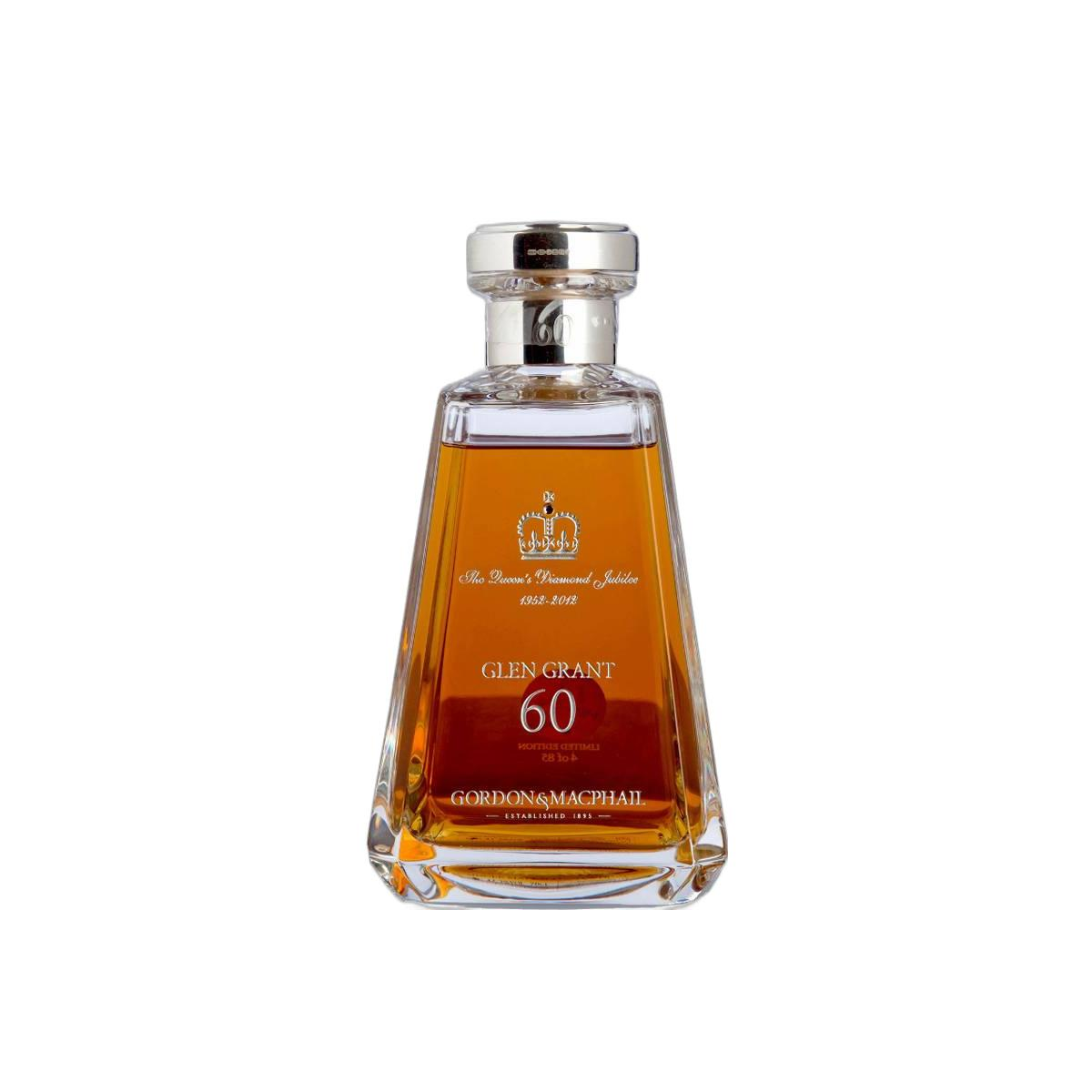
Glen Grant 1952 60 Years Single Malt Whisky
Glen Grant
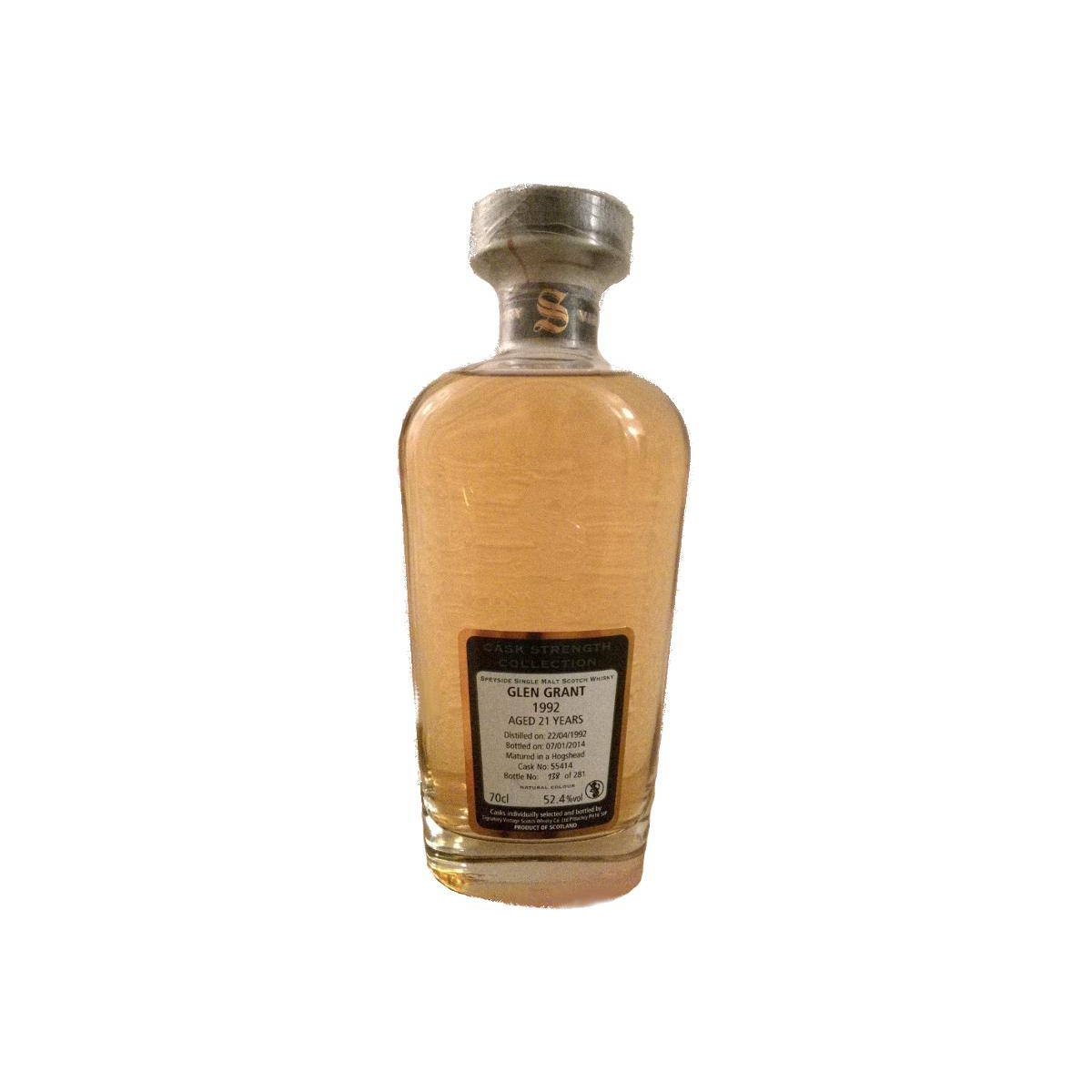
Glen Grant Cask Strength Collection 1992 21 Years Single Malt Whisky
Glen Grant
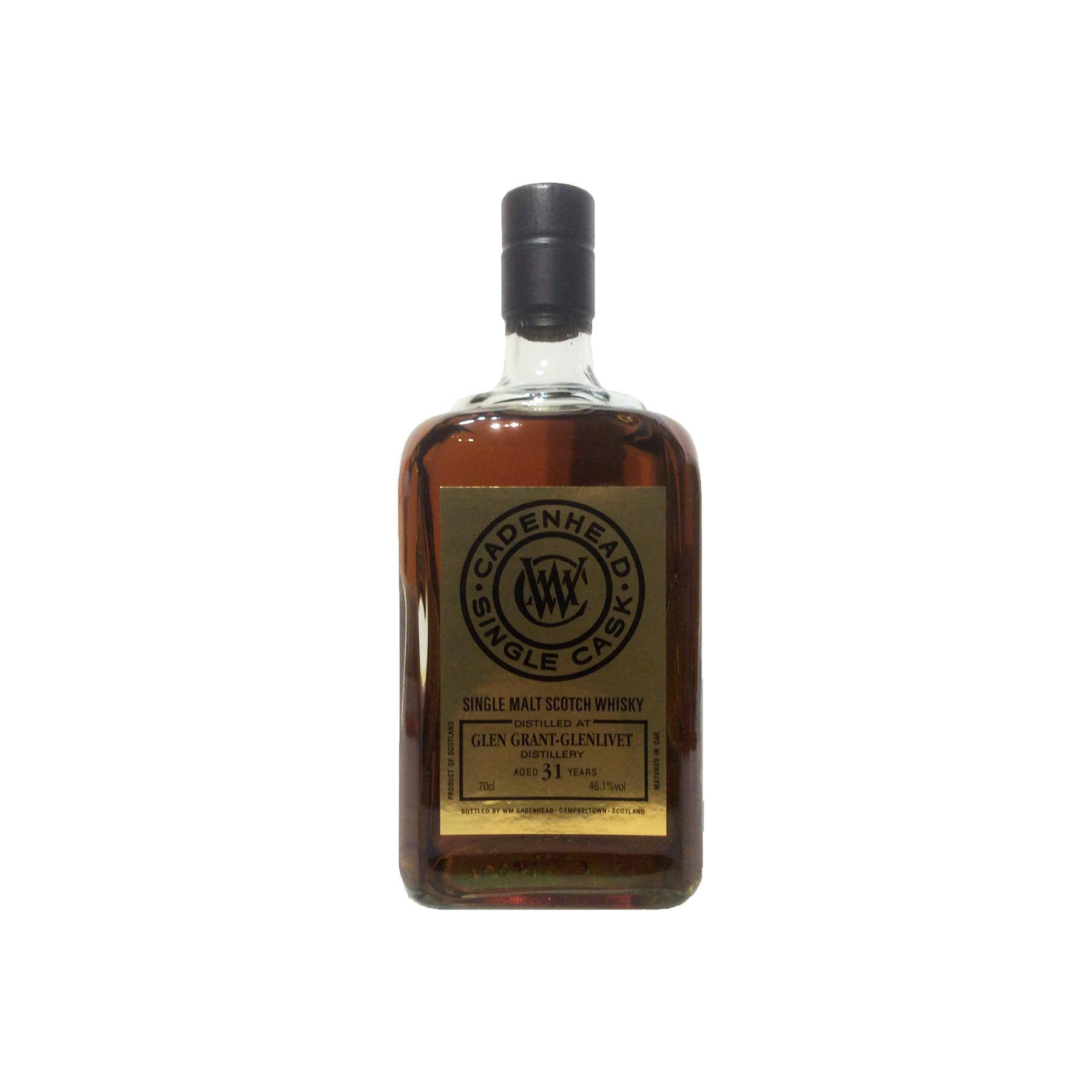
Glen Grant Single Cask 1984 31 Years Single Malt Whisky
Glen Grant