Glenkinchie, affectionately known as 'The Edinburgh Malt,' stands as the last remaining Lowland distillery in Edinburgh's historic heartland. Founded in 1837, this pivotal distillery earned its distinguished status through remarkable survival instincts during the 1909 Pattison Crisis when Chancellor Lloyd George's punitive spirits taxation threatened the entire Scotch whisky industry. Owner James Gray's visionary consolidation persuaded four other Lowland distilleries to merge, creating Scottish Malt Distillers (SMD) in 1914, which later merged with Distillers Company Limited (DCL) in 1925—a foundational move that shaped modern Scotch whisky corporatization and ultimately led to Diageo's current dominance. The distillery's technical profile is extraordinary: housing Scotland's largest wash still at 21,000 liters, an unusual feature for Lowland distilleries that typically favor triple distillation. Glenkinchie employs a full-lauter mash tun (9-tonne capacity), six Oregon pine washbacks with extended fermentation periods of 66-110 hours, and traditional worm tub condensers—preserving a weightier, oilier spirit character that defies typical Lowland lightness. Current production exceeds 2 million liters annually under Diageo's ownership, operating five days weekly with ten mashes. Flavor-wise, Glenkinchie exemplifies refined Lowland elegance: expect a bouquet of cut grass, lemon zest, floral honeysuckle, and digestive biscuits, with a distinctive creamy mouthfeel and gentle baking spice. The 12-year-old core expression anchors Diageo's Classic Malts selection as the definitive Lowland representative, while the Distiller's Edition undergoes Amontillado sherry cask finishing for added nutty complexity. A distillery-exclusive 18-month sherry finish and periodic Rare & Precious releases (including a highly acclaimed 24-year-old in 2016) cater to discerning collectors. Tourism infrastructure reflects Diageo's £150 million Scottish whisky tourism investment. The distillery, already attracting 40,000 visitors annually, will unveil its redesigned visitor experience center in 2020, featuring immersive storytelling, architectural excellence, and exclusive tastings. The 2019 Royal Edinburgh Military Tattoo collaboration underscores Glenkinchie's cultural capital as Scotland's capital-city malt, while its proximity to Edinburgh makes it an essential pilgrimage for whisky tourists exploring the Lowland style.
History
Glenkinchie, originally established as Milton Distillery in 1825 by brothers John and George Rae, represents one of the last remaining Lowland single malt whisky producers. Situated in the pastoral farmlands of East Lothian, just 15 miles from Edinburgh, it earned the moniker 'The Edinburgh Malt.' The Rae brothers, tenants of agricultural pioneer John Cockburn of Ormiston, capitalized on surplus barley from Scotland's Agricultural Revolution. Following bankruptcy in 1852, the distillery lay dormant until 1880 when a consortium of Edinburgh brewers and whisky merchants restored operations. In 1890, James Grey acquired and completely reimagined the facility as a model Victorian industrial village, installing Scotland's largest wash stills alongside unusually small spirit stills—a configuration that creates Glenkinchie's signature light, floral, and grassy profile with notes of cut grass, lemon, and digestive biscuits. In 1914, it became a founding member of Scottish Malt Distillers (SMD), a strategic alliance that merged into the Distillers Company Limited (DCL) in 1925, with production licensed to John Haig & Co. United Distillers' landmark 1988 selection of Glenkinchie as the Lowland representative in the 'Classic Malts of Scotland' portfolio cemented its reputation as the definitive expression of the region's delicate, elegant style. Under Diageo's stewardship, Glenkinchie's state-of-the-art visitor center, opened in 1998, serves as Scotland's premier showcase for Lowland whisky craftsmanship, featuring immersive exhibits on the region's distilling heritage.
Curiosities
"Glenkinchie" derives its name from the Kinchie Burn that provided cooling water for the distillery. "Kinchie" evolved from the surname de Quincey, a family that owned the land where the distillery stands in medieval times. In 1895, on an extremely cold night, a fire broke out in the stables—because the weather was so freezing, the water in the fire hoses was frozen solid, and workers were powerless to act. This devastated the head distiller so much that he went mad and was committed to a psychiatric hospital. Glenkinchie Distillery had a large farm and was long renowned for its beef cattle—these cows were fattened on the draff produced during the distilling process. Post-war distillery manager Mr. W.J. Macpherson won the Supreme Champion award at the Smithfield Show in 1949, 1952, and 1954. For many years, the famous Clydesdale heavy draught horses of James Buchanan & Company summered at Glenkinchie Distillery. Glenkinchie's wash still is the largest in all of Scotland at nearly 21,000 litres. A large copper bell from 1842 hangs in the mash house. Before "dramming" was discontinued, the ringing of the bell signaled that it was break time and one could go to the manager for a dram to enjoy! The distillery's excellent visitor centre was formerly home to the Museum of Malt Whisky. This was a project established by a former manager and later taken over by S.M.D, which reopened in 1995 after redesign. At its centre is a 1:6 scale model of a malt whisky distillery designed by S.M.D's General Manager James Cruickshank for the Wembley "British Empire Exhibition" in 1924, showing the entire process from malting to maturation. A tidy grass bowling green sits adjacent to the distillery, established around 1900 for staff recreation.
Timeline
John Rate and George Rate established the distillery under the name Milton Distillery
The Rate brothers obtained the legal license and renamed the distillery Glenkinchie.
John Rate sold the distillery to farmer Christie. The distillery was converted into a sawmill.
An Edinburgh consortium purchased the premises.
Glenkinchie Distillery Company was established, and renovations began in the following years.
Glenkinchie, along with four other Lowland distilleries, united to form the Scottish Malt Distillers Company
Glenkinchie was one of the few distilleries permitted to maintain production during the war.
Glenkinchie ceased using floor malting.
The malting barns were converted into a museum.
Glenkinchie 10 Year Old became one of the Classic Malts.
Released the Distiller's Edition finished in Amontillado sherry casks.
Released cask strength expressions aged 12 years and 20 years.
Released a 1992 single cask cask strength expression and a 20-year-old cask strength expression, exclusive to the distillery visitor centre.
Diageo launched a 24-year-old Glenkinchie expression in the Special Releases series, and also released a no-age-statement distillery exclusive.
Hot Search Whiskies
Showing top 10
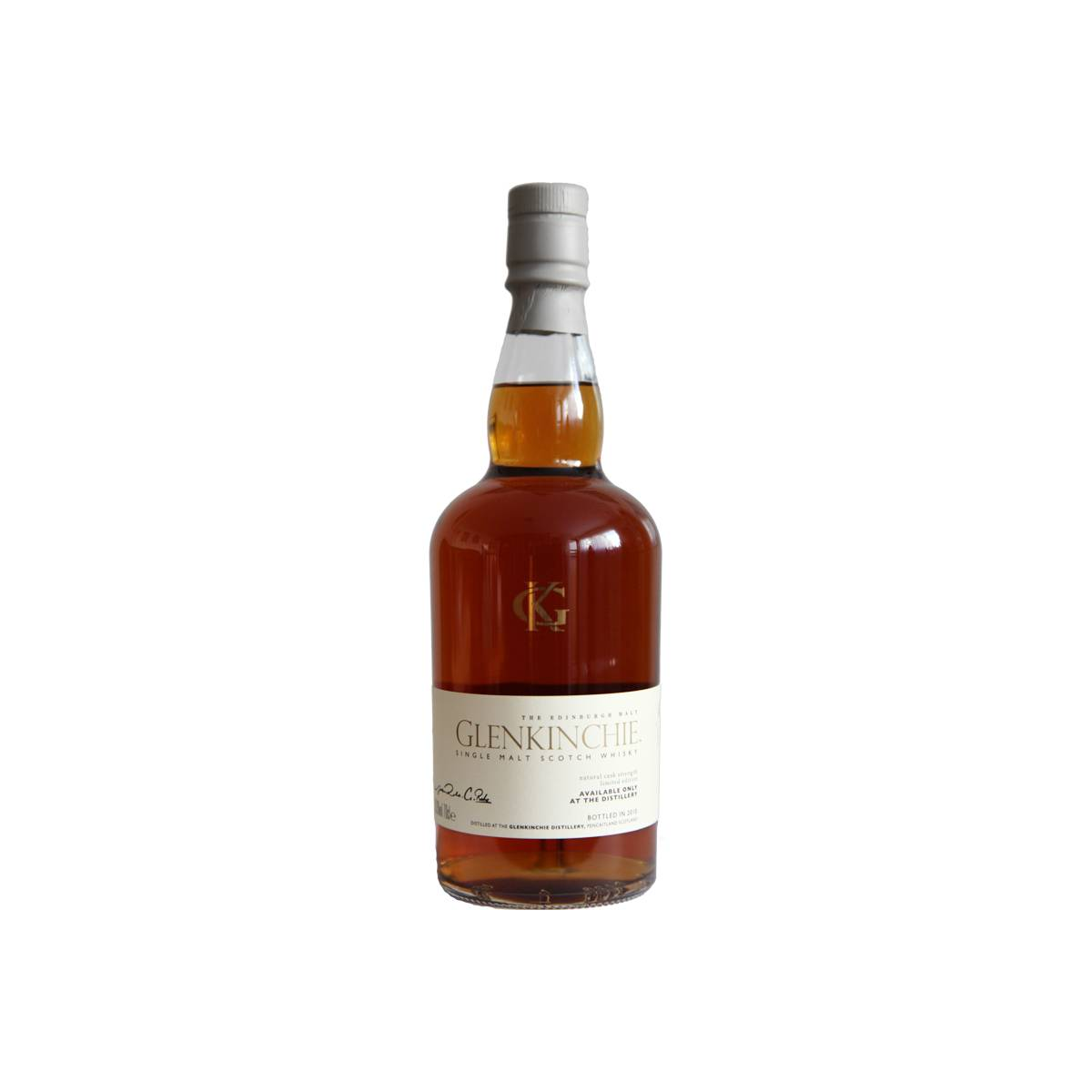
Glenkinchie Single Malt Whisky
Glenkinchie
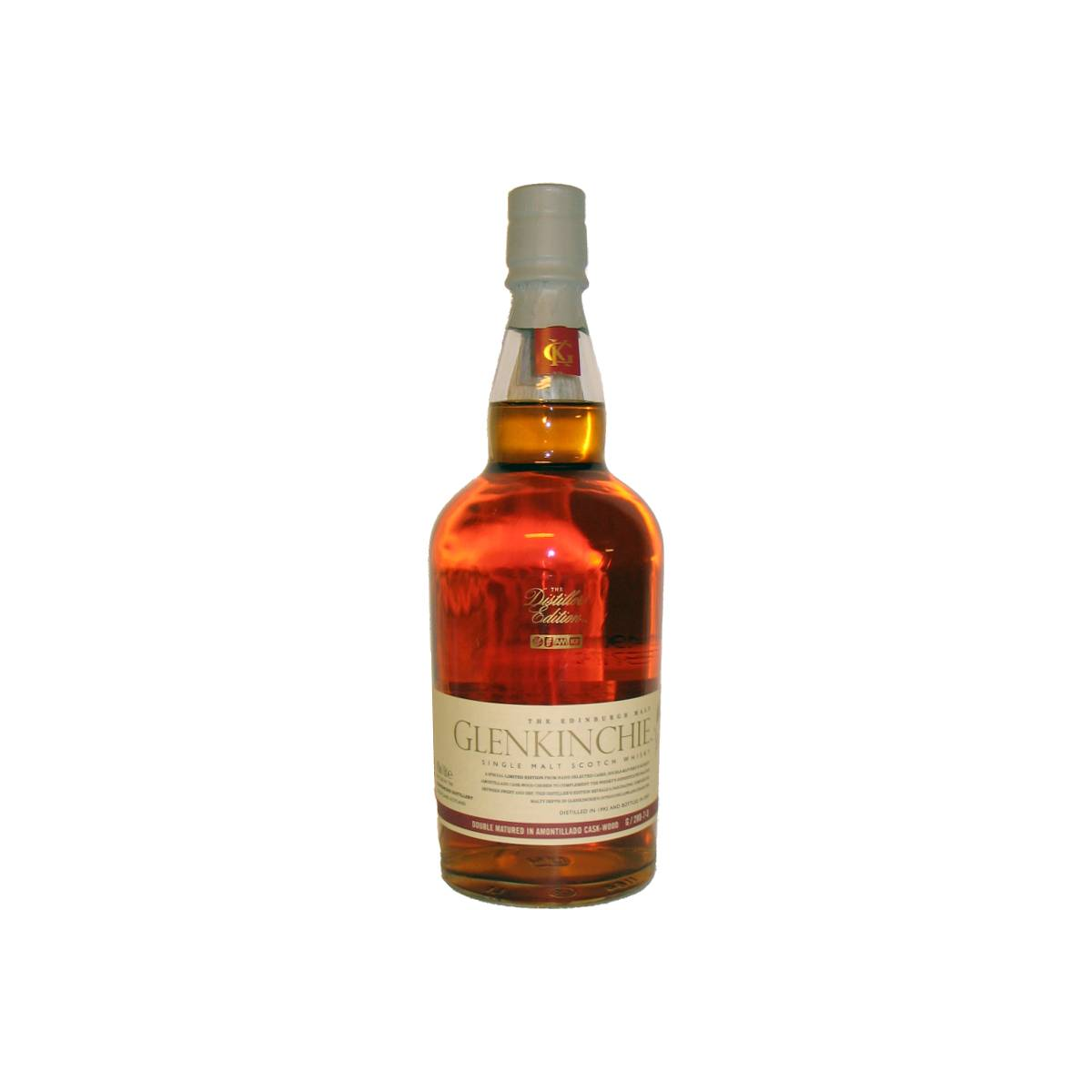
Glenkinchie The Distillers Edition 1992 15 Years Single Malt Whisky
Glenkinchie
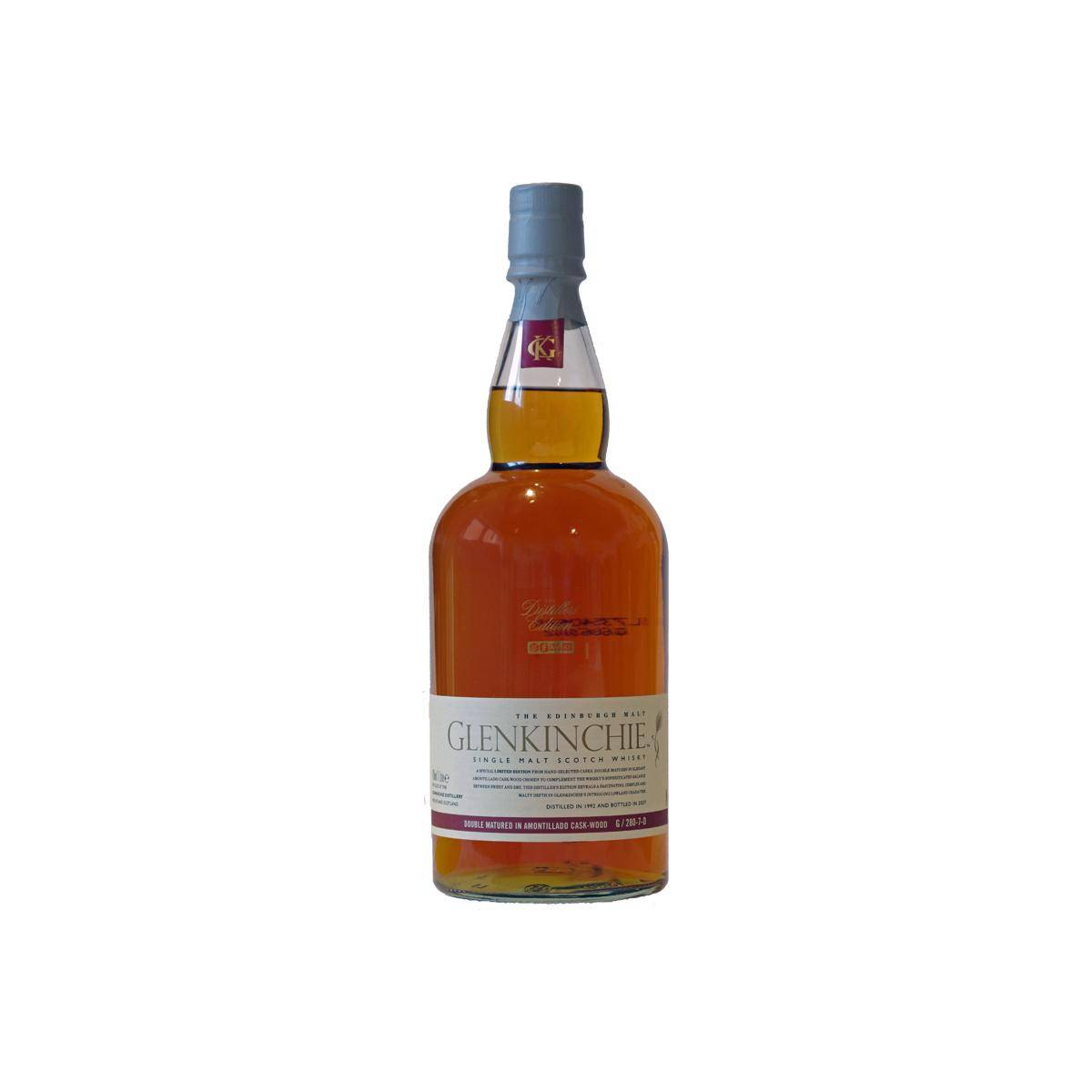
Glenkinchie The Distillers Edition 1992 15 Years Single Malt Whisky
Glenkinchie
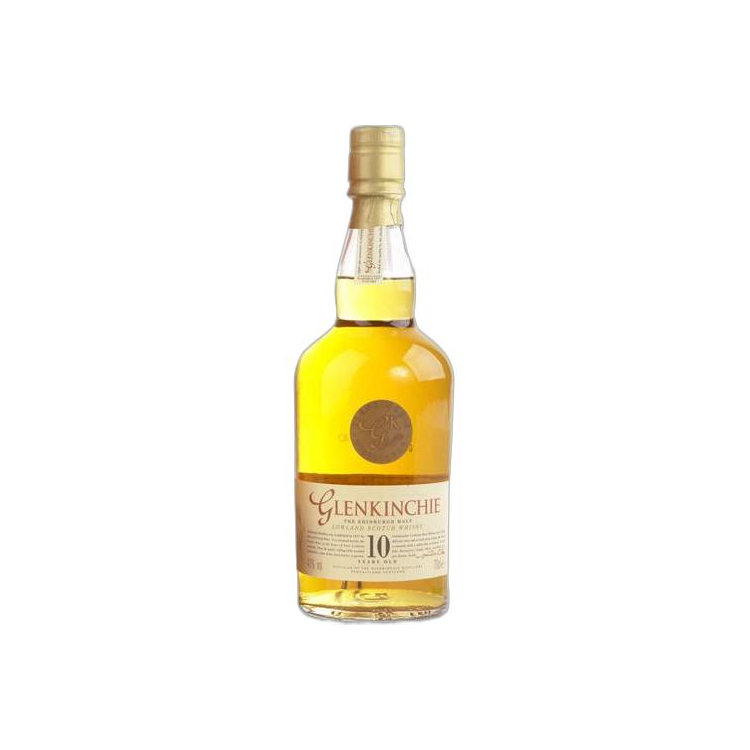
Glenkinchie 10 Years Single Malt Whisky
Glenkinchie
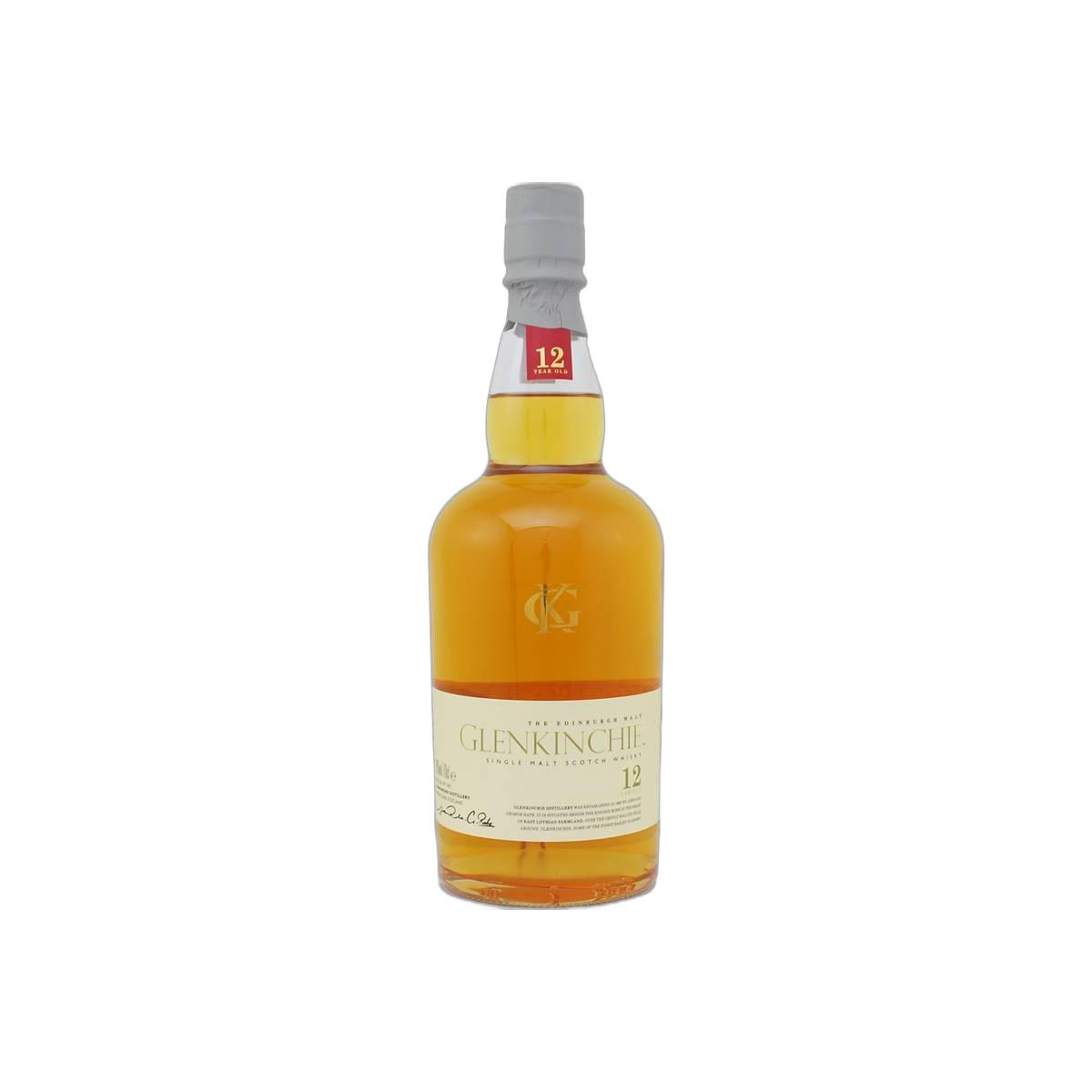
Glenkinchie 12 Years Single Malt Whisky
Glenkinchie
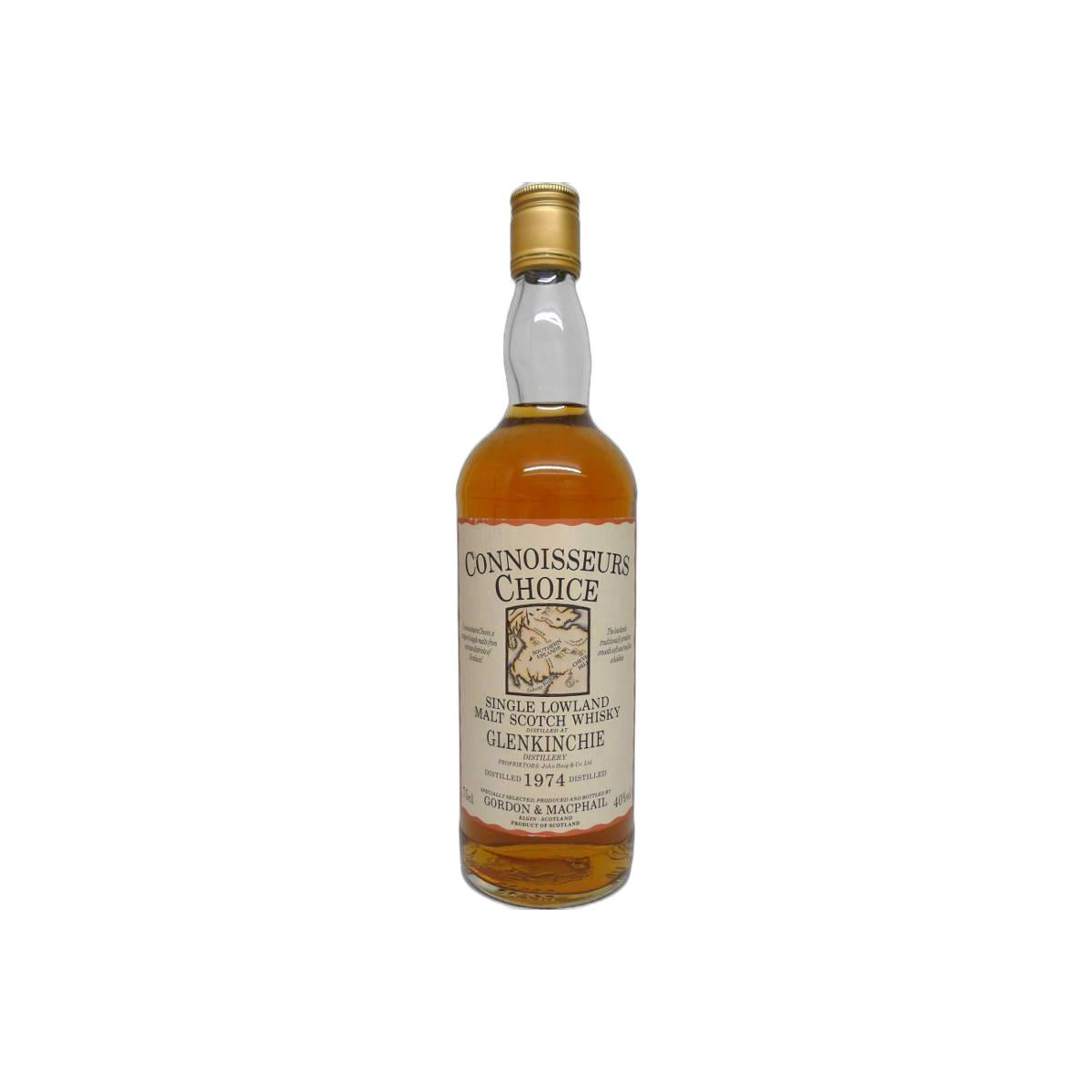
Glenkinchie Connoisseurs Choice 1974 Single Malt Whisky
Glenkinchie
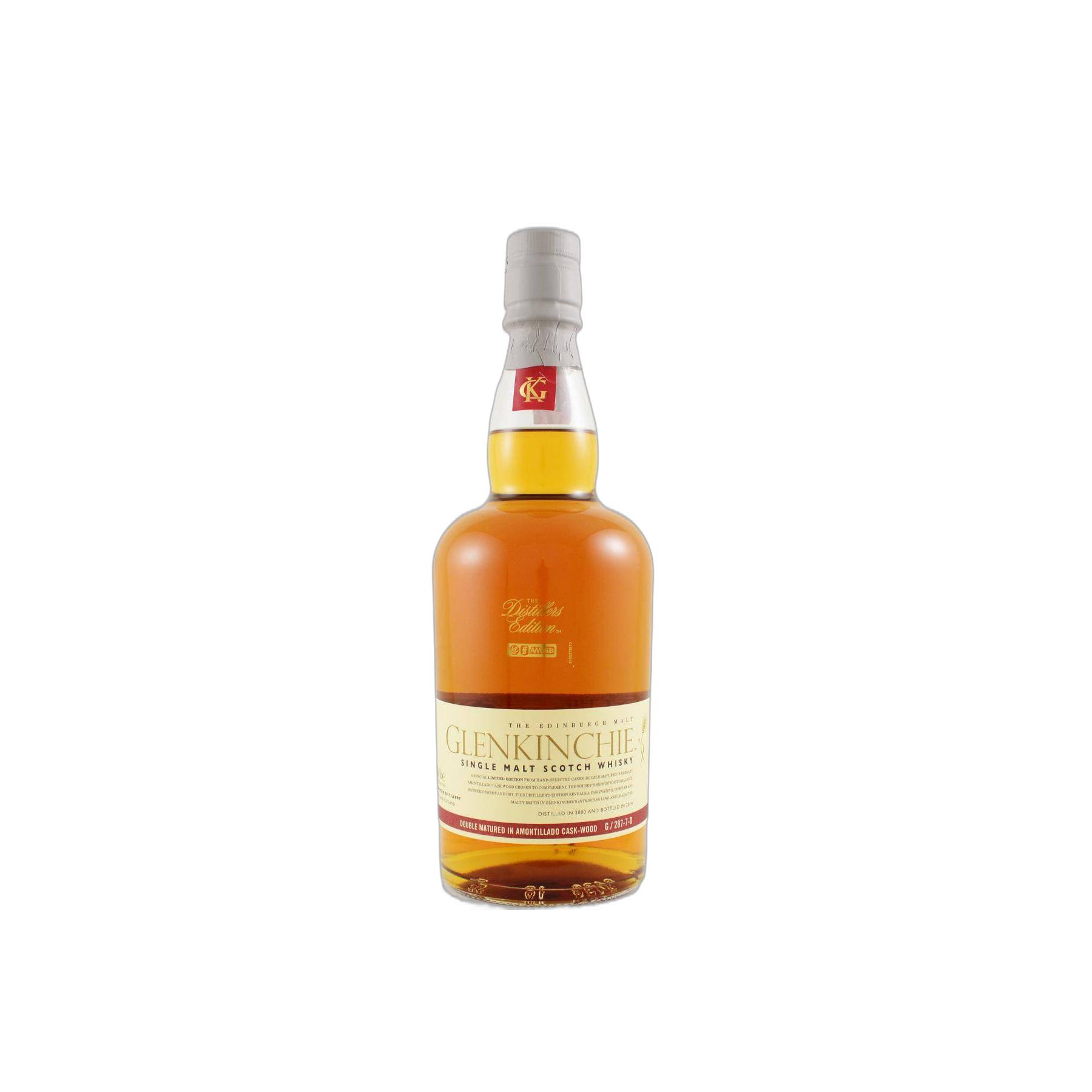
Glenkinchie The Distillers Edition 2000 14 Years Single Malt Whisky
Glenkinchie
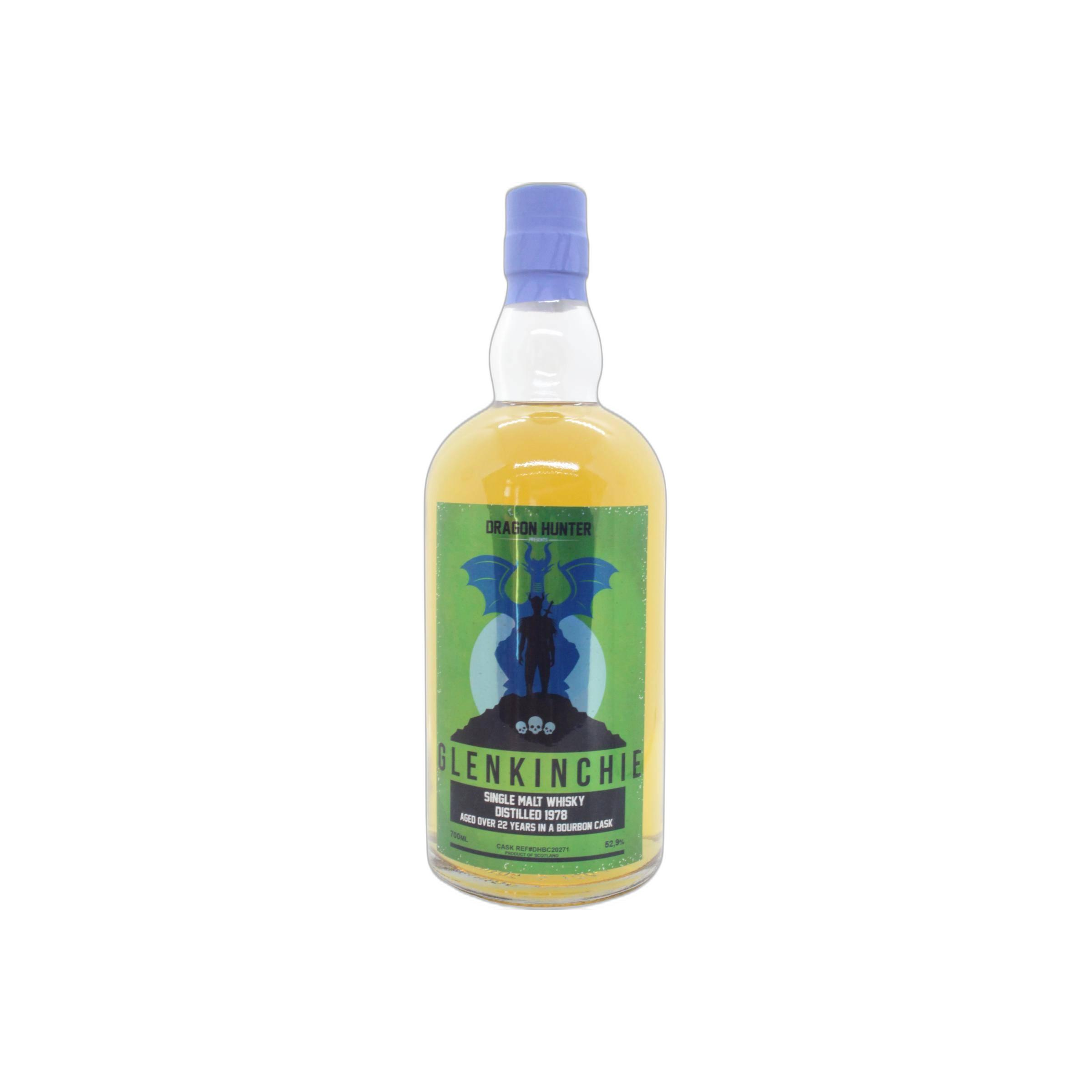
Glenkinchie 1978 22 Years Single Malt Whisky
Glenkinchie
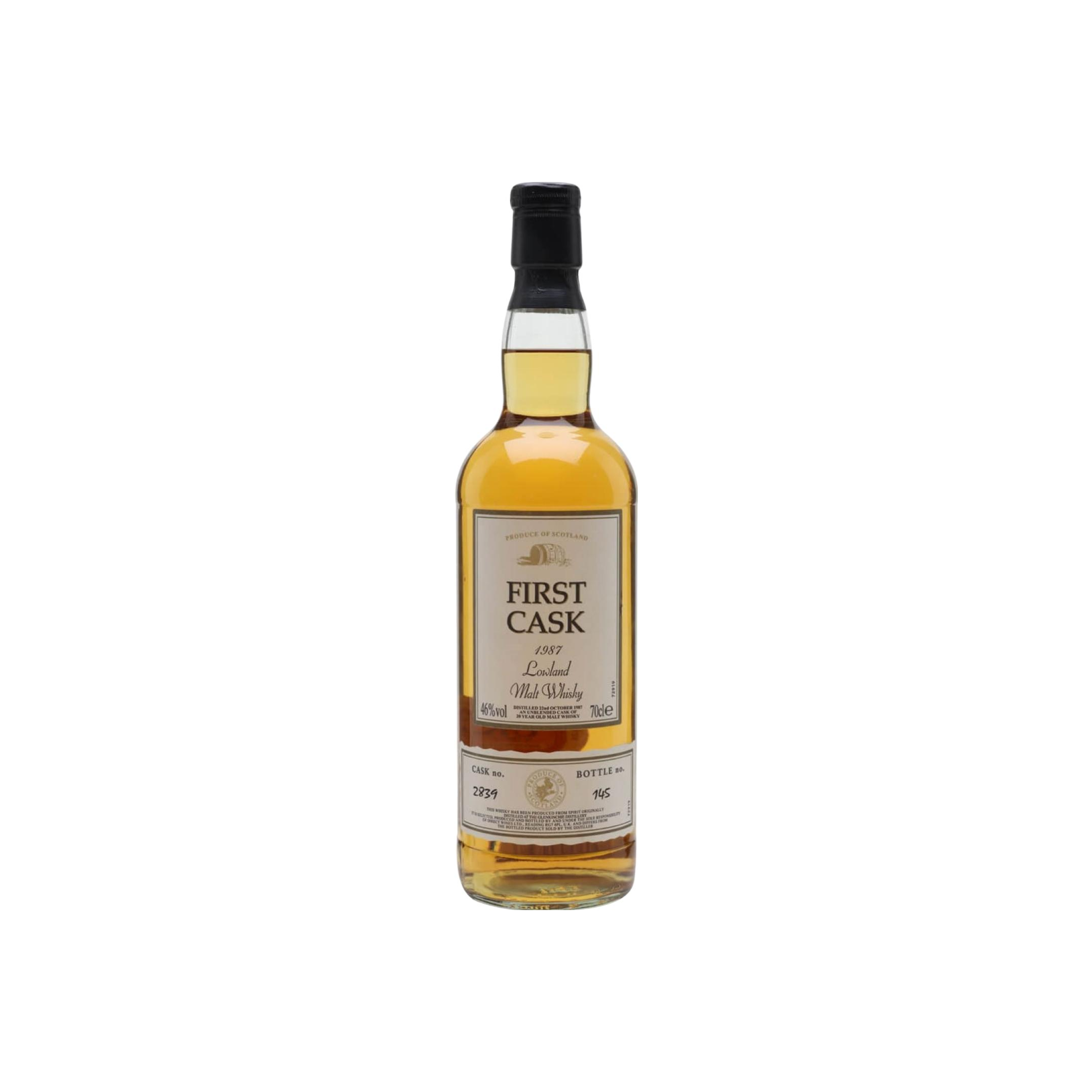
Glenkinchie 1987 20 Years Single Malt Whisky
Glenkinchie
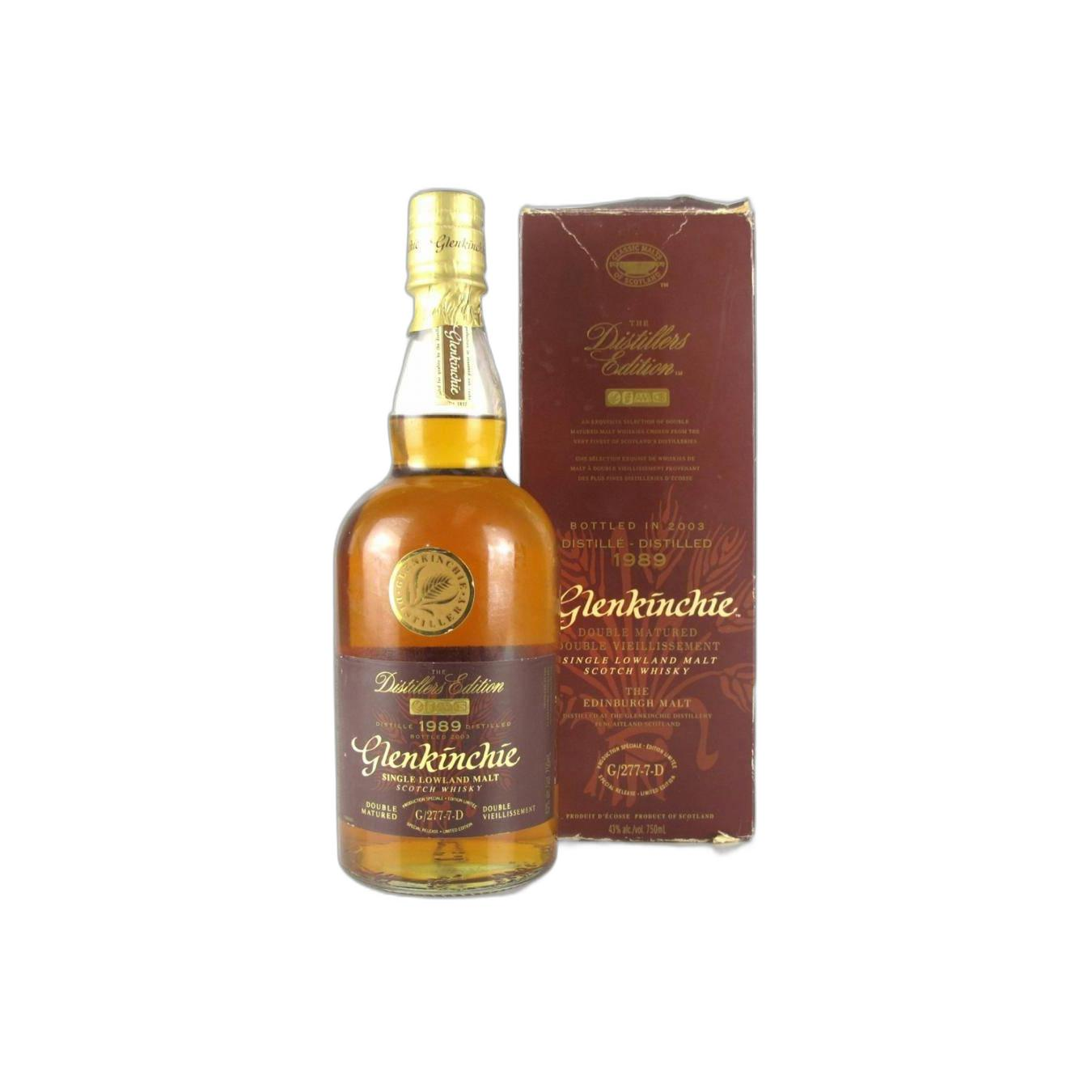
Glenkinchie The Distillers Edition 1989 14 Years Single Malt Whisky
Glenkinchie