

Fifteen years ago, Scapa and Glendronach distilleries nearly became sister distilleries to Bruichladdich amidst widespread ownership changes. Pernod Ricard had pursued Allied Domecq since 1999, partnering with Fortune Brands in 2005 to acquire the group for £7.4 billion—a transaction not subject to competition oversight. Allied Domecq's portfolio included Teacher's and Ballantine's Scotch whiskies, Beefeater gin, Kahlúa liqueur, Canadian Club whisky, and several distilleries including Scapa and Glendronach. Following the asset division agreement, Mark Reynier—who had previously acquired Bruichladdich from Fortune Brands—attempted to purchase Scapa and Glendronach, but both were ultimately acquired by Pernod Ricard. Scapa distillery features a 2.9-tonne semi-lauter copper mash tun, twelve fermentation washbacks, and two stills. Originally equipped with eight washbacks (four stainless steel), the distillery now operates twelve stainless steel washbacks, with an upgraded boiler. Fermentation time was reduced from 160 to 52 hours to increase production, though the additional washbacks may allow longer fermentation again. In 1959, Scapa installed a Lomond still from Glenburgie as its wash still—one of only two Lomond stills remaining in Scotch whisky production—though its adjustable plates were removed in 1979. In 2015, Scapa Skiren replaced Scapa 16 Year Old. Matured exclusively in first-fill bourbon casks, Skiren is a no age statement expression. Autumn 2016 saw the launch of Scapa Glansa, matured in American oak casks and finished in barrels that previously held peated whisky. The Distillery Reserve series from Pernod Ricard's Chivas Brothers includes no fewer than seven Scapa cask strength bottlings, sold exclusively at Scottish distillery visitor centers, aged 10-25 years. Two expressions feature sherry cask maturation; the remainder are bourbon cask matured.
History
Scapa distillery is built on the Lingro Burn, overlooking the wide anchorage of Scapa Bay. In 1919, the German High Seas Fleet scuttled itself there, and in 1939, a daring German submarine sank the Royal Navy battleship HMS Royal Oak in this location. A local minister reported in 1701 that the parish held an ancient and grand drinking competition, claimed to have been founded by St. Magnus in the 11th century when he arrived in the Orkney Islands and presented the local chieftain with 'some strong liquor.' 'If the chieftain drank it all in one go, he would greatly approve of him, assuring him that all would go well in his domain.' Scapa distillery was established in 1885 by Glasgow merchants John Townsend and operated until 1919, when the distillery was nearly destroyed by fire. Fortunately, Royal Navy sailors stationed at Scapa Bay formed a bucket brigade to extinguish the flames. The distillery changed hands several times until it was purchased by Hiram Walker in 1954; they rebuilt the distillery five years later, installing a Lomond still (see 'Inverleven' and 'Miltonduff'). In 1978, the distillery underwent another modernization when the baffles were removed from the still, resulting in a traditional straight-necked still. In 1994, the distillery was closed again, but intermittent production began in 1997 by staff from nearby Highland Park. Between 1986 and 1987, Allied Distillers bought Hiram Walker, acquiring ownership of the distillery. In 2004, they invested £2.1 million in a major renovation, launching the first proprietary bottling and establishing a fan club. Production ceased again in 2005 due to renovation plans; later that year, ownership transferred to Chivas Brothers under Pernod Ricard, who resumed production in October 2005 to mark the distillery's 120th anniversary.
Curiosities
When Alfred Barnard visited Scapa in 1886, he described it as 'one of the most complete small-scale distilleries in Britain.' A large water wheel powered by the Lingro Burn supplies electricity to the distillery. Since 1959, Scapa has been operating a Lomond still. This still came from the Glenburgie distillery, and although the adjustable plates have been removed, it remains one of only two such stills in existence today. As an island distillery, Scapa's choice to produce unpeated whisky is unusual.
Timeline
Mtarare Townsend and John Townsend established the distillery
Scapa Distillery Company Ltd took over the distillery
Scapa Distillery Company went into voluntary liquidation; Scapa ceased production
Production resumed
Bloch Brothers Ltd (John and Sir Maurice) took over
Hiram Walker & Sons took over
Lomond still installed
Distillery underwent modernization and renovation
Distillery mothballed
Distillery operated only a few months per year; staff came from Highland Park.
Distillery underwent £2.1 million renovation; Scapa 14 Year Old launched
April, production ceased; new phase renovation plan launched; Chivas Brothers became new owners of the distillery
Scapa 1992 (14 Year Old) launched
Scapa 16 Year Old launched
Distillery opened to visitors; Scapa Skiren launched
Scapa Glansa peated expression launched
Hot Search Whiskies
Showing top 10
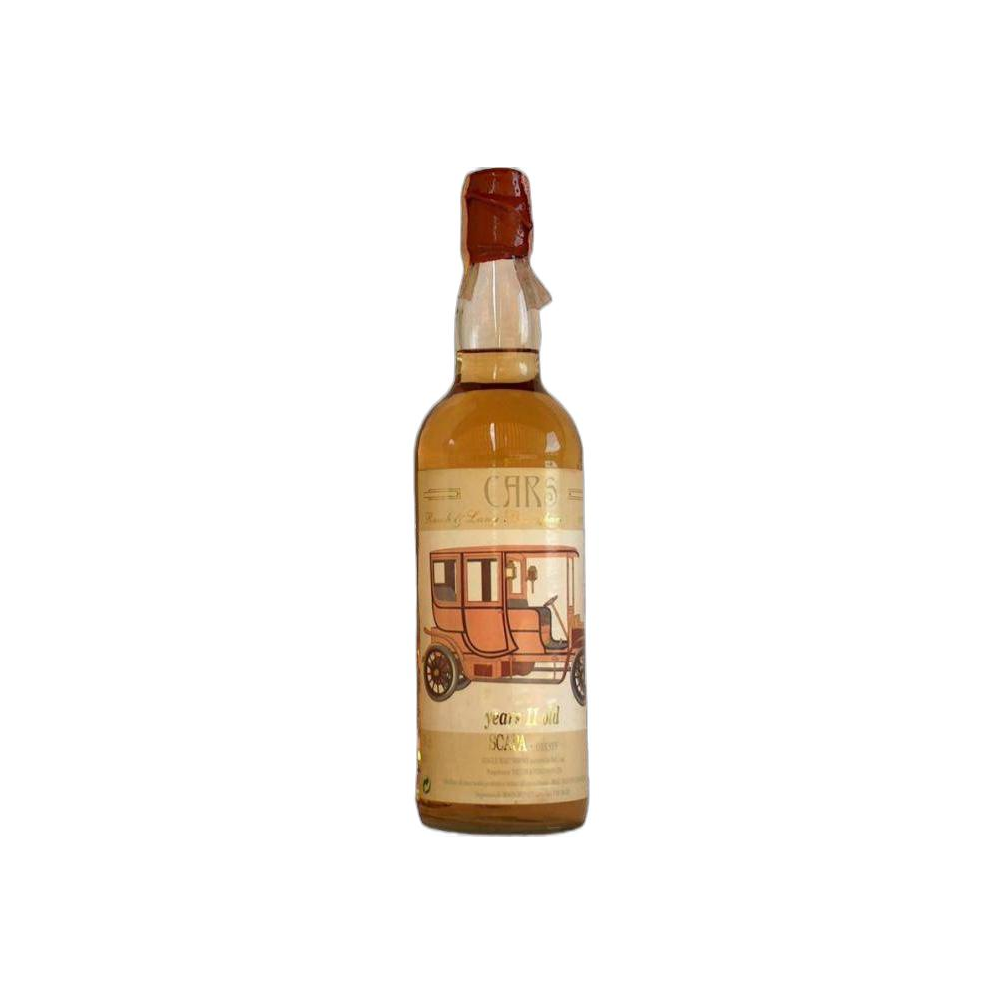
Scapa 11 Years Single Malt Whisky
Scapa
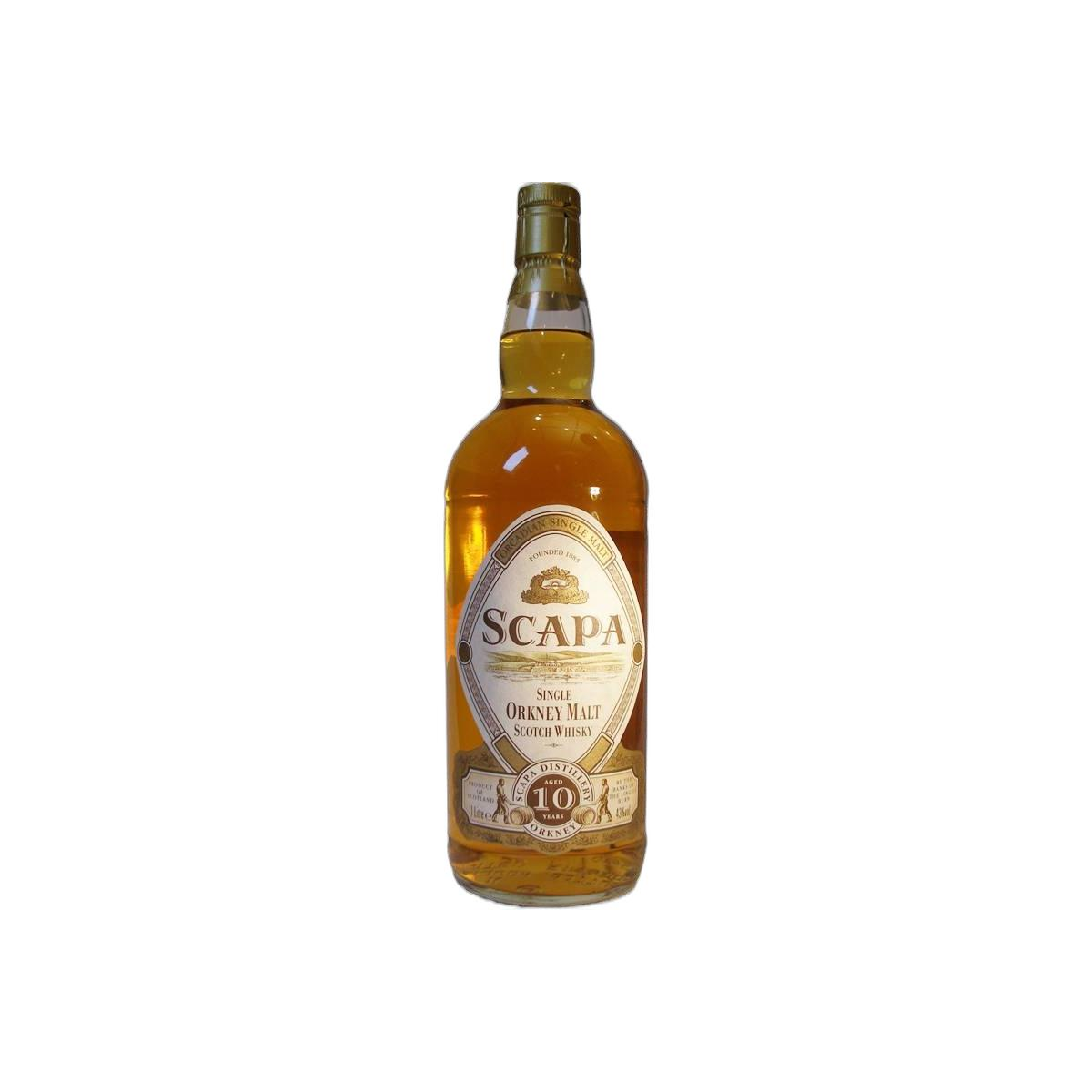
Scapa 10 Years Single Malt Whisky
Scapa
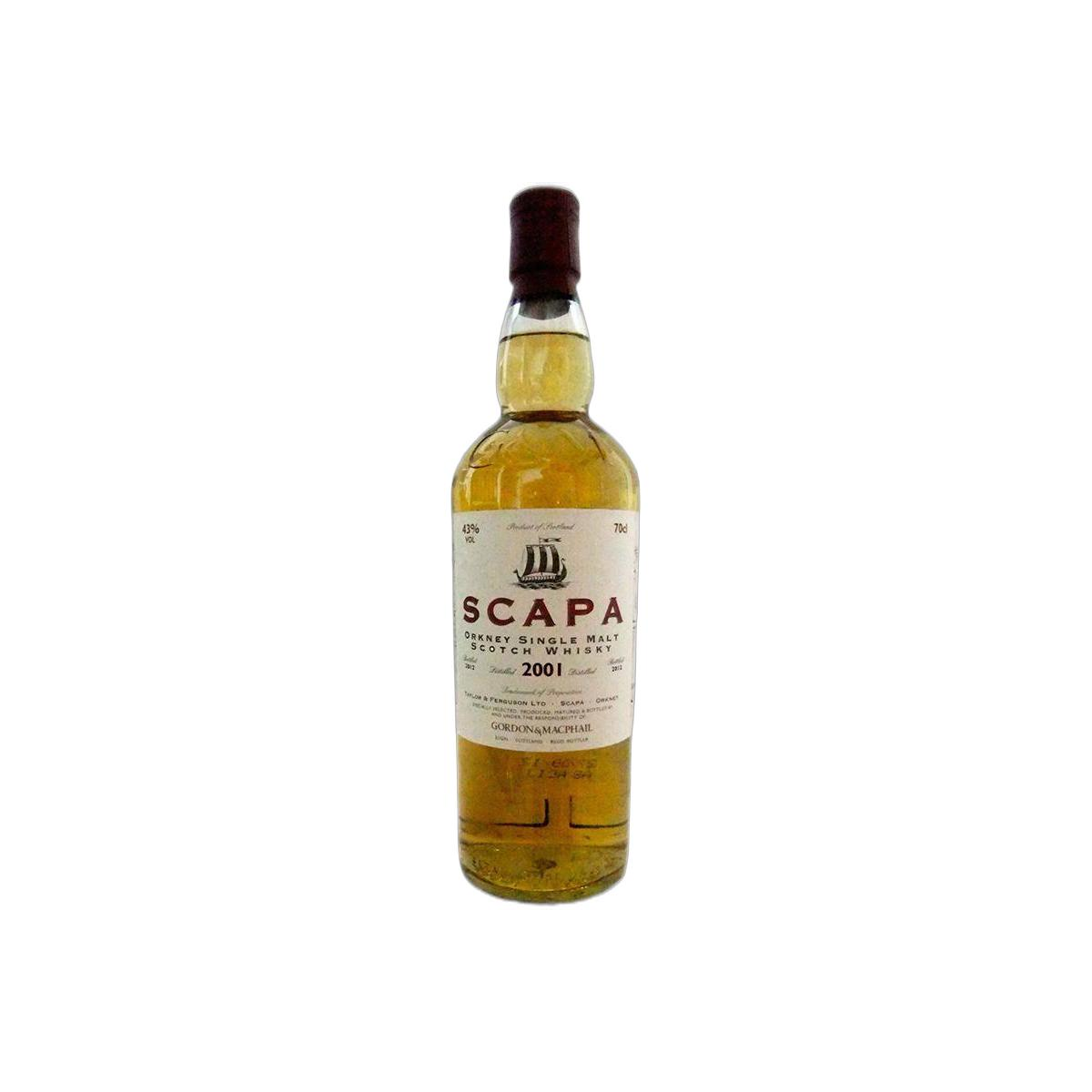
Scapa Licensed Bottling 2001 13 Years Single Malt Whisky
Scapa
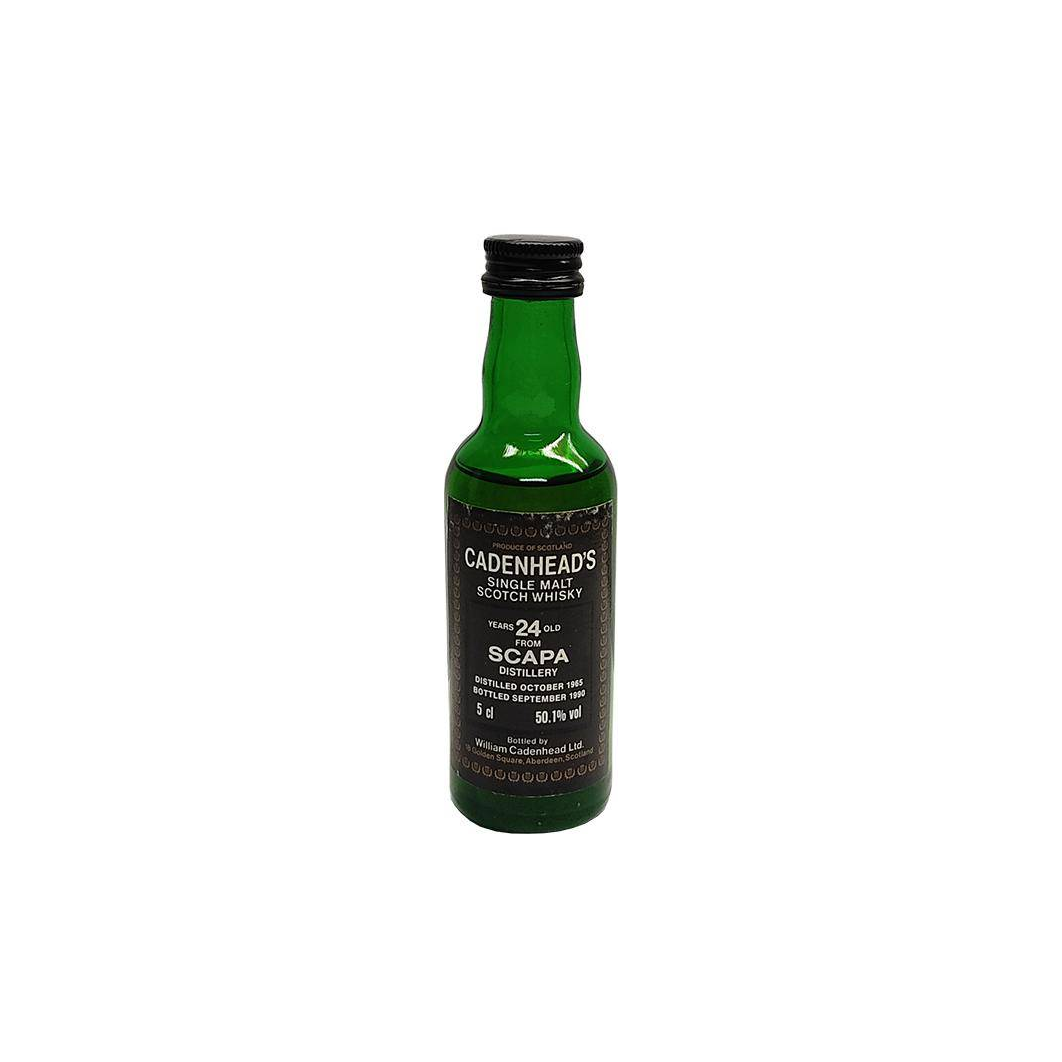
Scapa Miniature 1965 24 Years Single Malt Whisky
Scapa
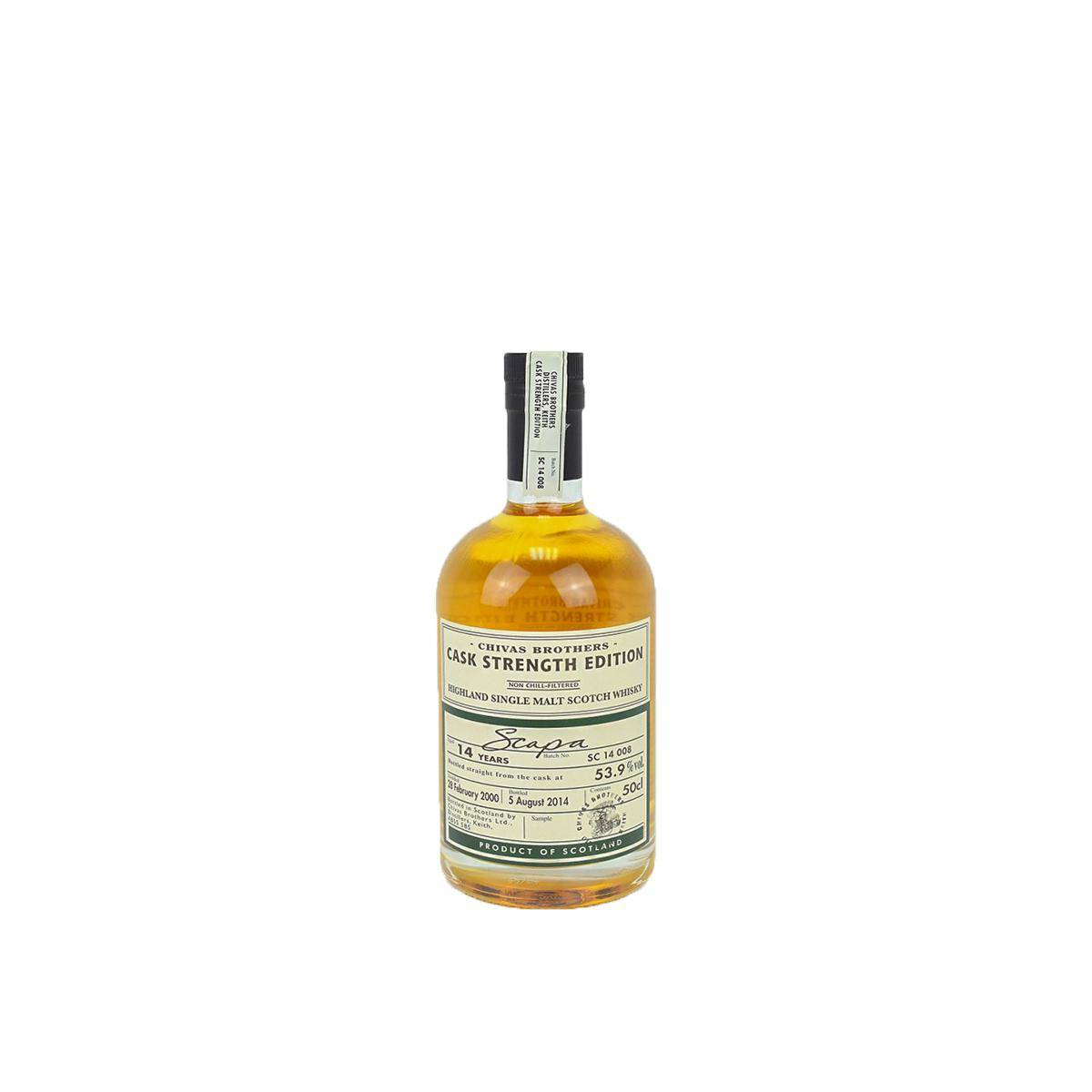
Scapa 2000 14 Years Single Malt Whisky
Scapa
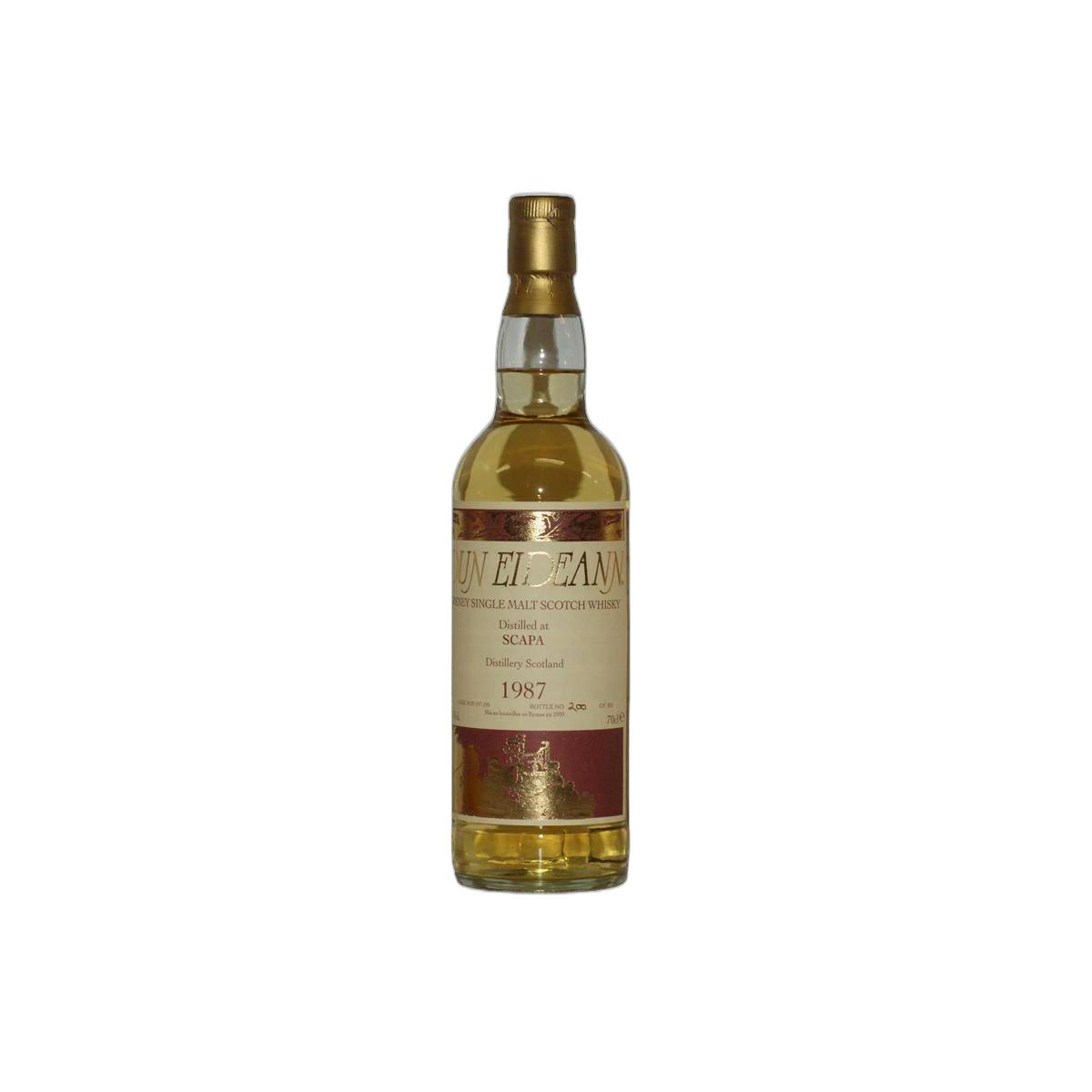
Scapa 1987 13 Years Single Malt Whisky
Scapa
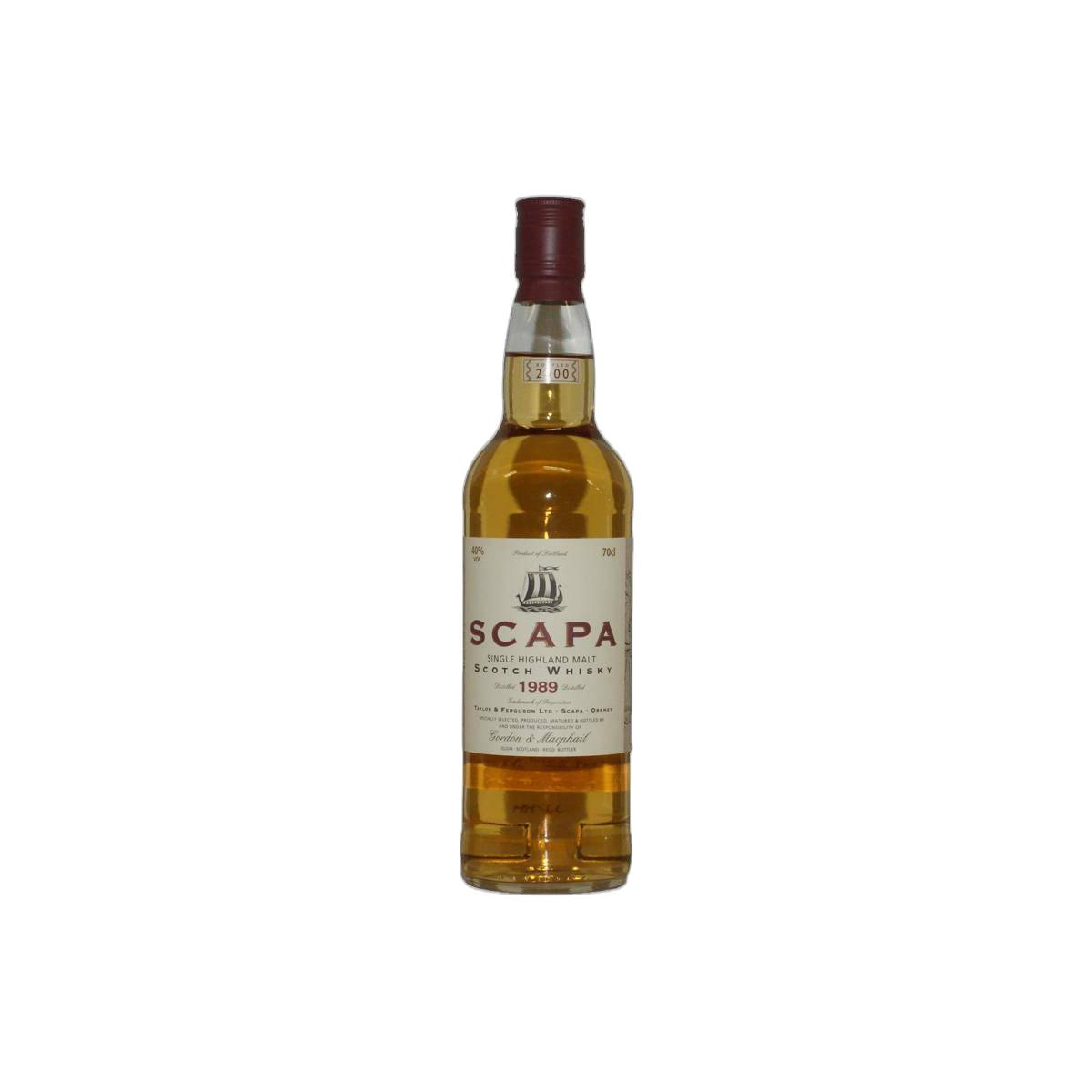
Scapa Licensed Bottling 1989 11 Years Single Malt Whisky
Scapa
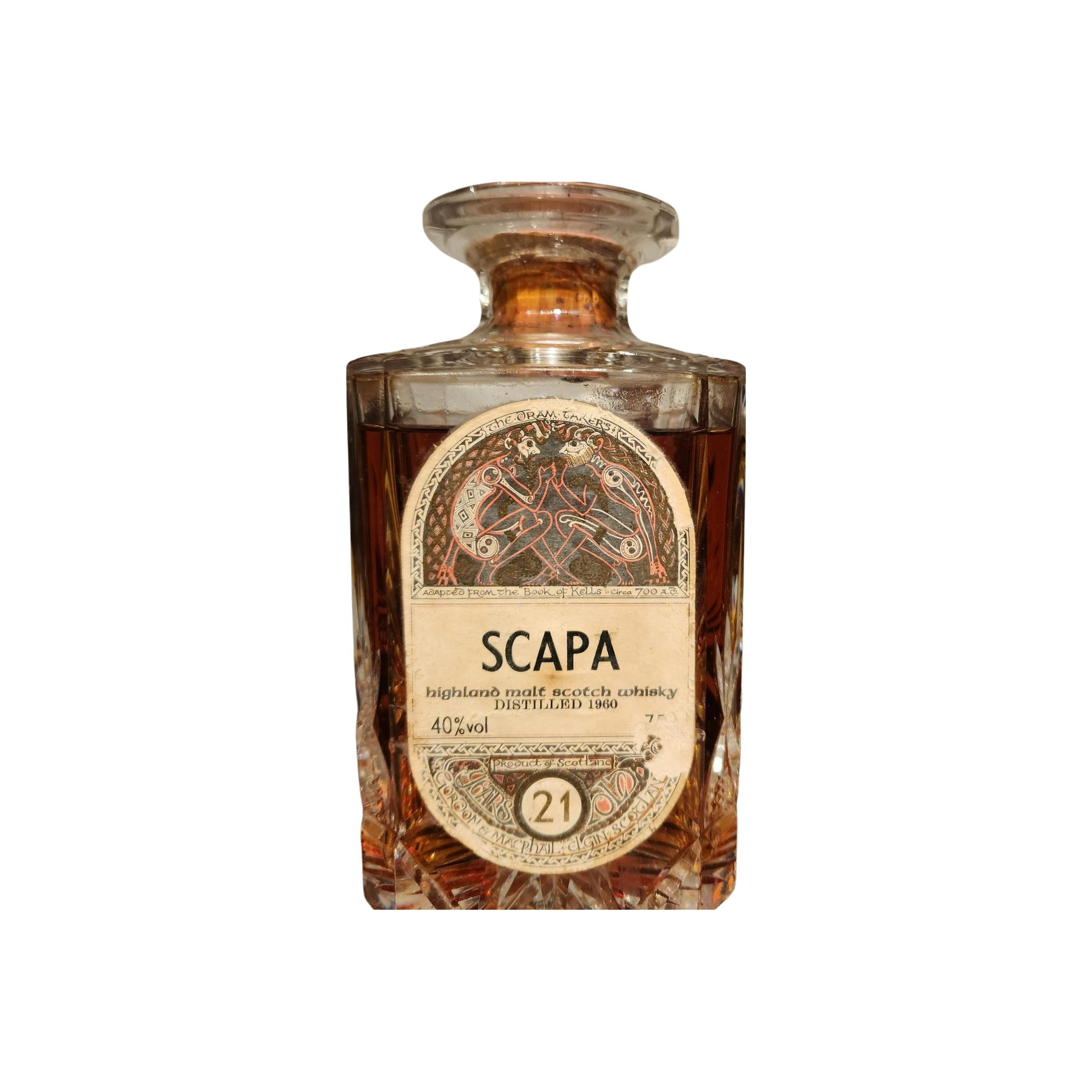
Scapa 1960 21 Years Single Malt Whisky
Scapa
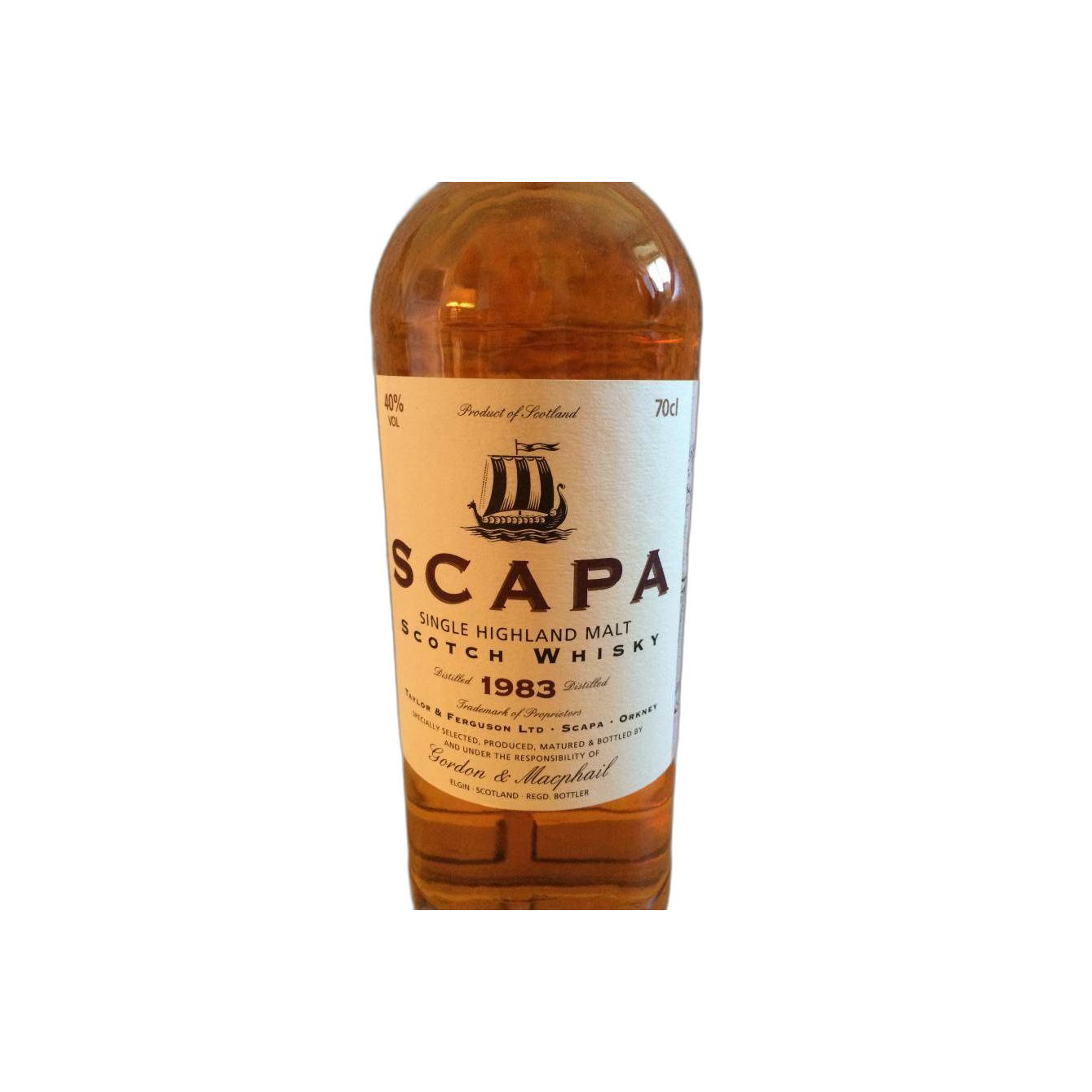
Scapa Licensed Bottling 1983 10 Years Single Malt Whisky
Scapa
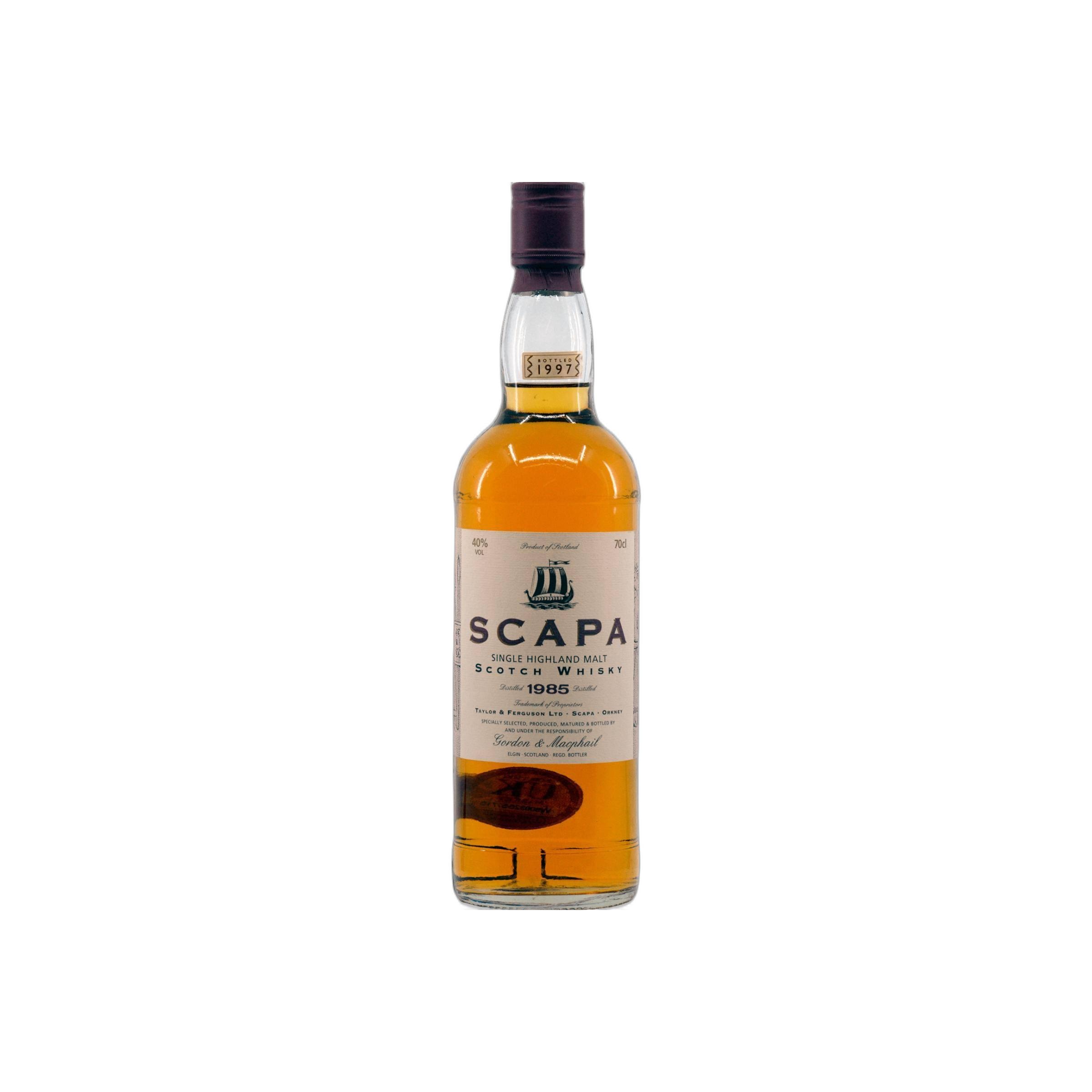
Scapa Licensed Bottling 1985 12 Years Single Malt Whisky
Scapa