
Balmenach Distillery stands as Inver House's enigmatic outlier among its five Scottish distilleries—the only one without an official single malt bottling range. While sister distilleries like Speyburn and anCnoc flourish under their own labels, Balmenach's single malt potential remains exclusively in the hands of independent bottlers, particularly Aberko's Deerstalker series, which recently released a 12-year-old expression. This oversight seems paradoxical given the distillery's rich heritage: once part of Diageo's portfolio, it featured in the prestigious Flora & Fauna collection with a 12-year-old, and commemorated Queen Elizabeth's Golden Jubilee in 2002 with a rare 25-year-old official bottling. Technically, Balmenach is a marvel of traditional craftsmanship, equipped with an 8-ton semi-lauter stainless steel mash tun crowned with a vintage copper dome, six larch washbacks undergoing 52-hour fermentations, and three pairs of prized worm tub condensers that contribute to its robust, meaty spirit character. Production capacity reaches 1.9 million liters annually from 15 weekly mashes. The distillery also champions sustainability through its new biogas facility, converting 130 cubic meters of draff and pot ale into 2,000 cubic meters of clean biogas daily via anaerobic digestion. Adding to its versatility, Balmenach has spent the last decade producing Caorunn Gin, vapor-infusing botanicals through five copper trays in a unique still setup. This combination of historical significance, traditional equipment, and modern innovation makes Balmenach one of Scotland's most intriguing unsung distilleries.
History
One of the earliest modern writers on Scotch whisky was Sir Robert Bruce Lockhart (author of 'Scotch', 1951). His great-grandfather James MacGregor had been illegally distilling barley at Balmenach until he received one of the first distilling licenses in the Speyside region in 1823. When James died in 1878, his brother John took over the distillery (abandoning a promising career in New Zealand). Alfred Barnard described Balmenach in the mid-1880s as 'belonging to the most ancient style... using the old-fashioned pot stills and oak casks as shown in the picture.' This was the result of deliberate design: John MacGregor refused any changes for fear they would destroy the character and quality of the whisky. In 1897, his son, another James, took over the distillery. He formed a limited company, Balmenach-Glenlivet Ltd, and made several improvements, including a railway siding with a steam locomotive, which ceased operation in October 1968, just days before the Speyside line itself closed. In 1922, the MacGregor family sold the distillery to a blending company, which became part of D.C.L. (the predecessor of Diageo) in 1925. Under S.M.D. (also a predecessor of Diageo), Balmenach expanded from four to six stills in 1960—a mark of high quality that many blenders listed as a top-grade spirit. In 1964, the floor maltings were replaced by Saladin boxes. The mash house was rebuilt in 1968, and a dark grains plant was installed ten years later. All this served the standard 'light railway scheme,' with the difference that Balmenach was designed to be entirely gravity-fed, with no pumping required between the initial charging of the wash still and the final cask filling (see Caol Ila). Balmenach was mothballed in 1993 and sold to Inver House Distillers in 1997. Production resumed the following year. The new owners did not acquire the previous stocks, which is why this fine single malt is not easily found today. In 2001, Inver House was acquired by a subsidiary of ThaiBev plc and merged into the company's international division, International Beverage Holdings (InterBev), in 2006.
Curiosities
In 1690, the Haughs of Cromdale near the distillery witnessed a pivotal battle where a Jacobite force was ambushed by government dragoons under cover of darkness. During the Second World War, the distillery fell silent like most of its peers, and Balmenach was repurposed as barracks for the Royal Corps of Signals. In the 1990s, Glasgow-based independent bottler Aberfoyle & Knight resurrected the spirit under the evocative 'Deerstalker' label.
Timeline
James MacGregor obtained a distillery operating license, operating a small farm distillery named Balmenach.
Balmenach-Glenlivet Distillery Company was established.
The MacGregor family sold the distillery to a consortium.
The consortium merged into Distillers Company Limited (DCL).
Balmenach was acquired by Scottish Malt Distillers (SMD).
The number of stills increased to 6.
Floor malting was changed to Saladin box malting.
The first official bottling was a 12-year-old expression.
In May, the distillery went into mothballing.
Inver House Distillers purchased Balmenach from United Distillers.
Production resumed.
Thailand's Pacific Spirits acquired Inver House Distillers for £56 million.
To commemorate the Queen's Golden Jubilee, Balmenach released a 25-year-old expression.
International Beverage Holdings Limited acquired Pacific Spirits UK.
Began producing gin.
Hot Search Whiskies
Showing top 10
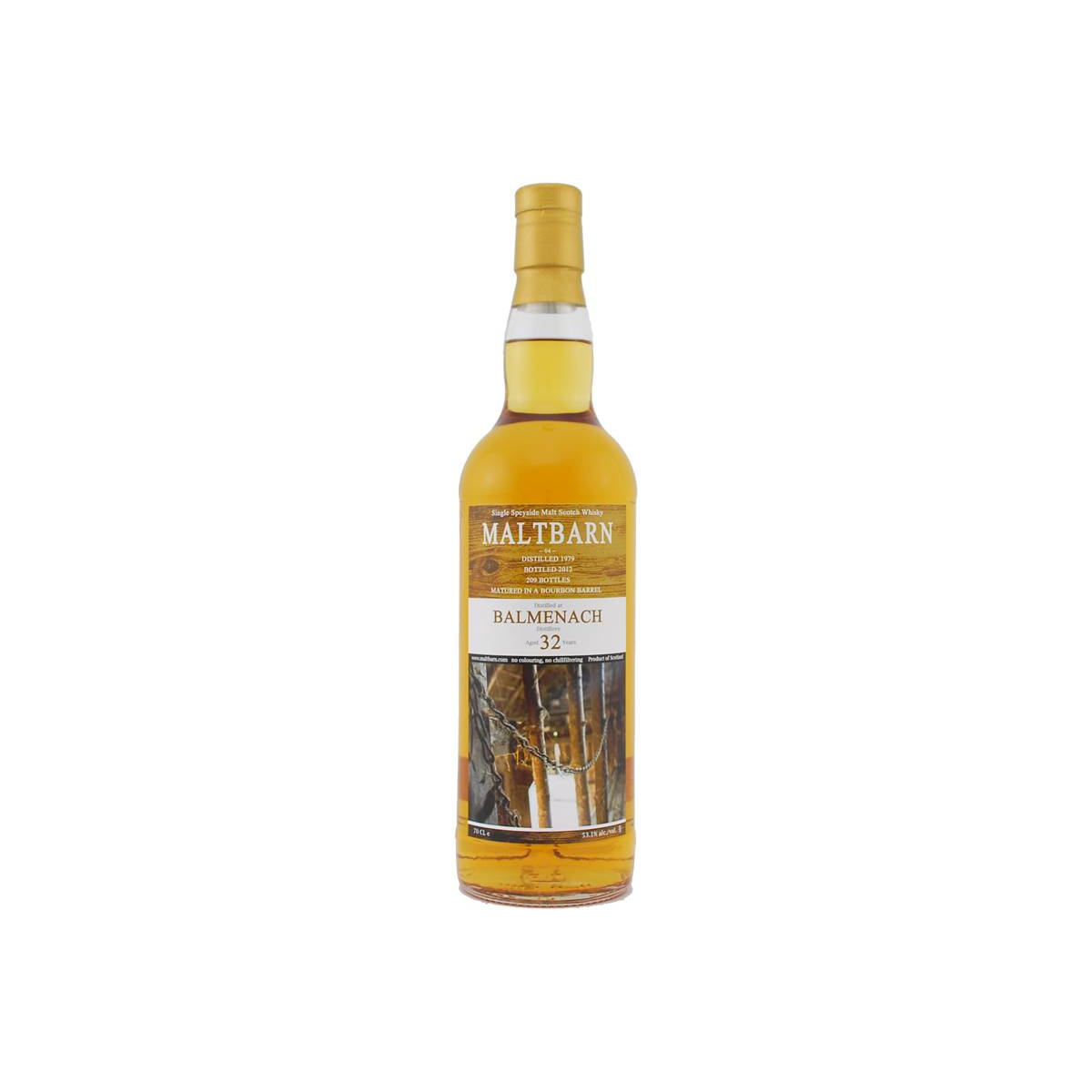
Balmenach 1979 32 Years Single Malt Whisky
Balmenach
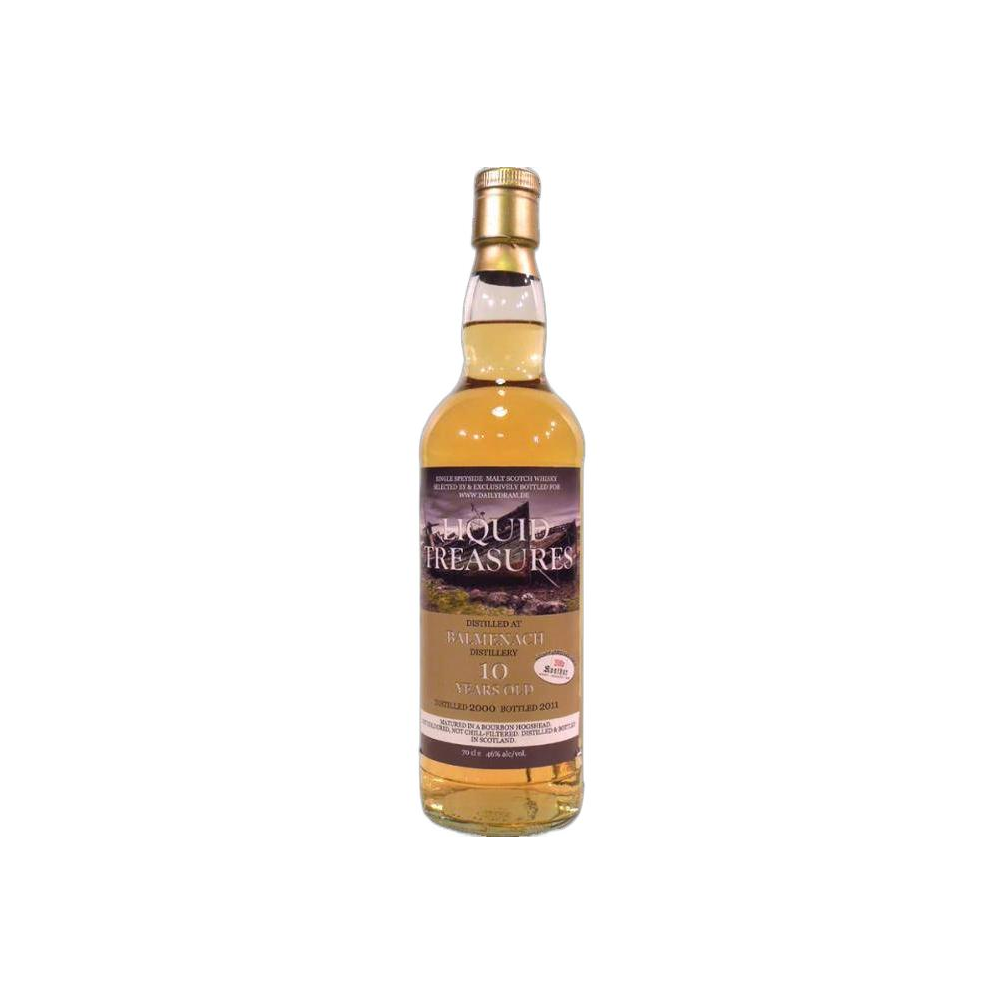
Balmenach 2000 10 Years Single Malt Whisky
Balmenach
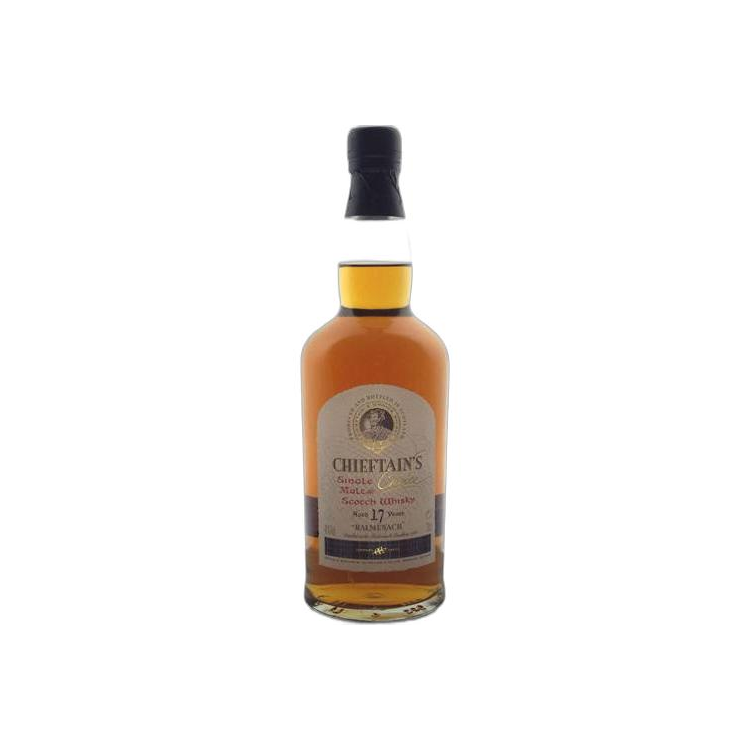
Balmenach 1981 17 Years Single Malt Whisky
Balmenach
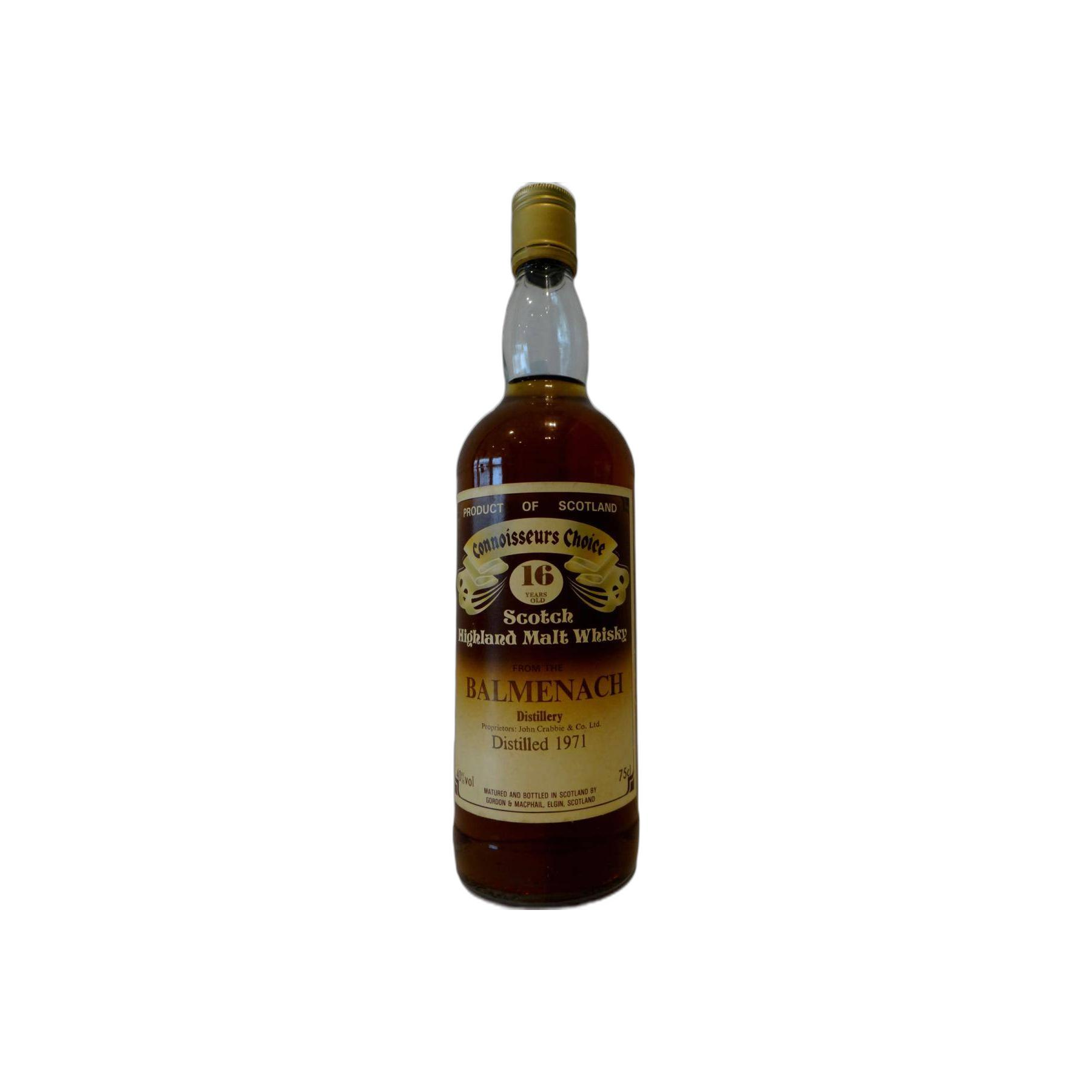
Balmenach Connoisseurs Choice 1971 16 Years Single Malt Whisky
Balmenach
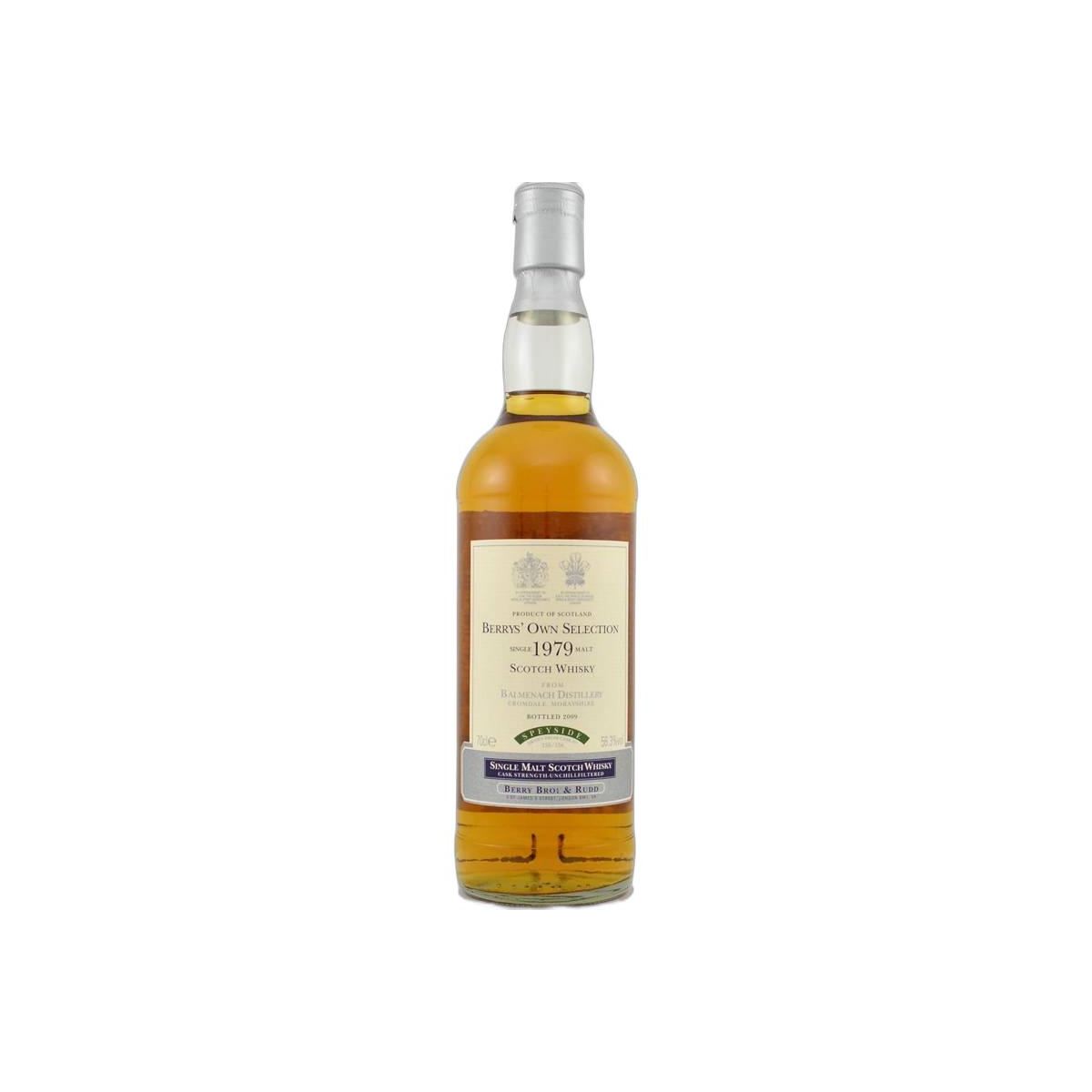
Balmenach 1979 30 Years Single Malt Whisky
Balmenach
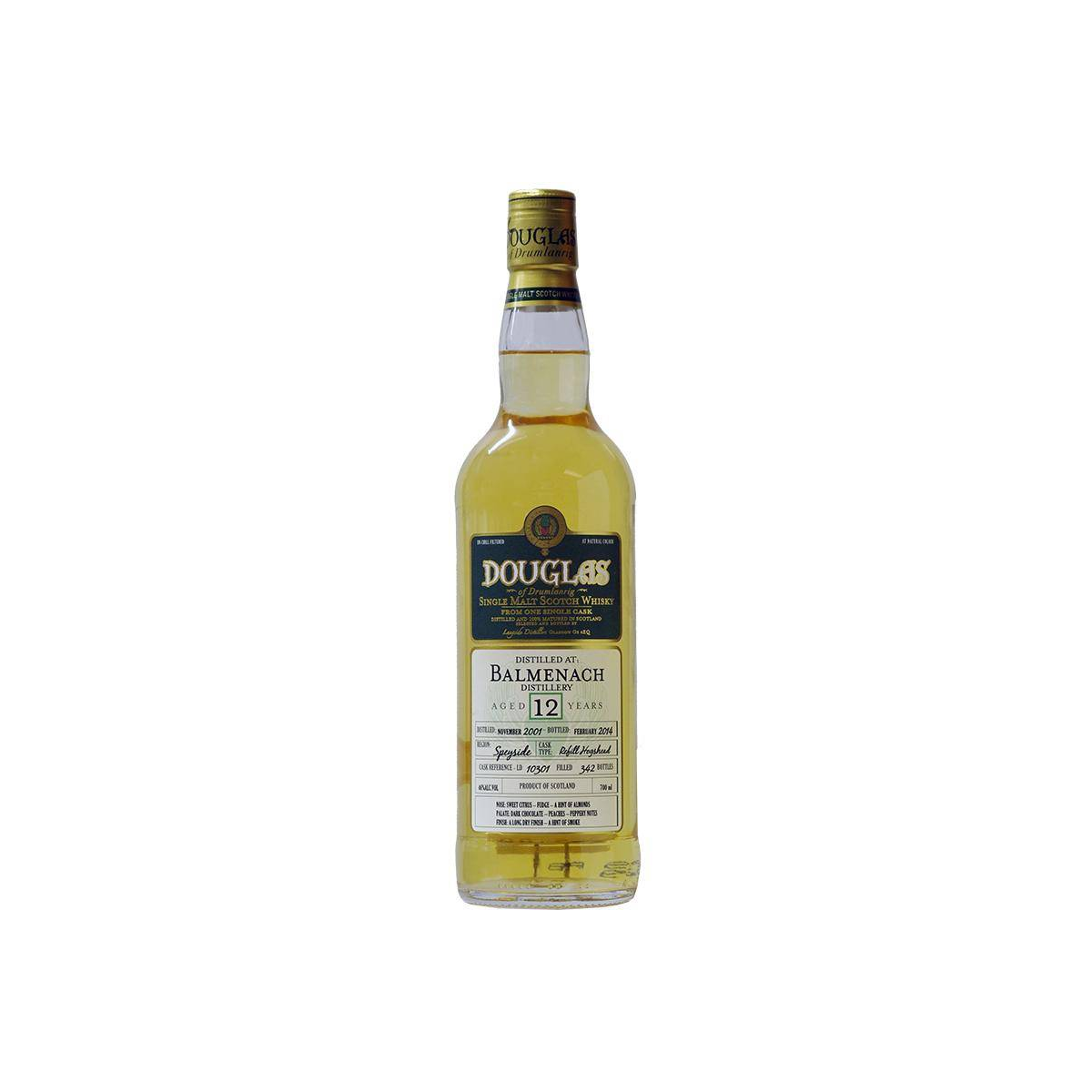
Balmenach 2001 12 Years Single Malt Whisky
Balmenach
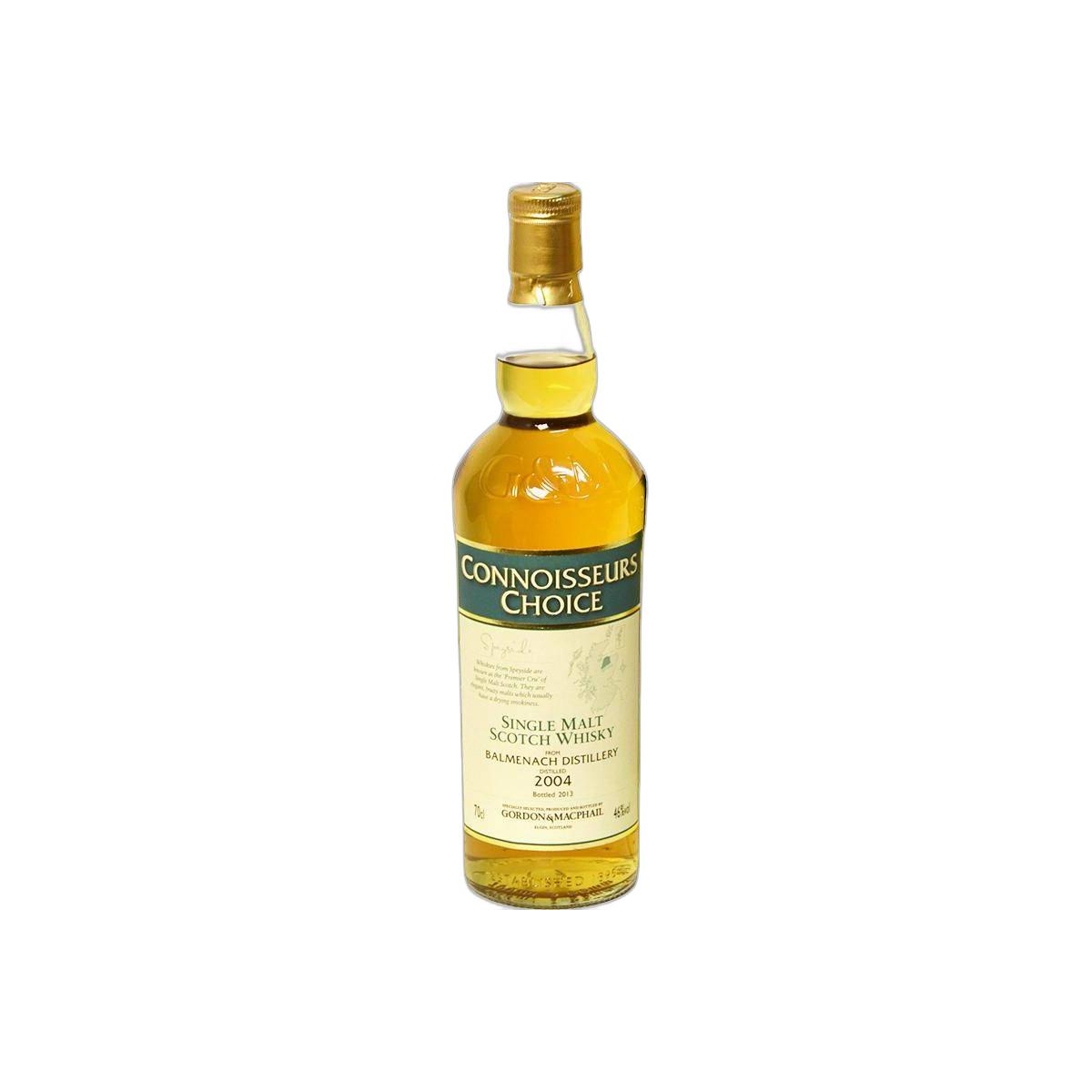
Balmenach Connoisseurs Choice 2004 9 Years Single Malt Whisky
Balmenach
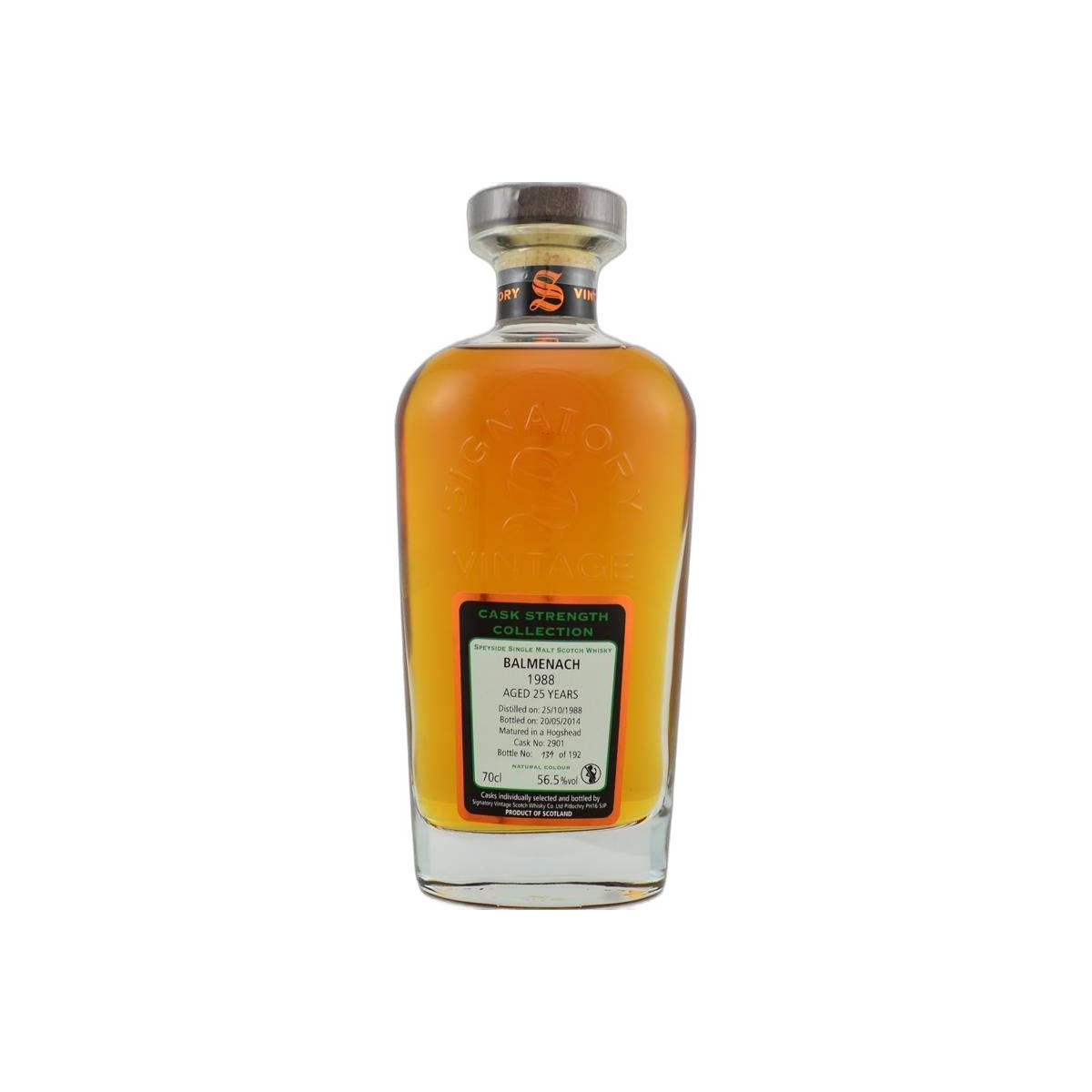
Balmenach Cask Strength Collection 1988 25 Years Single Malt Whisky
Balmenach
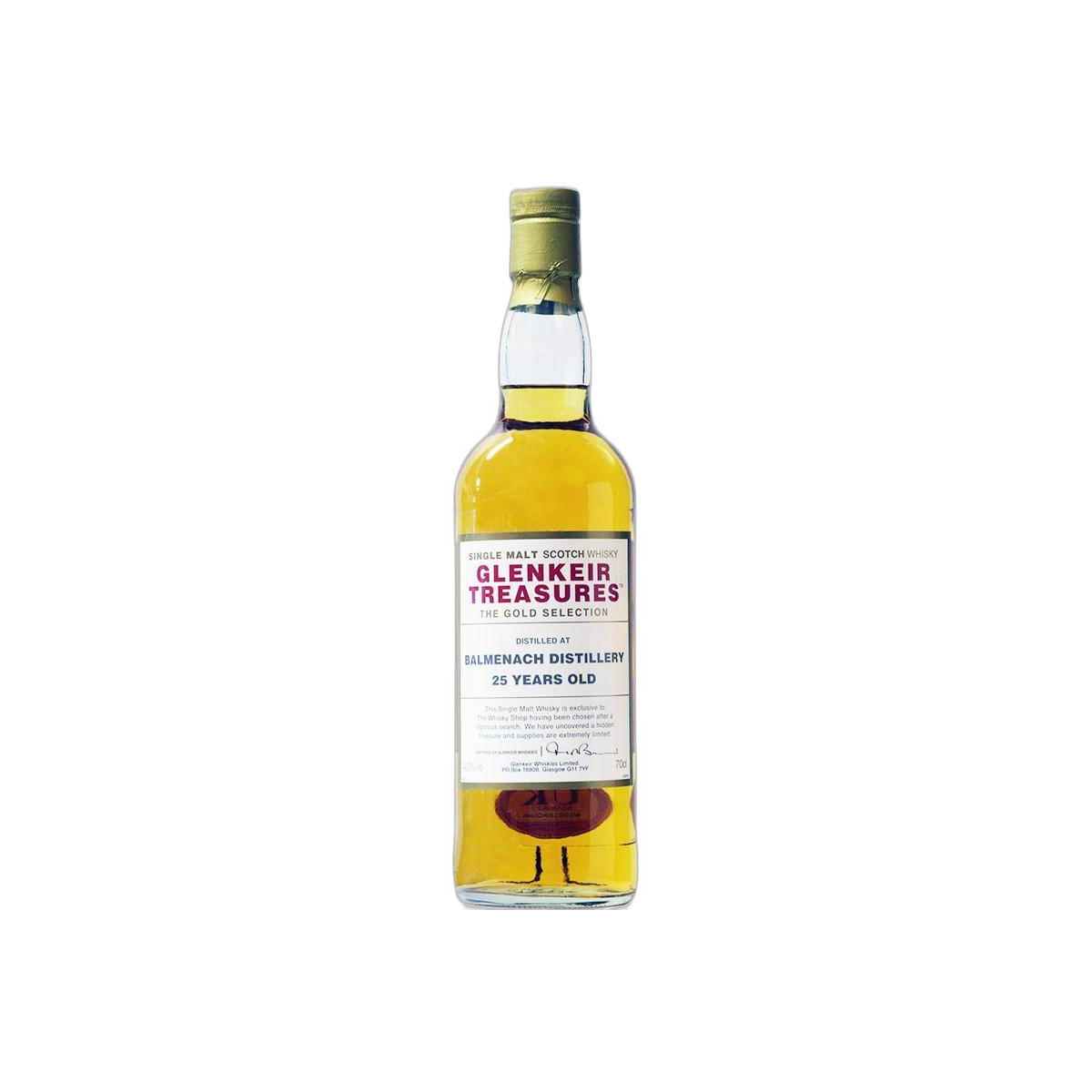
Balmenach 25 Years Single Malt Whisky
Balmenach
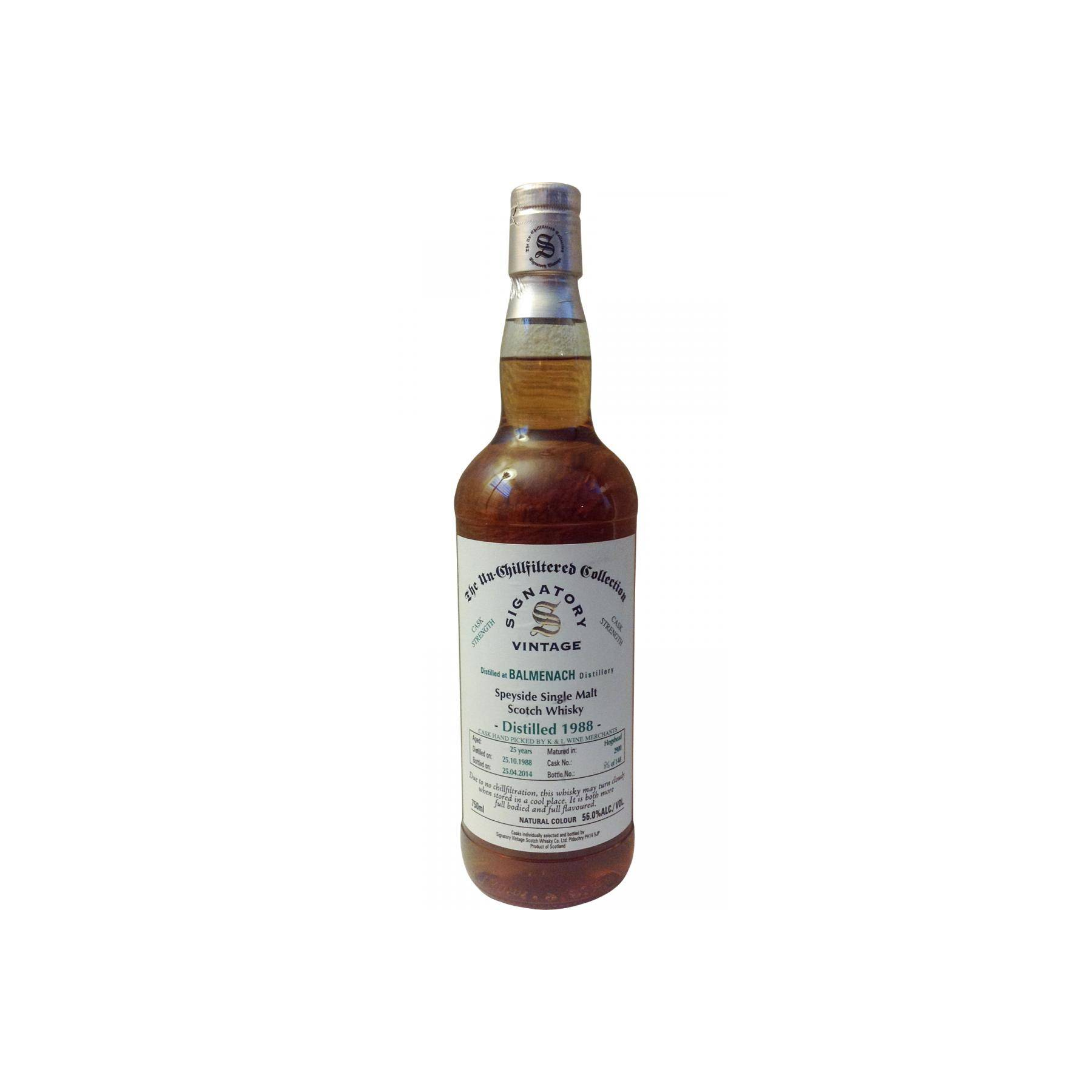
Balmenach Cask Strength Collection 1988 25 Years Single Malt Whisky
Balmenach