
Brora
Brora stands as one of Scotland's most legendary 'ghost distilleries,' having operated from 1819 to 1983 before its closure and miraculous rebirth in 2020. Originally established as Clynelish by the notorious Marquis of Stafford during the Highland Clearances, the distillery was rebuilt in 1896 by James Ainslie, creating a heavily peated maritime malt that became essential to Johnnie Walker blends. After DCL built a new Clynelish distillery in 1967, the original site was renamed Brora and specialized in robust, phenolic whisky for premium blends. During its 'silent era' (1983-2020), remaining stocks became some of the world's most collectible whiskies, commanding auction prices exceeding $10,000 per bottle. Diageo's £35 million restoration preserved two original copper pot stills and vintage equipment, relaunching production in 2020 with an 800,000-liter capacity. The distillery's waxy, sooty, maritime character—reminiscent of burnt heather and sea salt—continues to define its ultra-premium Special Releases and the milestone 40-year-old 200th anniversary edition.
History
For most of its existence, the Brora distillery was known as 'Clynelish,' but in 1967, a new distillery with the same name was built next door. The original was mothballed for a year, then reopened as Clynelish No.2 until it was renamed 'Brora' in 1975. The distillery closed in May 1983, and most of its equipment was dismantled. The elegant old buildings still stand, with the warehouses occupied by Clynelish. Founded in 1819 by the Marquess of Stafford (later the 1st Duke of Sutherland), Clynelish/Brora was part of his improvement plans for his wife's vast northern estates. To make way for sheep farming, this plan also required clearing approximately 15,000 tenants from the land, some of whom were forcibly relocated to new coastal towns like Brora. The distillery struggled for the first 70 years, with individual owners forced into bankruptcy. Then, in 1896, it was purchased and rebuilt by James Ainslie & Company (Glasgow blenders) in partnership with John Risk (owner of Bankier Distillery near Falkirk). In 1912, the latter partnered with D.C.L. to obtain full ownership. After 1916, it also partnered with John Walker & Sons. In 1925, John Walker & Sons (along with Clynelish/Brora) merged with D.C.L., spreading the risk. Thereafter, the brand's whisky was used in John Walker & Sons' blends. In 1961, the distillery's two stills were converted from direct coal firing to internal steam heating, and the steam engine and water wheel were replaced by electricity in 1965, with floor malting discontinued the same year. Between May 1979 and July 1983, Brora/Clynelish produced a heavily peated malt whisky for blending. In November 2017, Diageo unexpectedly announced plans to bring Brora and Port Ellen distilleries back into operation before 2020, with an investment of approximately £35 million. The plan is to replicate the previous distillery's equipment and processes while bringing Brora's capacity to 800,000 liters of pure alcohol.
Curiosities
Professor George Saintsbury, the great Victorian connoisseur and author of 'Notes from a Cellar Book', held Brora/Clynelish in the highest regard. The distillery and its warehouses are listed historical monuments, with most of the original equipment—stills, fermenters, mash tuns—still in situ. Indeed, Harper's Weekly commented in 1896: 'Among single Scotch whiskies, this distillery's spirits always fetch the highest prices. They are consigned—after payment of duty—to private customers throughout the United Kingdom; they are also a very valuable export article, the demand for export being so great that the proprietors… have for years had to refuse trade orders.' In 2002, Diageo began releasing Brora limited vintage bottlings, starting with 30 years, changing to 25 years from 2008, and in January 2014 launched Brora 40 Year Old (travel retail exclusive, limited to 260 bottles, recommended retail price £6,995). In May 2017, a bottle of 1972 Brora sold at a Hong Kong auction for HK$147,000, approximately £13,900.
Timeline
Distillery established by Marquis of Stafford (later Duke of Sutherland)
James Harper, the licensee who obtained legal production license for the distillery, filed for bankruptcy; John Matheson took over the distillery.
James Harper returned and became the proprietor again.
Andrew Ross took over the license.
Lawson family took over the distillery
James Ainslie purchased the distillery
Distillers Company Limited (DCL) and James Risk jointly took over the distillery
John Walker & Son purchased partial ownership
DCL purchased full ownership
Scottish Malt Distillers took over the distillery.
Distillery mothballed.
Distillery resumed production.
Distillery was electrified (to this day, it still uses local coal).
A new distillery was built next to the existing one, also known as Clynelish distillery.
In April, Clynelish distillery B closed, but soon after was renamed Brora; the distillery reopened, continuing to produce heavily peated whisky until 1973.
Officially renamed Brora
Distillery was closed
Rare Malts series released Brora 1972 (20 years old) and Brora 1972 (22 years old).
Diageo first released Brora 30-year-old under the Special Releases series.
Released 13th edition of Brora 35-year-old.
Released 14th edition of Brora 37-year-old.
Released 15th edition of Brora 38-year-old.
Diageo announced plans to reopen the distillery
Released Brora 40-year-old; distillery began reconstruction.
Hot Search Whiskies
Showing top 10
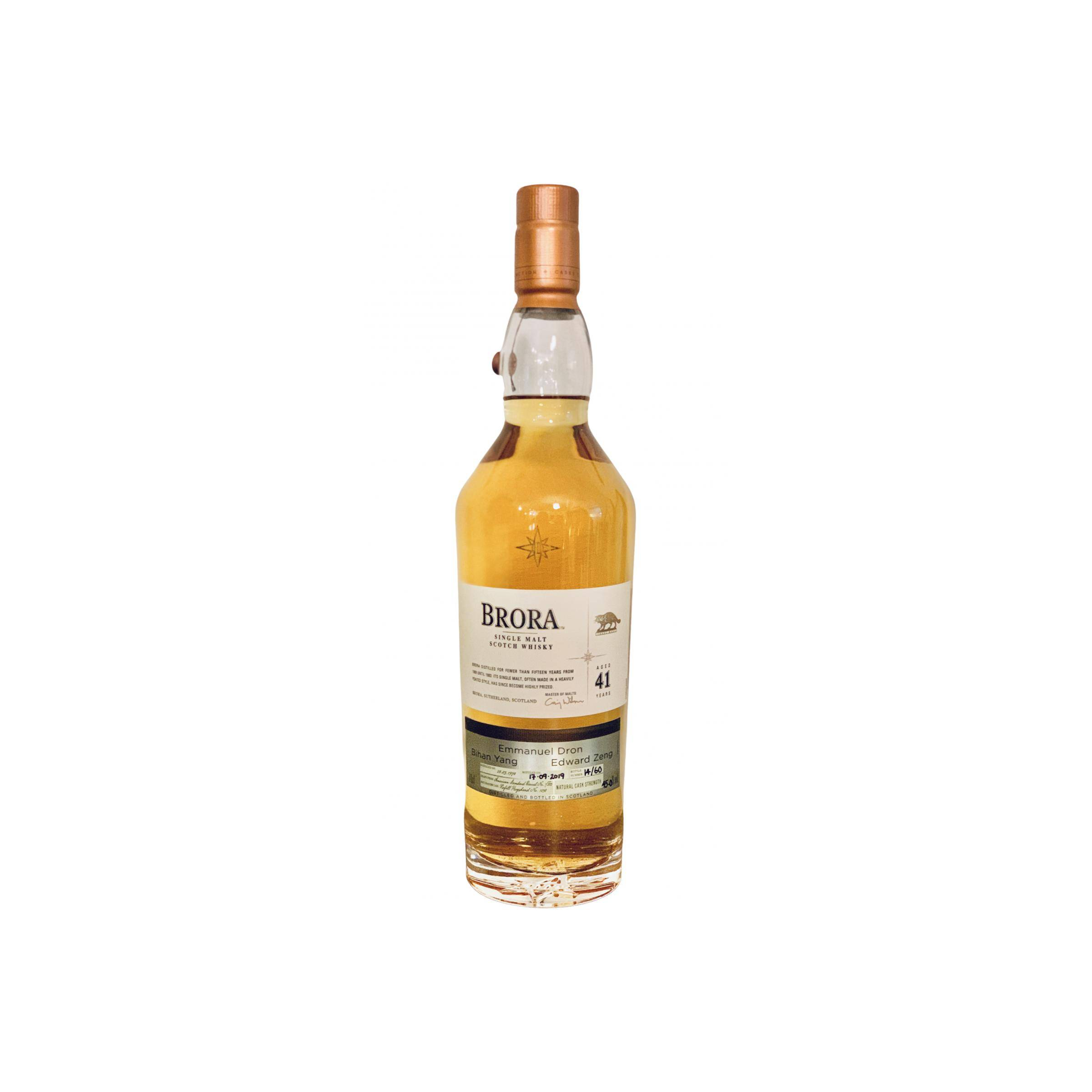
Brora 1978 41 Years Single Malt Whisky
Brora
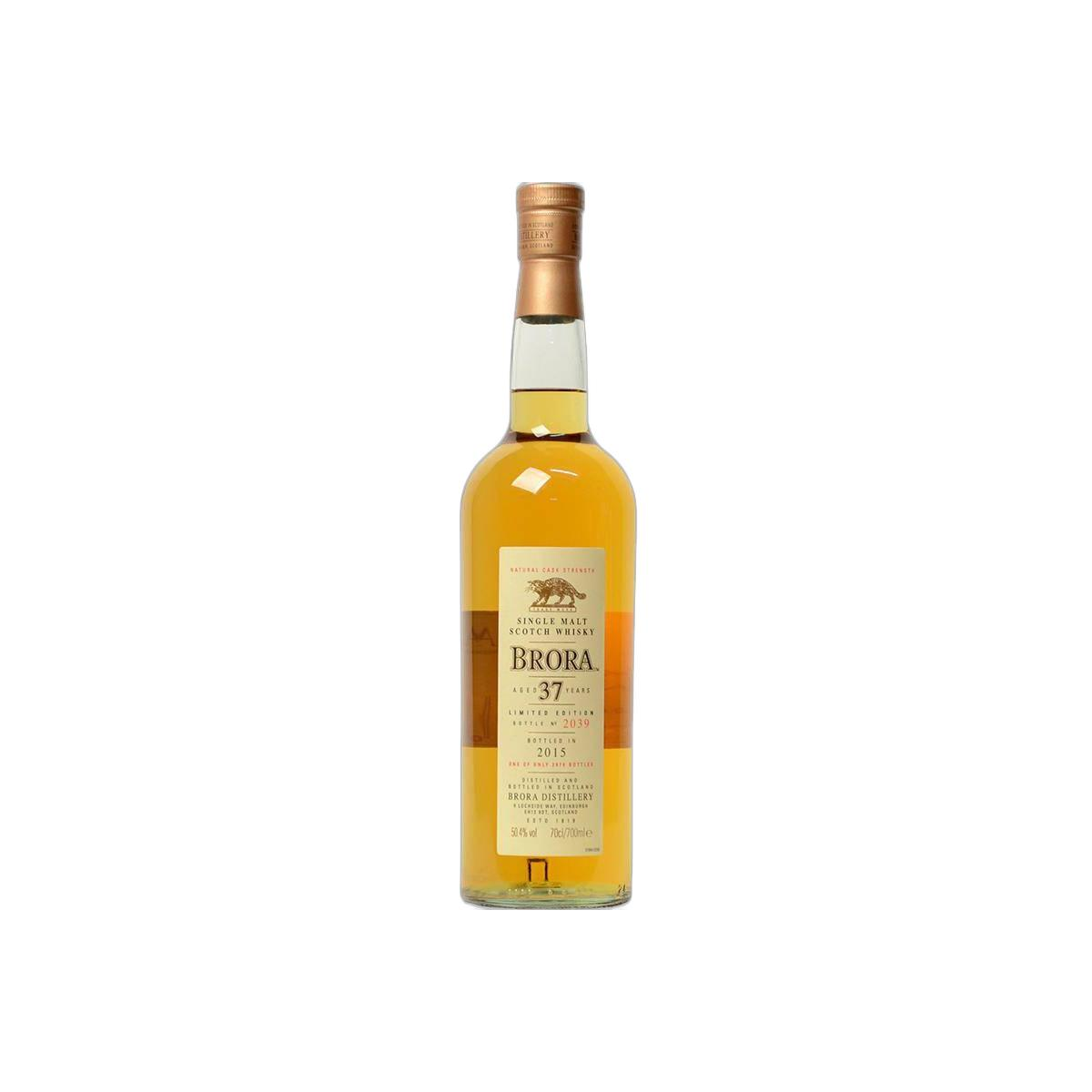
Brora 1977 37 Years Single Malt Whisky
Brora
Brora 1977 37 Years Single Malt Whisky
Brora
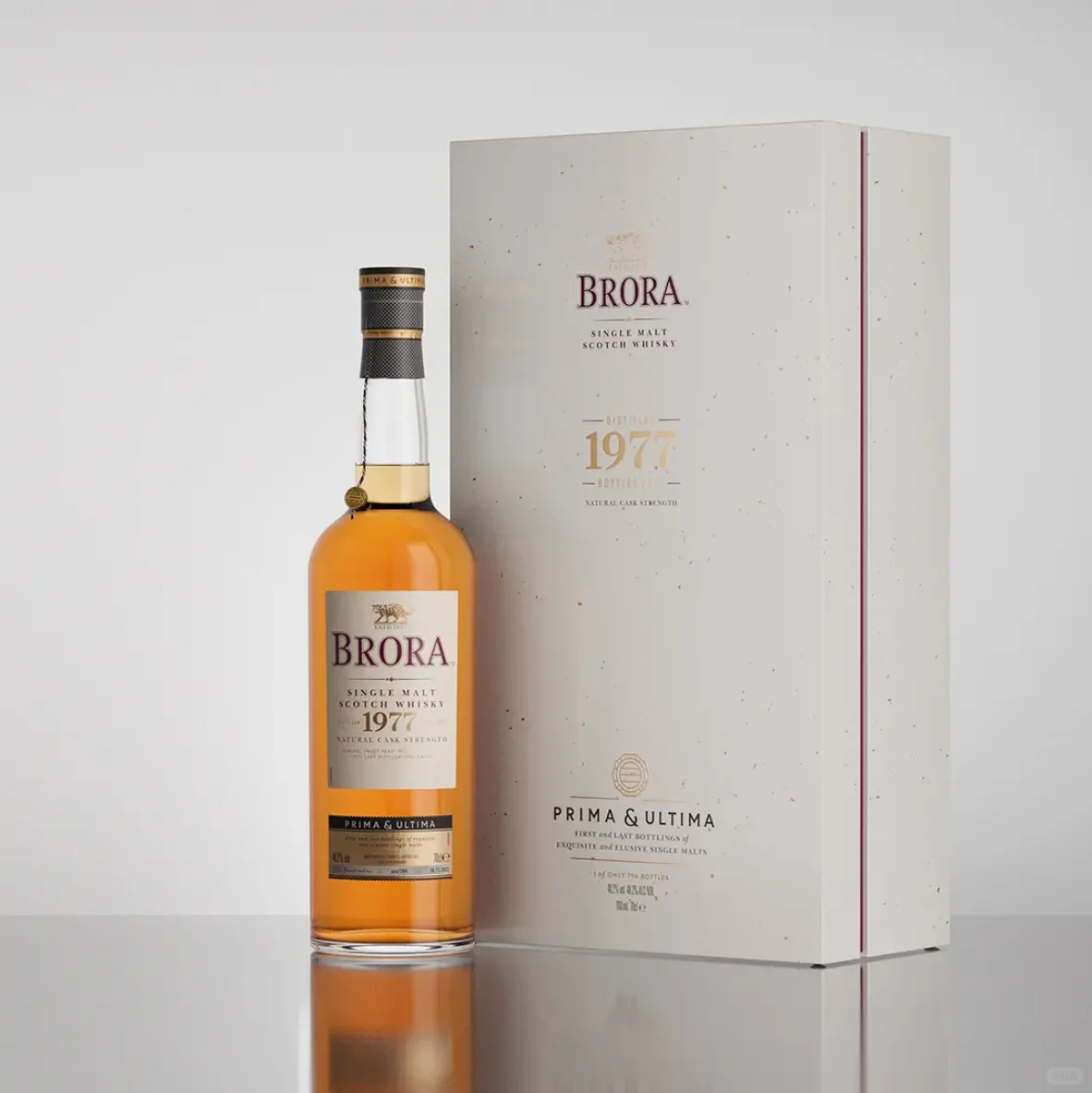
Brora Diageo Prima & Ultima 4.0 1977 45 Years Single Malt Whisky
Brora
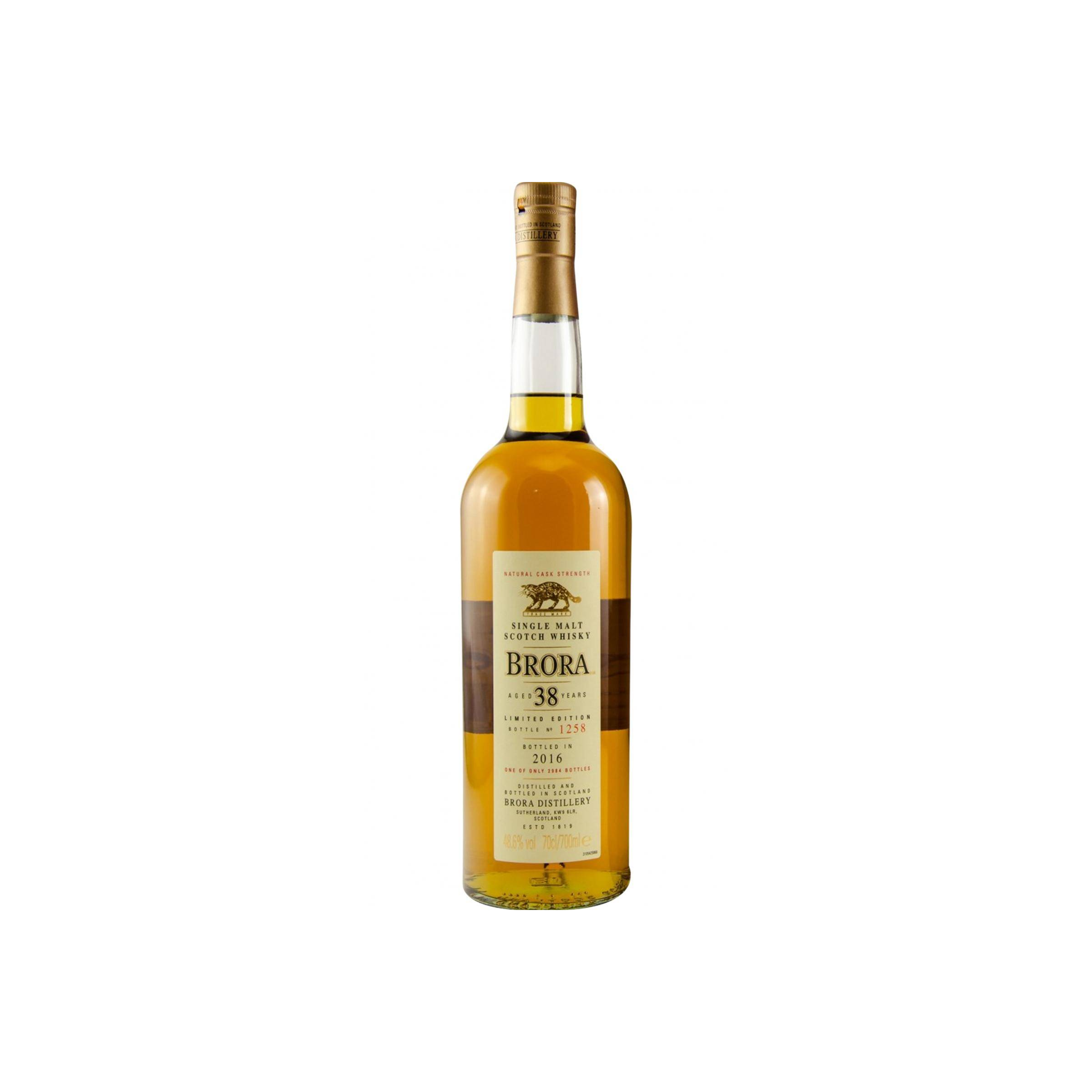
Brora 1977 38 Years Single Malt Whisky
Brora
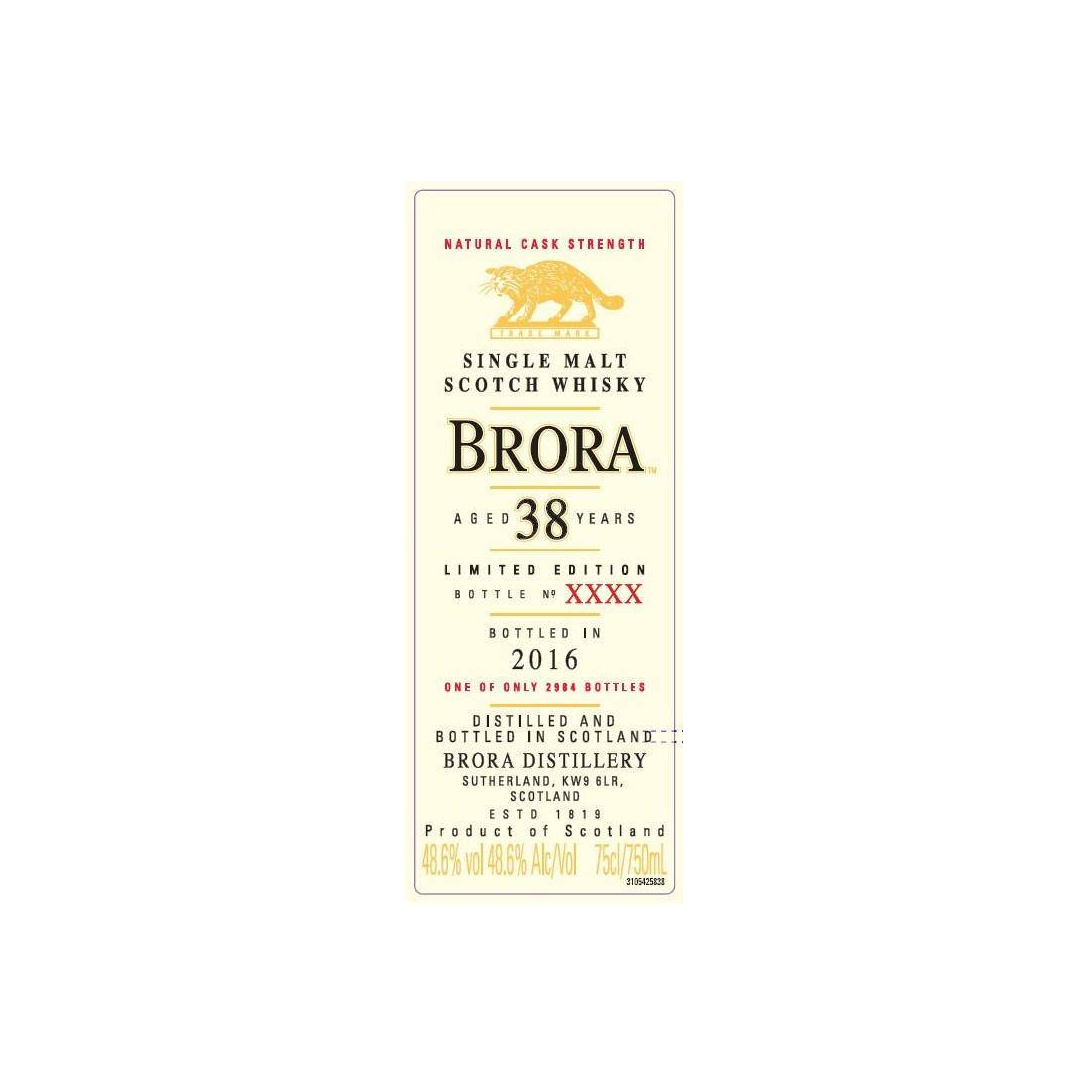
Brora 1977 38 Years Single Malt Whisky
Brora
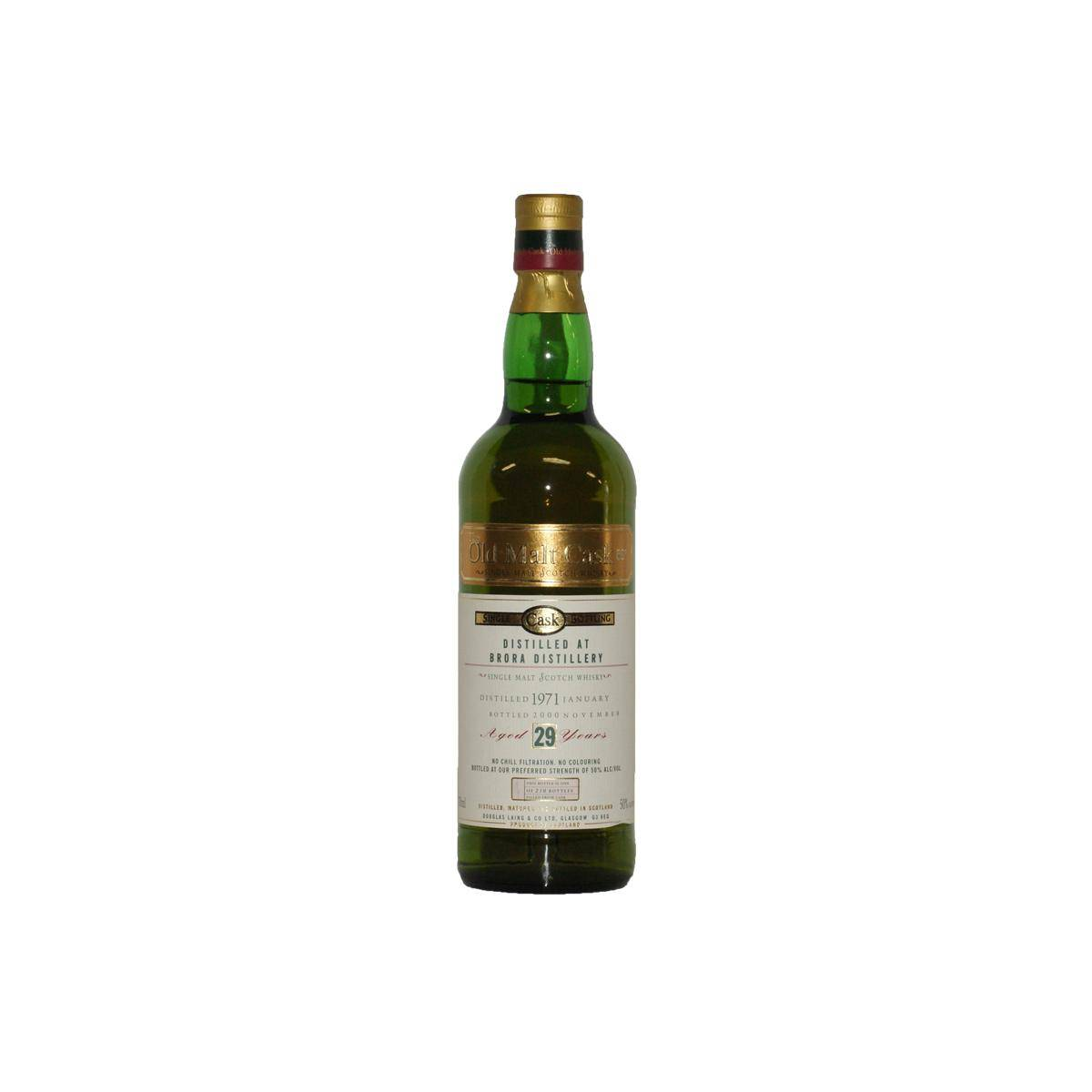
Brora Old Malt Cask 1971 29 Years Single Malt Whisky
Brora
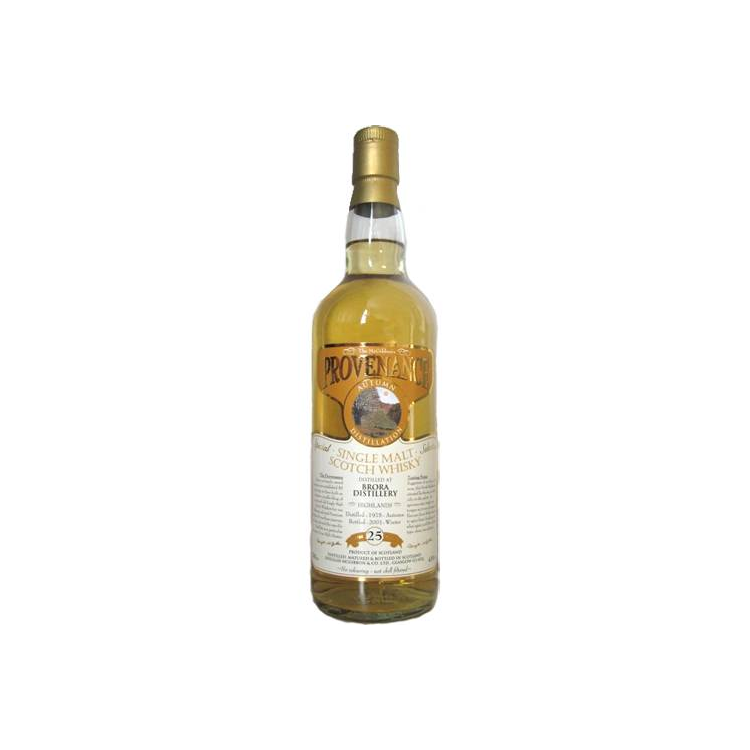
Brora McGibbon's Provenance 1975 25 Years Single Malt Whisky
Brora
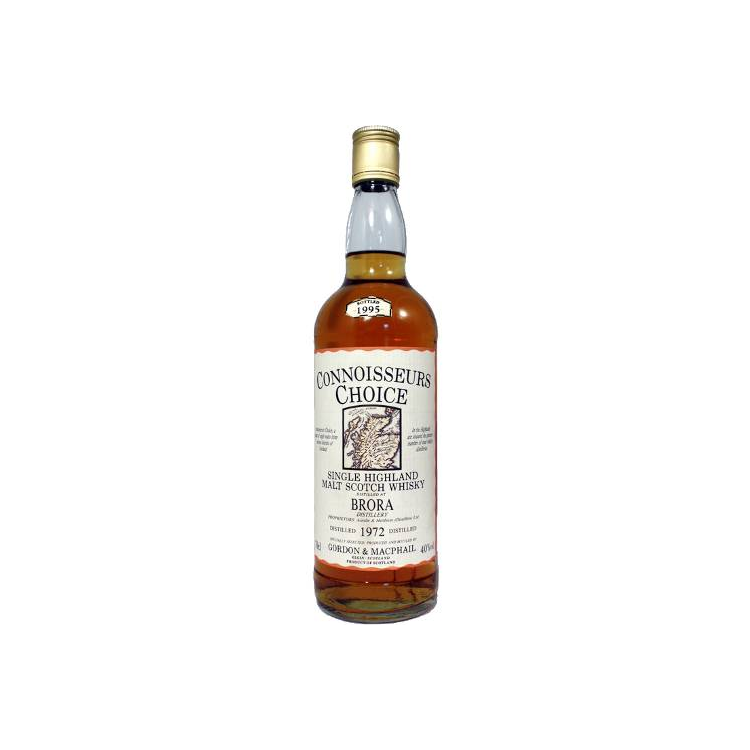
Brora Connoisseurs Choice 1972 23 Years Single Malt Whisky
Brora
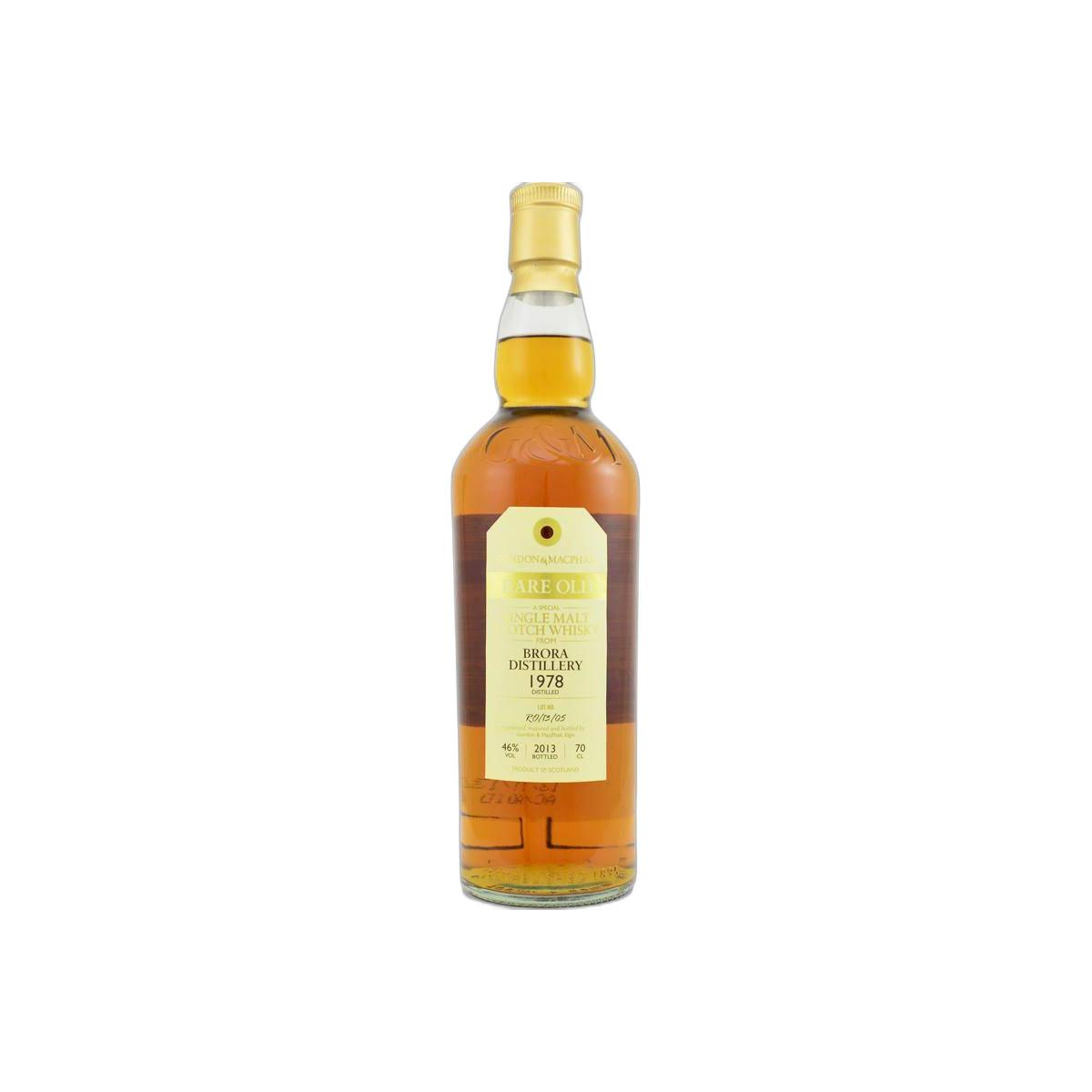
Brora 1978 35 Years Single Malt Whisky
Brora