Cardhu Single Malt Scotch Whisky traces its origins to 1893 when John Walker & Sons acquired the Speyside distillery for £20,500, marking their inaugural distillery purchase. The distillery's legacy is profoundly shaped by two pioneering women: Helen Cumming, who managed operations alongside her husband John from its early days, and her daughter-in-law Elizabeth Cumming, who became one of Scotch whisky's most legendary figures. Elizabeth earned the moniker 'Queen of the Whisky Trade' for her exceptional business acumen in expanding and modernizing the facility during the late 19th century. Currently owned by Diageo, Cardhu ranks as the group's third best-selling single malt globally, following The Singleton and Talisker, with 2018 sales approaching 3 million bottles. The distillery operates with an 8-ton stainless steel full-lauter mash tun, ten washbacks (eight larch and two stainless steel) with an extended 75-hour fermentation period, and three pairs of pot stills. In 2019, four new wooden washbacks replaced the original larch vessels, and the distillery ran seven days per week, processing twenty-one mashes weekly to produce 3.4 million liters of new make spirit annually. Cardhu's core portfolio comprises 12-, 15-, and 18-year-old expressions, supplemented by two no-age-statement offerings: Amber Rock and Gold Reserve. The range also includes a Special Cask Reserve matured in refurbished port pipes. In spring 2019, Cardhu Gold Reserve House Targaryen debuted as part of the Game of Thrones whisky collection, followed by a 14-year-old expression in Diageo's annual Special Releases. The distillery is undergoing a major visitor center renovation as part of Diageo's £150 million Four Corners project, which will establish a flagship Diageo experience center in Edinburgh with four satellite sites at Cardhu, Clynelish, Caol Ila, and Glenkinchie. Submitted to the local community council in April 2019, this initiative will celebrate the remarkable stories of Helen and Elizabeth Cumming, positioning their legacy at the heart of the visitor experience and highlighting Cardhu's unique place in whisky history as a distillery built by women.
History
Like many distilleries, Cardhu (called 'Cardow' before 1981, and anglicized as 'Cardoo') was once a farm with a still. In 1811, John Cumming, son of a hill farmer and cattle herder, settled here and soon began illicit whisky distillation. The distillery is located in the hills north of Speyside, which was relatively remote at the time. He obtained a license in 1824, and most of his whisky was carted to Burghead and shipped to Leith. John died in 1846, and his son Lewis Cumming and Lewis's wife Elizabeth took over the distillery. She has a famous sepia photograph taken at the distillery. At that time, the distillery's output was 240 gallons per week, about 623 liters. In 1884, Elizabeth rebuilt the distillery, selling the old stills to William Grant, who was building Glenfiddich distillery. In 1888, her whisky was sold in London as a single malt, and she proudly called it the only Speyside malt that didn't need to put 'Glenlivet' on its label. In 1893, Elizabeth Cumming sold Cardhu to John Walker & Sons, on condition that her son John join the company's board of directors. Her grandson Ronald was later promoted to chairman of Walker and D.C.L., and was knighted. In 1897, the distillery expanded to four stills. In 1925, Walker joined D.C.L. In 1965, noting Glenfiddich's success, D.C.L.'s Home Trade Committee, with the support of Sir Ronald Cumming, conducted a survey of distilleries that could release single malts, finally recommending Cardhu, Aultmore, and Linkwood. After 'Cardhu 8 Year Old' was launched, the budget was £15,000, although the management committee was very worried that this would reduce the inventory needed for blending and that marketing a 'somewhat special' single malt could not 'defeat the standard brand in people's minds.' The 'experiment' was shelved: Cardhu could continue to be sold domestically, but no advertising would be placed after 1967. In the early 1980s, the company took an unusual step for them: allowing journalists and guests not involved in the whisky trade to visit the distillery. Since 2011, Cardhu has expanded production from 2.3 million liters to 3.4 million liters of pure alcohol, operating around the clock.
Curiosities
Helen, wife of John Cumming, boldly provided accommodation at the farm for visiting excise officers, thereby helping her husband and others conduct illegal distilling activities—there wasn't an inn for miles around. When these officers sat at the table, she would hang a red flag on the barn at the back as a warning. Barnard held Cardhu's distillation in high regard, describing it as 'the most robust, richest body, and very suitable for blending whisky.' Charles Mackinlay & Co. was Cardhu's agent with exclusive rights. Alfred Barnard visited the distillery shortly before Elizabeth Cumming rebuilt it. He wrote: 'These buildings are particularly backward and primitive, and although water power exists, the vast majority of work still requires physical labor to complete. Considering the successful operation for so many years, it is simply unbelievable that it has been sustained by such simple conditions for so long.' In 1924, a trade magazine reported that Cardhu's 'two larger stills' were heated by 'oil and steam pressure jet systems,' that is, directly heated by petroleum combustion, while two smaller stills still used direct coal fire heating. Using petroleum was an experiment far ahead of its time. Due to the high cost of petroleum rather than liquor quality problems, the trial was abandoned after two years. In the current economic recession, Cardhu remains so popular in Spain that supply cannot meet demand. In 2002, Diageo attempted to solve this problem by introducing a 'pure malt' version of Cardhu (a blended malt whisky—this model only blends two types). It was also named 'Cardhu' and used the same style bottle with extremely similar labels, although the difference between 'pure' and 'single' malt was explained on the box, and there were plans to restore the single malt version's name to the original Cardow. The whisky industry suffered its biggest blow since modern times, leading to a tightening of the definition of malt whisky. For example, the word 'pure' was banned because it would mislead consumers. The Cardhu Pure Malt label was eventually withdrawn.
Timeline
John Cumming applied for and obtained the operating license for Cardhu Distillery.
John Cumming passed away.
Lewis Cumming passed away, and his wife Elizabeth Cumming took over the distillery.
A new distillery was built, replacing the old one.
John Walker & Sons purchased Cardhu Distillery for £20,500.
The distillery was renamed Cardow.
Renovated and added stills, increasing the number of stills from 4 to 6.
The distillery name was changed back to Cardhu.
A visitor center was built.
Diageo changed Cardhu single malt whisky to blended malt whisky, incorporating whiskies from other distilleries.
The whisky community strongly opposed Diageo's plan.
Diageo brought back Cardhu single malt whisky.
Cardhu 12 Year Old and a 22 Year Old were released.
Cardhu 1997 single cask was released as part of the new Manager's Choice series.
15 Year Old and 18 Year Old were released.
21 Year Old was released.
Amber Rock and Gold Reserve were released.
Distillery exclusive bottling was released.
14 Year Old was released as part of Diageo Special Releases.
Hot Search Whiskies
Showing top 10
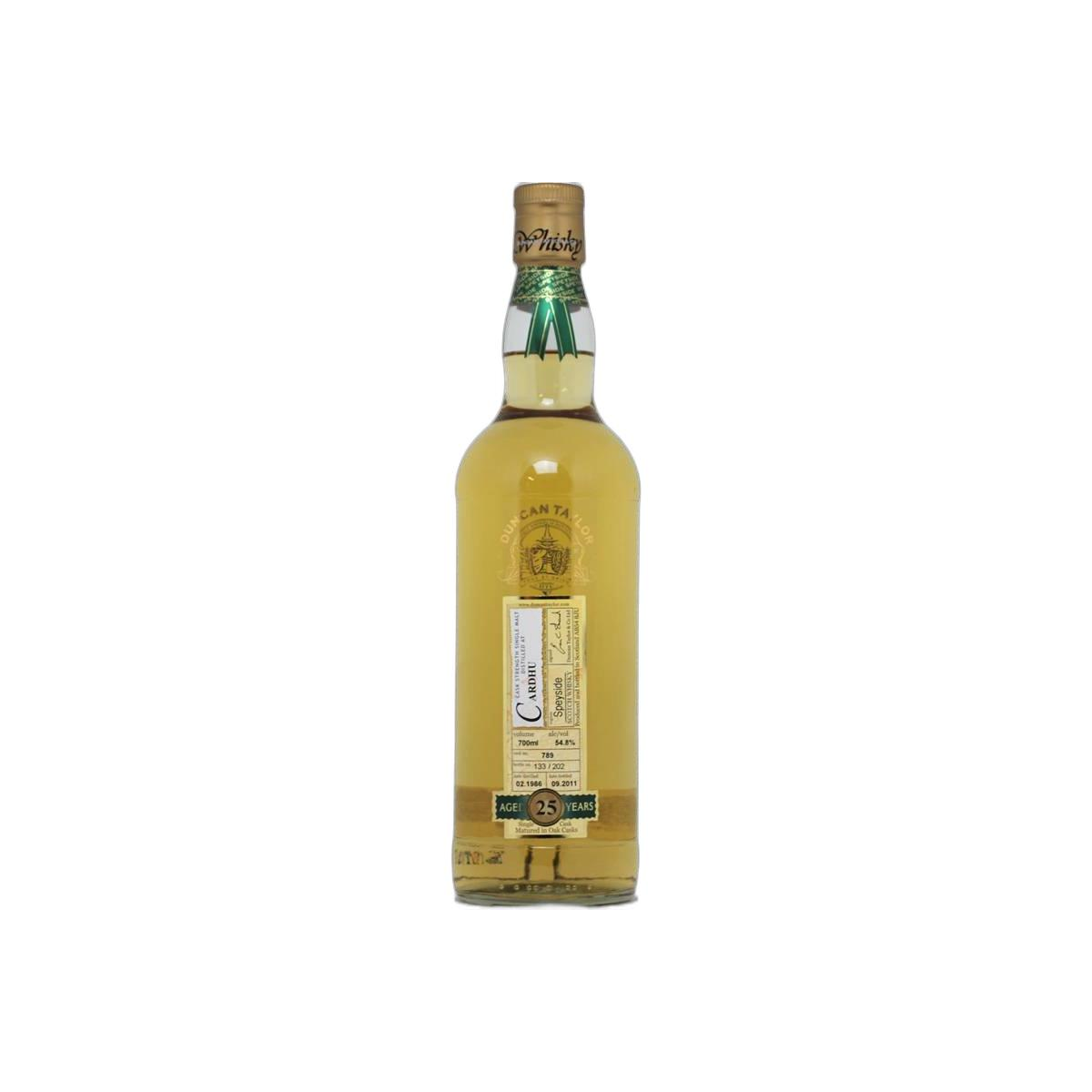
Cardhu Rare Auld 1986 25 Years Single Malt Whisky
Cardhu
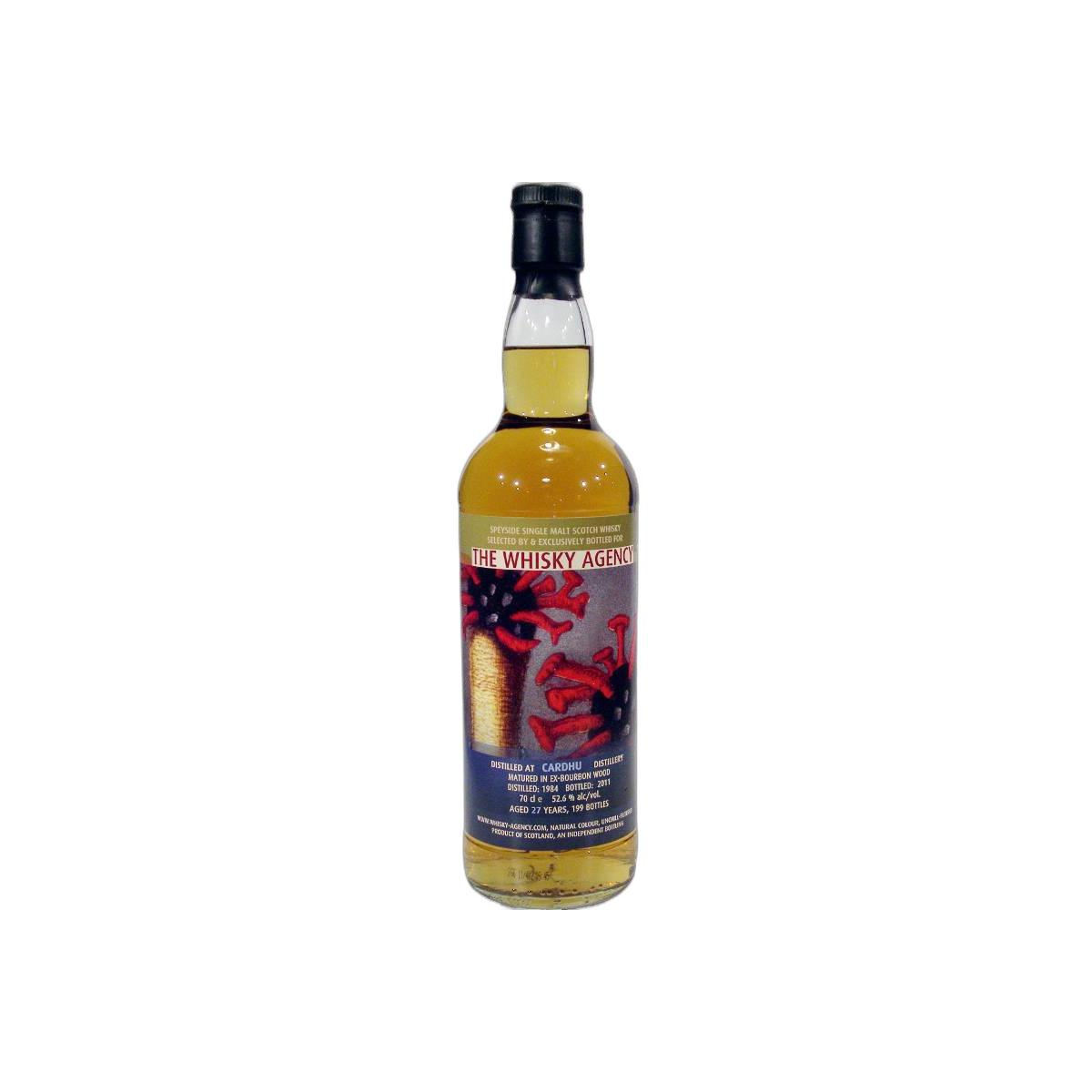
Cardhu 1984 27 Years Single Malt Whisky
Cardhu
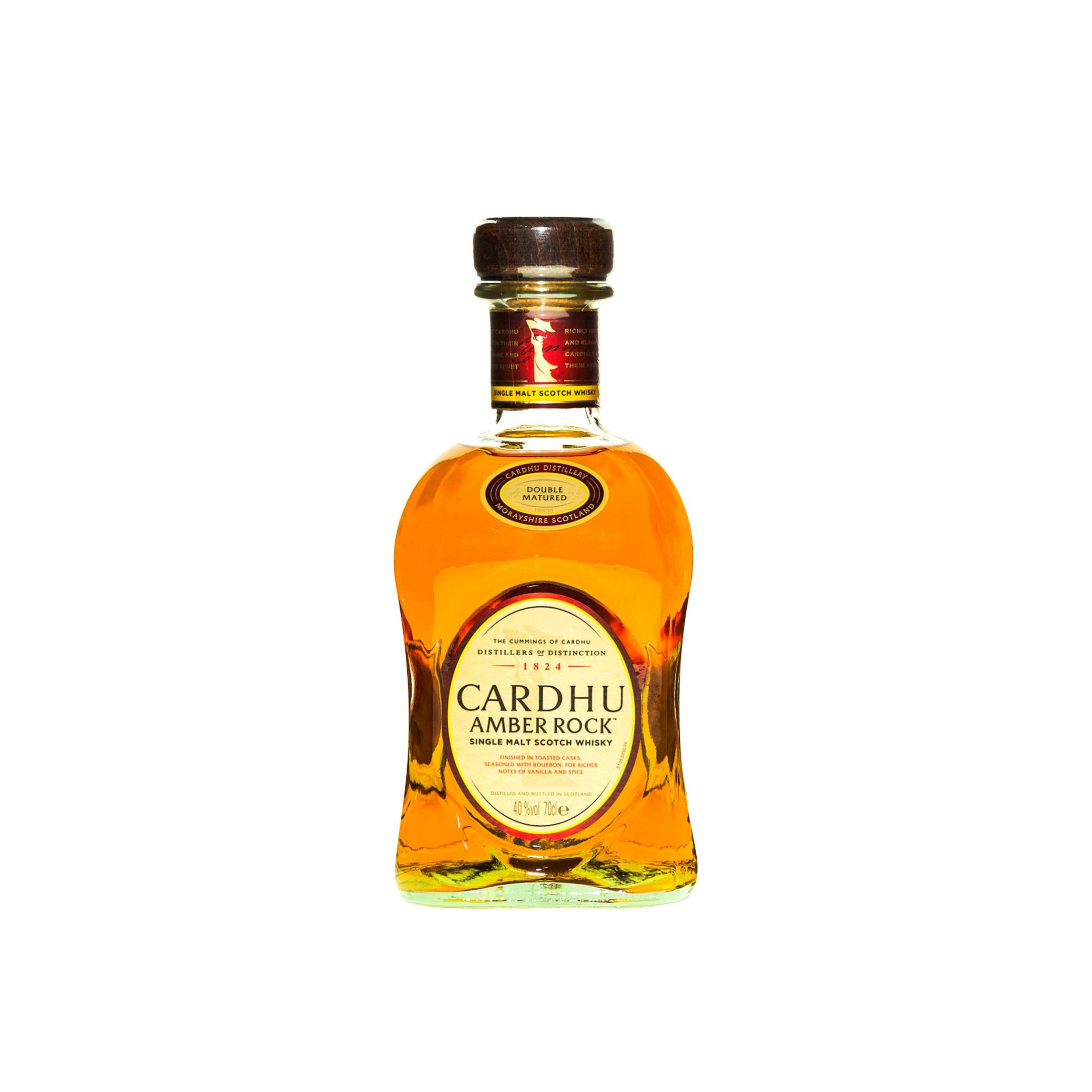
Cardhu Single Malt Whisky
Cardhu
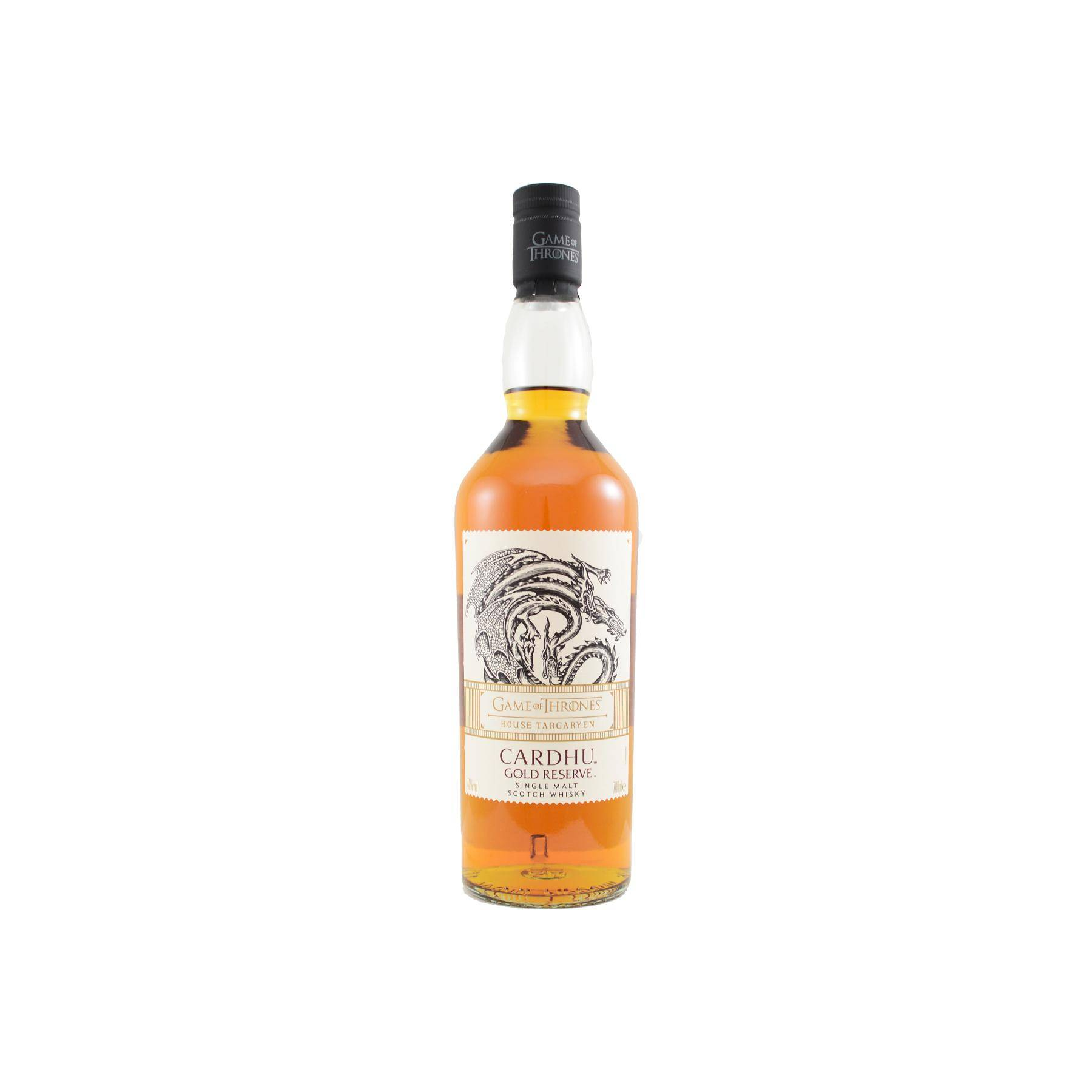
Cardhu Single Malt Whisky
Cardhu
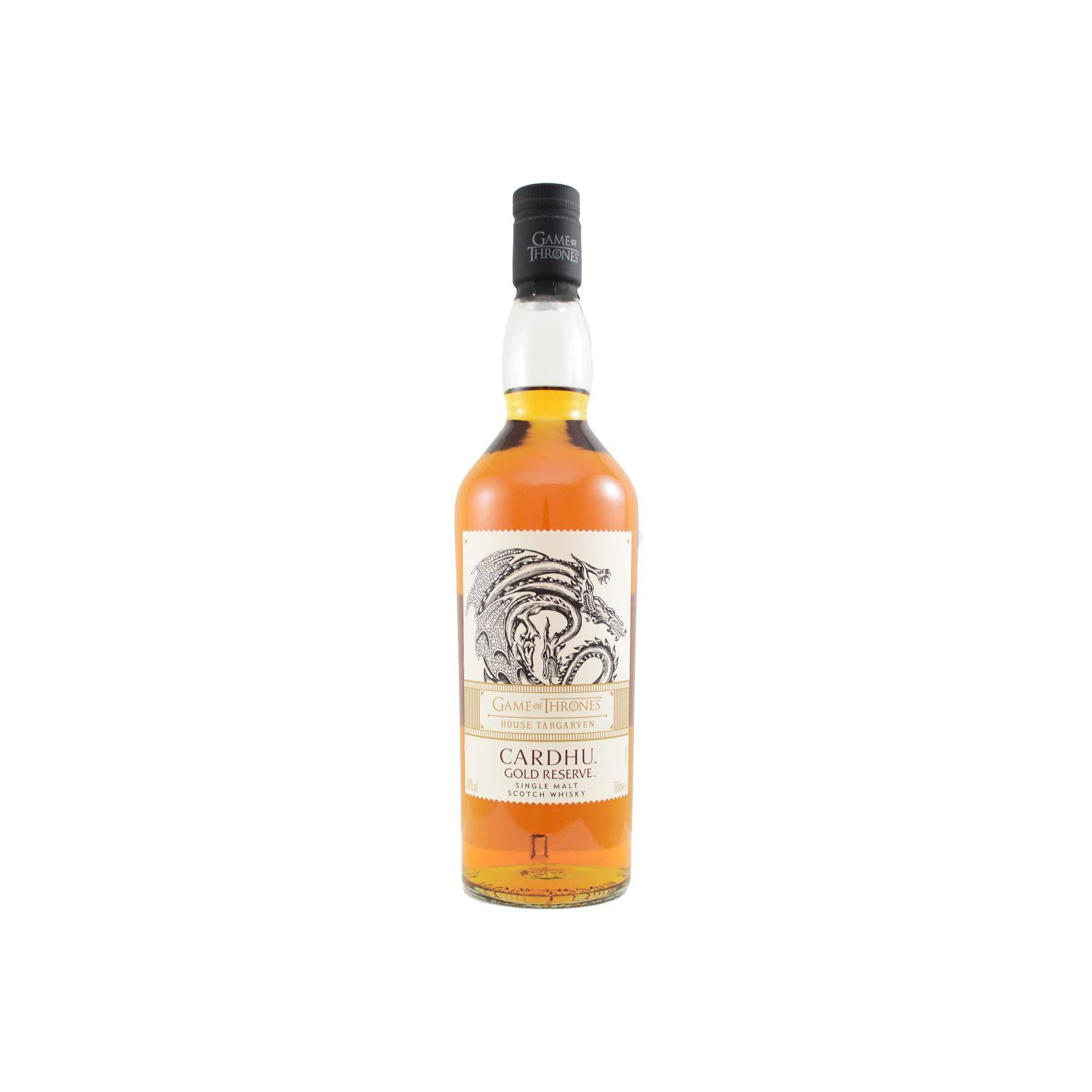
Cardhu Single Malt Whisky
Cardhu
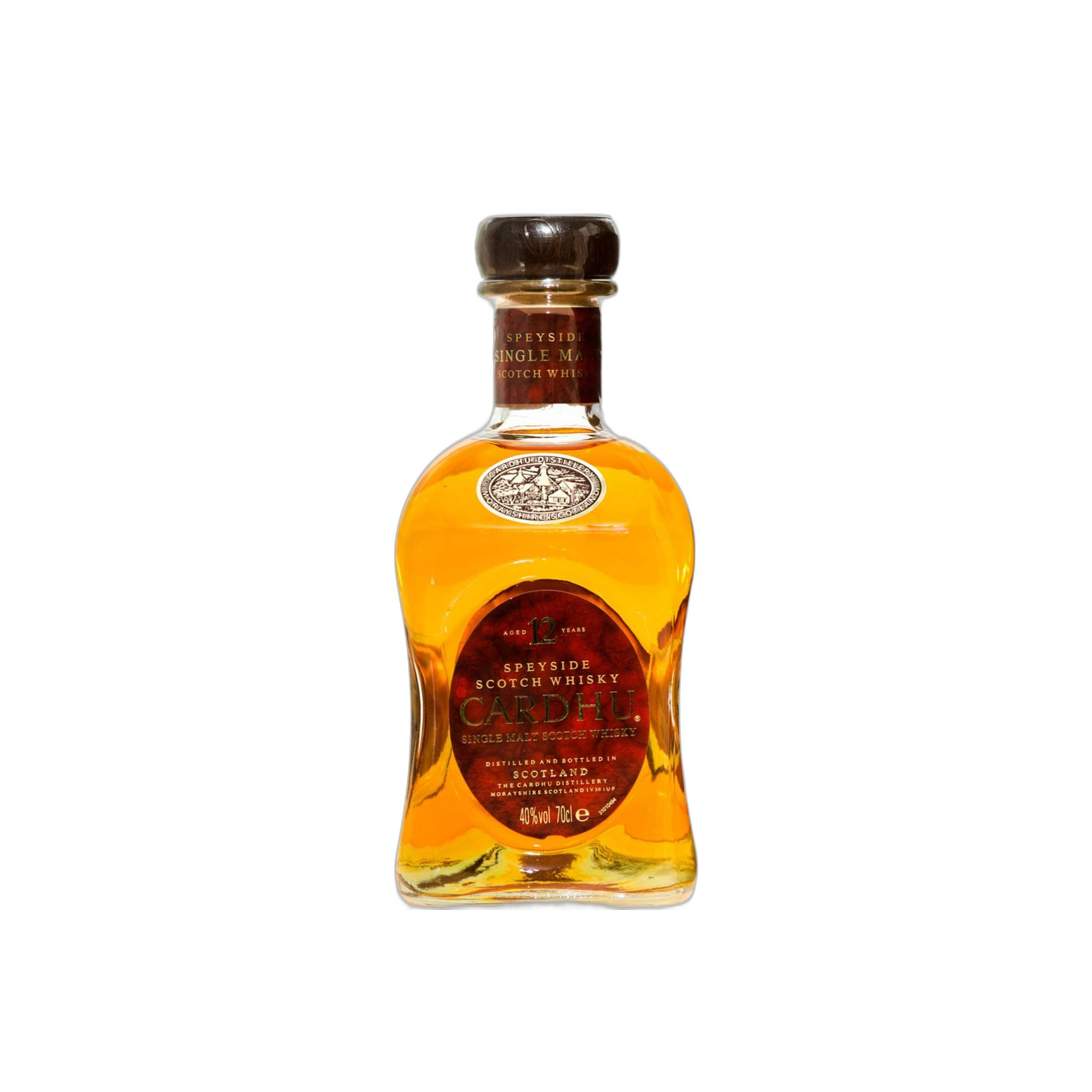
Cardhu 12 Years Single Malt Whisky
Cardhu
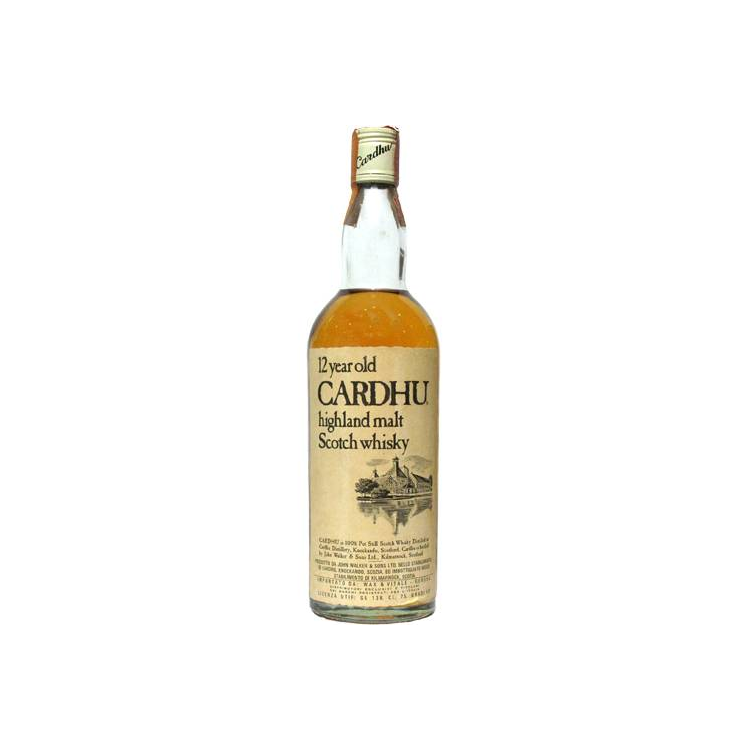
Cardhu 12 Years Single Malt Whisky
Cardhu
Cardhu 12 Years Single Malt Whisky
Cardhu
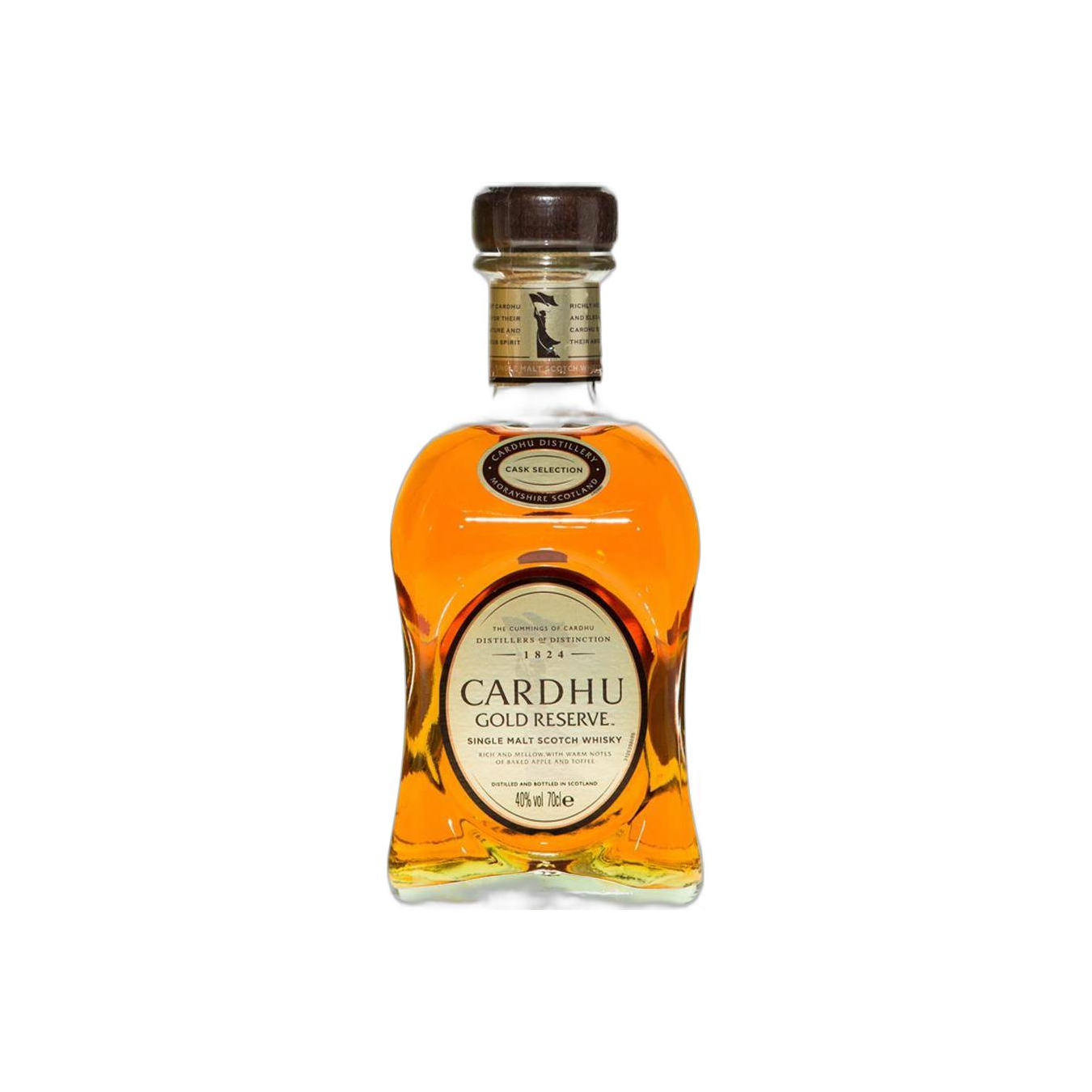
Cardhu Single Malt Whisky
Cardhu
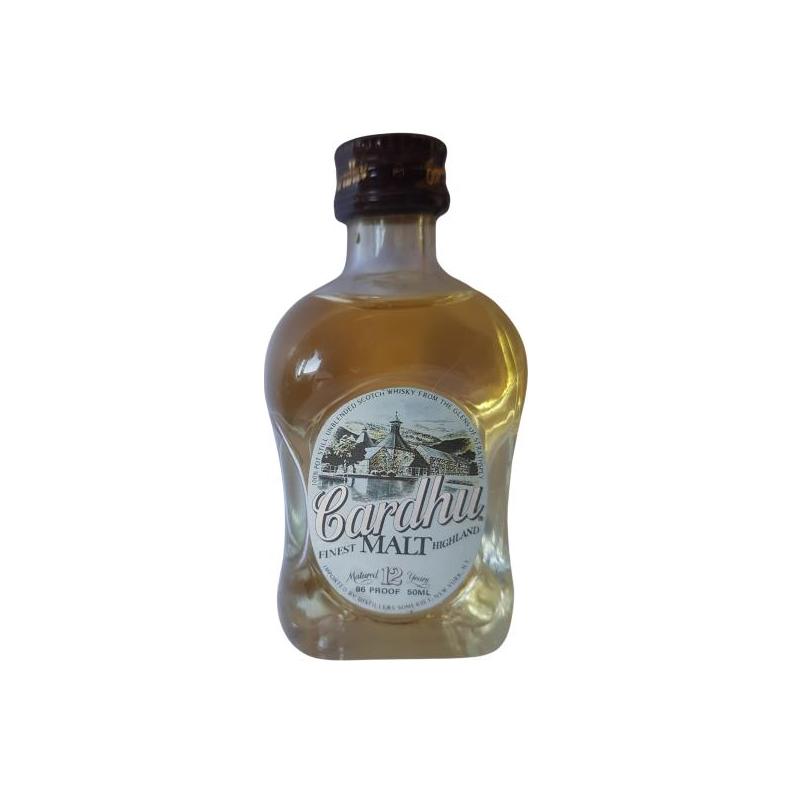
Cardhu 12 Years Single Malt Whisky
Cardhu