The Mackie surname carries profound weight in Lagavulin's storied history. In 1861, James Logan Mackie became a partner at the distillery, marking the first Mackie family involvement, though his nephew Peter would ultimately leave a more indelible mark. Peter Mackie assumed control in 1889 and launched the White Horse blended whisky the following year, featuring Lagavulin single malt as its cornerstone. Simultaneously serving as agent for neighboring Laphroaig, Peter desperately sought to acquire that distillery. When Laphroaig's owner rebuffed him—believing Peter cared only for his own whisky interests—he was enraged. In retaliation, Peter built Malt Mill distillery within Lagavulin's grounds in 1908, an exact replica of Laphroaig's operation. This venture was doomed from inception, yet Malt Mill persevered until its permanent closure in 1962. Today, Malt Mill has achieved near-mythical status, with most disbelieving any stocks remain, though Lagavulin's visitor center curiously displays a bottle of new-make spirit. Lagavulin's production features a 4.4-ton stainless steel mash tun with a 4-hour cycle, and ten larch washbacks holding 22,000 liters each, undergoing a prolonged 55-hour fermentation. The distillery operates two pairs of stills, with unusually large spirit stills filled nearly to capacity—minimizing copper contact and, combined with deliberately slow distillation, creating Lagavulin's signature rich, peaty, and robust character. New spirit is filled into 'pig's head' butts (modified port pipes), though only 5,000 casks mature on-site; remaining new-fill casks age inland. In 2019, Lagavulin maintained continuous operation—7 days weekly, 24 hours daily—conducting 28 mashes per week and producing 2.5-2.6 million liters annually. The core range remains intentionally limited: a 12-year-old cask strength (part of Diageo's annual Special Releases), a 16-year-old Distiller's Edition finished in Pedro Ximénez sherry casks, and since autumn 2017, an 8-year-old expression bottled at 48% ABV. Notable limited releases include the 2016 200th Anniversary trilogy—an 8-year-old (later becoming core), a 25-year-old sherry-matured, and a 1991 vintage—and the 2019 Feis Ile Festival bottling: a 19-year-old at 53.8% ABV matured in three cask types (refill American oak, American oak sherry, and European oak sherry). The distillery also featured in Diageo's 2019 Game of Thrones collection with a 9-year-old 'House Lannister' edition, alongside a travel-retail exclusive 10-year-old released in August 2019.
History
Dunyveg Castle once guarded the mouth of Lagavulin Bay, now merely crumbling ruins. This was the power base of the Lords of the Isles and where they moored their warships. As early as the 18th century, illegal stills already existed in this sheltered "hollow mill." The earliest legal whisky operation was developed by John Johnston in 1816. In the 1820s, he purchased the nearby Ardmore distillery. In 1837, his son merged the two distilleries into one. In 1852, John Crawford Graham acquired the distillery. He was the brother of Glasgow wine merchant Alexander Graham and partner of James Logan Mackie. Another brother, Walter Graham, leased the neighboring Laphroaig distillery and operated both together for four years. James Logan Mackie took over the business in 1860 and sent his nephew Peter to apprentice at Lagavulin. Peter Mackie became involved in the business and became a managing partner in 1890. In that same year, he created White Horse blended whisky. This blend was so successful that by 1908 Mackie & Company was rated as one of the top five brands (alongside Johnnie Walker, Dewar's, Buchanan's, and Black & White). In 1924, the year Peter Mackie died, the company became White Horse Distillers. It merged with D.C.L. in 1927.
Curiosities
In 1886, when Alfred Barnard visited Lagavulin, he described the 8-year-old whisky as "excellent in flavor." He later wrote: "Only a few Scottish distilleries can produce whisky suitable for use as a single malt, and Lagavulin may be said to be among the best of them." In 2016, to commemorate the distillery's bicentennial celebration, Diageo released a "one-year only" Lagavulin 8-year-old single malt whisky. Peter Mackie was an authority on shooting and also authored *The Gamekeeper's Handbook*. He insisted his distillery workers eat in moderation (see "Craigellachie") and was a tireless spokesperson for the whisky industry. He was knighted in 1920. In 1908, Mackie built a second distillery within Lagavulin and named it "Malt Mill." Before 1907, he had been the agent for Laphroaig, but after endless quarrels with the owners, he decided to produce a whisky very similar to Laphroaig to undermine their market. The plan ultimately failed, but Malt Mill continued to operate until 1962. The distilled spirit was used for blending. A (fictional) cask of Malt Mill whisky was the central plot of Ken Loach's award-winning film *The Angels' Share*, which ultimately sold for over £1 million! The former Malt Mill distillery building is now the Lagavulin visitor center.
Timeline
1816: John Johnston established the distillery.
1825: John Johnston took over the nearby Ardmore distillery.
The two distilleries merged and operated under the name Lagavulin. A wine and spirits dealer from Glasgow acquired the distillery.
James Logan Mackie became a partner.
James Logan Mackie & Co. acquired the distillery and began renovations.
Peter Mackie joined the distillery.
James Logan Mackie passed away, and his nephew Peter Mackie inherited the distillery.
Peter Mackie blended White Horse whisky using Lagavulin as the base malt and launched it in the export market.
Peter Mackie built a new distillery, Malt Mill, within the original distillery premises.
Mackie & Co. was renamed White Horse Distillers.
White Horse Distillers became part of DCL.
The distillery was managed by Scottish Malt Distillers (SMD).
A sudden fire caused severe damage to the distillery.
Malt Mill distillery closed; it now serves as the Lagavulin Visitor Centre.
Floor malting was discontinued; malt was instead purchased from Port Ellen maltings.
Lagavulin 16 Year Old became one of the six Classic Malts.
Released a distillery limited edition, finished in Pedro Ximenez sherry casks.
Released two cask strength whiskies (12 Year Old and 25 Year Old in the Special Release series).
Released Lagavulin 30 Year Old.
Released a whisky distilled in 1985, and the 6th edition of Lagavulin 12 Year Old in the Special Release series.
Released a new Lagavulin 12 Year Old cask strength in the Special Release series.
Released a new Lagavulin 12 Year Old cask strength in the Special Release series, distillery exclusive single casks, etc.
Released the 10th edition of Lagavulin 12 Year Old cask strength in the Special Release series.
Released the 11th edition of Lagavulin 12 Year Old cask strength and Lagavulin 21 Year Old in the Special Release series.
Released Lagavulin 37 Year Old and the 12th edition of Lagavulin 12 Year Old cask strength in the Special Release series.
Released the 13th edition of Lagavulin 12 Year Old cask strength in the Special Release series.
Released the 14th edition of Lagavulin 12 Year Old cask strength in the Special Release series.
Released Lagavulin 8 Year Old and Lagavulin 25 Year Old.
Released a new Lagavulin 12 Year Old cask strength in the Special Release series.
Released Lagavulin 18 Year Old for the Islay Festival (Feis Ile).
Released Lagavulin 19 Year Old for the Islay Festival (Feis Ile), and a 9-year-old whisky for House Lannister in the Game of Thrones series, among others.
Hot Search Whiskies
Showing top 10
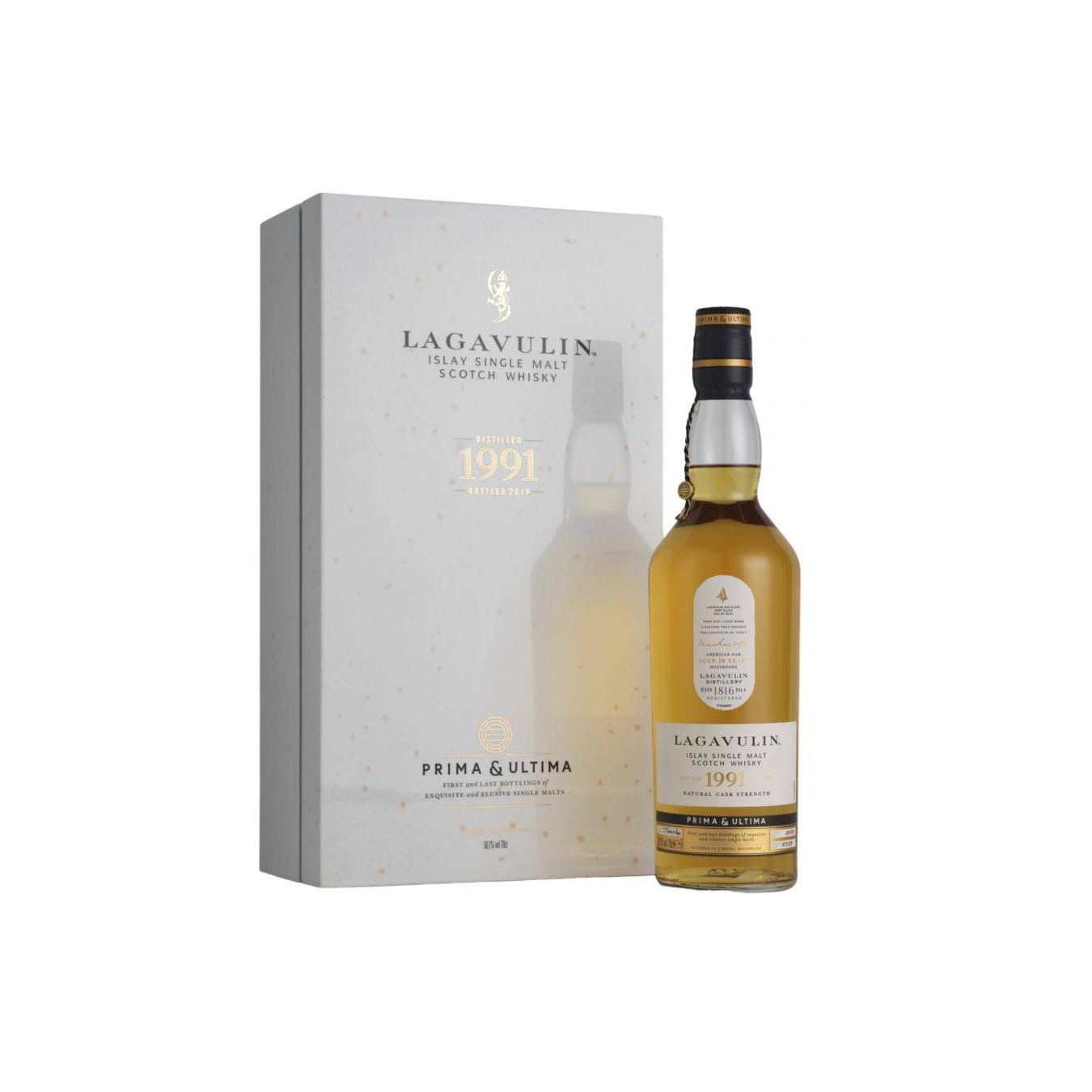
Lagavulin 1991 28 Years Single Malt Whisky
Lagavulin
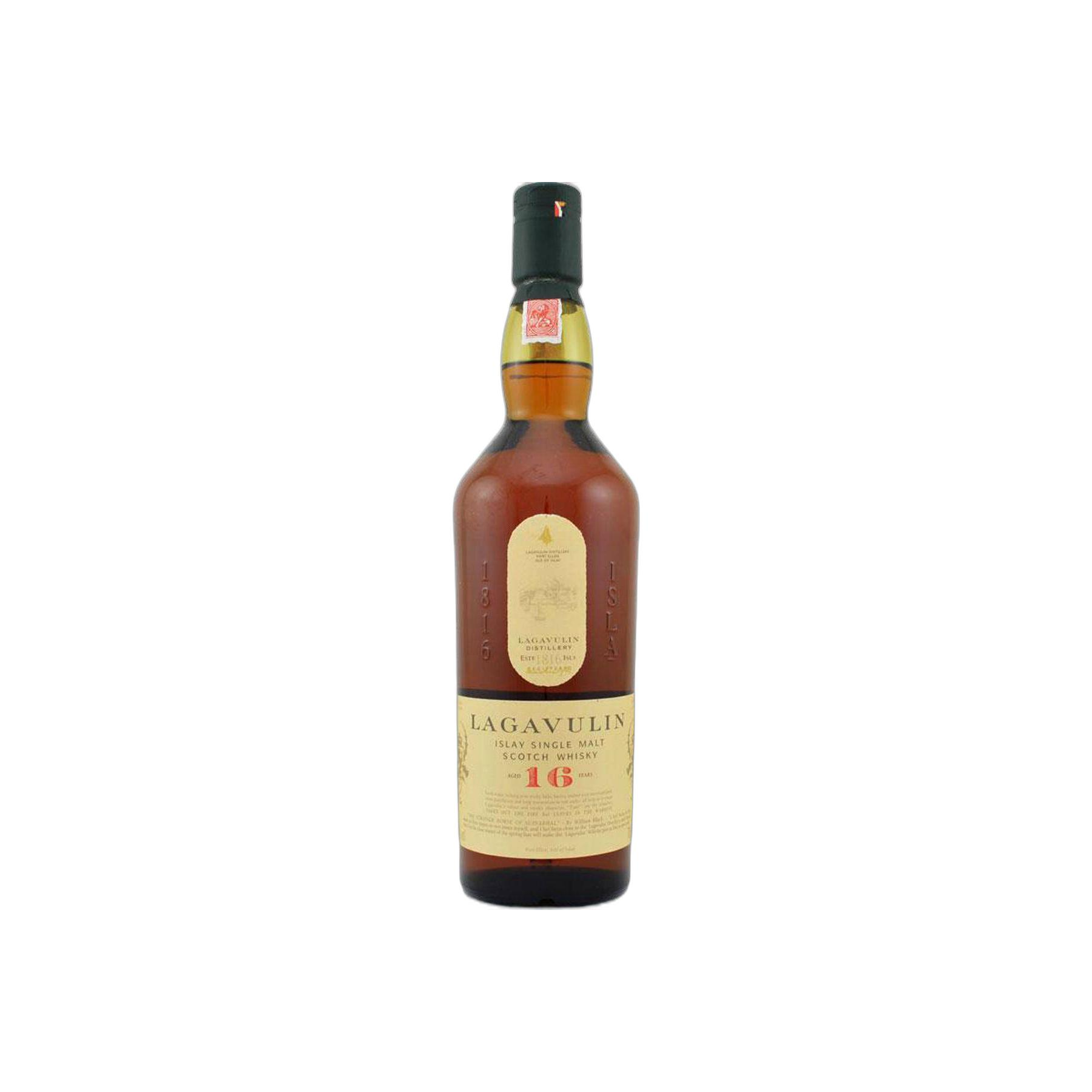
Lagavulin 16 Years Single Malt Whisky
Lagavulin
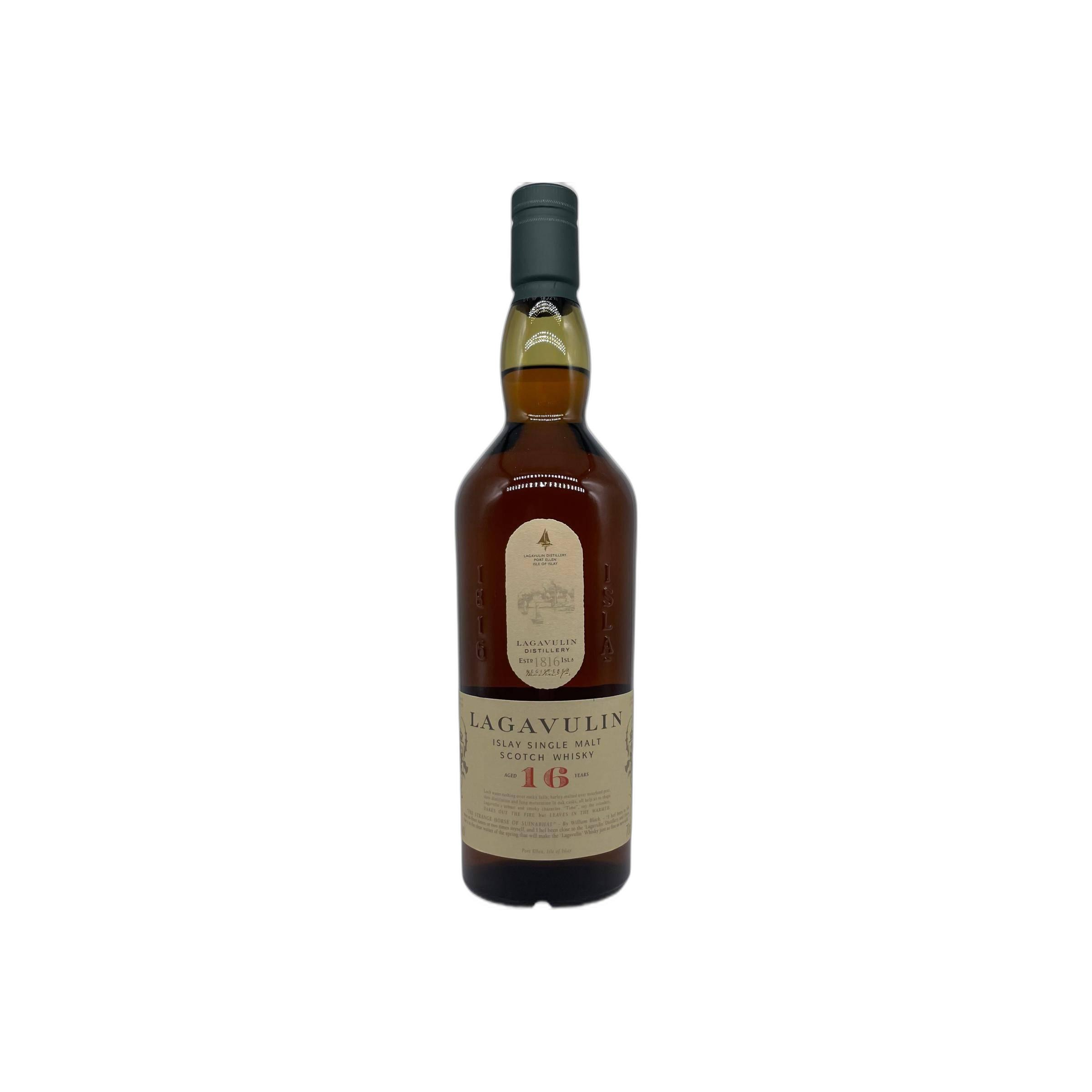
Lagavulin 16 Years Single Malt Whisky
Lagavulin
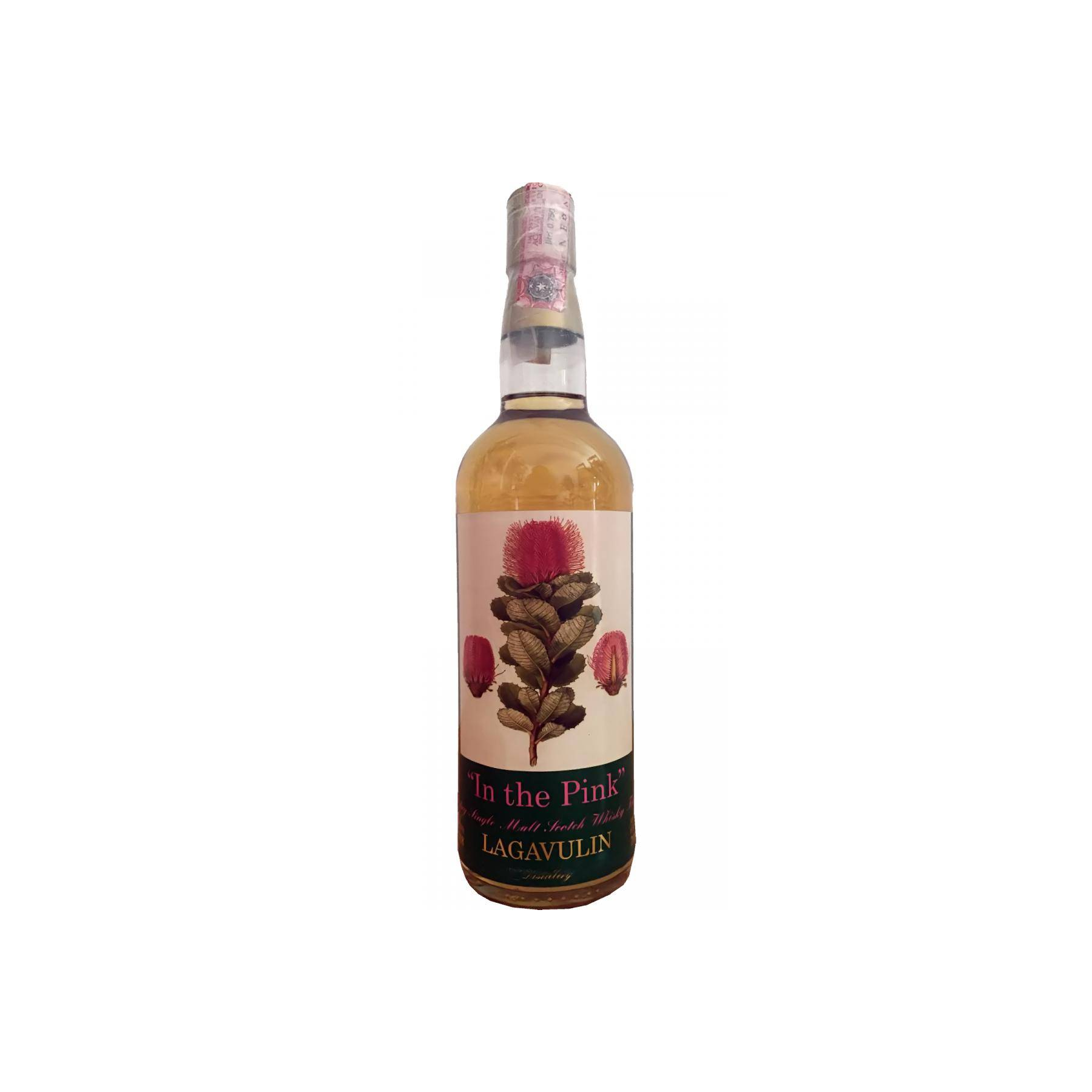
Lagavulin 1988 12 Years Single Malt Whisky
Lagavulin
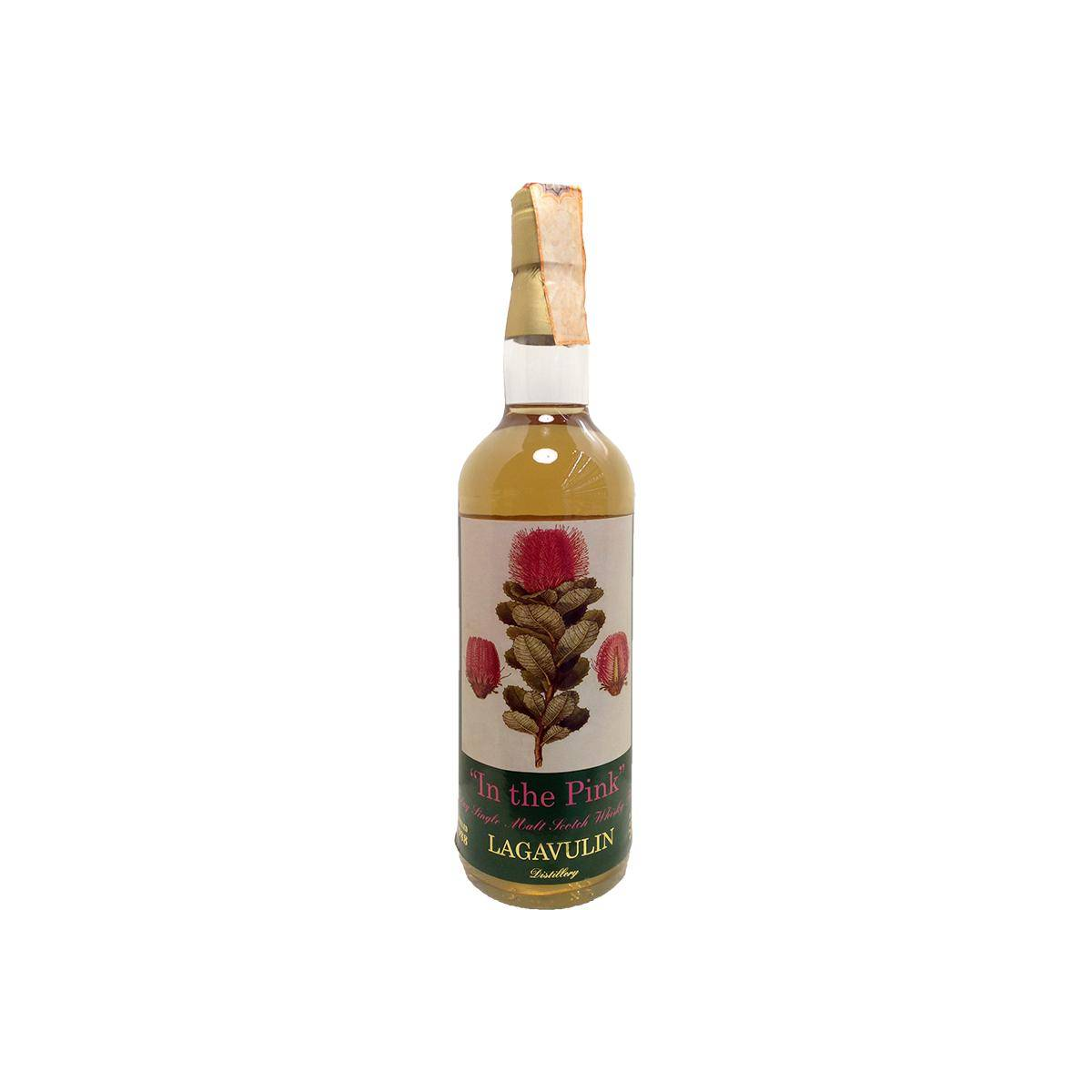
Lagavulin 1988 12 Years Single Malt Whisky
Lagavulin
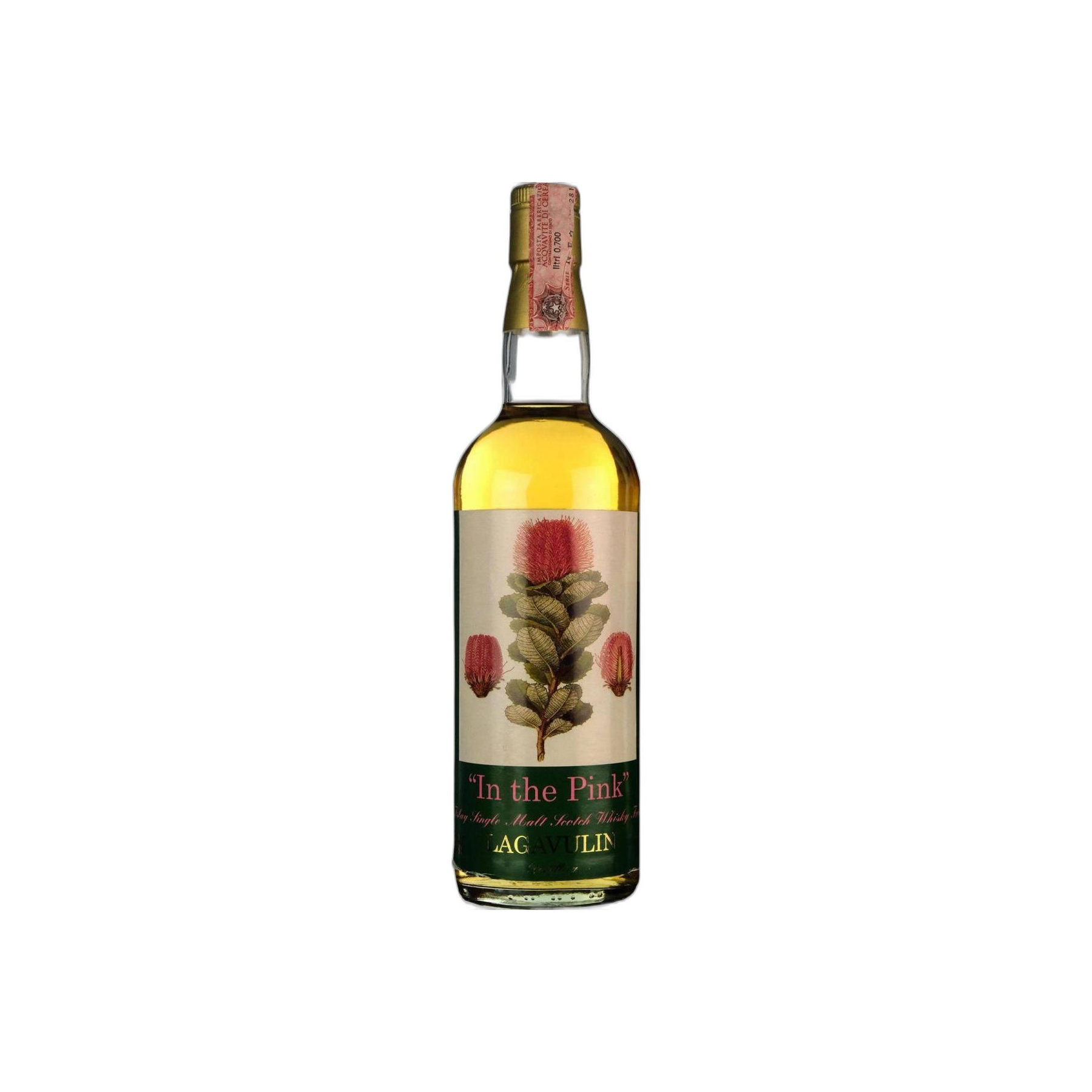
Lagavulin 1988 12 Years Single Malt Whisky
Lagavulin
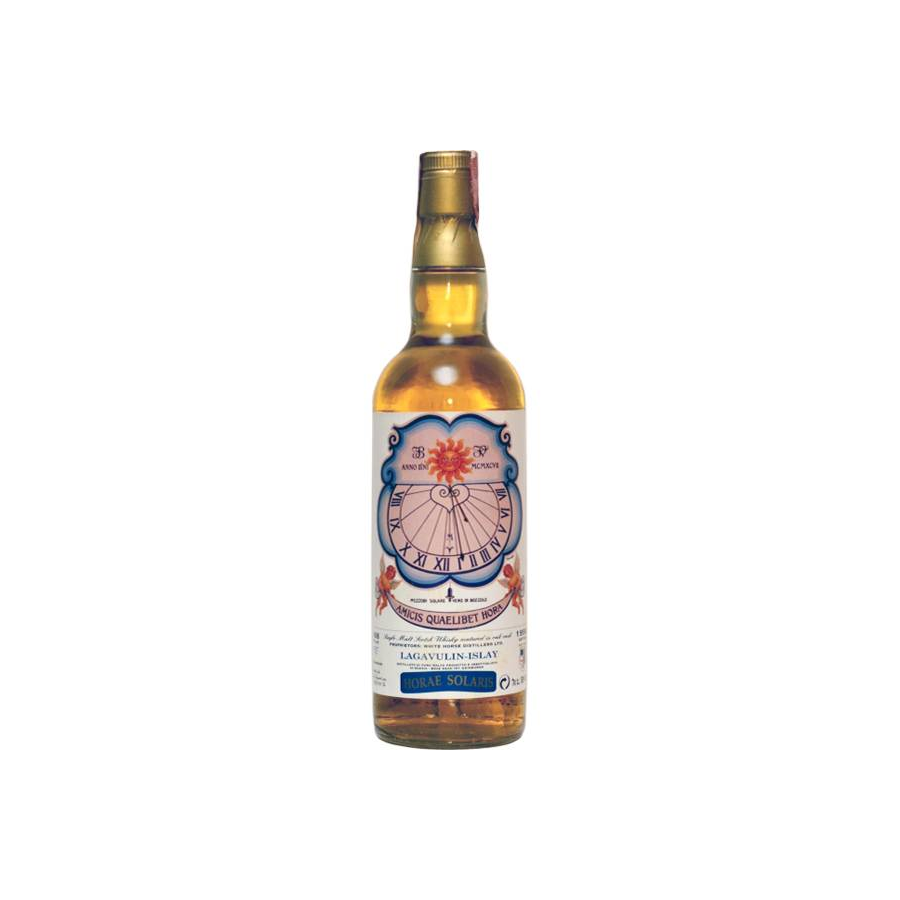
Lagavulin 1988 10 Years Single Malt Whisky
Lagavulin
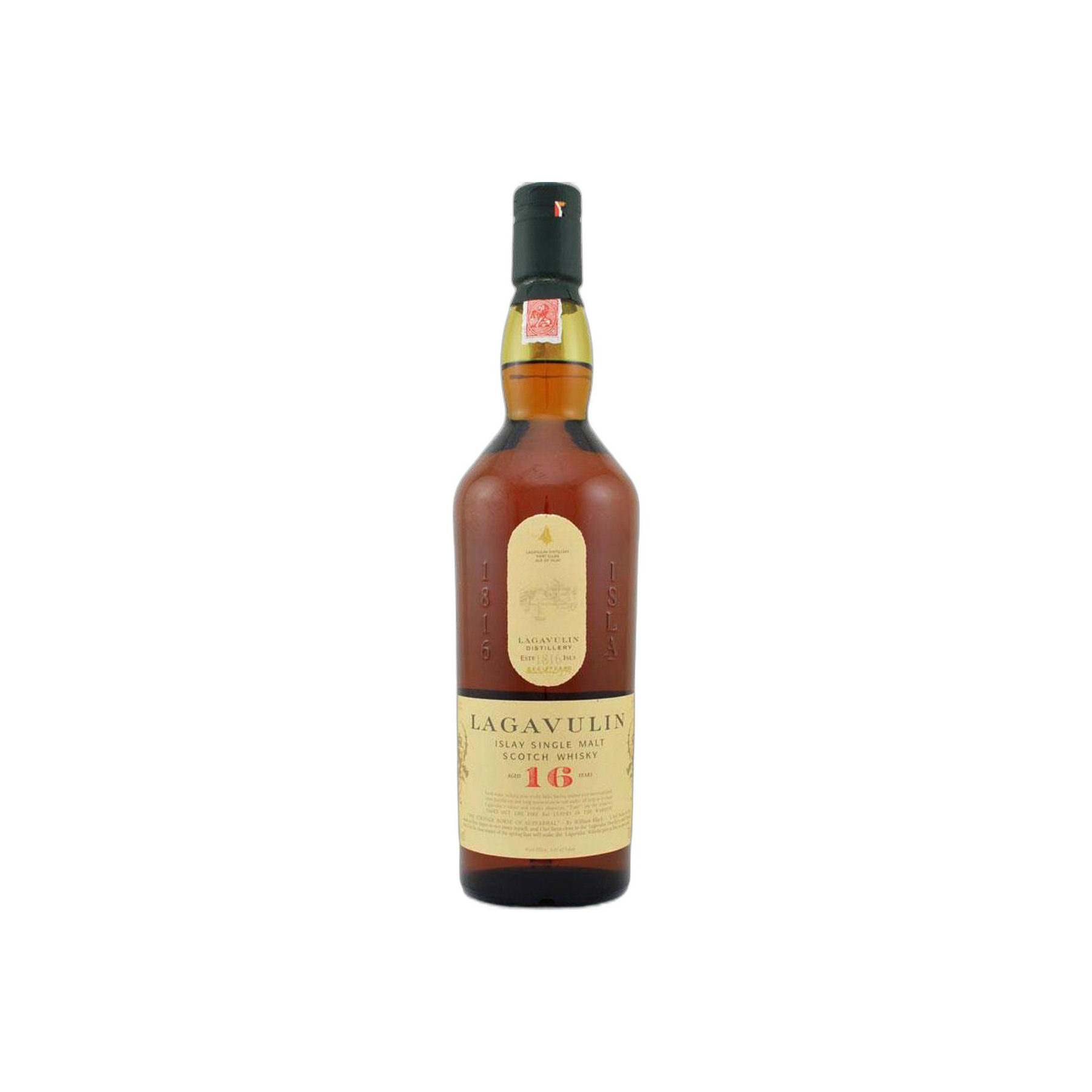
Lagavulin 16 Years Single Malt Whisky
Lagavulin
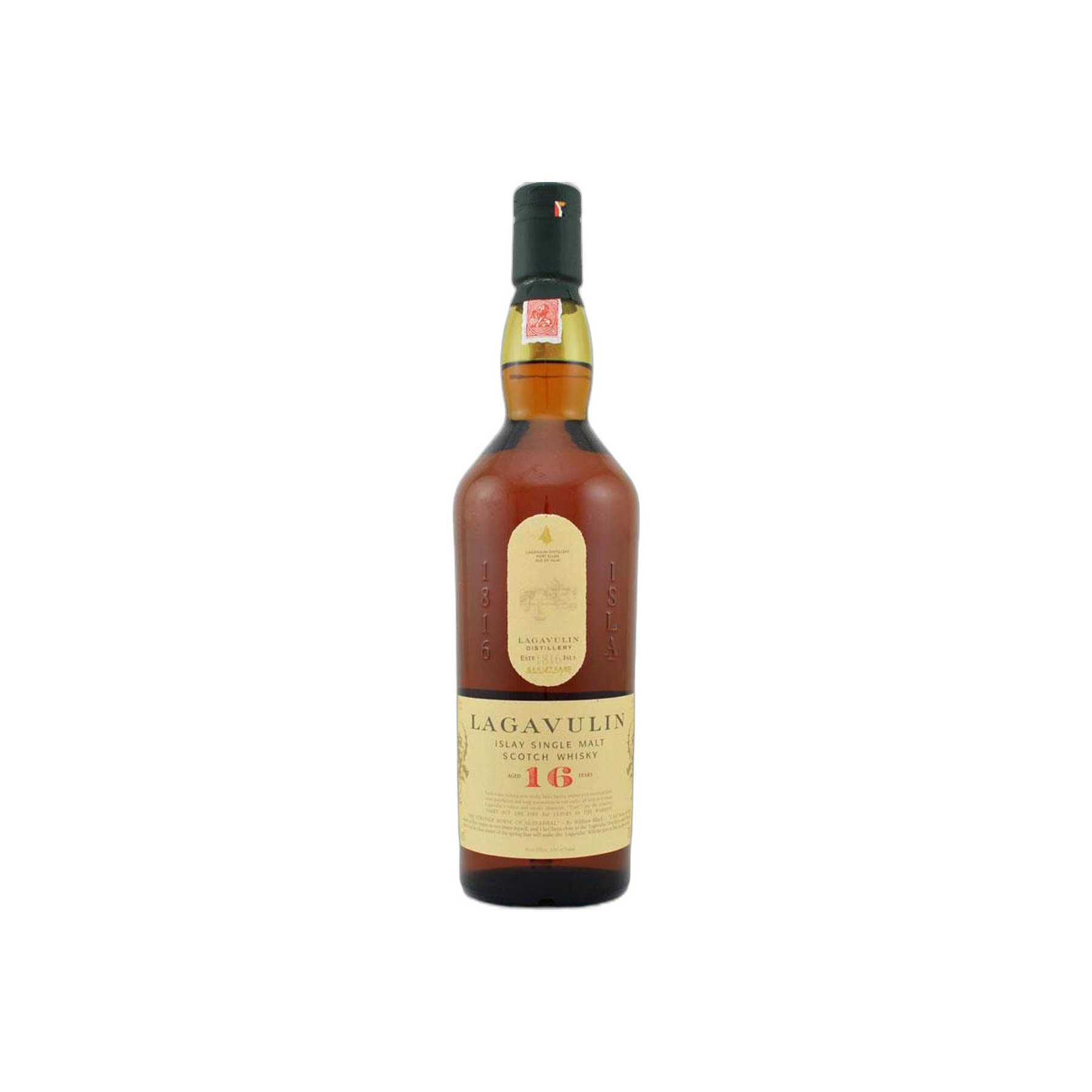
Lagavulin 16 Years Single Malt Whisky
Lagavulin
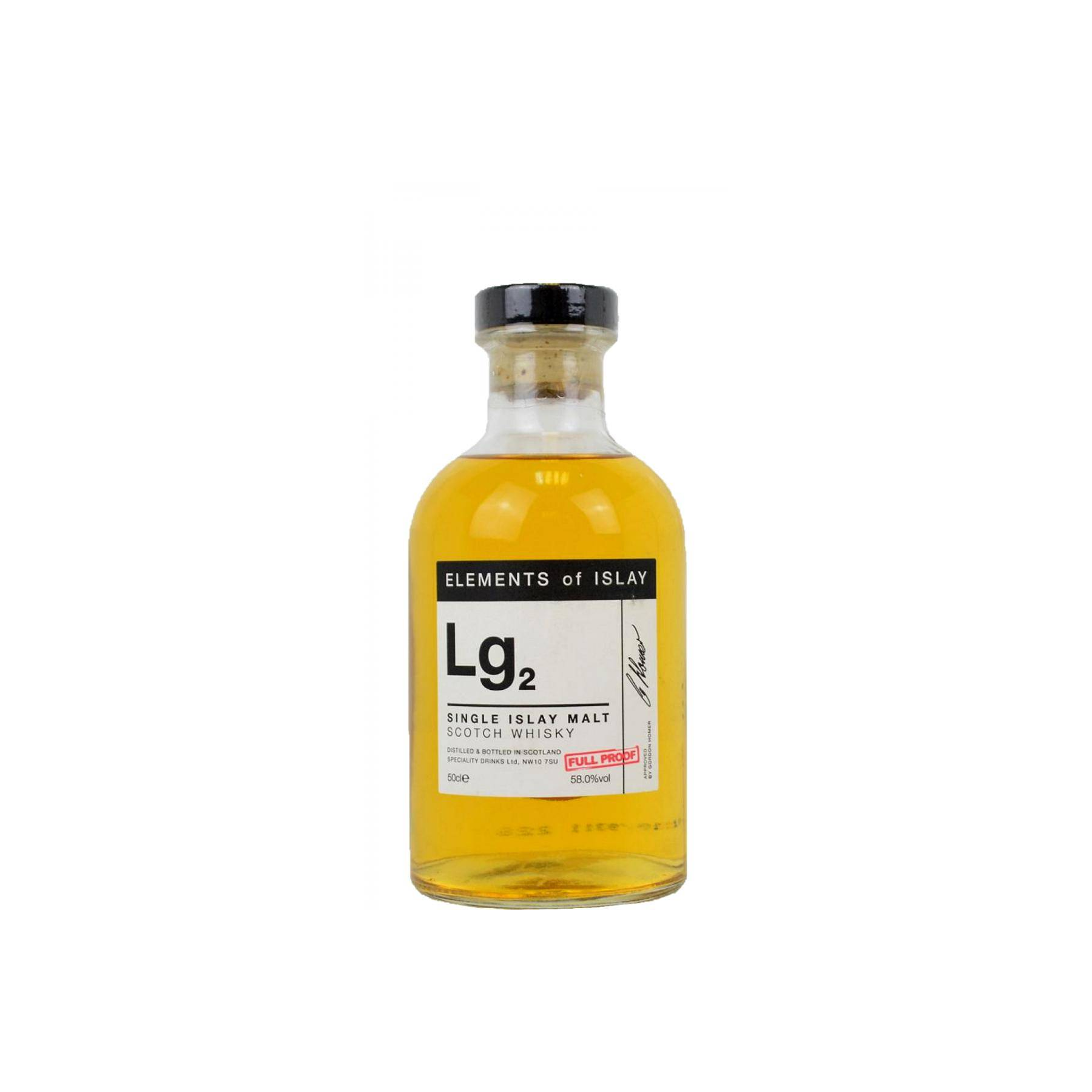
Lagavulin Single Malt Whisky
Lagavulin