
Glen Elgin has deep roots in three distilleries connected to White Horse Blended Whisky. First is Lagavulin, inherited by the brand's creator Peter Mackie from his father. Second is Craigellachie, built by Mackie in 1891 to supply malt whisky for White Horse. Third is Glen Elgin itself, owned not by the Mackie family but by DCL, which acquired White Horse Distillers in 1927. Since the 1890s, single malt whisky from these three distilleries formed the base of White Horse, one of the world's best-selling whiskies in the first half of the 20th century. Though now ranked 15th in whisky sales, White Horse remains the most popular Scotch whisky in some regions, selling 19 million bottles in 2018. Although Glen Elgin wasn't included in Diageo's 1988 Classic Malts series, it has been sold as a single malt since 1977. Respected by blenders and recognized for its consumer sales potential, it briefly appeared in the Flora & Fauna series. In 2002, Diageo gave four brands increased focus—Glen Elgin, Caol Ila, Clynelish, and Glen Ord—launching the Hidden Malts series. While Hidden Malts sold for several years, Glen Ord has since joined The Singleton family, while the other three now appear in the expanded Classic Malts series. Since 2001, Glen Elgin Distillery has operated with one 8.4-ton Steinecker full-lauter mash tun, nine larch washbacks (two replaced in 2018), and six small stills. The distillery runs 12-16 mashes weekly. The stills are connected to six wooden worm tub condensers. In 2019, the distillery operated five days per week, producing 1.8 million liters of new make spirit annually. The sole official bottling is Glen Elgin 12 Year Old. In 2017, Glen Elgin released an 18-year-old expression for the Special Releases series, matured in bodega European oak sherry casks.
History
Glen Elgin's designer was the renowned distillery architect Charles Doig, who predicted that this would be the last distillery built in Speyside for the next 50 years. He was indeed correct: the next distillery, Glen Keith, did not open until 1958. Glen Elgin was founded by William Simpson, former manager of Glenfarclas, and a banker named James Carle. The distillery was constructed in 1898, but after the collapse of Pattison's, the major blended whisky buyer at the time, the owners were forced to reduce production. Within six months of opening, it closed in 1900 and was sold for £4,000. After briefly resuming production for a year, Glen Elgin was sold again in 1906 to John J. Blanche & Company (for £7,000). When Blanche died in 1929, the distillery was sold once more, this time to D.C.L., which licensed it to White Horse Distillers—Glen Elgin's output has always been a crucial component of White Horse blended whisky. Prior to the 1950s, the distillery operated entirely on paraffin for heating and lighting, with all machinery driven by oil engines and water wheels. Like other D.C.L. distilleries, Glen Elgin underwent a major renovation in 1964, increasing the number of stills from two to six. Between 1992 and 1995, the distillery closed again for further refurbishment. Glen Elgin is rated top-tier by master blenders and has been described as 'the dram in the distiller's heart.'
Curiosities
Brian Spiller once commented: 'The distillery's kerosene lamps almost required one person's full-time attention to keep them running properly.' Glen Elgin didn't get electricity until 1950.
Timeline
Former Glenfarclas manager William Simpson and banker James Carle established the distillery.
Production began in May, but the distillery closed after only five months of operation.
The distillery was auctioned to Glen Elgin-Glenlivet Distillery Company for £4,000,
Wine merchants J. J. Blanche & Co. purchased the distillery for £7,000, and production resumed.
J. J. Blanche passed away, and the distillery was sold again.
The distillery was acquired, with the legal production license belonging to White Horse Distillers.
The number of stills was expanded from 2 to 6, and other renovations were carried out at the distillery.
The distillery was temporarily closed for renovations and installation of new stills.
Production resumed in September.
A 12-year-old whisky was launched under the Flora & Fauna series.
Glen Elgin Hidden Malt 12-year-old replaced the Flora & Fauna expression.
A 32-year-old cask strength whisky, distilled from 1971, was released.
A special 16-year-old whisky was released under the Special Release series.
Glen Elgin 1998 was released, a single cask whisky from the new Manager's Choice series.
A special 18-year-old whisky was released under the Special Release series.
Hot Search Whiskies
Showing top 10
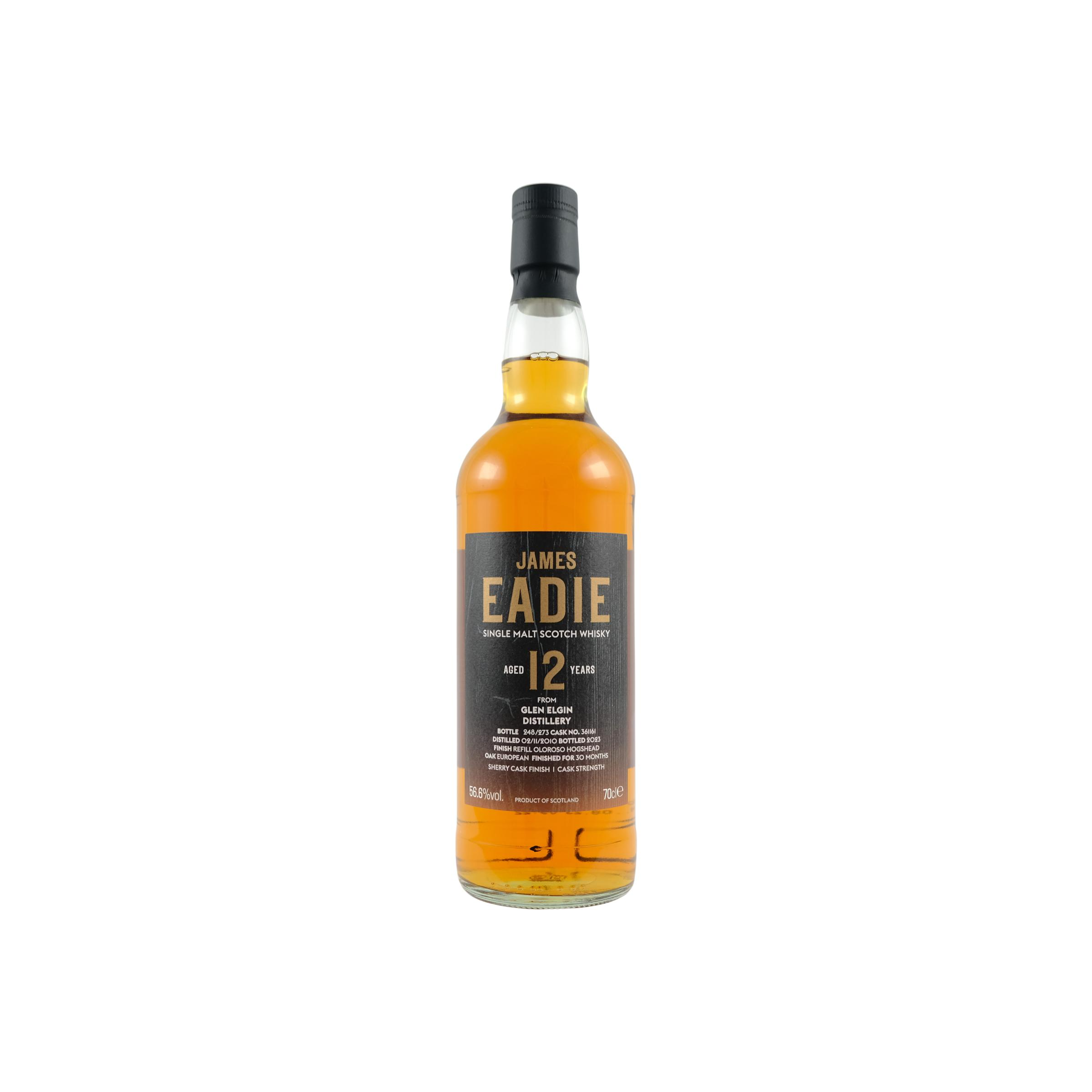
Glen Elgin 2010 12 Years Single Malt Whisky
Glen Elgin
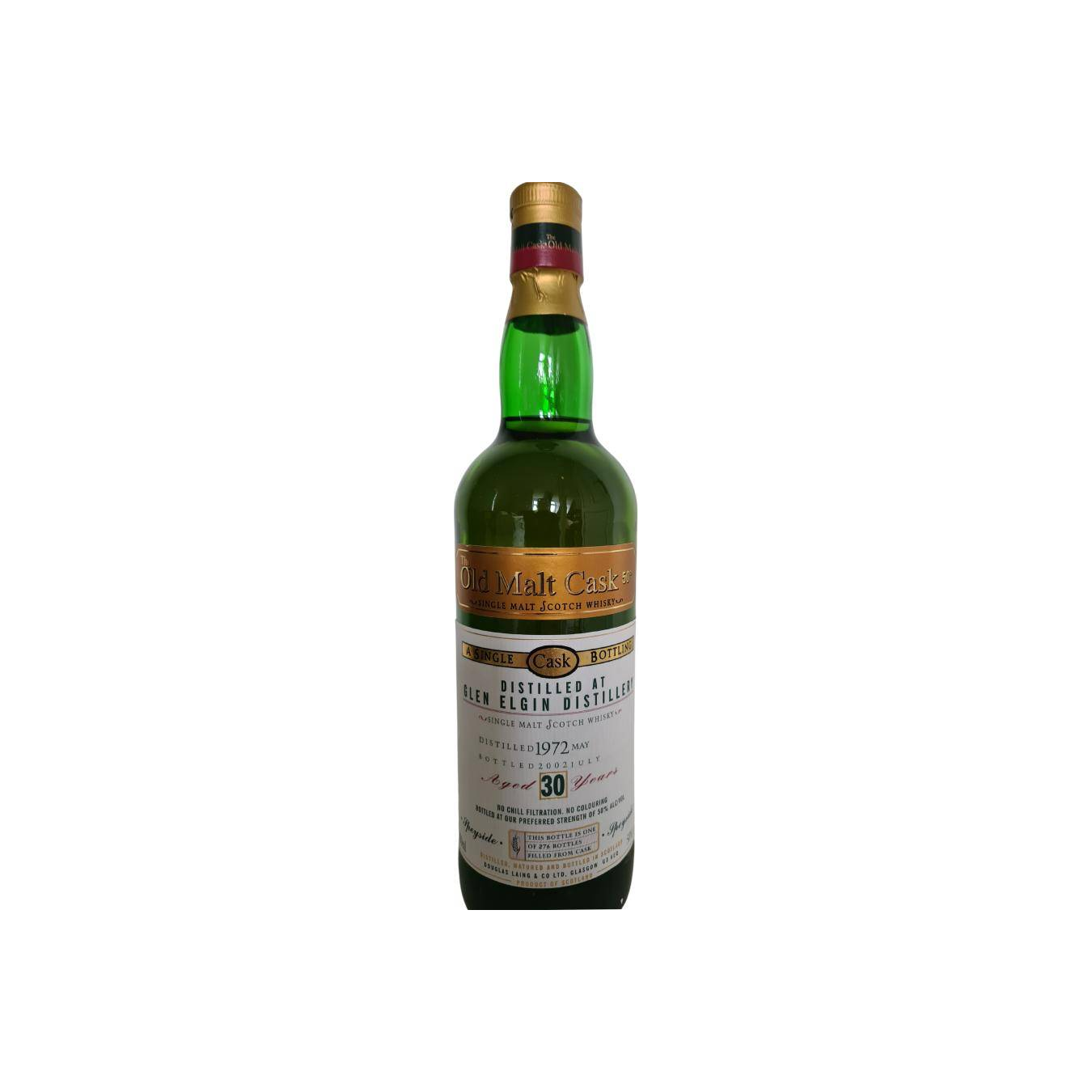
Glen Elgin Old Malt Cask 1972 30 Years Single Malt Whisky
Glen Elgin
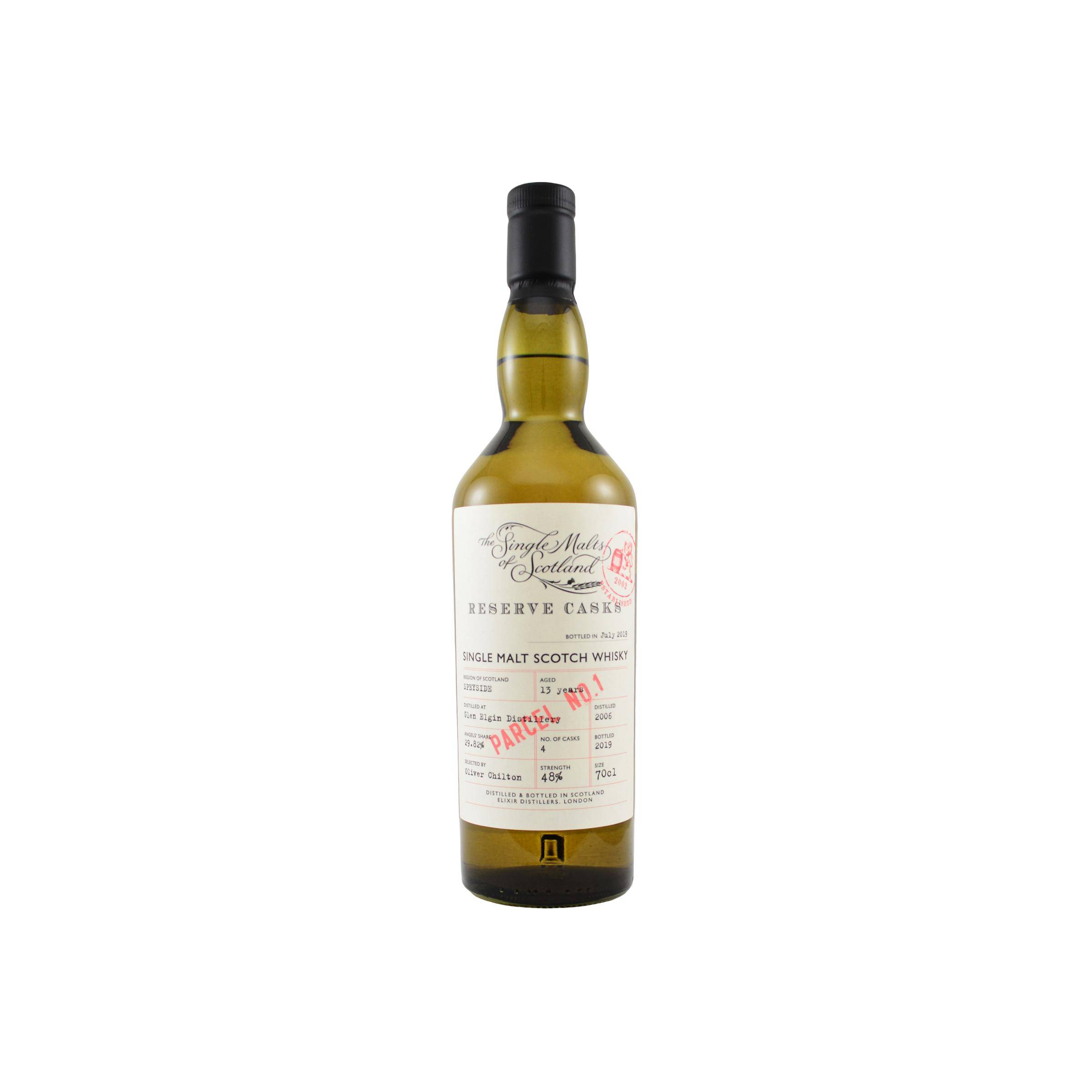
Glen Elgin 2006 13 Years Single Malt Whisky
Glen Elgin
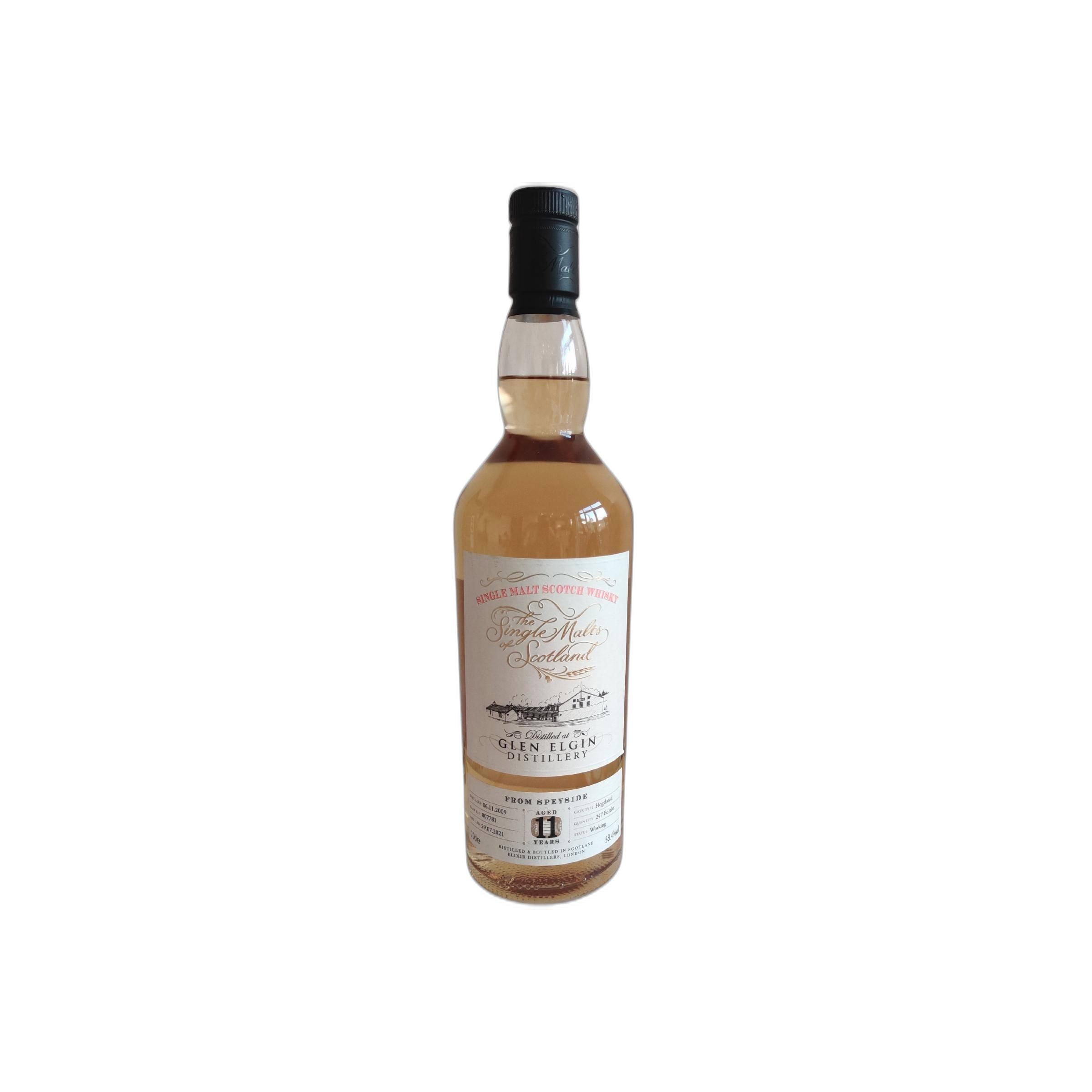
Glen Elgin The Single Malts of Scotland 2009 11 Years Single Malt Whisky
Glen Elgin
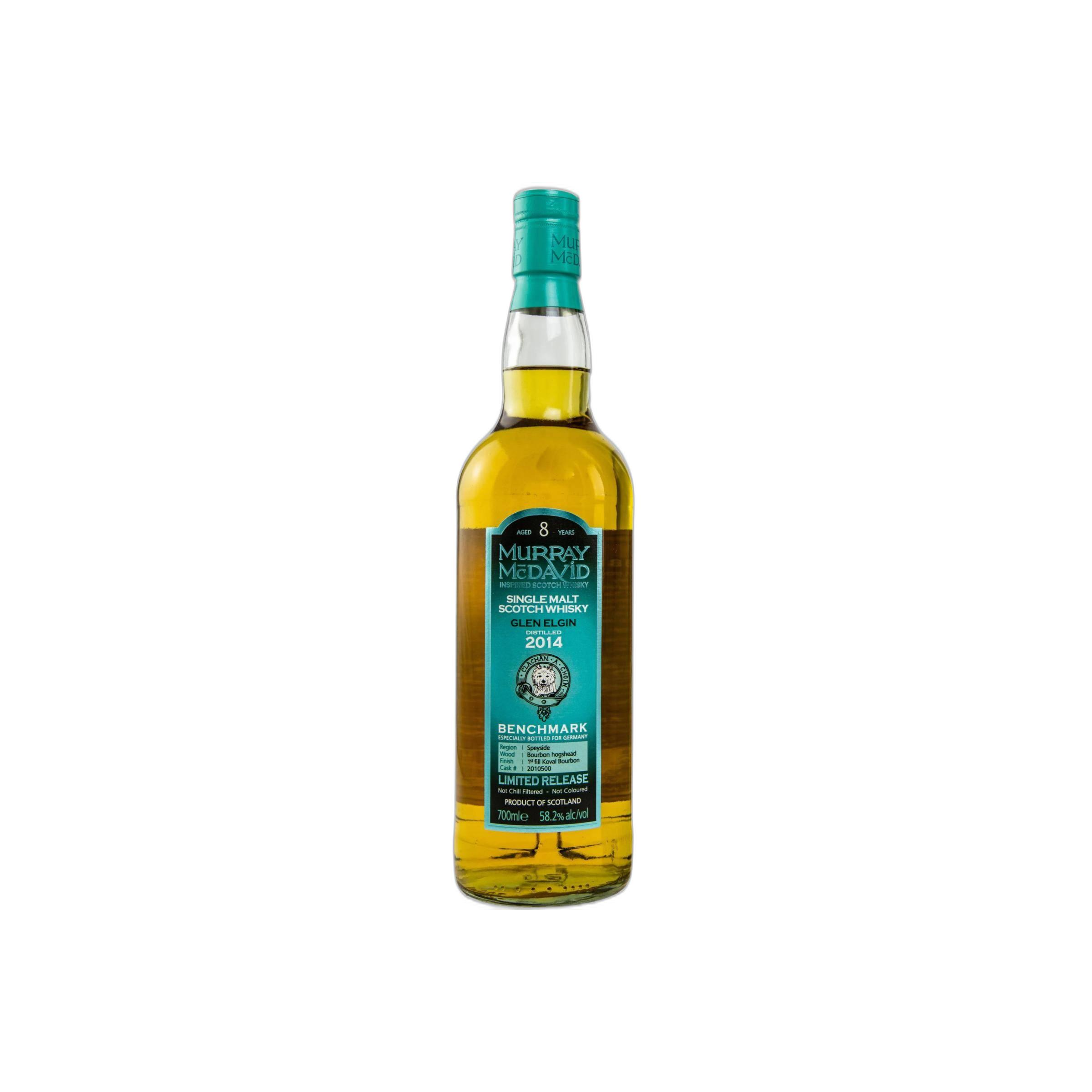
Glen Elgin 2014 8 Years Single Malt Whisky
Glen Elgin
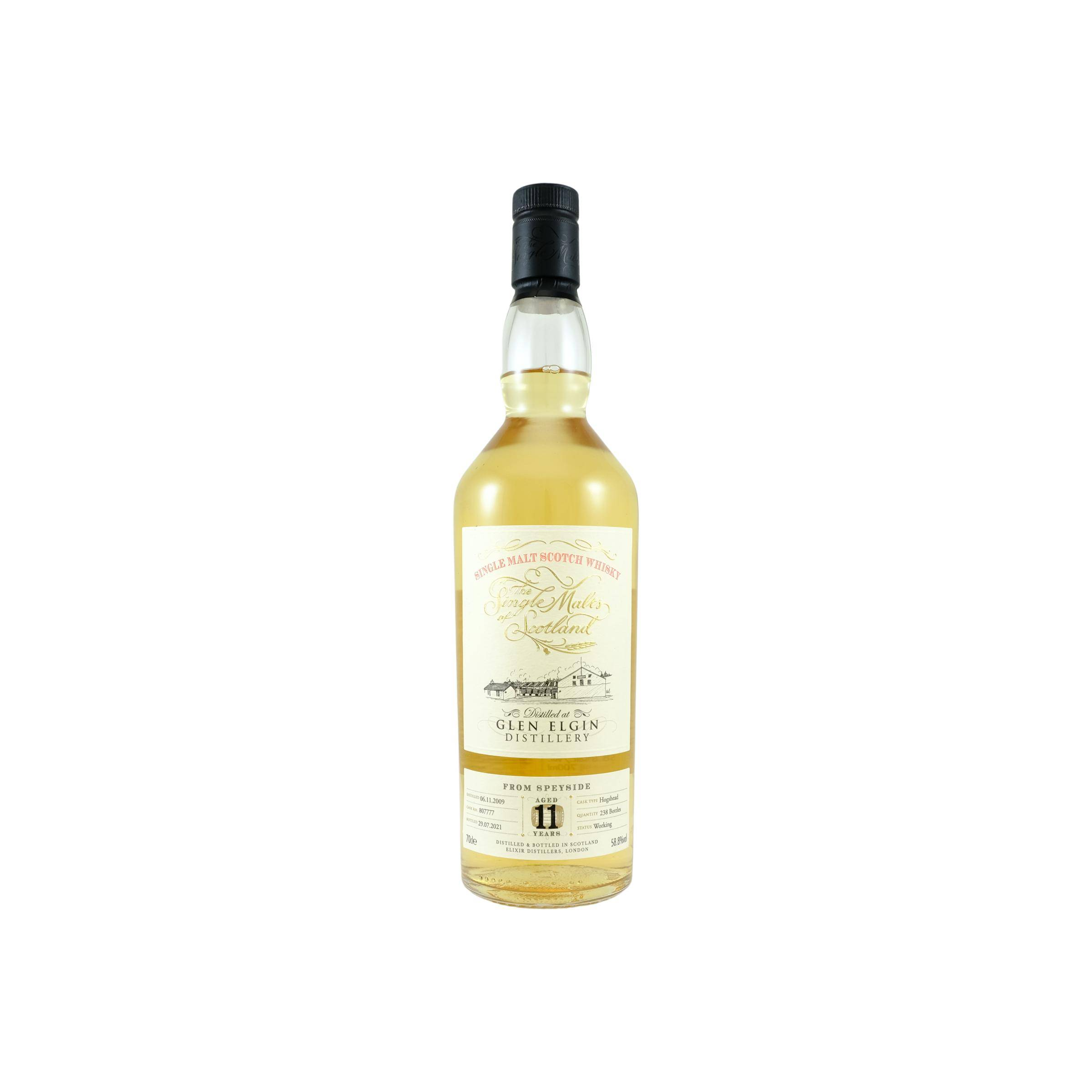
Glen Elgin The Single Malts of Scotland 2009 11 Years Single Malt Whisky
Glen Elgin
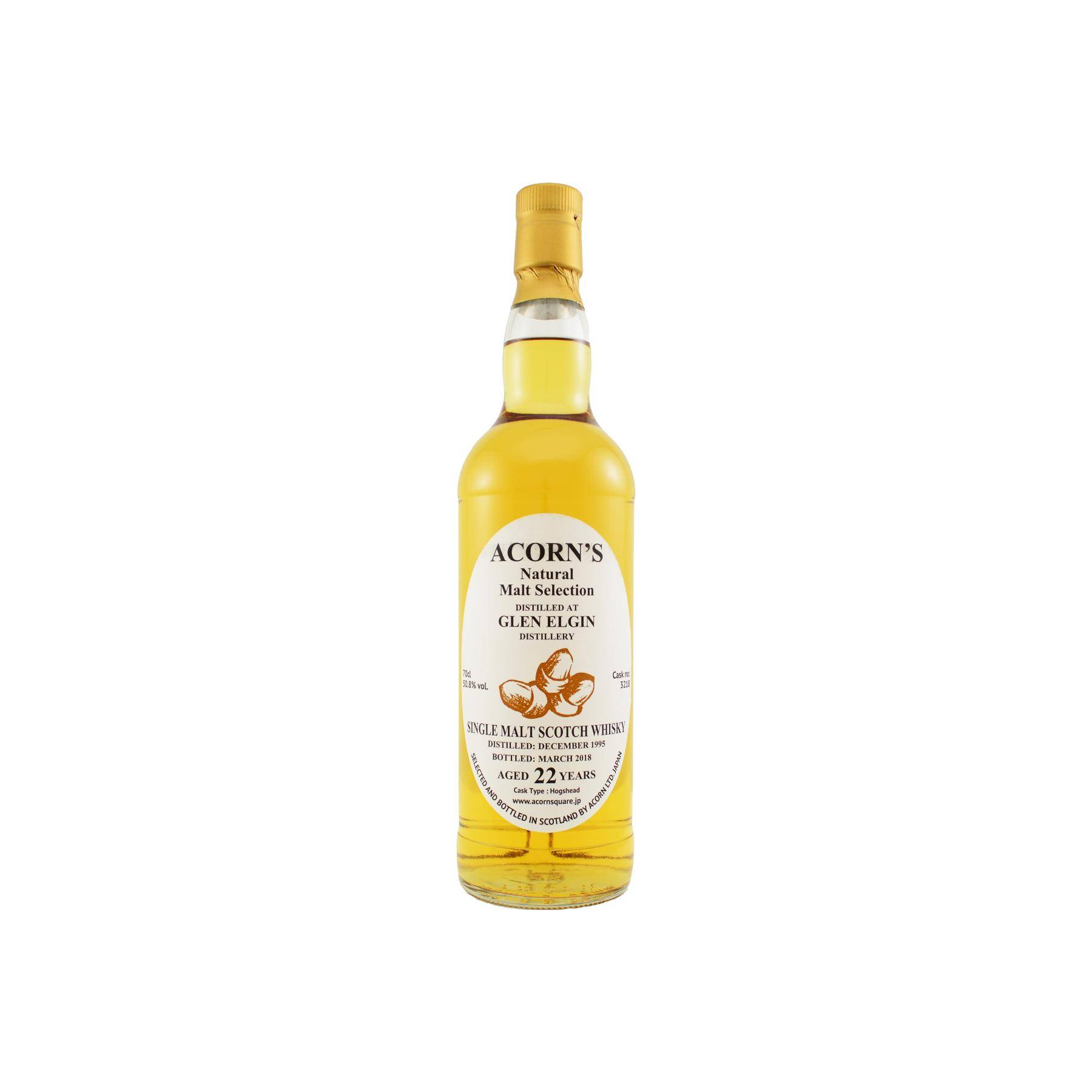
Glen Elgin 1995 22 Years Single Malt Whisky
Glen Elgin
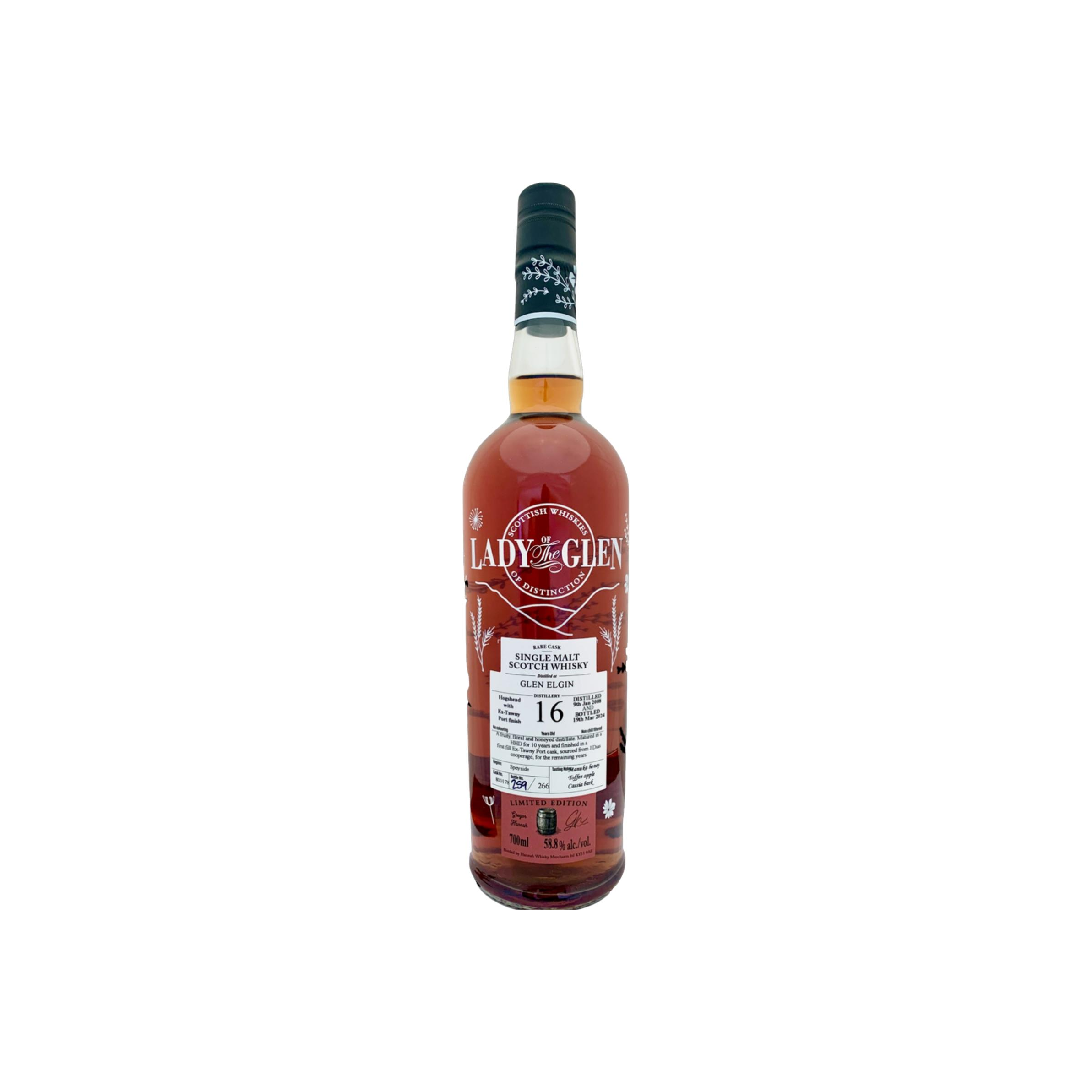
Glen Elgin 2008 16 Years Single Malt Whisky
Glen Elgin
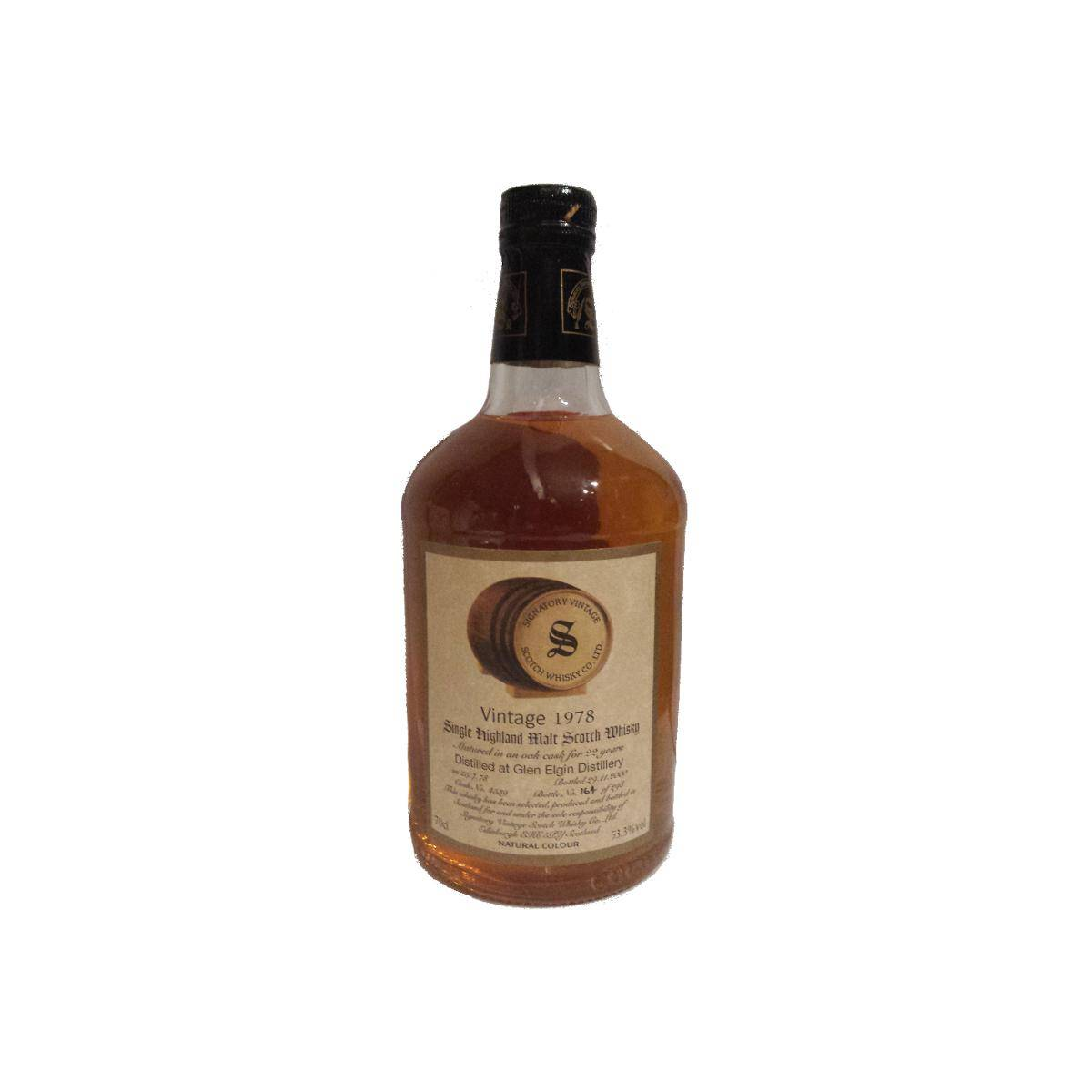
Glen Elgin Vintage Collection - Dumpy 1978 22 Years Single Malt Whisky
Glen Elgin
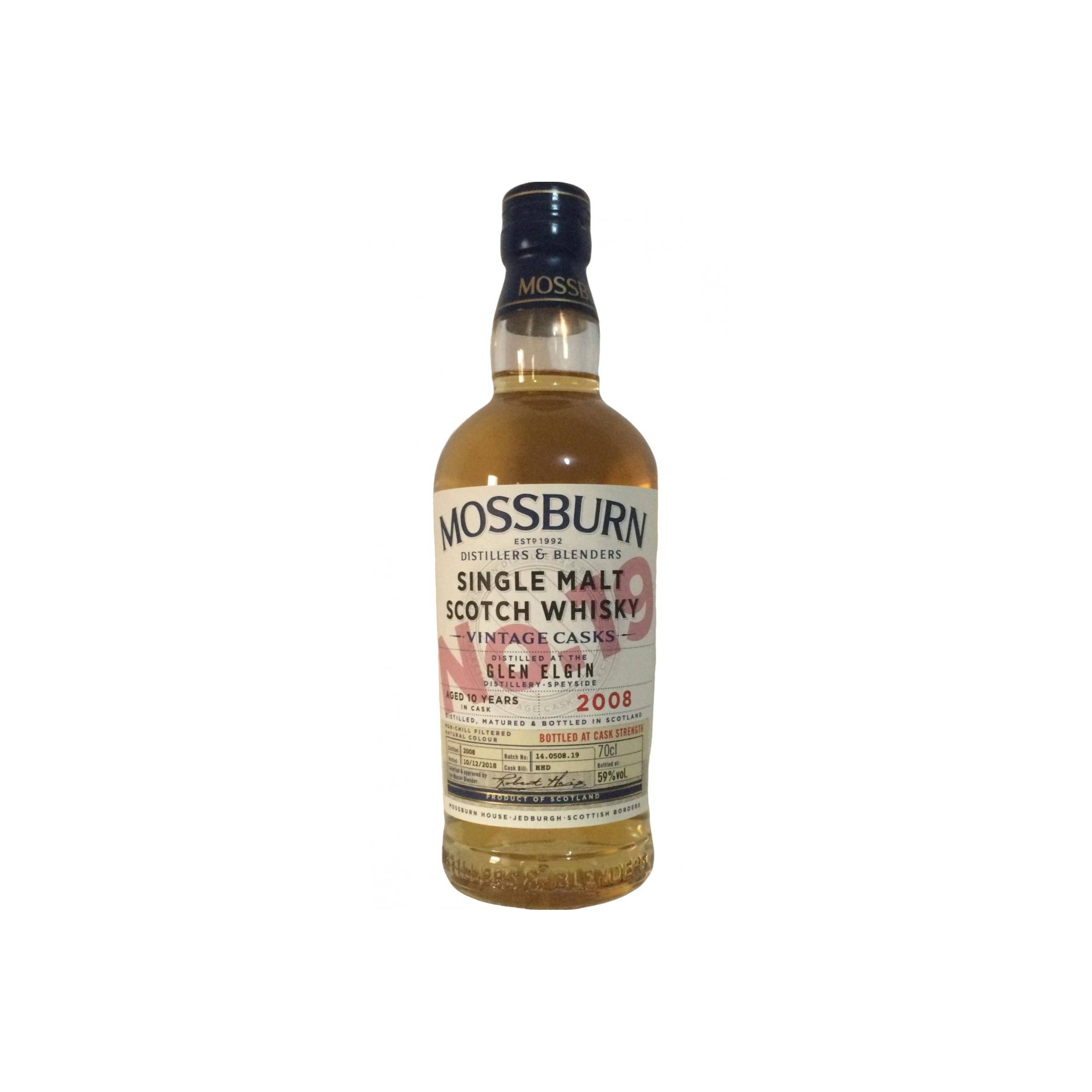
Glen Elgin 2008 10 Years Single Malt Whisky
Glen Elgin