
Glenglassaugh Distillery's history is intrinsically linked to the fortunes of Scotch whisky. Established in 1875 on the rugged Banffshire coast, the distillery was born during Scotch whisky's first golden age, when blended whisky dominated the market and malt whisky served as the essential ingredient for iconic blends like Teacher's. The subsequent perfect storm of two World Wars and American Prohibition devastated the industry, forcing Glenglassaugh into silence for nearly half a century. The distillery's rebirth in 1960 coincided with Scotch whisky's second golden age, as its spirit became a core component of globally renowned blends such as Famous Grouse and Cutty Sark. However, the 1980s whisky loch crisis claimed over 20 distilleries, and Glenglassaugh fell quiet once more. In 2008, as Scotch entered its third golden age, new ownership acquired the distillery with a singular focus: producing exceptional single malt whisky. Now under the stewardship of Brown-Forman (alongside sister distilleries Benriach and GlenDronach), Glenglassaugh crafts distinctive coastal Highland single malts. Production capabilities include a 9.2-ton cast iron mash tun, four wooden and two stainless steel washbacks with long fermentation periods of 54-80 hours, and a pair of copper pot stills. The distillery produces 800,000 liters of new make spirit annually, including 40,000 liters of peated whisky (30ppm phenol content). Approximately 85% is reserved for single malt releases, with the remainder going to independent bottlers and other customers. The core range showcases the distillery's maritime character: Revival (finished in Oloroso sherry casks), Evolution (matured in American oak), and Torfa (a peated, no-age-statement expression). Limited editions include rare age-statement bottlings at 30, 40, and 51 years old, plus the prestigious Rare Cask Series. The innovative Octaves range features both Classic and Peated variants matured for 7 years in small 65-liter casks. In autumn 2017, Glenglassaugh launched its first Cask Finish Series, exploring Port, Pedro Ximénez sherry, Peated Port, and Peated Virgin Oak finishes. All expressions are initially matured in bourbon casks and bottled at 46% ABV.
History
Glen Glassaugh is a distillery that even its owners rarely mention. In 1874, it was founded by the enterprising local businessman James Moir, together with his two nephews and coppersmith Thomas Wilson, located on the outskirts of the old town and harbor of Portsoy on the Banffshire coast. Their goal was to sell most of their production as 'private' whisky or single malt whisky, and they found a ready buyer in Robertson & Baxter, a Glasgow-based whisky broker and blending company. Moir died in 1887. One of his nephews refurbished the distillery, but when another nephew died in 1892, the former decided to sell Glen Glassaugh to pay inheritance taxes. Moir's nephew sent the distillery's quotation to Robertson & Baxter, who immediately sold it to their sister company Highland Distillers (now part of the Edrington Group). After 1898, demand for Glen Glassaugh decreased. Between 1907 and 1960, the distillery was shut down and was refurbished in 1960. However, in 1986, it was closed again, and remained silent except for a brief resumption in 1998. The on-site warehouses were used by Edrington. In February 2008, the Edrington Group announced the sale of Glen Glassaugh to the Dutch consortium Scaent Group for £5 million. Stuart Nickerson, distillery director of William Grant & Sons, provided consultancy services for the consortium in finding the distillery and was appointed managing director. The restored distillery opened on November 24, 2008, with the ribbon-cutting ceremony performed by local MP Alex Salmond, who later became First Minister of Scotland. In 2010, Ian Buxton published a comprehensive and elegantly written book about Glen Glassaugh. In 2013, Billy Walker, owner of the BenRiach and Glendronach distilleries, acquired Glen Glassaugh, and the ownership of the distillery changed again. In 2016, Walker packaged the three distilleries and sold them to Brown-Forman of Louisville, Kentucky for £285 million.
Curiosities
James Grant was a man of diverse enterprises—he sold seeds, hardware, fertilizers, wines and spirits. He served as an agent for the North of Scotland Bank, owned a fishing boat, and held salmon fishing rights on the River Spey. After 1865, he also served as colonel of the local volunteer artillery regiment. In the mid-1980s, Highland Distillers sought to amplify Glen Grant's sweet Speyside profile for The Famous Grouse blend. Believing soft water would help achieve this character, they conducted trials using water from Glenrothes. After initial success, the distillery installed a full water-softening plant. The cost proved prohibitive, and in 1985 the company decided to mothball Glen Grant while expanding production at Glenrothes distillery instead.
Timeline
James Moir establishes the distillery.
Alexander Morrison undertakes renovation work.
Morrison sells the distillery to Robertson & Baxter Ltd. The company then resells the distillery to Highland Distillers Group for £15,000.
The distillery closes.
The distillery resumes operations.
The distillery closes.
The distillery is refurbished.
The distillery resumes operations again.
Glenglassaugh is mothballed.
22-year-old expression released.
Three limited editions released: 19-year-old, 38-year-old, and 44-year-old.
The distillery is purchased by Scaent Group for £5 million. Three new expressions released: 21-year-old, 30-year-old, and 40-year-old.
New make spirit and 6-month-old whisky released.
26-year-old released, replacing the previous 21-year-old.
35-year-old and the first expression (3-year-old) from the new owners released.
Visitor centre opens, Glenglassaugh Revival released.
BenRiach Distillery Company purchases the distillery, Glenglassaugh Evolution released. 30-year-old expression released.
Peated Torfa, eight different single cask whiskies, Massandra Connection (35-year-old and 41-year-old).
Second batch of single cask whiskies released.
Octave Classic and Octave Peated released. In 2017, 3 cask-finished expressions released.
Rare Single Casks Series third batch, Octave second edition released.
Hot Search Whiskies
Showing top 10
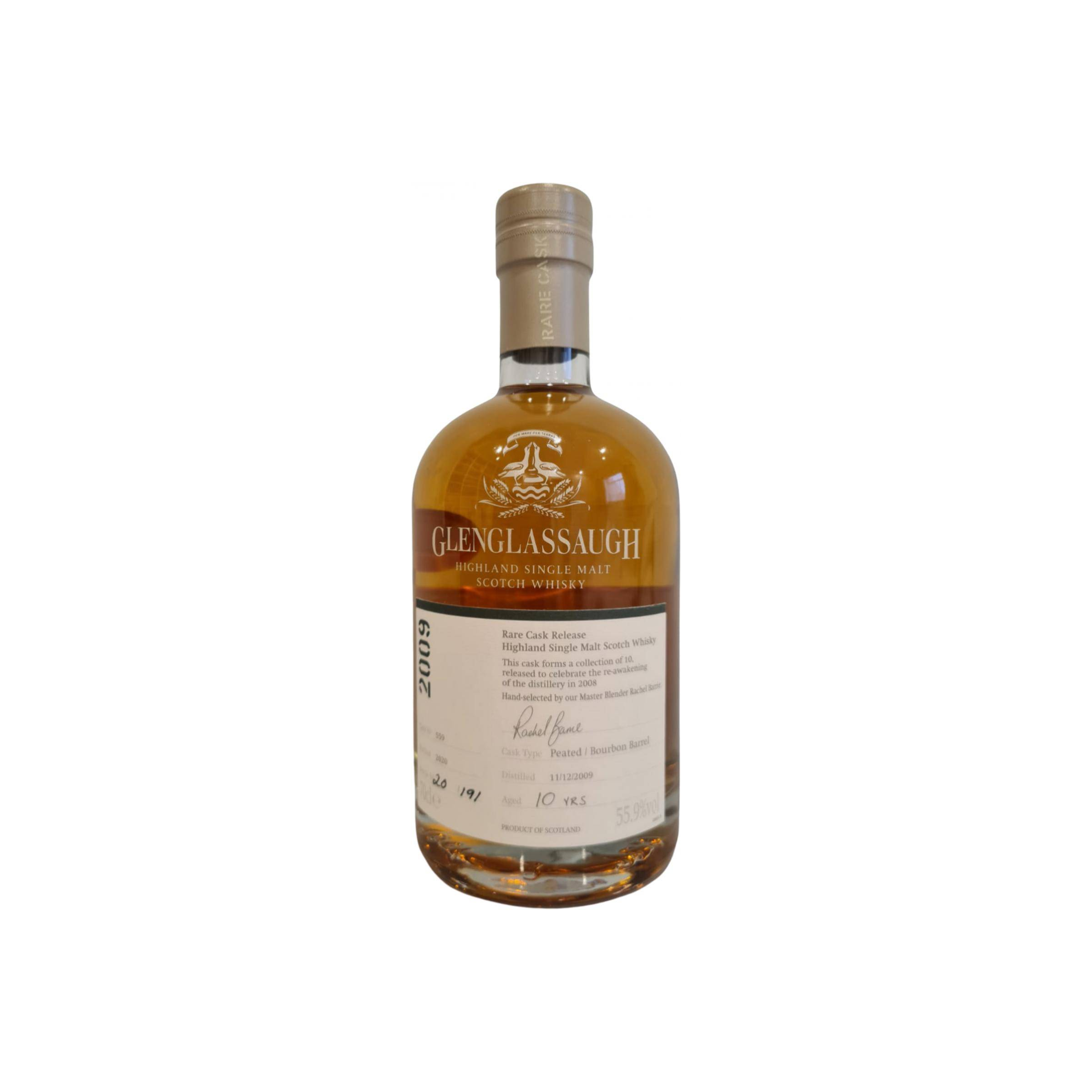
Glenglassaugh 2009 10 Years Single Malt Whisky
Glenglassaugh
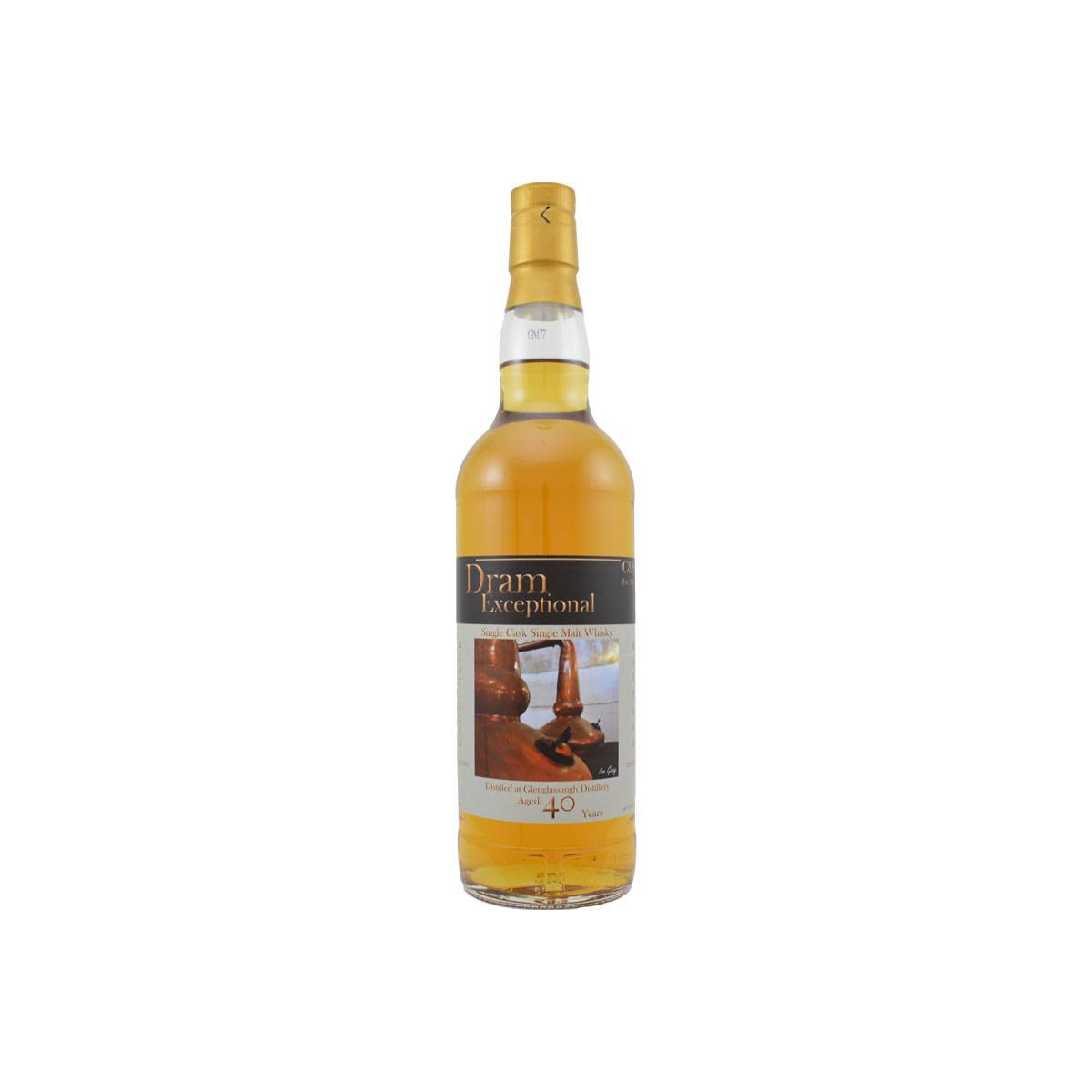
Glenglassaugh 1972 40 Years Single Malt Whisky
Glenglassaugh
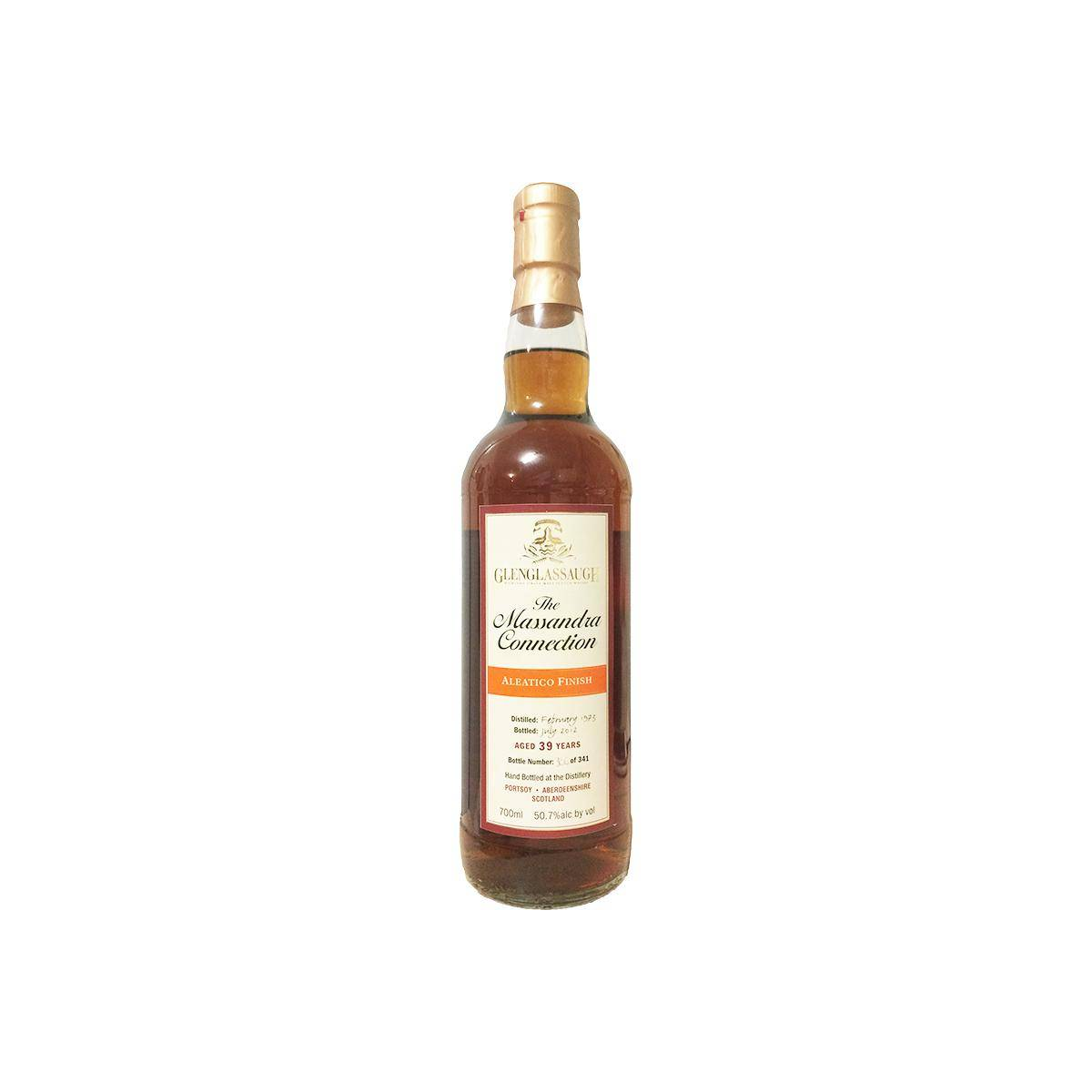
Glenglassaugh 1973 39 Years Single Malt Whisky
Glenglassaugh
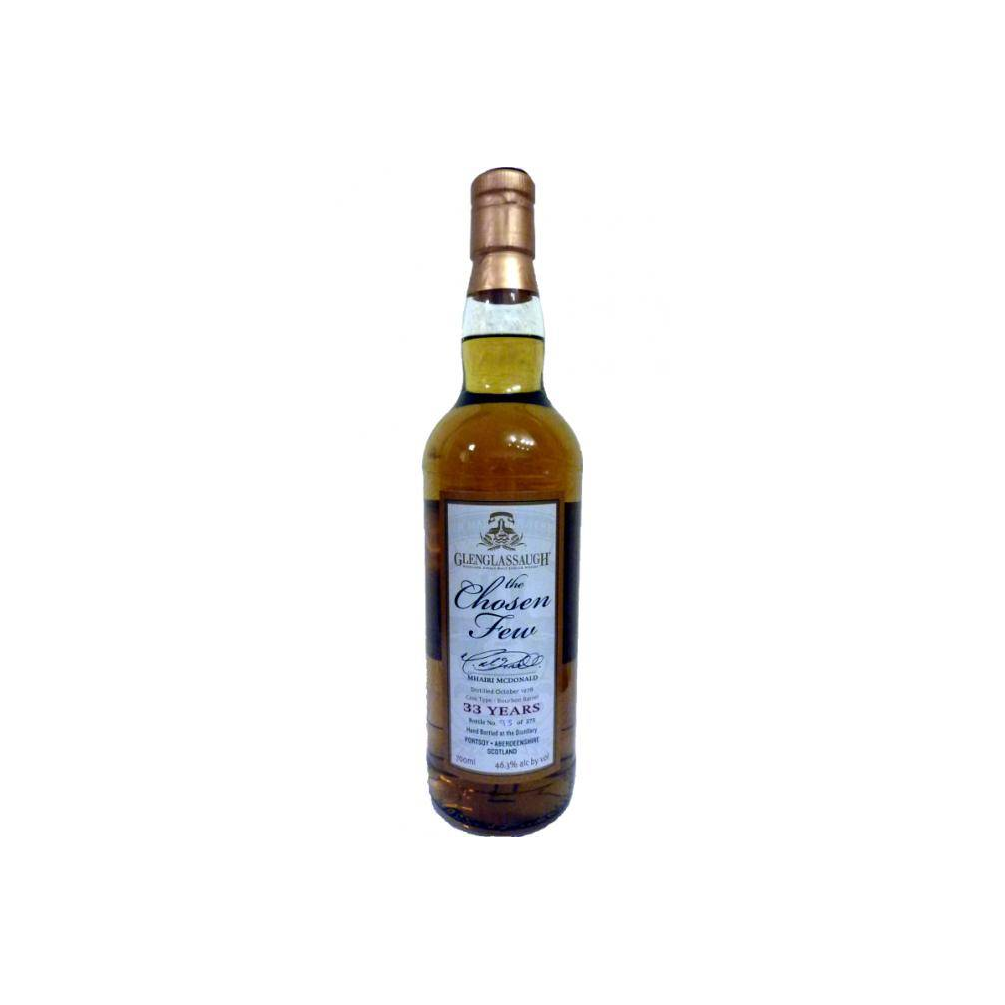
Glenglassaugh 1978 33 Years Single Malt Whisky
Glenglassaugh
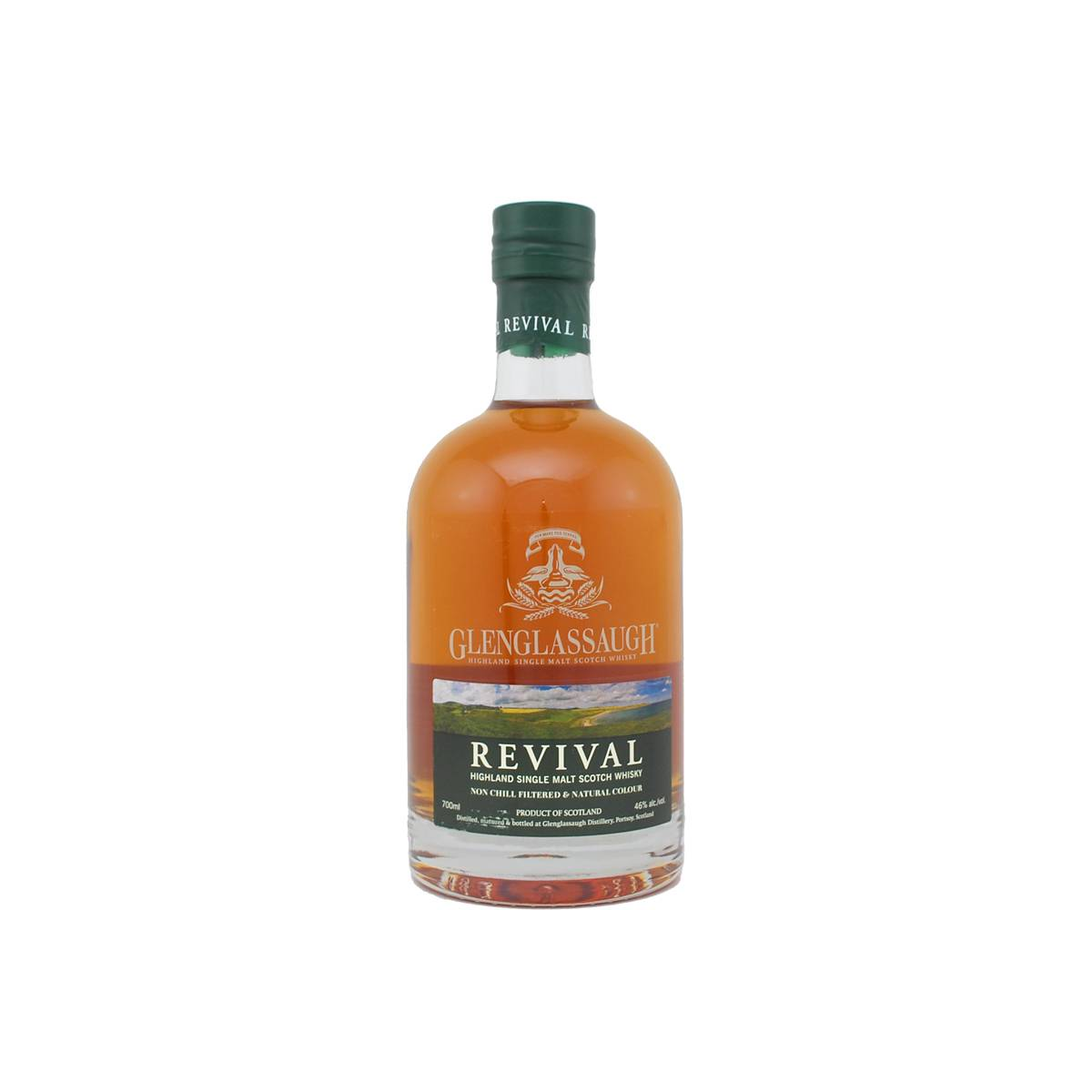
Glenglassaugh Single Malt Whisky
Glenglassaugh
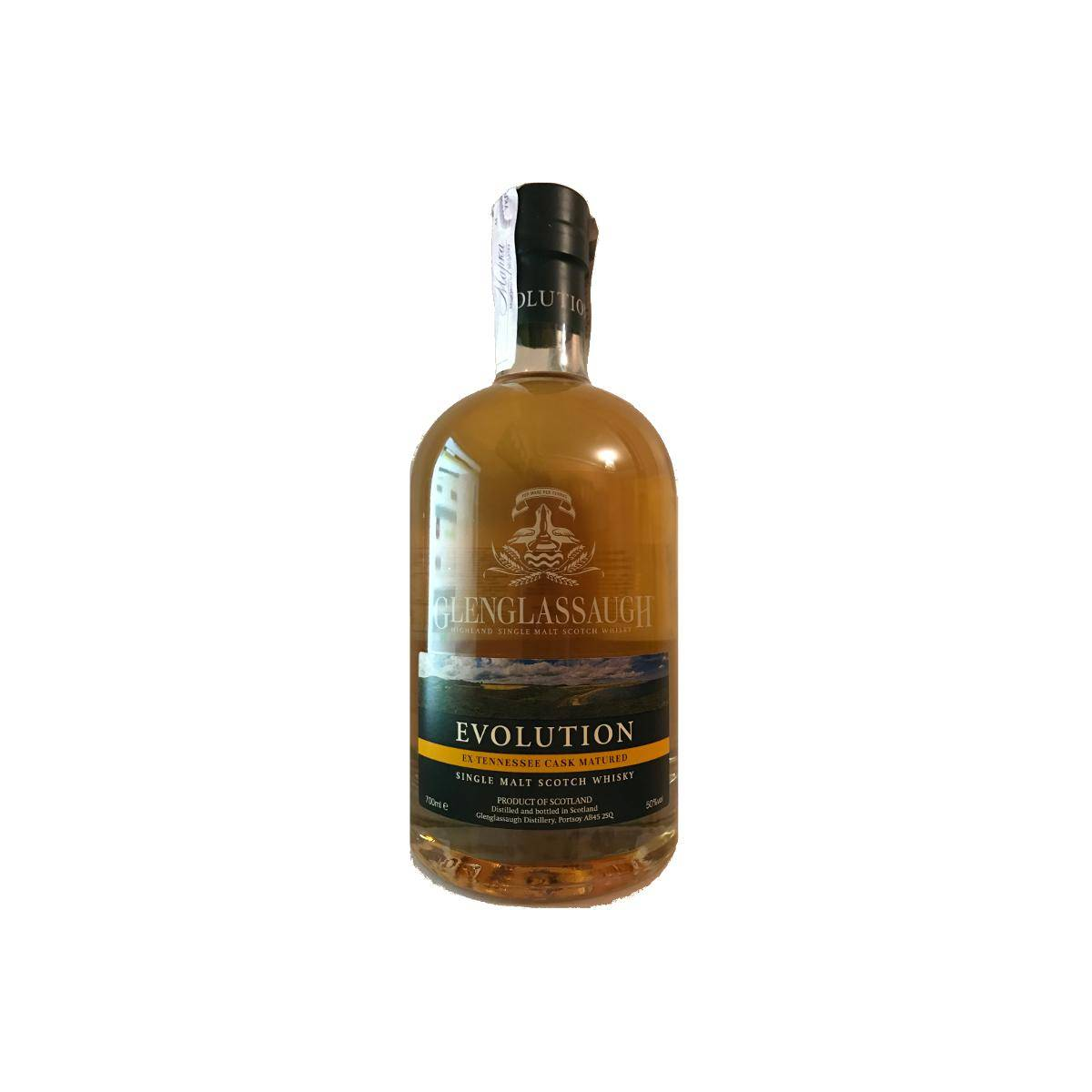
Glenglassaugh Single Malt Whisky
Glenglassaugh
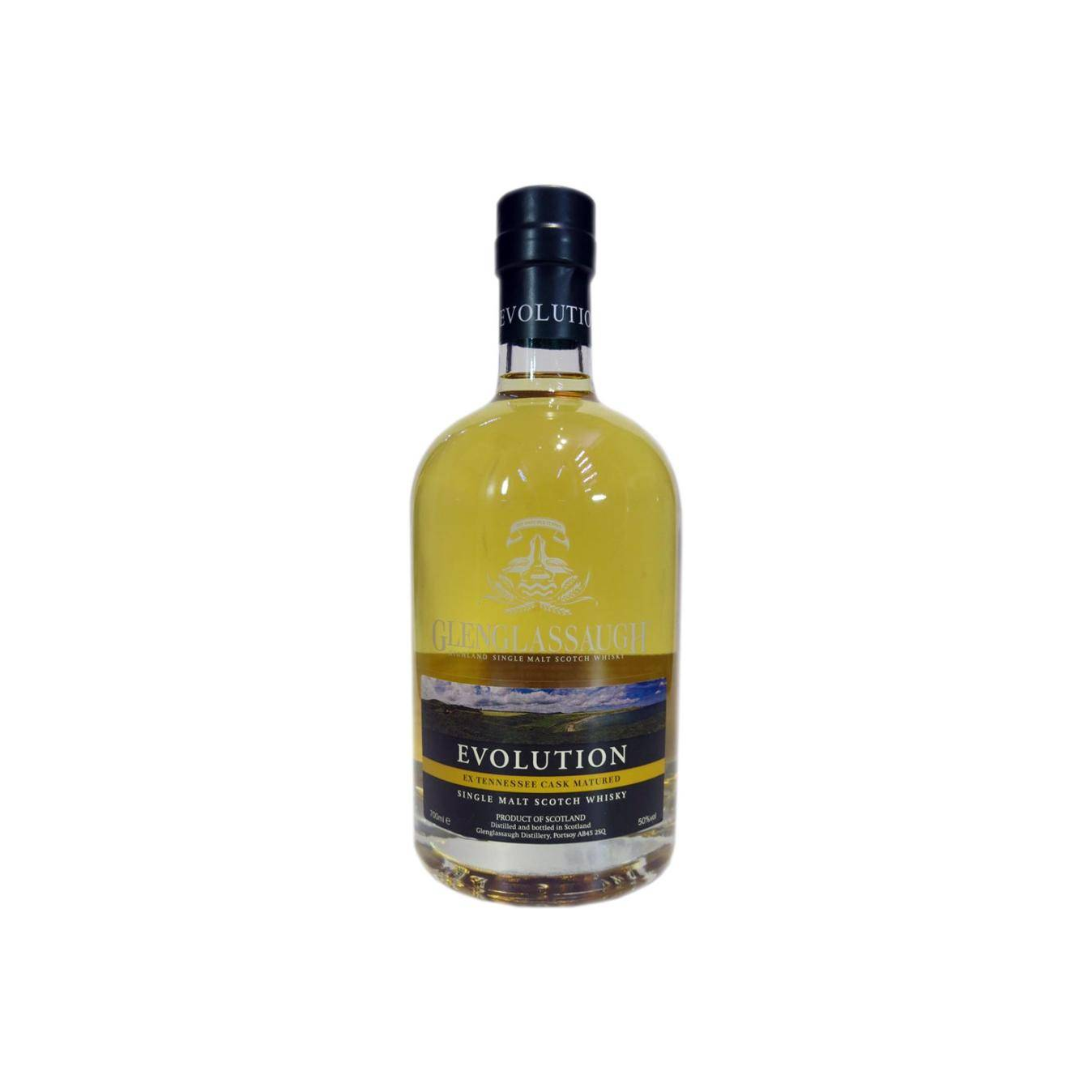
Glenglassaugh Single Malt Whisky
Glenglassaugh
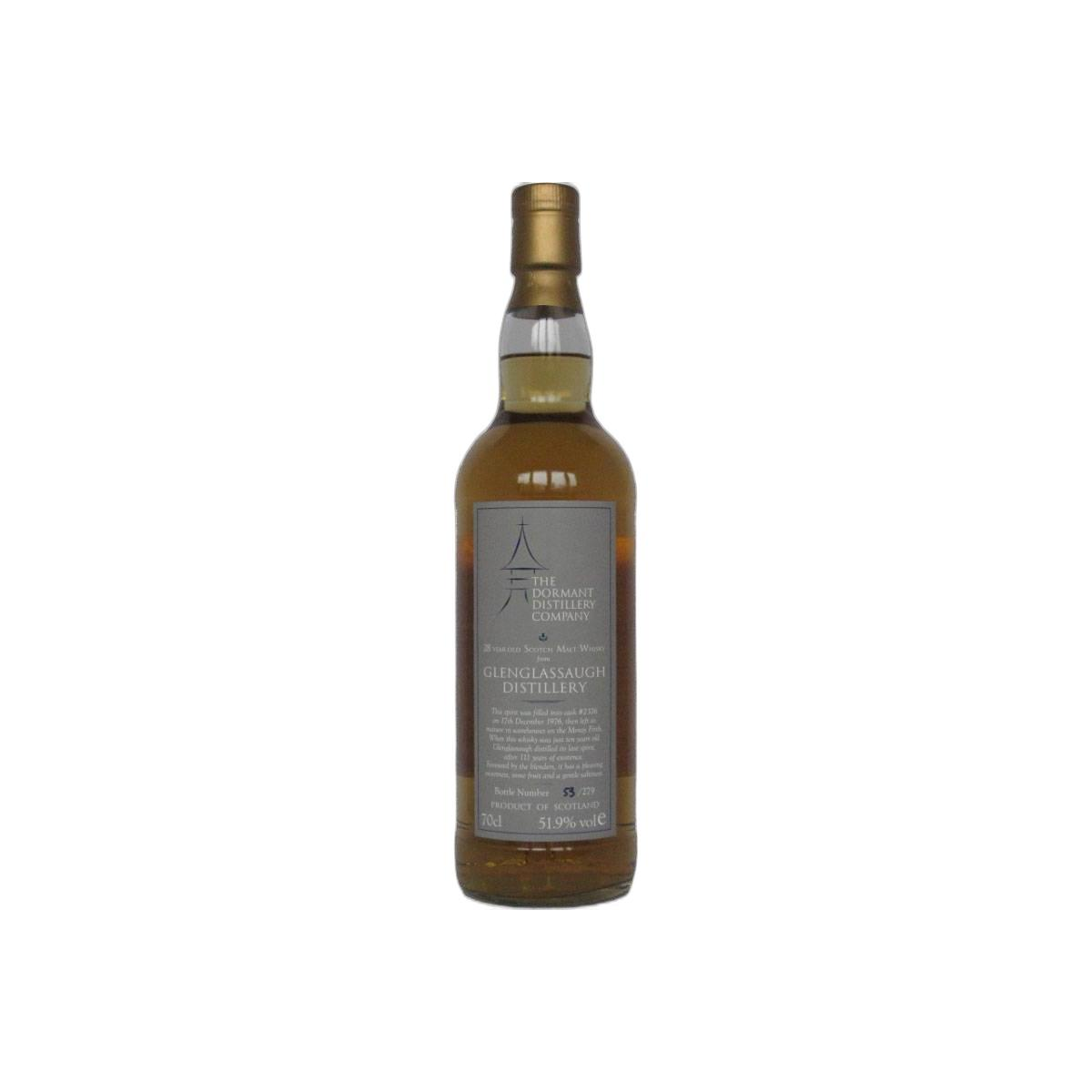
Glenglassaugh 1976 28 Years Single Malt Whisky
Glenglassaugh
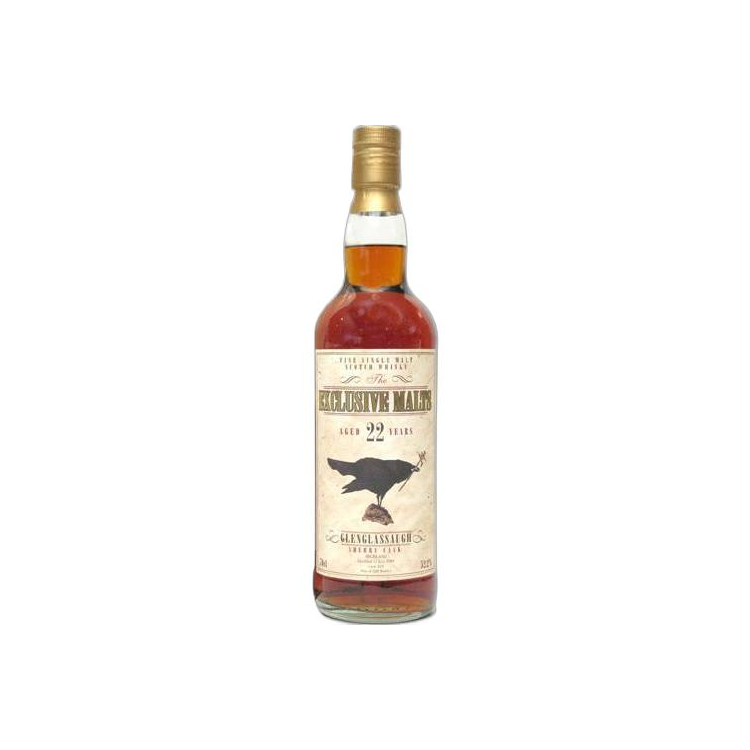
Glenglassaugh 1984 22 Years Single Malt Whisky
Glenglassaugh
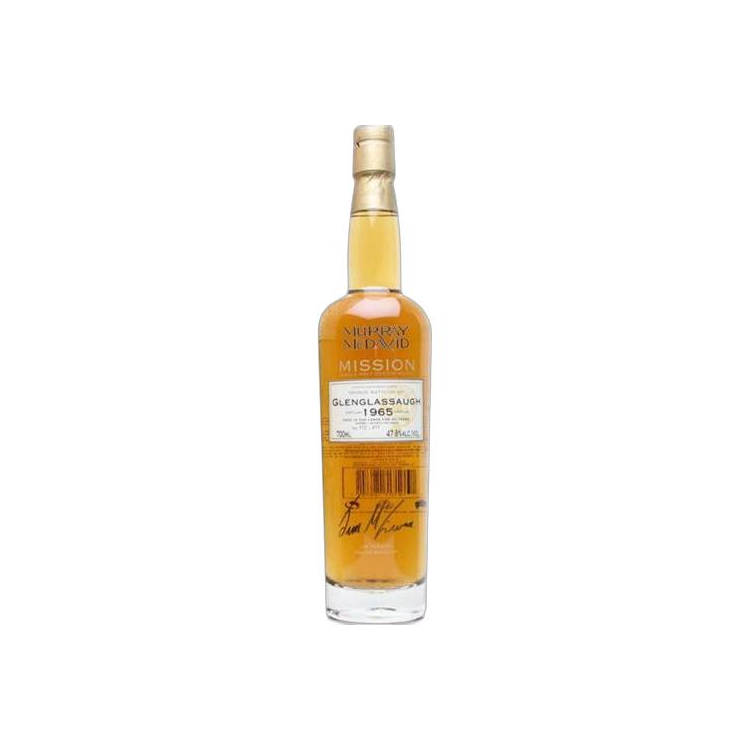
Glenglassaugh 1965 40 Years Single Malt Whisky
Glenglassaugh