
Glenrothes Distillery, a distinguished Speyside single malt producer, made a strategic pivot one year ago by discontinuing its vintage-dated expression program—a practice it had maintained since the 1990s. This move was subsequently mirrored by fellow Speyside distillery Balblair, signaling a broader industry shift. The distillery's production philosophy centers on exceptional wood management, with over 90% of its spirit matured in sherry casks, predominantly first-fill, representing a significant investment as sherry casks command substantially higher prices than ex-bourbon alternatives. Glenrothes employs a 5.5-ton stainless steel full-lauter mash tun for optimal wort extraction. Fermentation occurs across two dedicated spaces: a traditional room housing 12 Oregon pine washbacks and a contemporary facility with 8 stainless steel fermenters, both utilizing an extended 58-hour fermentation cycle to develop complex flavor precursors. The stillhouse operates five sets of slow-distillation stills, a deliberate process that encourages copper interaction and creates the distillery's characteristic elegant, fruity spirit character. In 2019, the distillery projected production capacity of 44 mashes weekly, yielding over 4 million liters of new make spirit annually. The majority of this output is reserved for single malt production, with the remainder serving as premium blending stock. The discontinuation of vintage expressions has been replaced by the Sherry Cask Maturity-driven Soleo Collection, comprising Glenrothes 10 Year Old, 12 Year Old, Whisky Maker's Cut (non-age statement), 18 Year Old, and 25 Year Old expressions. The distillery also maintains the Aqua Collection, an online-exclusive range featuring Whisky Maker's Dram and a 12 Year Old variant. Travel retail channels offer the premium Reserve series through September 2019, including Robur Reserve, Manse Reserve, Elder's Reserve, Minister's THE Reserve, and the luxurious 25 Year Old Ancestor's Reserve. Limited releases include the annual Halloween Editions (2018 and October 2019 releases), a prestigious 40 Year Old launched in Summer 2019, and an ultra-rare 50 Year Old scheduled for December 2019 release.
History
James Stewart from the village of Rothes was a grain merchant and also the owner of a mill. In 1868, he partnered with Robert Dick, William Grant (an agent of the Clydesdale Bank), and John Cruickshank (a lawyer) to take over the nearby Macallan distillery. The distillery operated successfully, and three years later they decided to build a larger distillery upstream in Rothes. However, this was not a good time to build a distillery. In the autumn of 1878, Britain experienced "the most severe economic crisis in a century": the City of Glasgow Bank collapsed in October, and the Clydesdale Bank followed suit in December. James Stewart and his partners dissolved their partnership; Stewart retained Macallan, while the others took over the half-built Glenrothes-Glenlivet distillery, continuing operations under the name William Grant & Company. The distillery's opening date was December 28, 1879—the night of the Tay Bridge disaster (see Balmenach)—with Robertson & Baxter as agents. Later, in 1887, following the advice of W.A. Robertson, Glenrothes merged with Bunnahabhain to form Highland Distilleries Company. In 1896, the distillery expanded according to the design of Charles Doig of Elgin, adding four stills and a second malt kiln. However, before the project was completed, a major fire destroyed most of the distillery. Despite the installation of Doig's patented equipment that prevented the new mill from exploding, the distillery could not avoid another fire six years later. Glenrothes expanded to six stills in 1963, increased to eight in 1980, and was rebuilt and expanded to ten stills in 1989. In 1987, Highland Distilleries licensed the Glenrothes brand to Berry Brothers & Rudd, a London-based wine merchant that also owned 50% of Cutty Sark (the other 50% was held by Robertson & Baxter). That same year, they released the distillery's first official bottling: Glenrothes 12 Year Old. In 2010, the Edrington Group (owner of Robertson & Baxter) acquired 100% ownership of Cutty Sark, while Berry Brothers & Rudd obtained 100% ownership of Glenrothes. However, in 2017, the situation reversed, and the Glenrothes brand returned to the Edrington Group, with plans to increase the brand's influence in international markets. Until 1994, the distillery's name was Glen Rothes; it was changed to Glenrothes thereafter.
Curiosities
Due to The Glenlivet's immense prestige, 27 Speyside distilleries appended 'Glenlivet' as a suffix to their names. In 1884, John Gordon Smith sought to restrict this practice. Before it reached court, the owners of Glenlivet, Cragganmore, Mortlach, Glenfarclas, Linkwood, Glen Grant, Glenlossie, and Benrinnes reached an agreement: Smith's distillery would be named The Glenlivet, while they could hyphenate 'Glenlivet' to their distillery names and market their vatted malt as vatted Glenlivet. Others soon followed suit. Andrew Usher was granted exclusive rights to continue selling Old Vatted Glenlivet. The distillery draws its process water from a spring that was allegedly the site of a 13th-century murder. According to legend, Lord Ross's daughter Mary Leslie was slain by the notorious 'Wolf of Badenoch' (Alexander Stewart, Earl of Buchan) while protecting her lover. In addition to a new label design in 1994, Glenlivet also adopted a unique bottle shape for filling, affectionately dubbed 'La Bomba'. In 2005, they launched 'La Bombette', a hand-grenade-sized 10cl miniature bottle available in two versions.
Timeline
James Stuart & Co. began planning with Robert Dick to establish a new distillery, with William Grant and John Cruickshank as partners
December: distillery completed and production commenced
Distillery renamed to Glenrothes-Glenlivet
William Grant & Co. merged with Islay Distillery Co. and established Highland Distillers Company
Distillery suffered a fire
Distillery suffered an explosion with heavy losses
Distillery stills increased from four to six sets
Distillery stills increased from six to eight sets
Distillery stills increased from eight to ten sets
Edrington and William Grant & Sons acquired Highland Distillers
Launched four single cask expressions (distilled in 1966 and 1967)
Launched The Glenrothes 30 Year Old, Select Reserve and The Glenrothes 1985 Vintage
Launched The Glenrothes 1978 Vintage and Robur Reserve
Launched The Glenrothes, John Ramsay and Alba Reserve
Berry Bros. & Rudd took over the distillery brand and sales
Launched Editor's Casks
Launched The Glenrothes 2001 Vintage and Manse Brae expression
Launched Sherry Cask Reserve and 1969 Extraordinary Cask
Launched The Glenrothes Vintage range Single Malt Whisky
Launched Peated Cask Reserve and Ancestor's Reserve
Edrington regained brand and sales rights; launched The Glenrothes Wine Merchant's Collection
Updated the product line; launched four new no-age-statement expressions
Launched The Glenrothes 40 Year Old and 50 Year Old
Hot Search Whiskies
Showing top 10
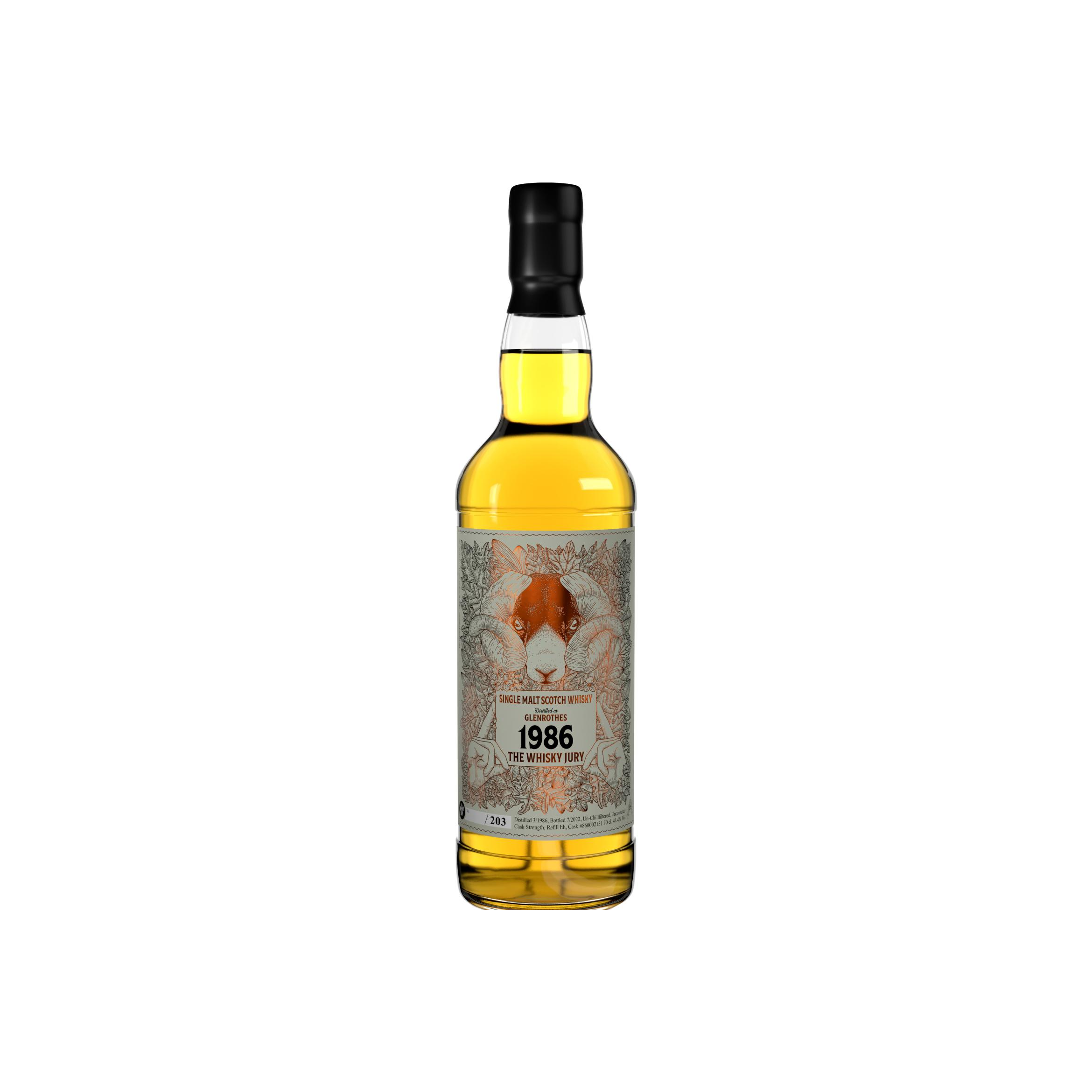
The Glenrothes 1986 36 Years Single Malt Whisky
The Glenrothes
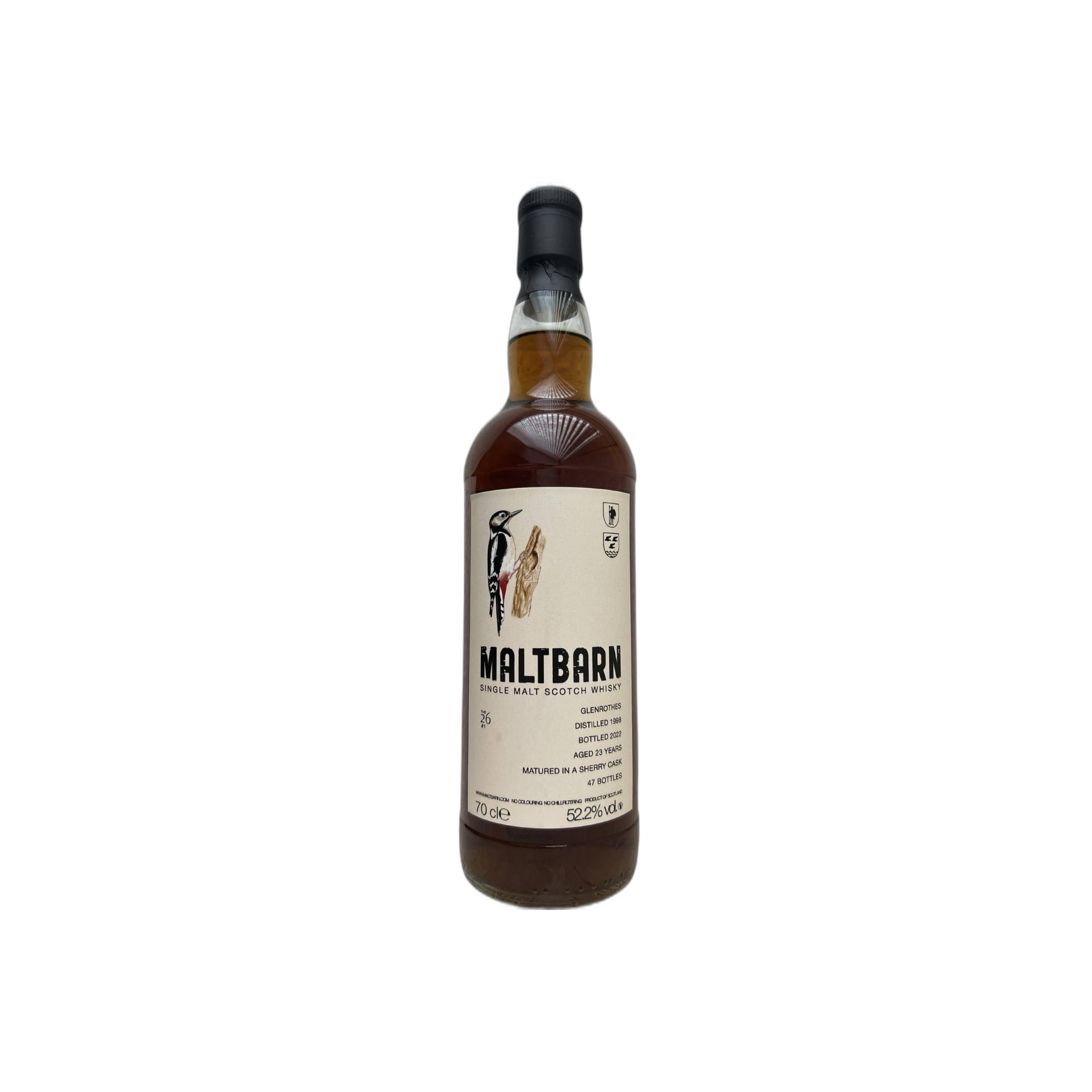
The Glenrothes 1998 23 Years Single Malt Whisky
The Glenrothes
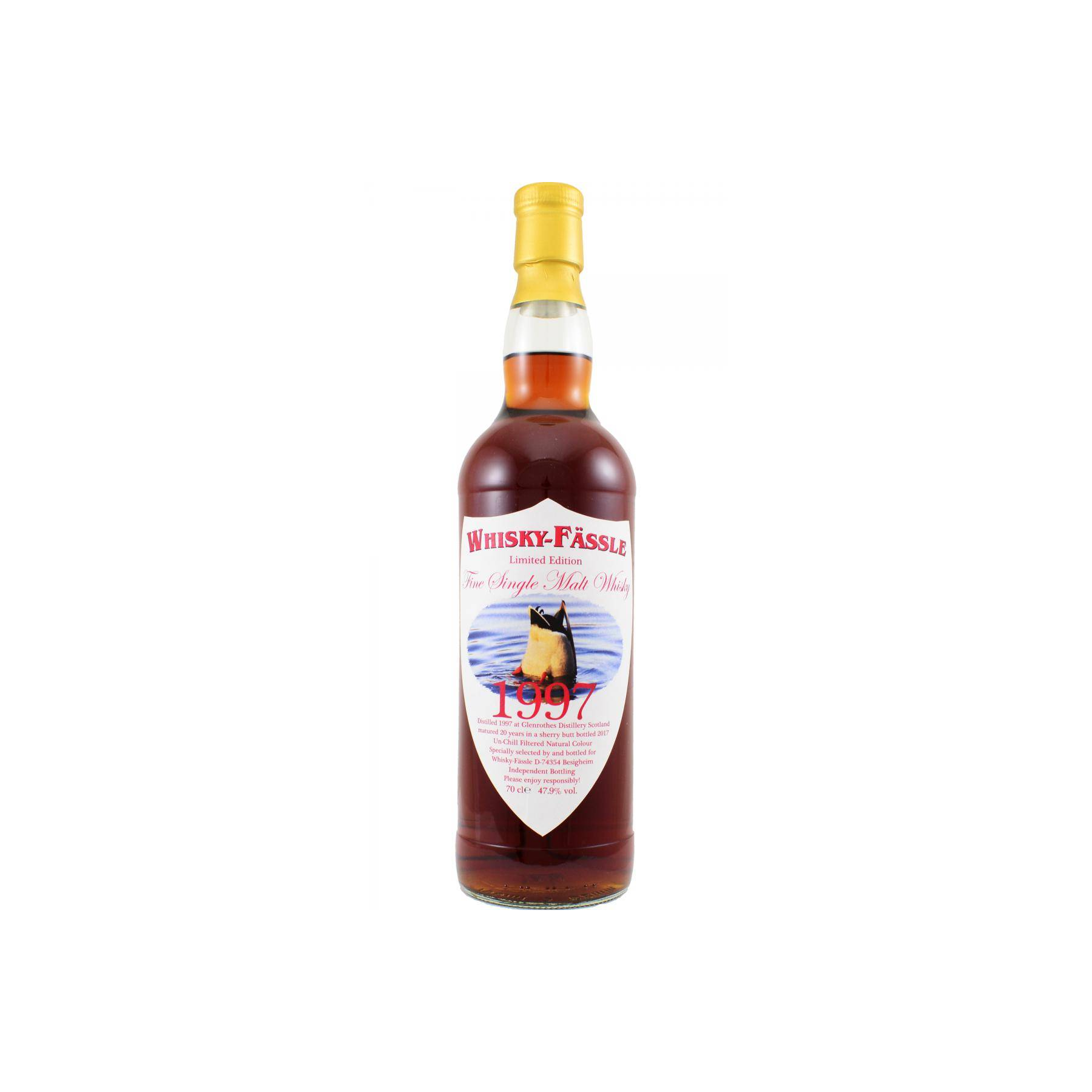
The Glenrothes 1997 20 Years Single Malt Whisky
The Glenrothes
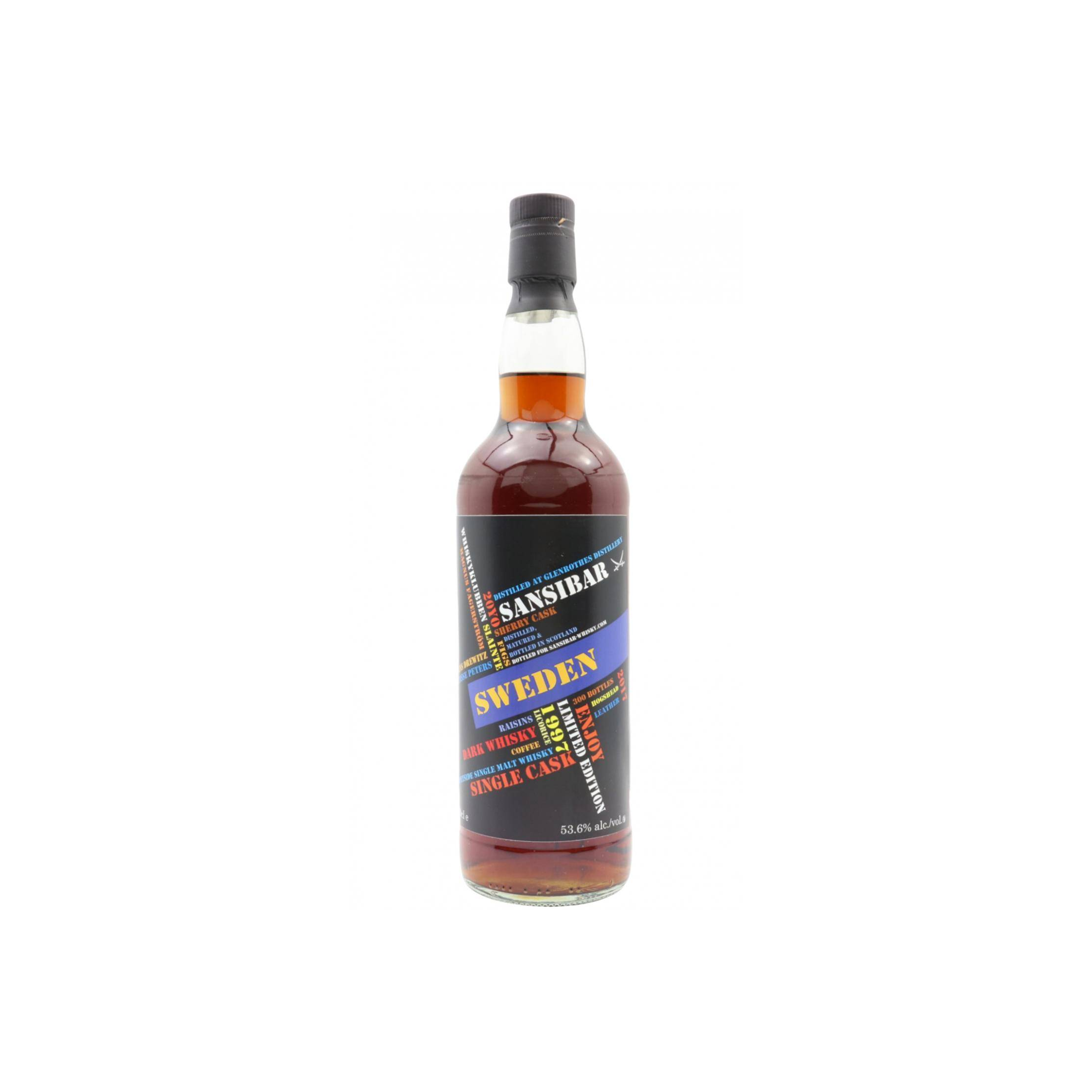
The Glenrothes Limited Edition 1997 20 Years Single Malt Whisky
The Glenrothes
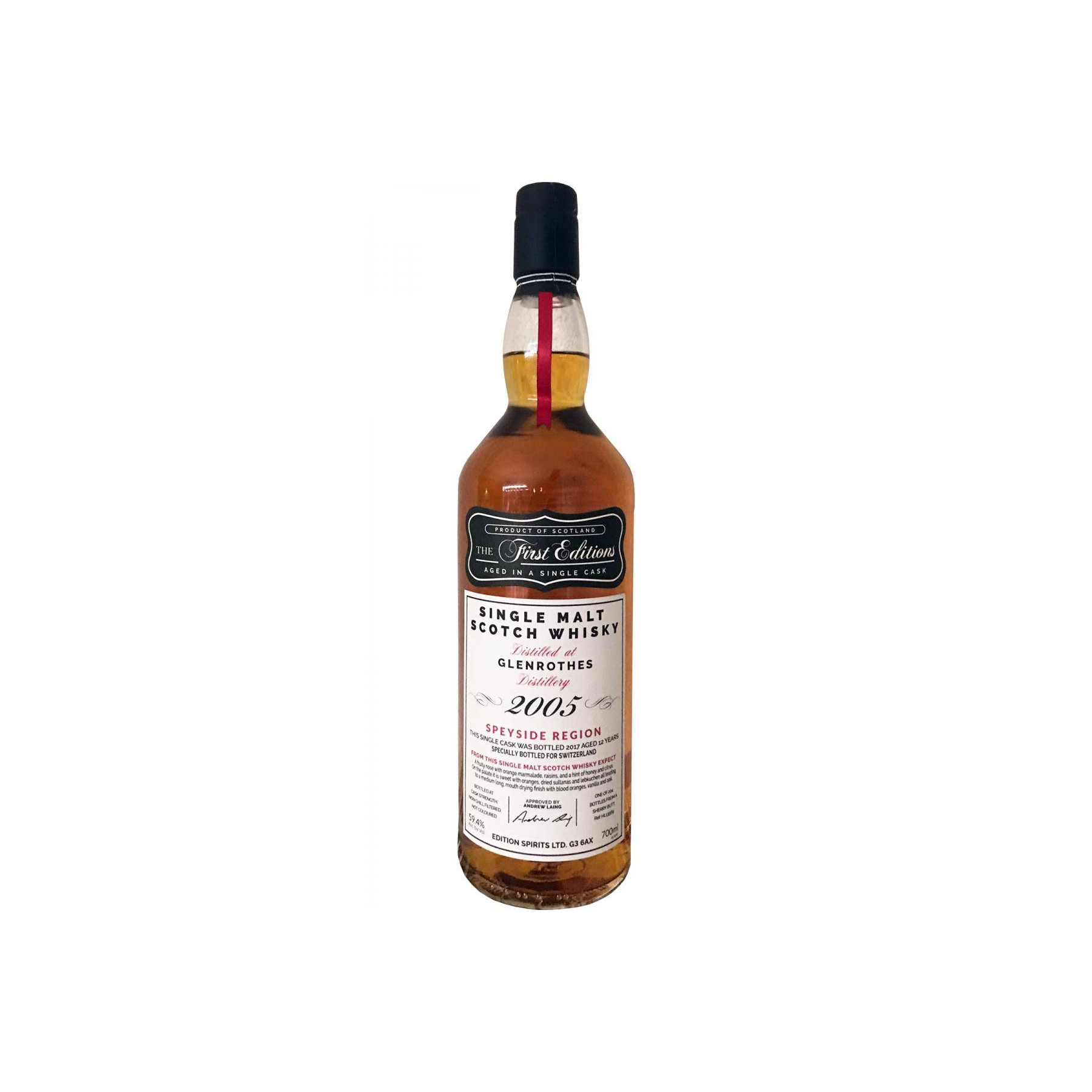
The Glenrothes The First Editions 2005 12 Years Single Malt Whisky
The Glenrothes
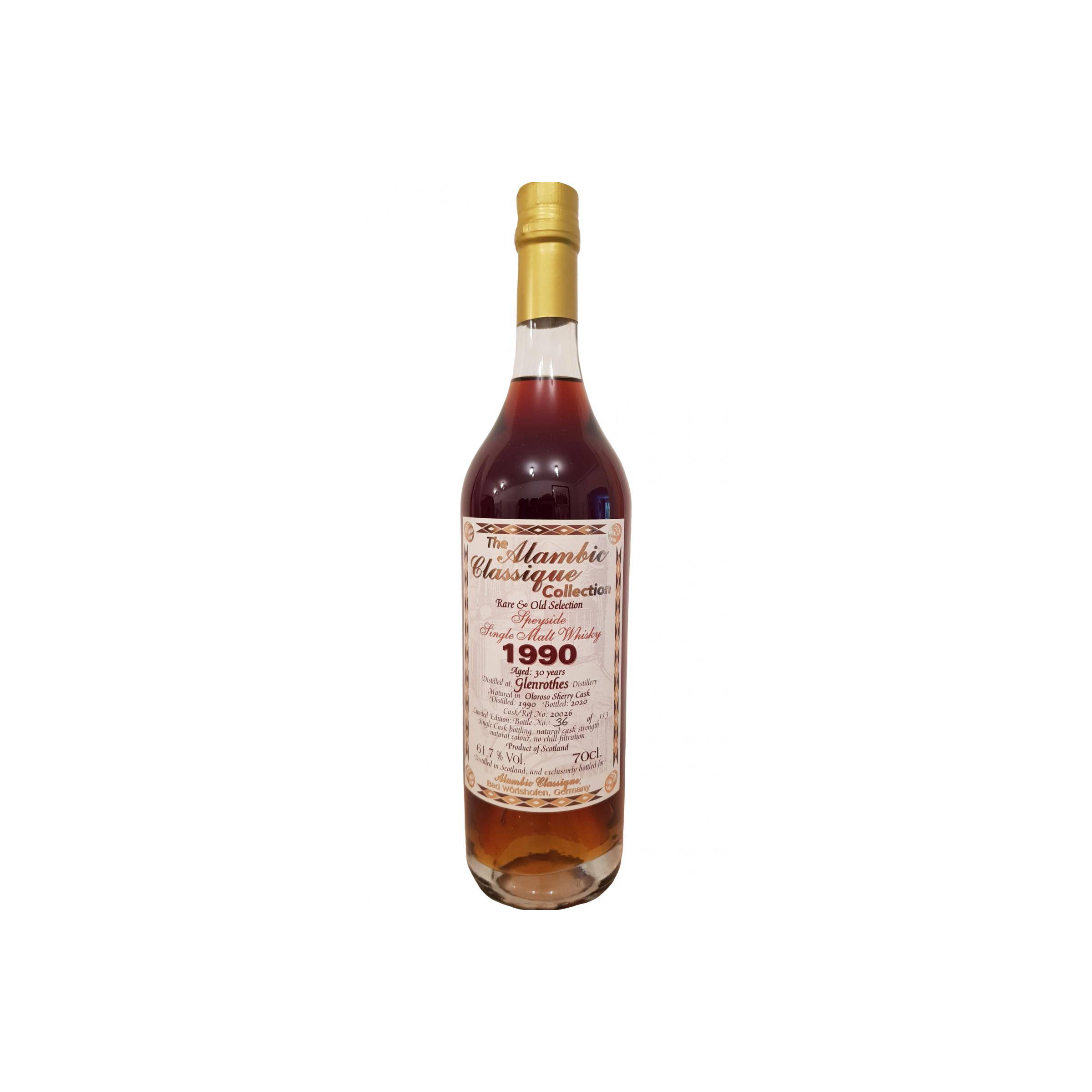
The Glenrothes 1990 30 Years Single Malt Whisky
The Glenrothes
The Glenrothes 1969 42 Years Single Malt Whisky
The Glenrothes
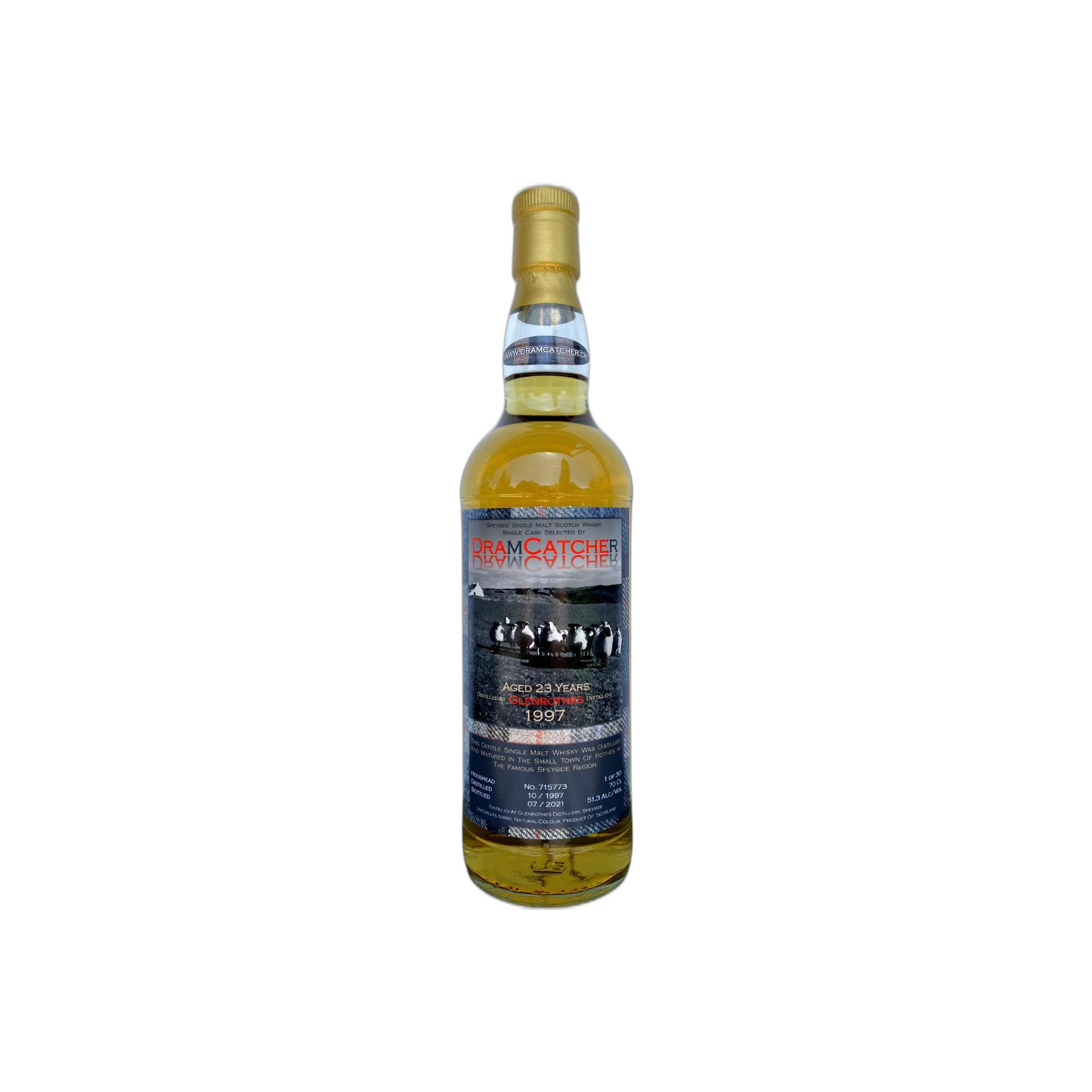
The Glenrothes 1997 23 Years Single Malt Whisky
The Glenrothes
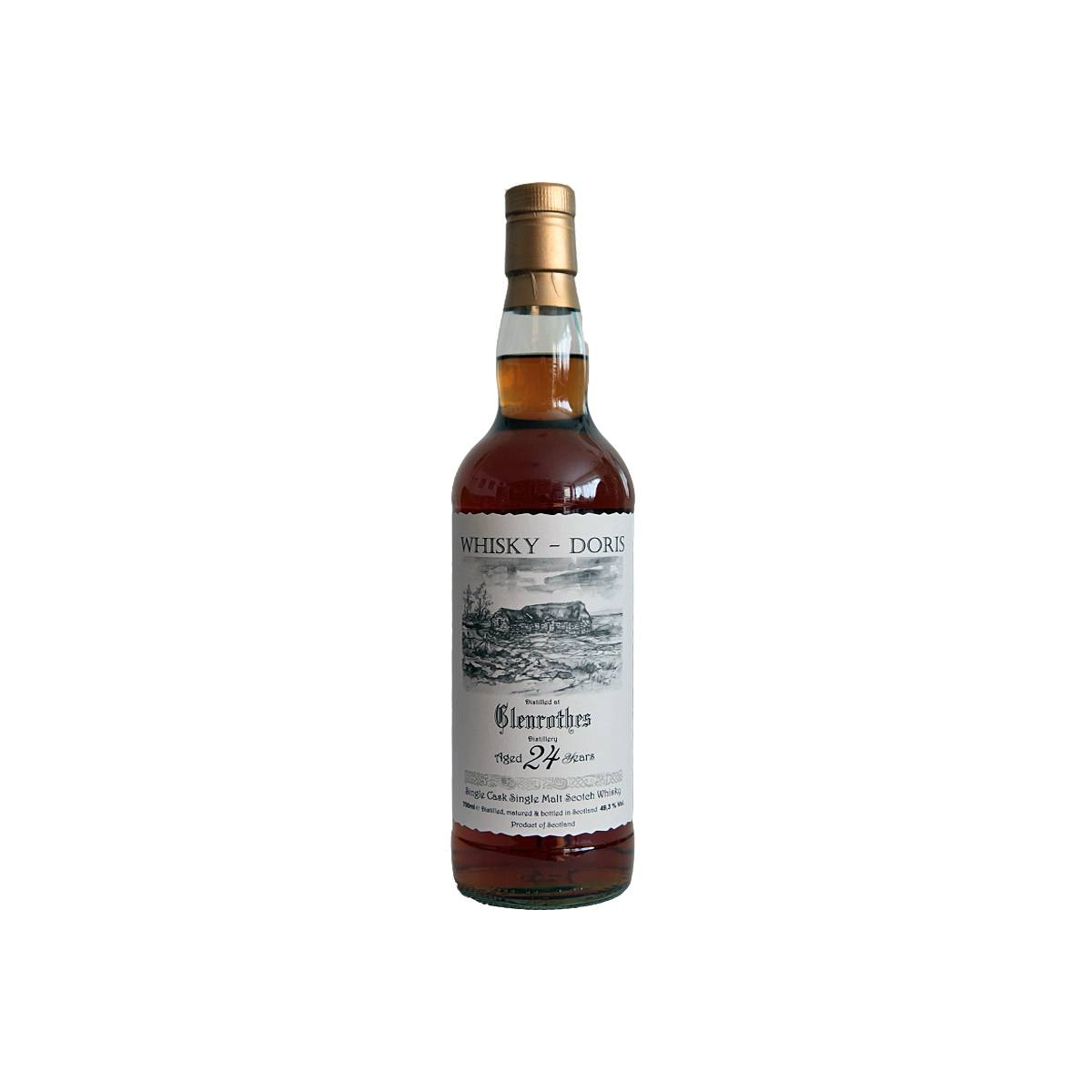
The Glenrothes 1988 24 Years Single Malt Whisky
The Glenrothes
The Glenrothes 1988 24 Years Single Malt Whisky
The Glenrothes