
Glen Scotia Distillery has experienced closures and multiple ownership changes, but its financial situation has remained stable since private equity fund Exponent Private Equity took over the distillery in 2014. With the support of Exponent Private Equity, Colin Matthews and Nick Rose (former Diageo CFO) drove a £210 million company acquisition plan. Colin Matthews had previously worked at Imperial Tobacco for 16 years. In the first 18 months after the acquisition, Colin Matthews' team invested £25 million in Glen Scotia Distillery and its sister distillery, Loch Lomond Distillery. These funds were used for renovating the distilleries and developing new whiskies. Five years later, the distillery welcomed a new owner. In 2019, Chinese investment company Hillhouse Capital Management acquired the Loch Lomond Group, which may be an excellent opportunity for the distillery to enter the Asian market. Glen Scotia Distillery is equipped with a conventional 2.8-ton cast iron mash tun, nine stainless steel fermentation tanks (with an average fermentation time of 120 hours), and a set of stills. Fermentation times range from a minimum of 70 hours to a maximum of 140 hours. The spirit cut range is 73% to 63% ABV, though the peat-flavored whisky spirit cut range is slightly lower. In 2019, the distillery estimated it could distill 10 batches per week, producing 520,000 liters of new make spirit. Peated whisky production has increased since last year, currently producing one batch of heavy peat (55ppm) and one batch of medium peat (22ppm) whisky every three weeks. The distillery recently switched from heavy oil to liquefied petroleum gas as fuel, a technical change that has reduced carbon emissions. Glen Scotia's regular whisky lineup includes Double Cask, Glen Scotia 15, 18, and 25 years, and the lightly peated cask strength Victoriana. Since 2017, the distillery has launched the 100% first-fill bourbon cask Glen Scotia Harbour, which is exclusive to UK Waitrose supermarkets and Marks & Spencer. In 2017, the distillery also launched its first duty-free limited editions: PX sherry cask Glen Scotia Campbeltown 1832 and Glen Scotia 16 years. On June 19, 2019, the distillery launched a rum cask 2003 limited edition vintage and announced that Glen Scotia 45 years would be launched at the end of 2019.
History
Glen Scotia Distillery has been opened and closed numerous times, but unlike the other 30 distilleries that once existed in Campbeltown, it has survived. In 1832, Stewart, Galbraith & Company originally established the distillery under the name Scotia. The company transitioned to a limited company in 1895 and was sold to West Highland Malt Distilleries in 1919. In 1924, on the eve of the Great Depression, local renowned distiller Duncan MacCallum acquired Scotia. The distillery closed between 1928-1930. After MacCallum's suicide in 1930, it was sold to Bloch Brothers. In 1954, Sir Maurice Bloch sold it along with Scapa Distillery to Hiram Walker. A. Gillies & Company purchased Glen Scotia Distillery in 1955 and operated it until 1984. In 1989, Glen Scotia was sold to Gibson International, owners of Littlemill Distillery. In 1994, Gibson International went into receivership, after which Glen Scotia and Littlemill were acquired by A. Bulloch & Co. This company owned Glen Catrine Bonded Warehouse in Mauchline (built in 1974, now one of Scotland's largest bottling plants) and also owned Loch Lomond Distillery (purchased by Sandy Bulloch in 1986). Glen Scotia had been mothballed, operating only a few weeks each year by a team from Springbank Distillery. In 2007, the distillery entered intermittent production with an annual capacity of approximately 100,000 litres of pure alcohol. In March 2014, after more than a year of negotiations, the holding company of these enterprises, Loch Lomond Distillers Ltd, was acquired by a group of senior managers backed by a private equity firm. The company was restructured as Loch Lomond Group Ltd, led by former Imperial Tobacco senior executive Colin Matthews and former Diageo CFO Nick Rose, with Exponent Private Equity as its holding company. The distillery underwent comprehensive upgrades and expansion, equipped with a new mash tun, new roof, new spirit safe, and visitor center. A series of new products were launched in early 2015, including Double Cask (bourbon cask maturation, PX sherry cask finish), 15 years old, Victoriana (cask strength), and other expressions.
Curiosities
As David Stark wrote in his book 'The Distilleries of Campbeltown', regarding the decline of Campbeltown's whisky industry, 'the most heartbreaking event was likely the suicide of Duncan McCallum on December 23, 1930.' McCallum drowned himself in Crosshill Loch at the age of 83, and had been the town's most outstanding distiller. The Bloch brothers changed the distillery's name from Scotia to Glen Scotia between 1934 and 1935. In a press release issued in October 1940, they stated that most of their products were blended and exported to the United States.
Timeline
Stewart and Galbraith family founded Glen Scotia distillery
Distillery was sold to Duncan MacCallum.
Distillery was sold to West Highland Malt Distilleries Group
West Highland Malt Distilleries Group went bankrupt; Duncan MacCallum bought back Glen Scotia distillery
Distillery closed
Duncan MacCallum committed suicide; Bloch brothers took over the distillery
Production resumed
Hiram Walker took over the distillery
A. Gillies & Co. became the new owner of the distillery
Amalgamated Distillers Products merged with A. Gillies & Co.
Distillery reconstruction began
Distillery closed
Gibson International took over Amalgamated Distillers Products; production resumed
Glen Catrine Bonded Warehouse Ltd. took over the distillery; original distillery ceased operations
Loch Lomond Distillery Group restarted Glen Scotia distillery with staff from Springbank;
From May, Loch Lomond Distillery Group began operating Glen Scotia distillery with its own staff
Launched Glen Scotia 12 Year Old
Launched peated whisky expression
Launched new expressions (Glen Scotia 10, 12, 16, 18 and 21 Year Old)
Launched heavily peated Glen Scotia 10 Year Old and heavily peated no age statement whisky
Launched new expressions; Double Cask, Glen Scotia 15 Year Old and Victoriana
Launched Glen Scotia 25 Year Old, Glen Scotia 18 Year Old and two travel retail exclusive expressions
Hillhouse Capital Management acquired the distillery; launched 2003 vintage and Glen Scotia 45 Year Old
Hot Search Whiskies
Showing top 10
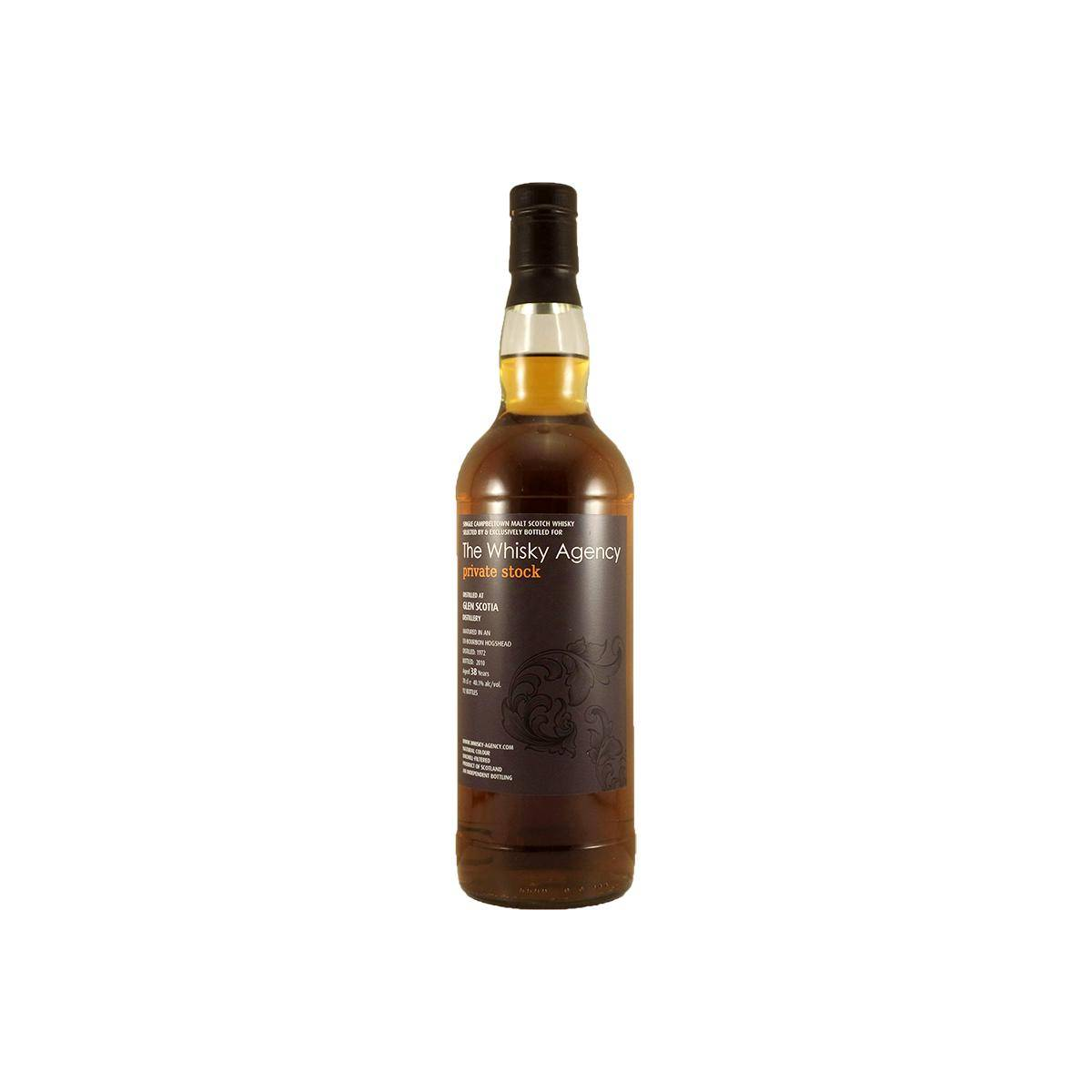
Glen Scotia 1972 38 Years Single Malt Whisky
Glen Scotia
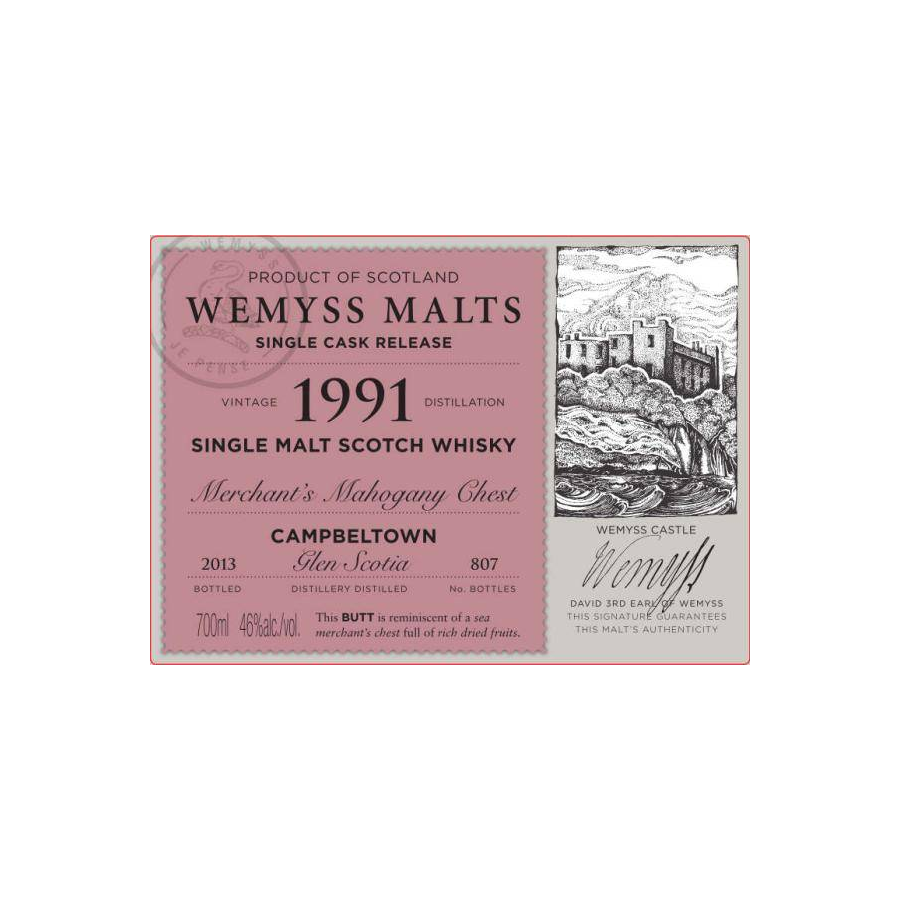
Glen Scotia 1991 22 Years Single Malt Whisky
Glen Scotia
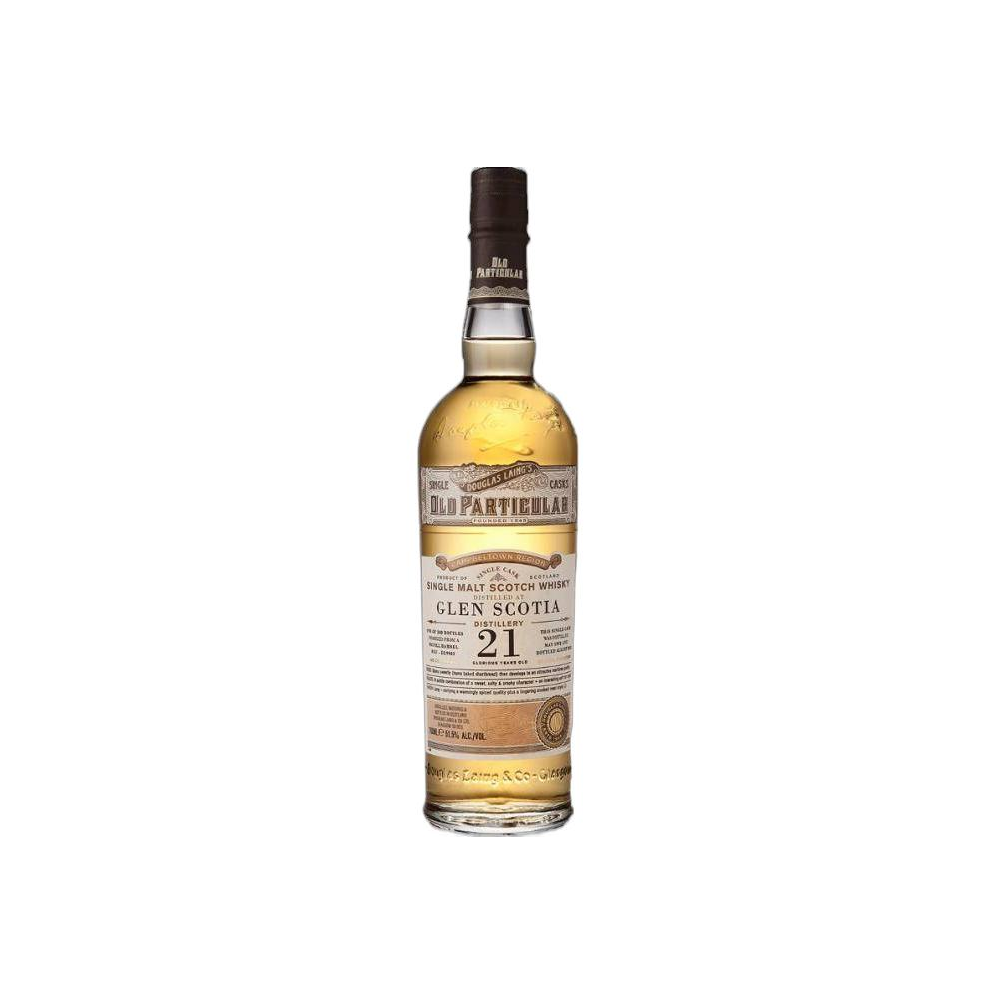
Glen Scotia Old Particular 1992 21 Years Single Malt Whisky
Glen Scotia
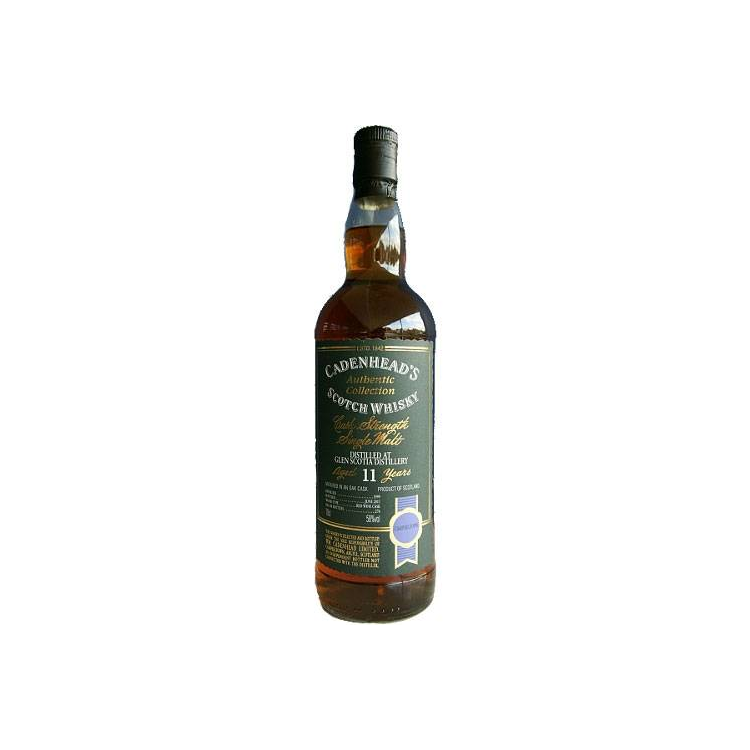
Glen Scotia Authentic Collection 1999 11 Years Single Malt Whisky
Glen Scotia
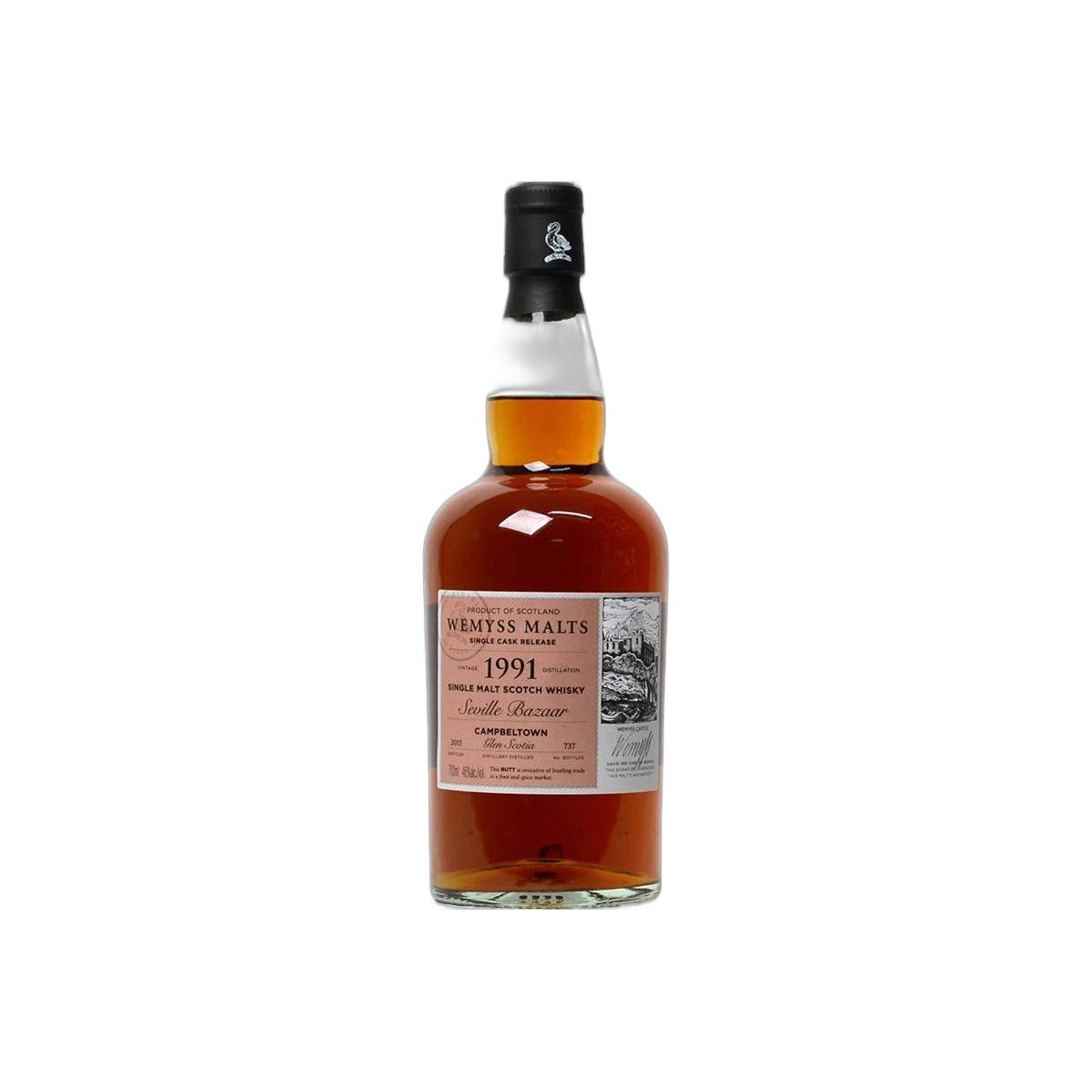
Glen Scotia 1991 24 Years Single Malt Whisky
Glen Scotia
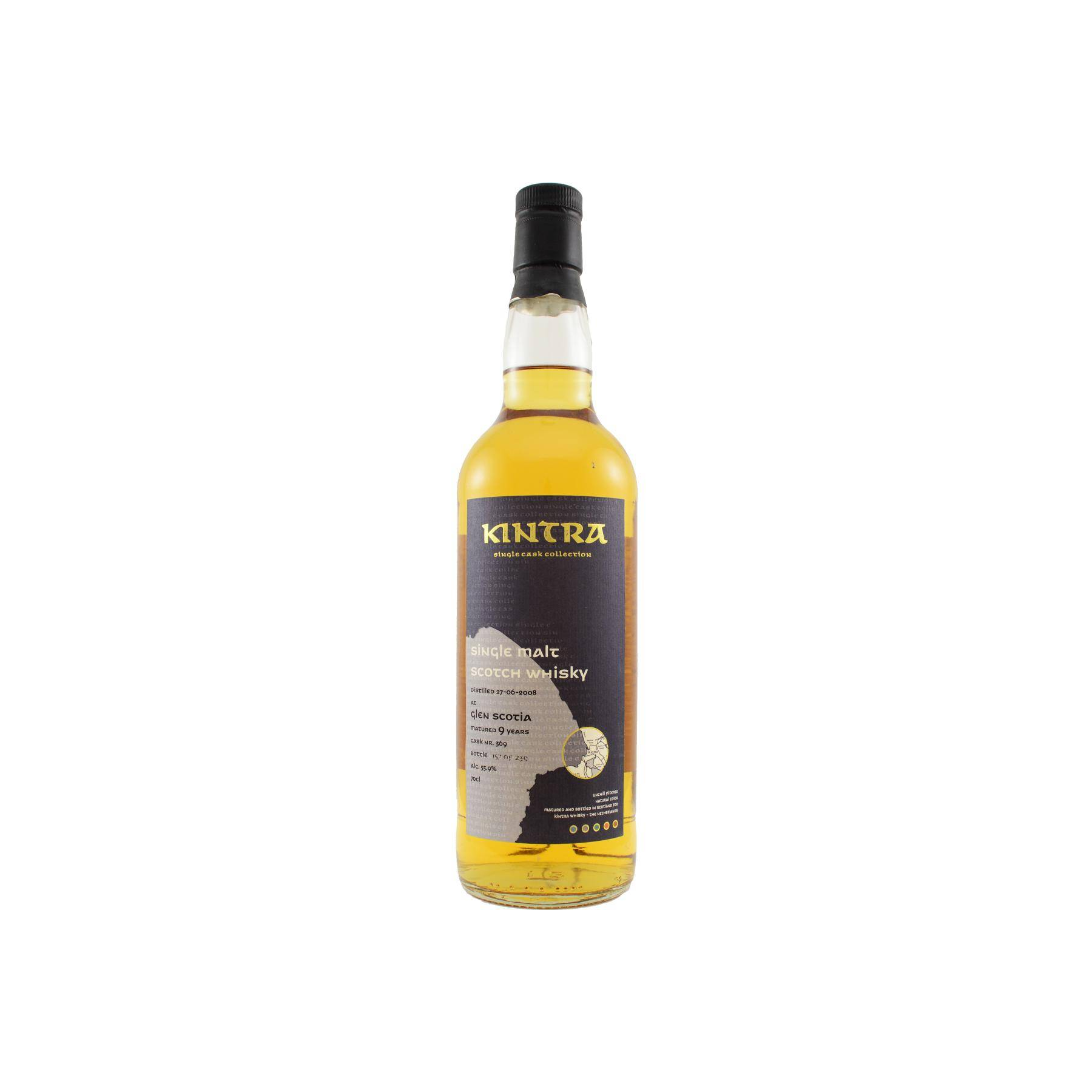
Glen Scotia 2008 9 Years Single Malt Whisky
Glen Scotia
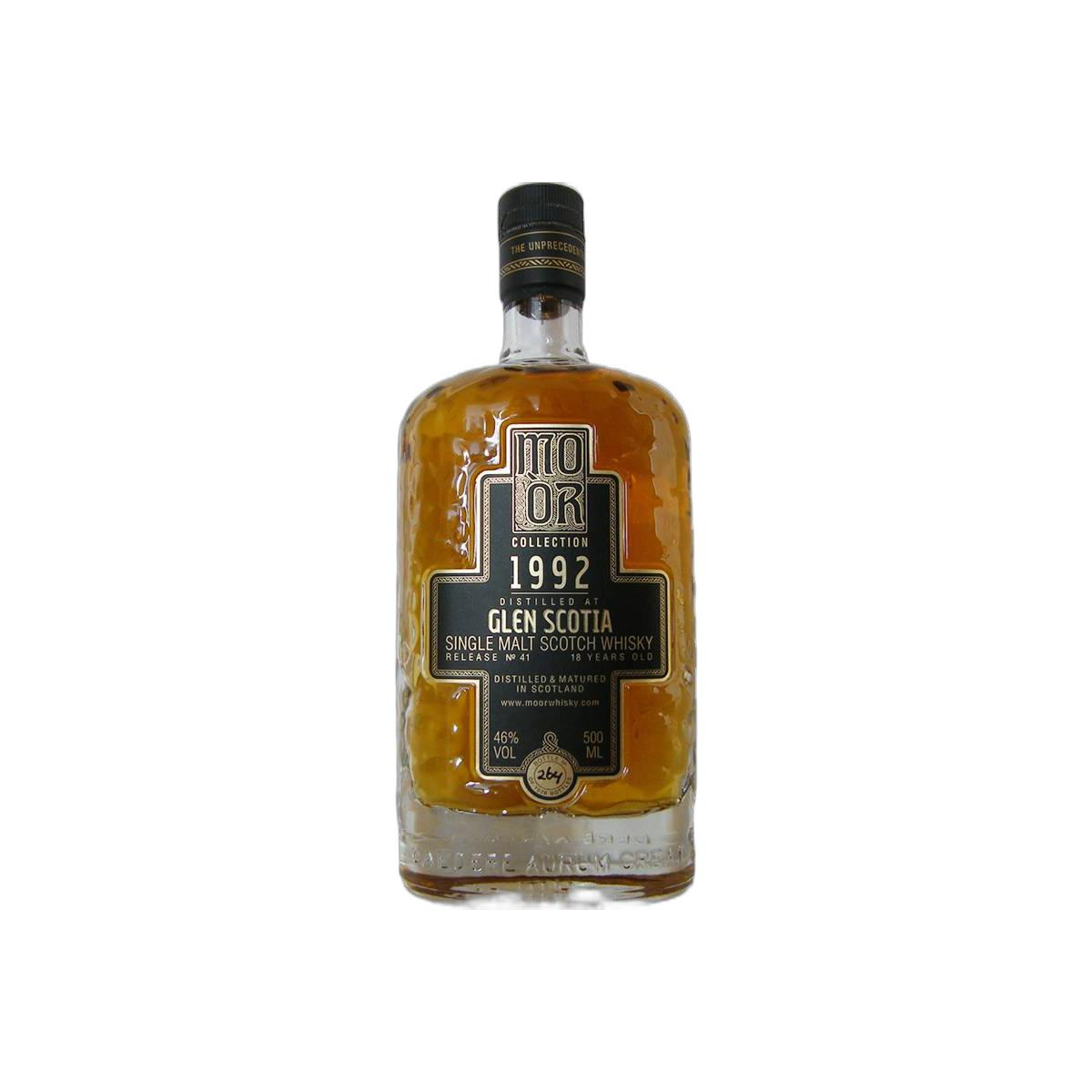
Glen Scotia 1992 18 Years Single Malt Whisky
Glen Scotia
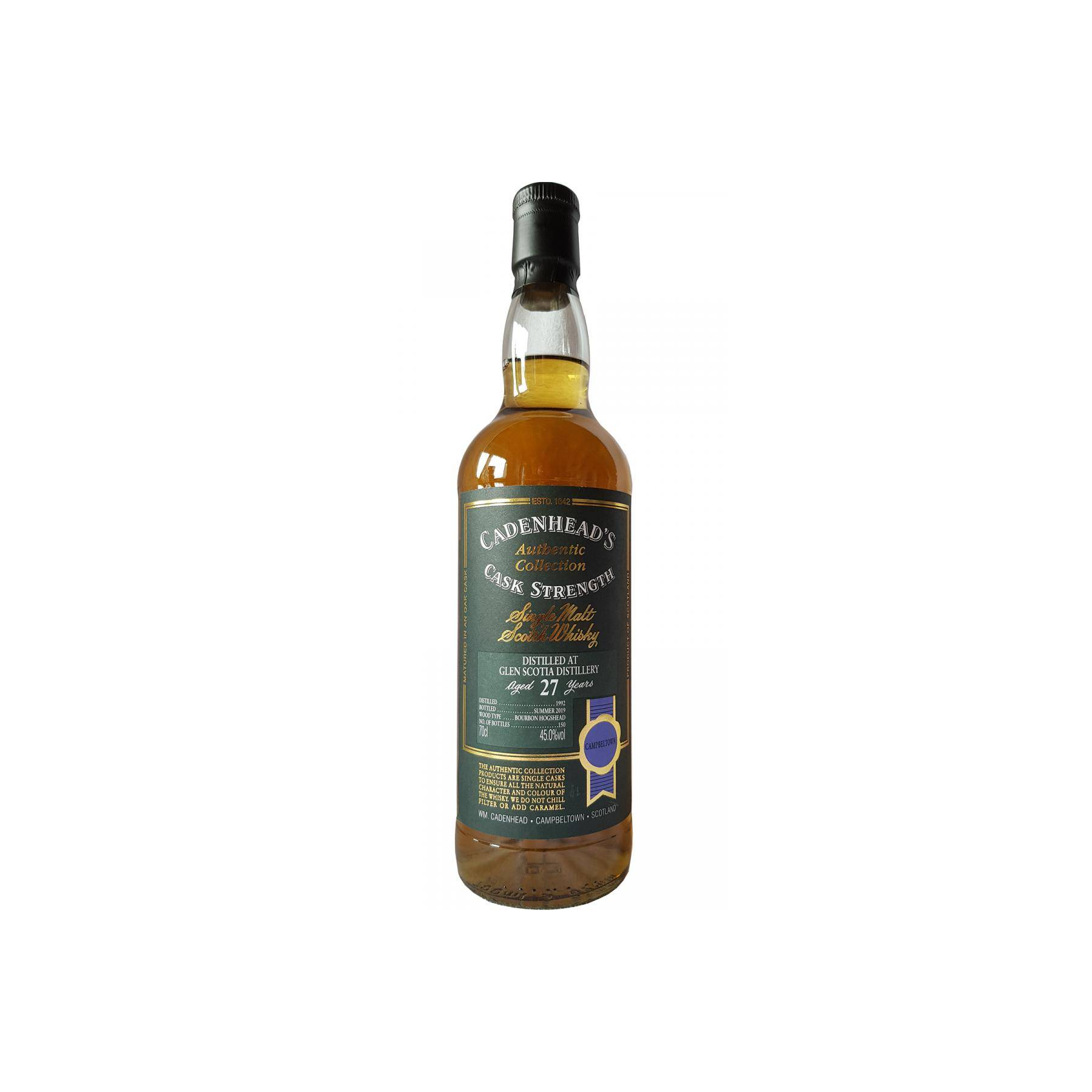
Glen Scotia Authentic Collection 1992 27 Years Single Malt Whisky
Glen Scotia
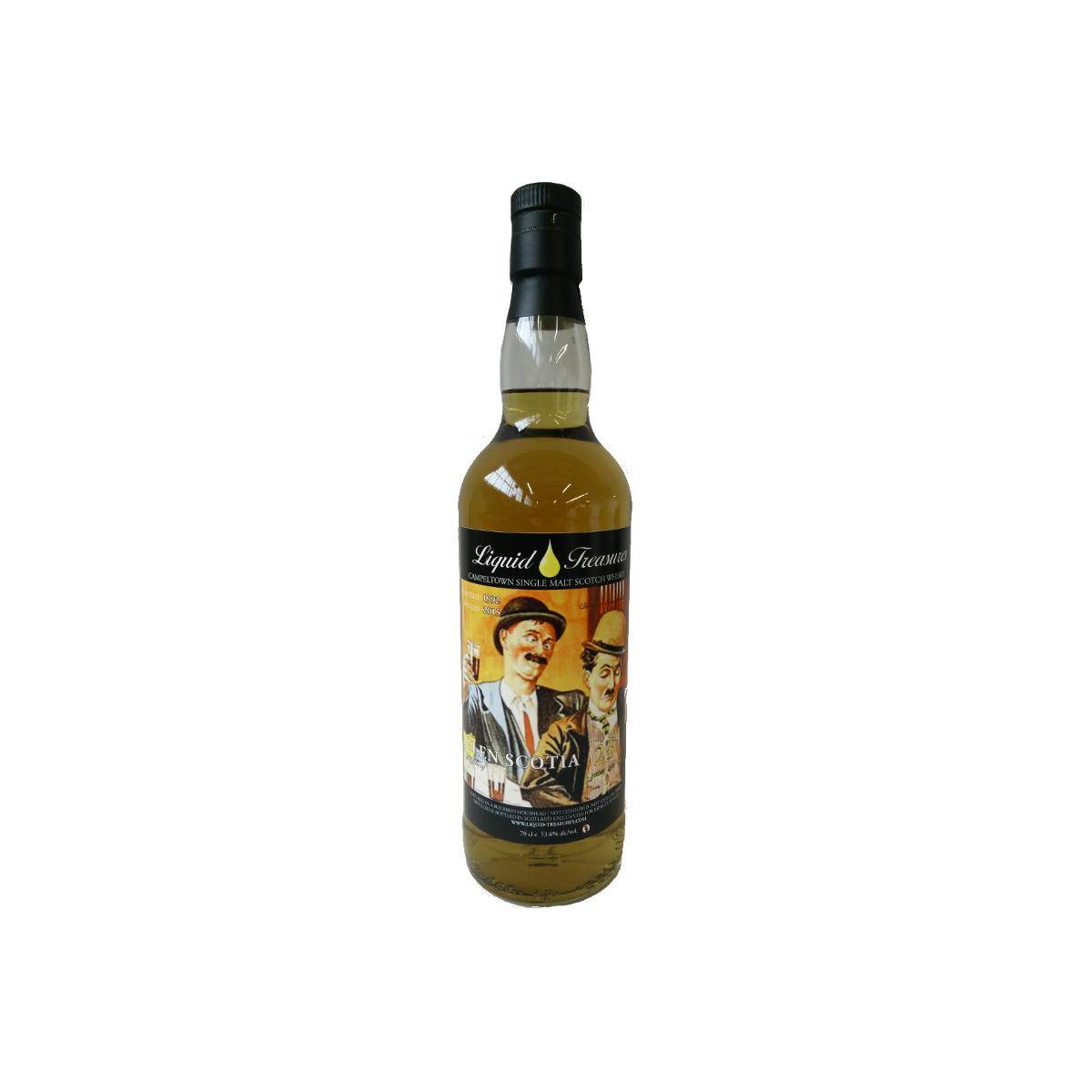
Glen Scotia 1992 23 Years Single Malt Whisky
Glen Scotia
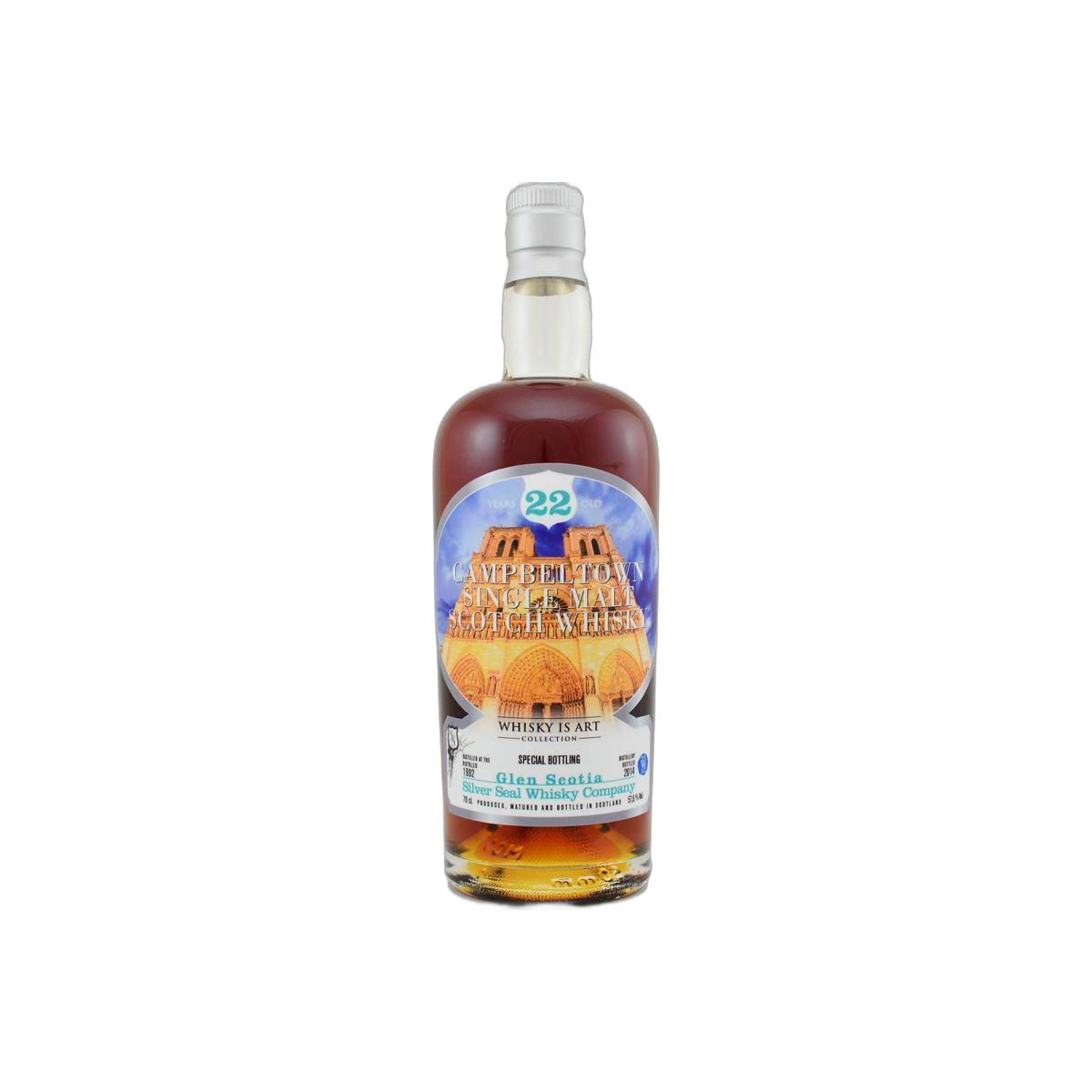
Glen Scotia 1992 22 Years Single Malt Whisky
Glen Scotia