Glenugie
Glenugie Distillery, established in 1831 during Scotland's great whisky expansion, stands as one of the most geographically distinctive lost distilleries of the Eastern Highlands. Located in Peterhead, Aberdeenshire, on the banks of the Ugie River near the North Sea coast, it held the unique distinction of being Scotland's easternmost mainland distillery and the northernmost distillery accessible by British rail. Operating for over 150 years, Glenugie produced a distinctive maritime-influenced Highland single malt using traditional copper pot stills and pure spring water from local aquifers. The distillery fell victim to the 1983 industry consolidation, closing its doors during the 'whisky loch' crisis. Today, Glenugie represents a rare collector's gem, with remaining stocks exclusively released through independent bottlers such as Gordon & MacPhail, Signatory Vintage, and Cadenhead's. Its whisky is characterized by an unusual coastal Highland profile: pronounced tropical fruit notes (mango, pineapple), honeyed sweetness, and subtle briny undertones reflecting its North Sea proximity, matured primarily in ex-bourbon and sherry casks. Bottles are extremely limited and highly sought after in the secondary market, commanding premium prices among connoisseurs of Scotland's silent distilleries.
History
The distillery was built in the early 1830s next to an ancient windmill (whose remains still exist today). Before 1837, it was called Invernettie, and in that year the distillery was converted into a brewery. In 1875, the Scottish Highland Distillery Co. converted it back into a distillery, but the company was liquidated five years later. The distillery then changed hands several times and was closed on numerous occasions, including between 1925 and 1937. In 1937, it was acquired by Seager Evans, a London gin distiller. This company had established the Strathclyde Grain Spirit Distillery in 1927 and, in 1936, acquired the Long John blended whisky brand. In 1956, Seager Evans was sold to Schenley Industries Inc. of New York, providing better and faster capital injection as blended Scotch expanded globally. The ownership of Glenugie was transferred to Long John Distilleries Ltd, and the distillery was completely refurbished, adding two new stills and shell-and-tube condensers, which doubled its production capacity. The company also established the Tamdhu distillery in Speyside and built the Kinclaith distillery in Strathclyde. In 1962, the company purchased the Laphroaig distillery and was renamed Long John International in 1970. In 1975, it was sold to Whitbread & Company Ltd. In January 1990, the company's spirits interests were acquired by Allied Lyons for £454 million. However, Glenugie had already been closed for seven years by that time. Shortly after 1983, the site was split and sold to two North Sea oil engineering companies, and the original buildings were demolished.
Curiosities
The distillery's main building has an unusual cast iron frame structure. The distillery only ever had one pair of stills.
Hot Search Whiskies
Showing top 10
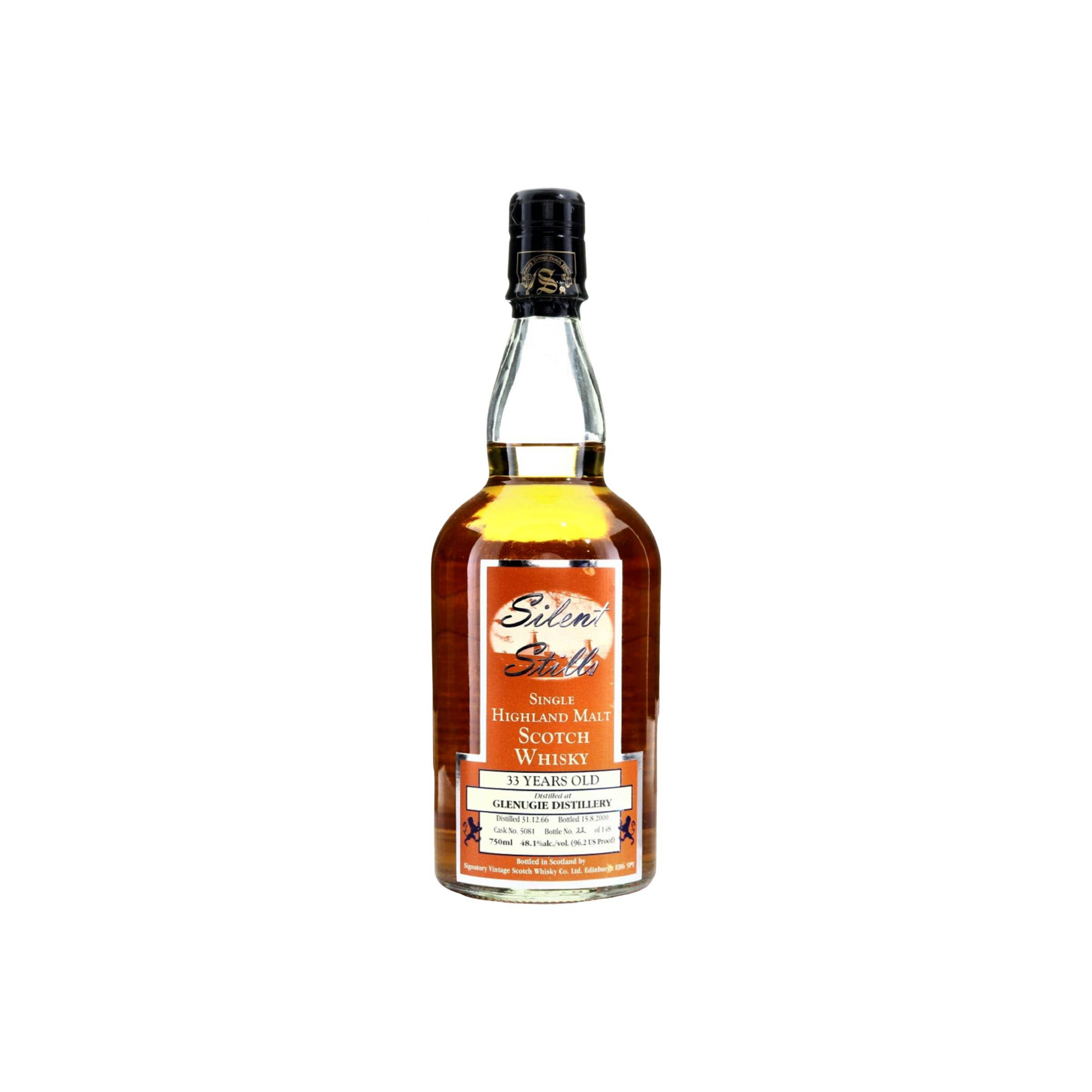
Glenugie 1966 33 Years Single Malt Whisky
Glenugie
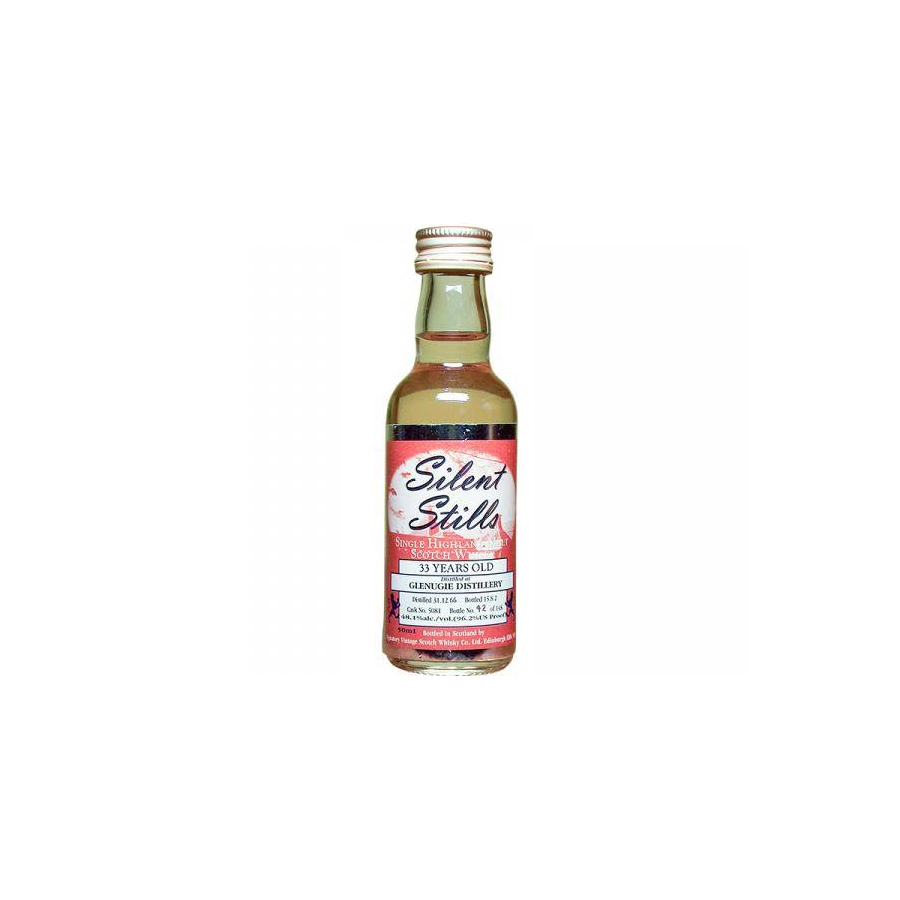
Glenugie 1966 33 Years Single Malt Whisky
Glenugie
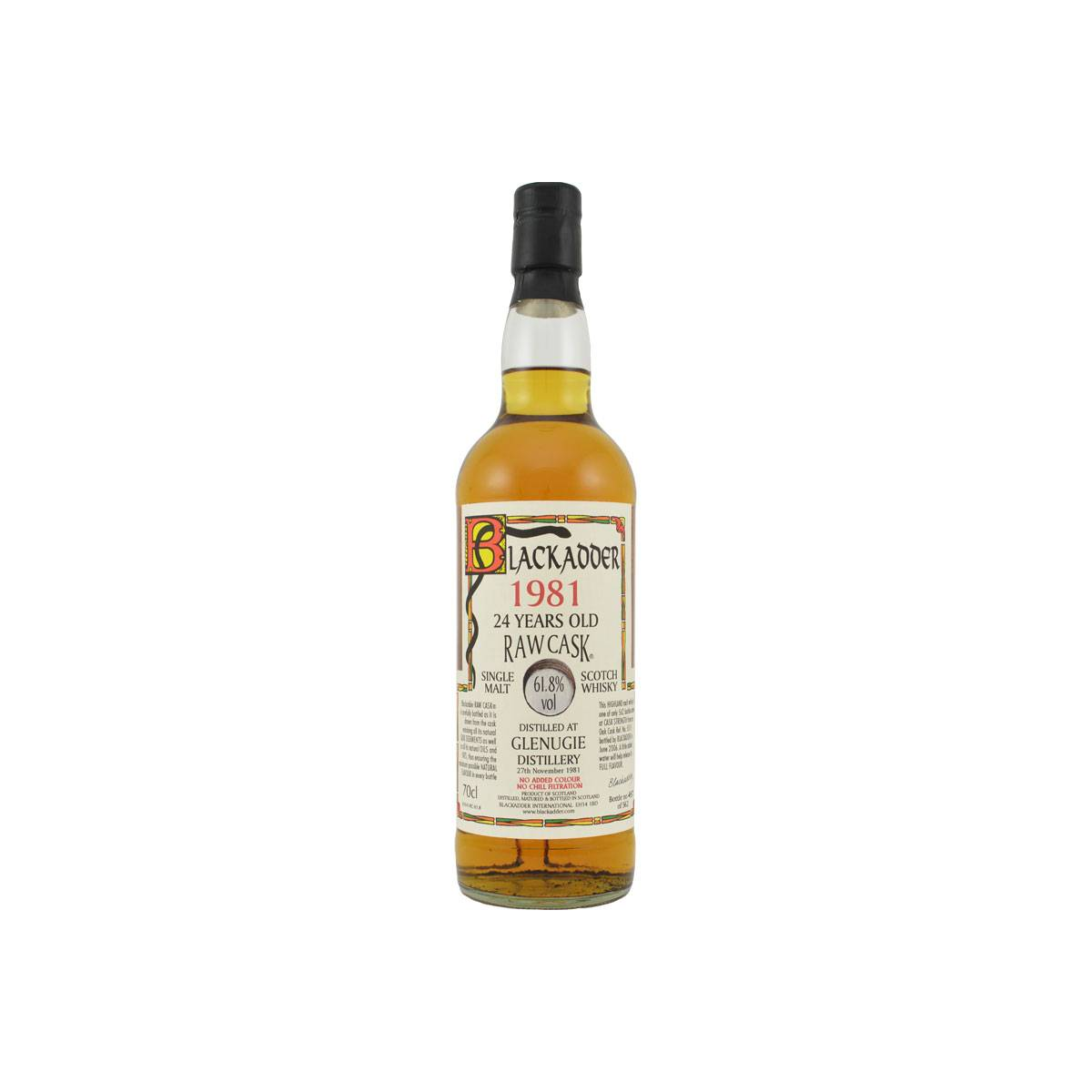
Glenugie Raw Cask 1981 24 Years Single Malt Whisky
Glenugie
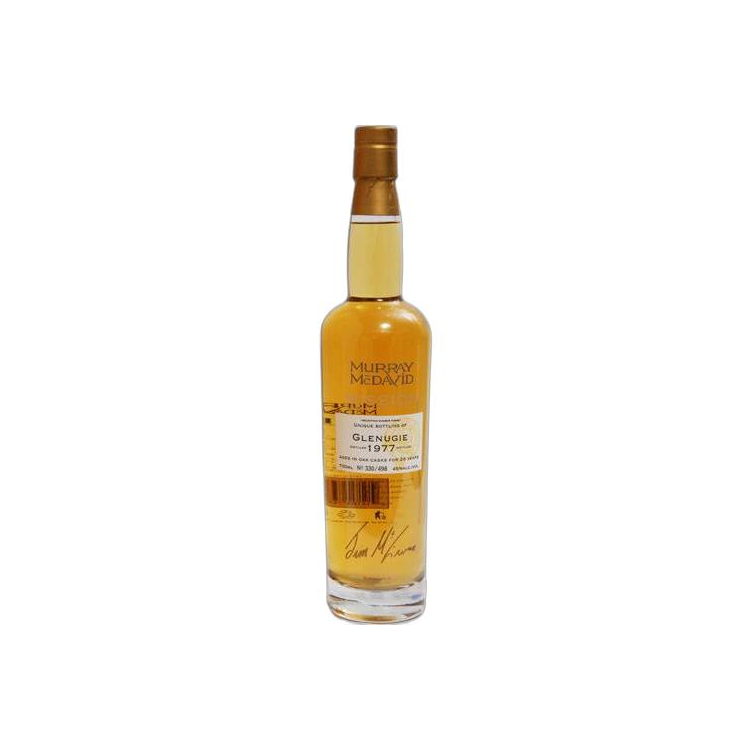
Glenugie 1977 26 Years Single Malt Whisky
Glenugie
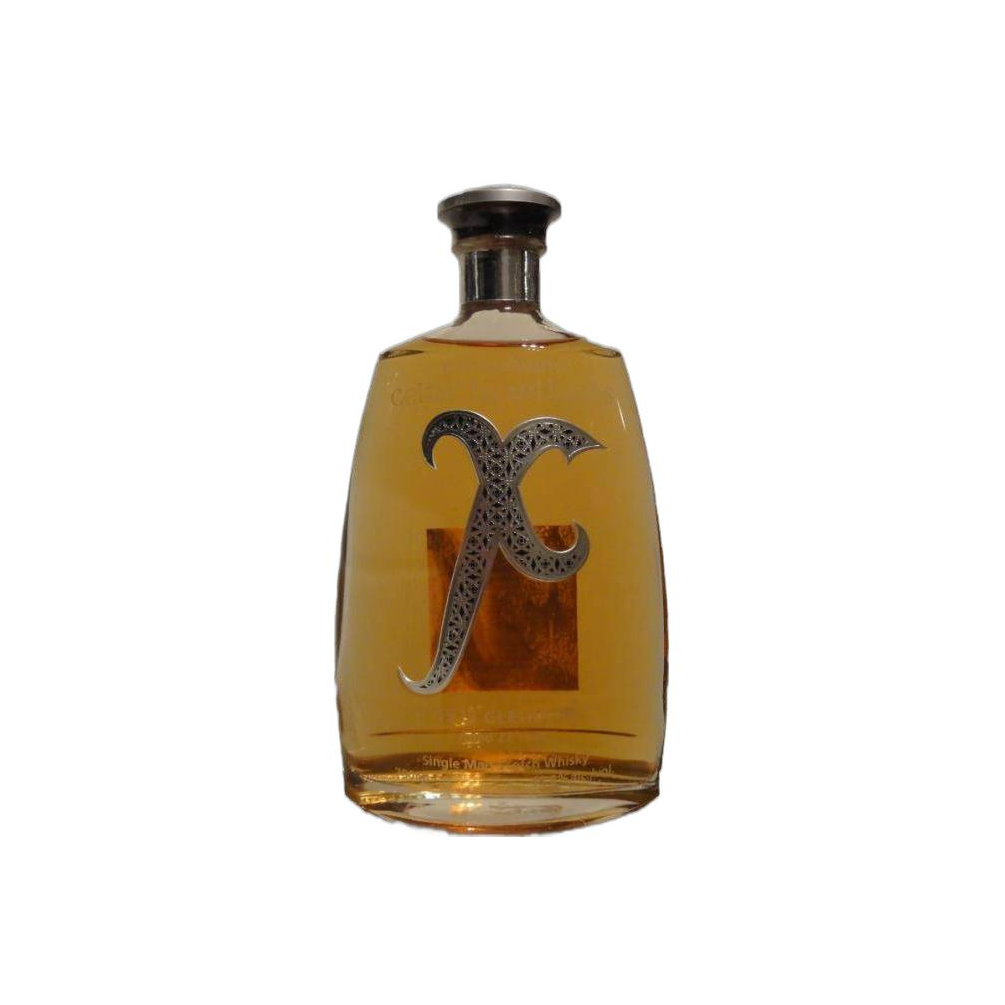
Glenugie 1977 27 Years Single Malt Whisky
Glenugie
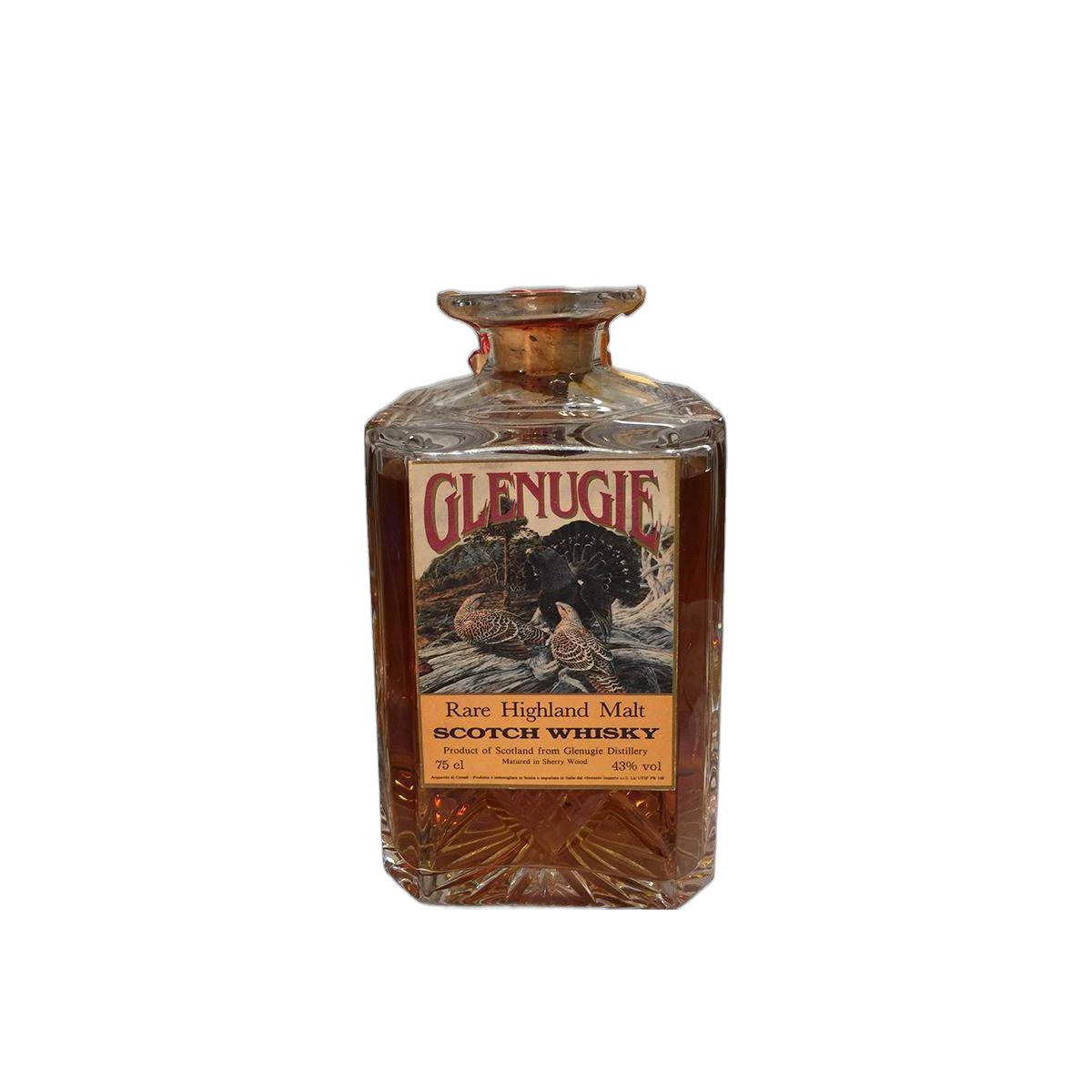
Glenugie Single Malt Whisky
Glenugie
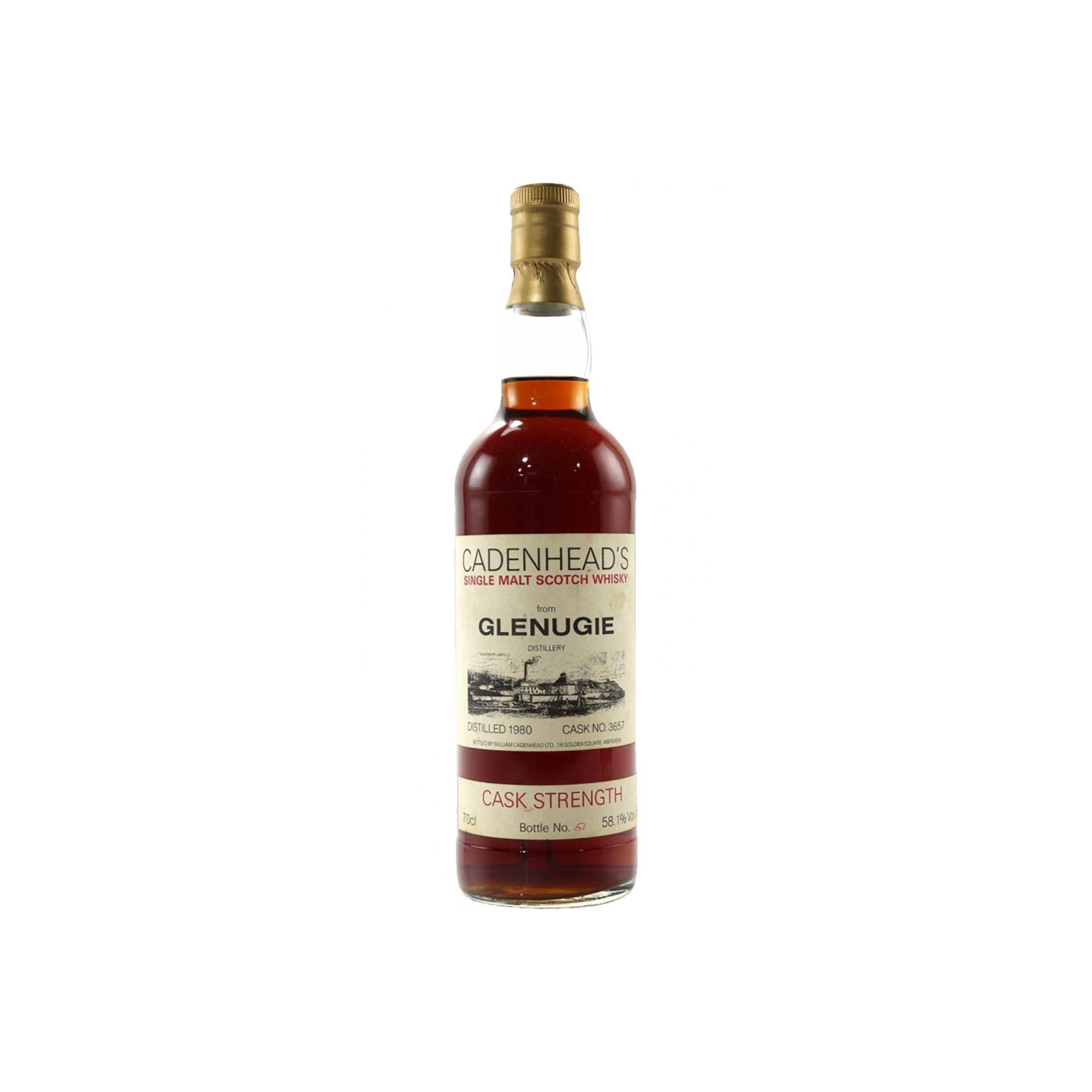
Glenugie 1980 Single Malt Whisky
Glenugie
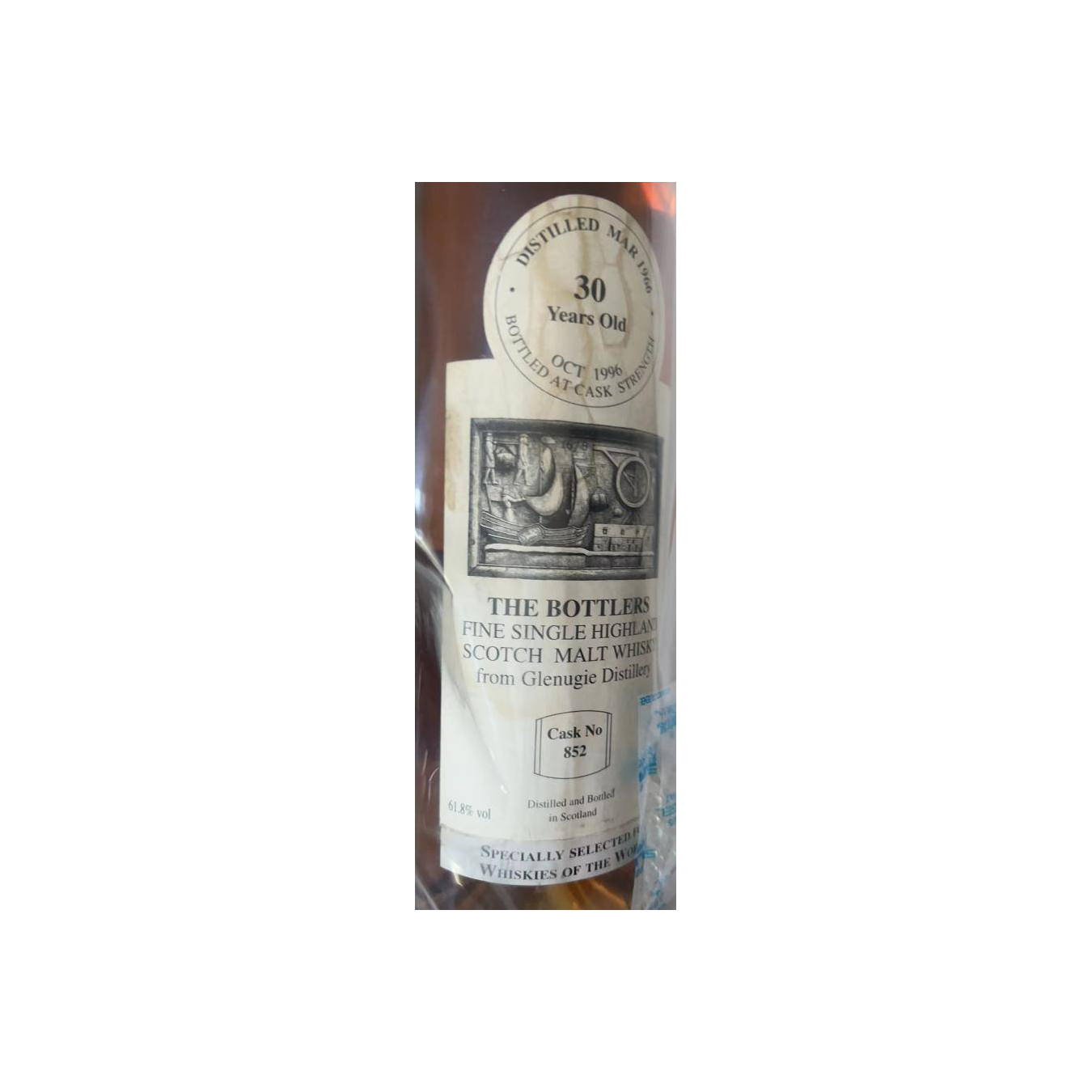
Glenugie 1966 30 Years Single Malt Whisky
Glenugie
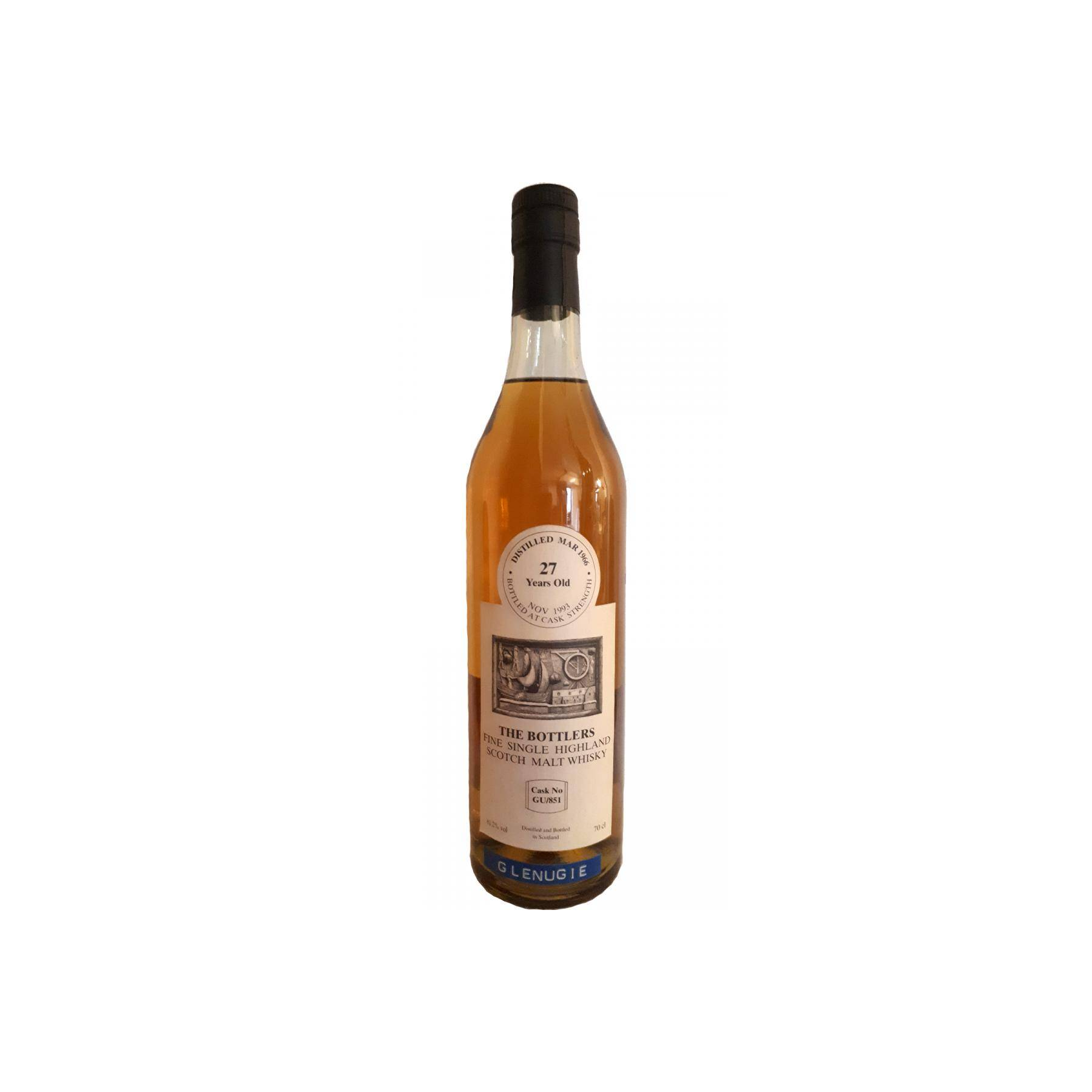
Glenugie 1966 27 Years Single Malt Whisky
Glenugie
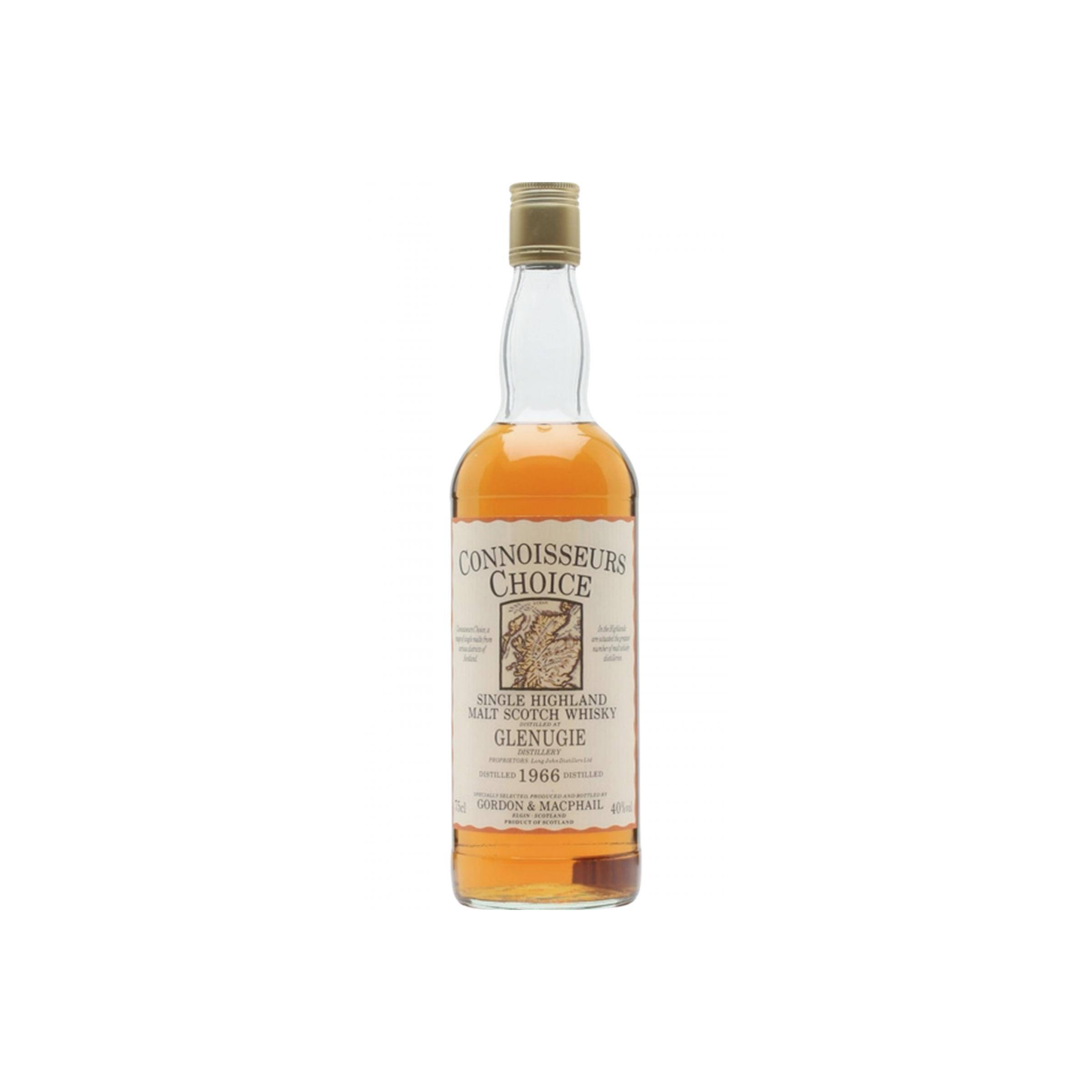
Glenugie Connoisseurs Choice 1966 Single Malt Whisky
Glenugie