

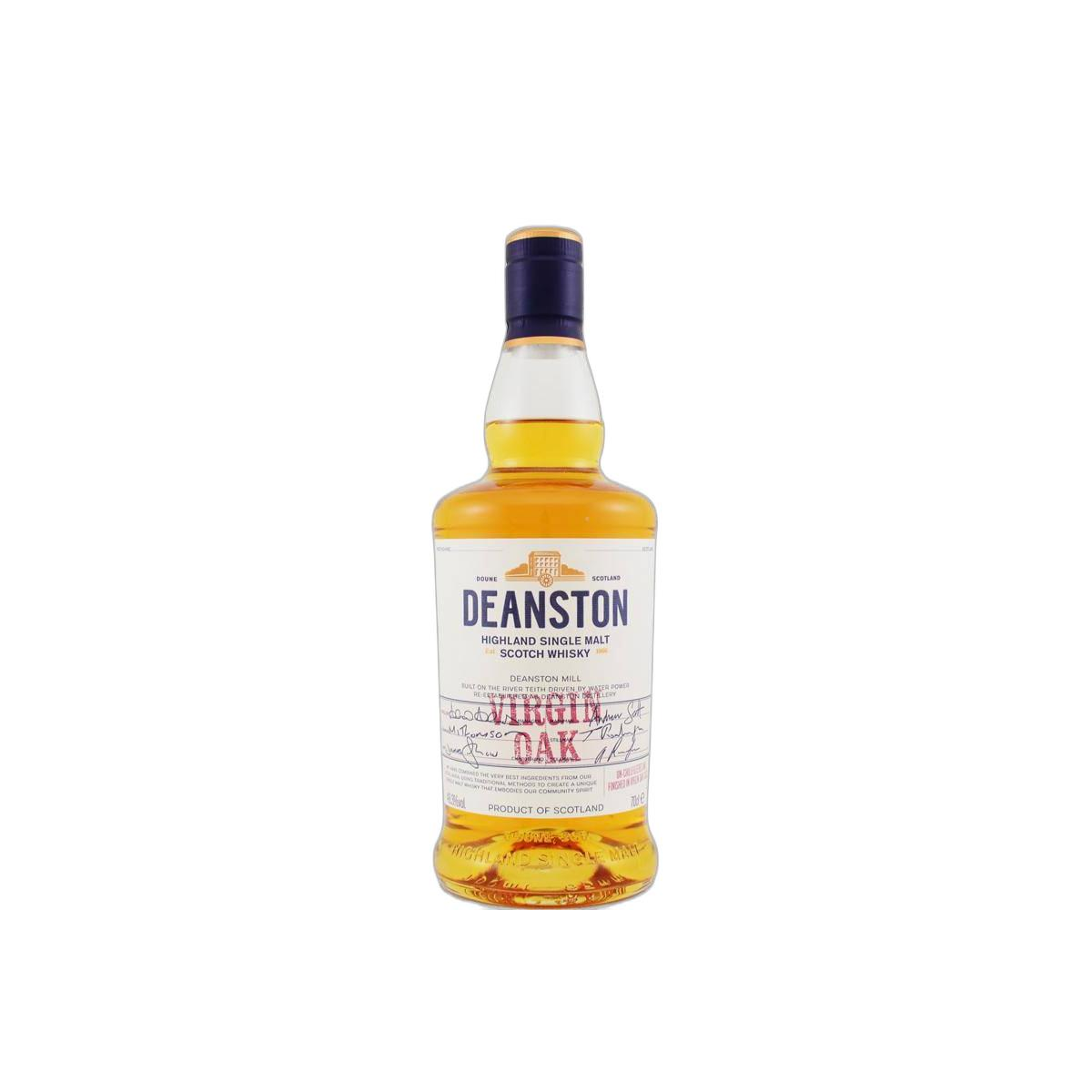
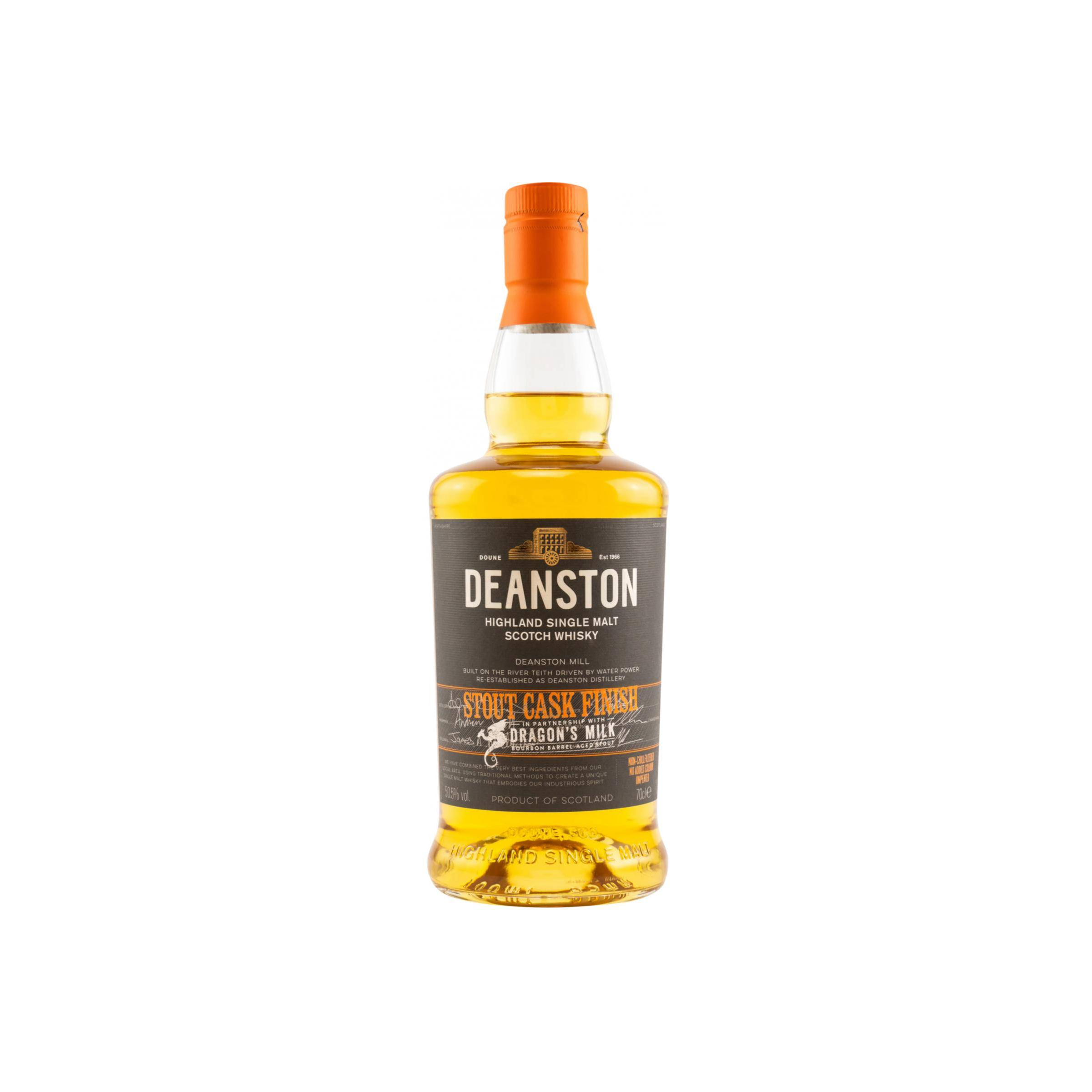
Qin Si Tu Distillery stands as one of the last guardians of traditional Scotch whisky craftsmanship. While the industry widely adopted modern semi-filtration or full-filtration mash tuns after Tomatin introduced the first in 1974, Qin Si Tu remains among only 14 Scottish distilleries steadfastly committed to traditional open-top mash tuns. These heritage vessels, originally cast iron and now thoughtfully upgraded to stainless steel since May 2019, produce a richer, more characterful wort that defines the distillery's signature profile. The production facility features a 10.5-ton traditional open-top stainless steel mash tun and eight stainless steel fermentation tanks operating on an extended 85-hour fermentation cycle. Running seven days a week, the distillery produces 13 mash batches weekly, yielding 2.4 million liters of new make spirit annually. Since 2000, Qin Si Tu has pioneered organic whisky production, though current output has been refined to just 10,000 liters per year to prioritize market demand for their traditional single malt character. The distillery's commitment to authenticity extends to their visitor experience—the center, opened in 2012, has become one of Scotland's most celebrated whisky tourism destinations. The core range includes 12-year and 18-year expressions, a distinctive Virgin Oak finish (initially matured in bourbon barrels, then finished 1-3 months in virgin oak), and a 15-year Organic vintage. Limited editions from July 2019 showcase exceptional cask exploration: Palo Cortado cask 1997, Oloroso Sherry cask Organic 2002, Cream Sherry cask 2006, Fino Sherry cask 2006, and a US-exclusive Beer cask 2012. For global travelers, the exclusive 10-year Port Wine cask expression remains available only through travel retail channels.
History
The Deanston Distillery was built within a cotton mill designed by Richard Arkwright in 1785, the pioneer of steam-powered textile manufacturing. This is a typical example of a mill converted into a distillery, with several such distilleries in Scotland for the simple reason that both require large quantities of fast-flowing, pure water. The cotton mill stood on the banks of the River Teith, near the picturesque Doune Castle, and operated until 1965. The conversion into a distillery was the idea of Brodie Hepburn Ltd (a Glasgow whisky merchant, owner of the Dumbarton Distillery in 1953, and builder of the Macduff Distillery in 1963). They partnered with the mill's owners, James Findlay & Company, acquiring a 30% stake. The water turbine and backup generator were already in place, but four solid floors had to be removed to make room for two pairs of stills. The distillery was commissioned in October 1969, and the first Deanston single malt whisky was released in 1974. The initial plan was to link the production and development with a main blended whisky brand (Old Bannockburn), but this proved unsuccessful. In 1972, Invergordon Distillers took control of Deanston Distillery. The distillery remained silent from 1982 to 1990, until Burn Stewart Distillers purchased it for £2.1 million in cash and resumed production. Burn Stewart was acquired in 2002 by C.L. World Brands, headquartered in Trinidad, which was subsequently acquired by South Africa's Distell Group.
Curiosities
Dean and Doune derive from the Gaelic word 'dun', meaning 'hill fort'. Doune Castle is one of the largest and best-preserved, best-restored late-14th-century Scottish military buildings (The Blue Guide to Scotland). Doune Castle was used as a filming location for Arthur's Castle, Castle Anthrax, and Castle Swamp in the 1974 film Monty Python and the Holy Grail! Brodie Hepburn Ltd advertised in the Scottish Licensed Trade News (1966) claiming to be the 'oldest established whisky merchant'. The company was acquired by Invergordon Distillers in 1971. Burn Stewart Distillers' history dates back to the 1940s, with the management led by Bill Sanderson acquiring and creating the current company in 1988. They paid £7 million. The company went public three years later with a market value of £83 million, allowing directors to build offices and bottling facilities in East Kilbride between 1992 and 1993 (expanded in 1995). The company bought Tobermory Distillery in 1993. In 2003, they acquired Bunnahabhain Distillery and its successful Black Bottle blend. The company's blends are blended in Airdrie, where there is extensive storage space. The interior of Deanston Distillery appears in Ken Loach's film The Angels' Share.
Timeline
A textile mill founded in 1785 was converted into Deanston Distillery.
October, production began at the distillery.
The first single malt whisky was named Old Bannockburn.
Invergordon Distillers took over the distillery.
The first single malt whisky named Deanston was released.
The distillery closed.
Burn Stewart Distillers of Glasgow bought the distillery for £2.1 million.
Production resumed at the distillery.
C L Financial acquired 18% of Burn Stewart Distillers.
C L Financial acquired the remaining shares of Burn Stewart Distillers.
Deanston 30 Year Old was released.
12 Year Old new release.
Virgin Oak release.
Visitor centre opened.
Burn Stewart Distillers was acquired by Distell Group.
18 Year Old Cognac Cask Finish released in the US.
18 Year Old released.
Organic Deanston released.
40 Year Old and 2008 Vintage released.
Travel Retail Exclusive - Bordeaux Cask Finish 10 Year Old released.
Several limited editions released: Palo Cortado Cask Finish 1997 Vintage, etc.
Hot Search Whiskies
Showing top 10
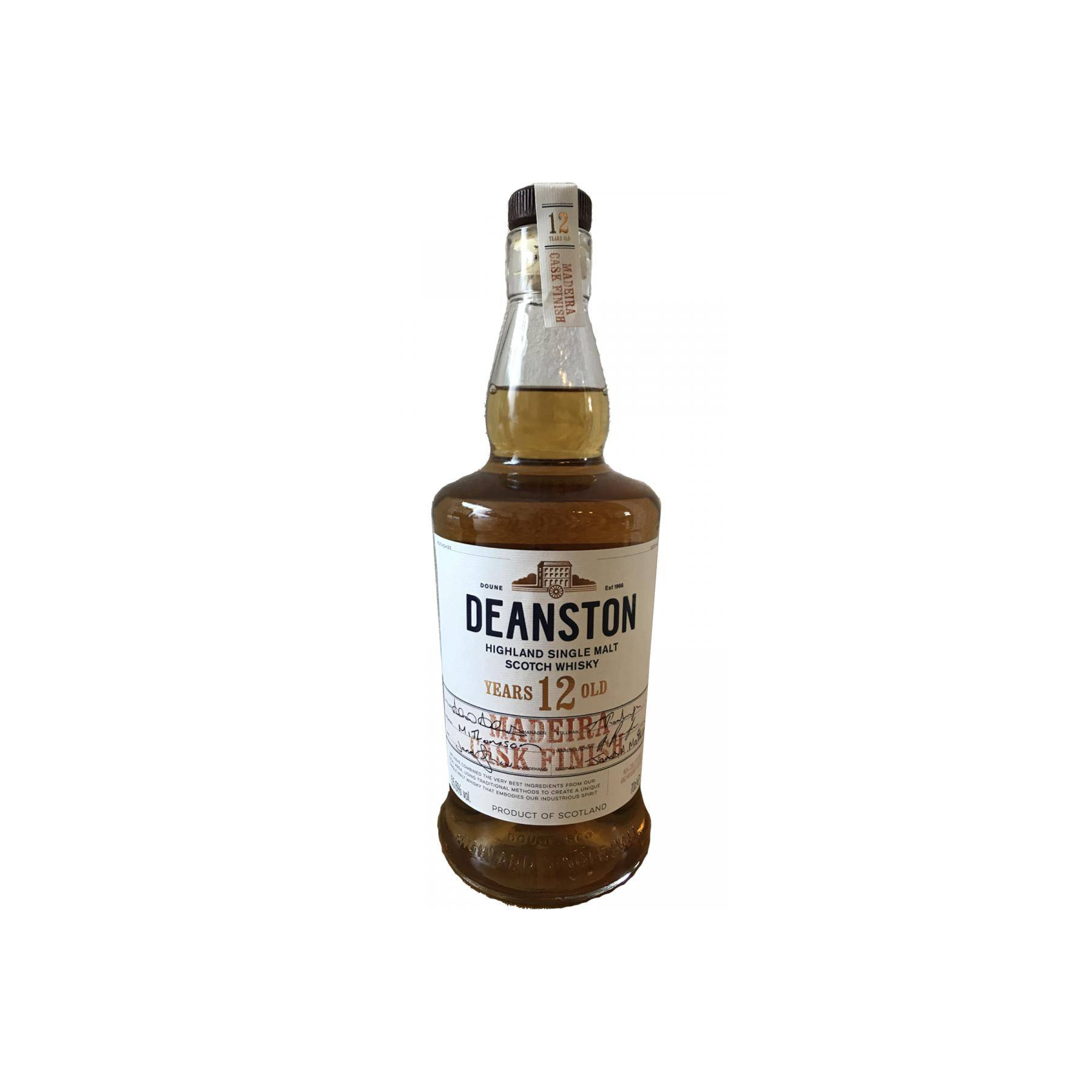
Deanston 2006 12 Years Single Malt Whisky
Deanston
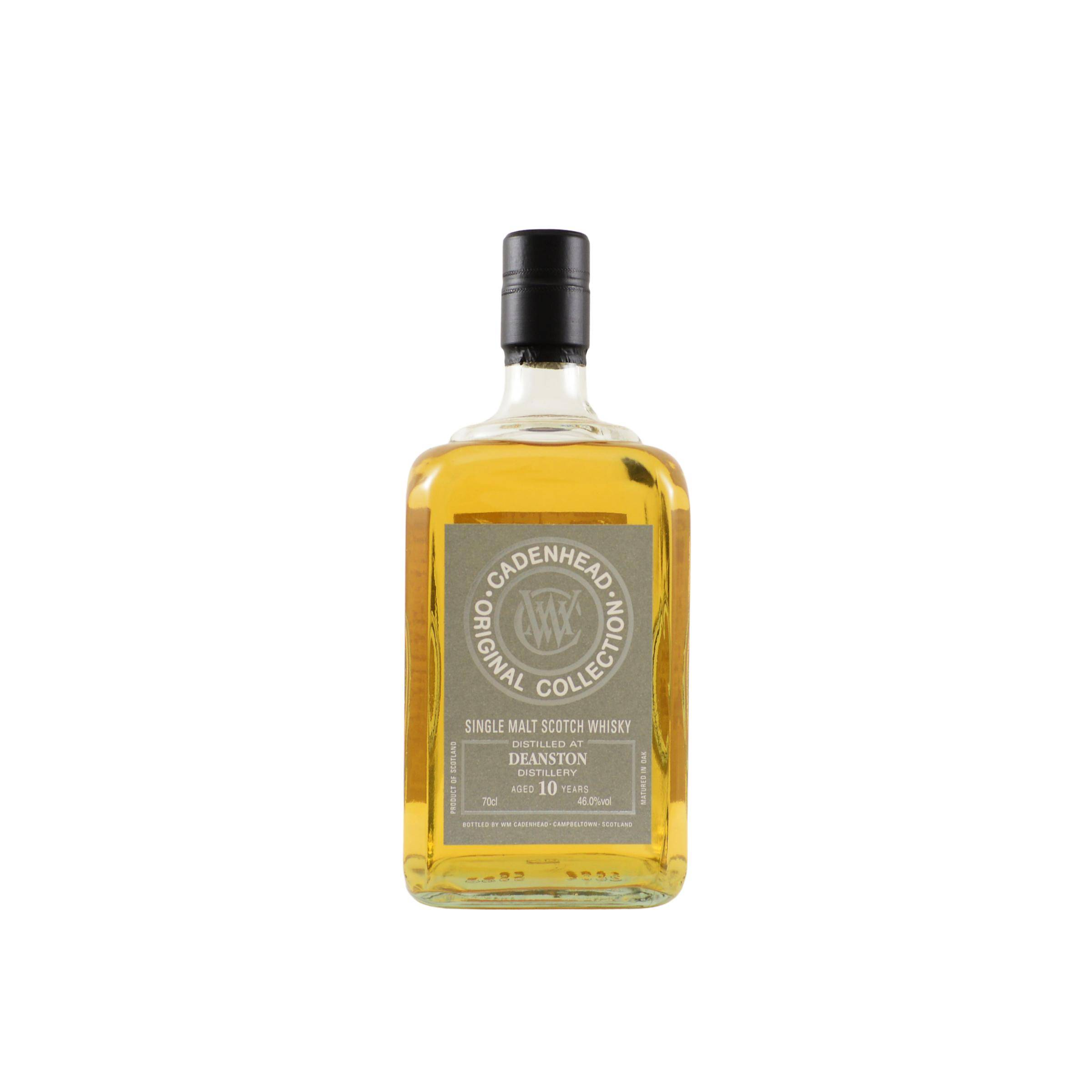
Deanston 2010 10 Years Single Malt Whisky
Deanston
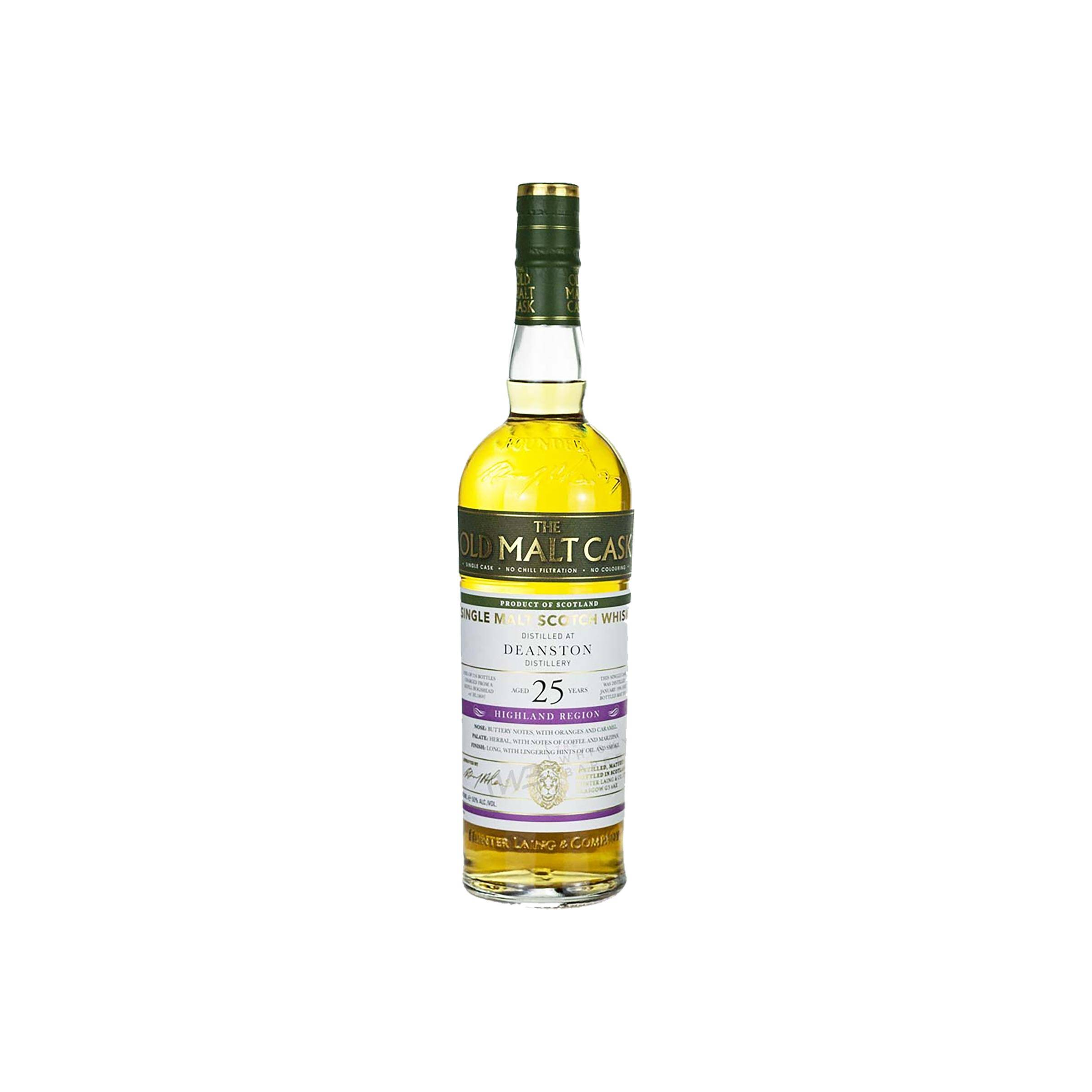
Deanston Old Malt Cask 1996 25 Years Single Malt Whisky
Deanston
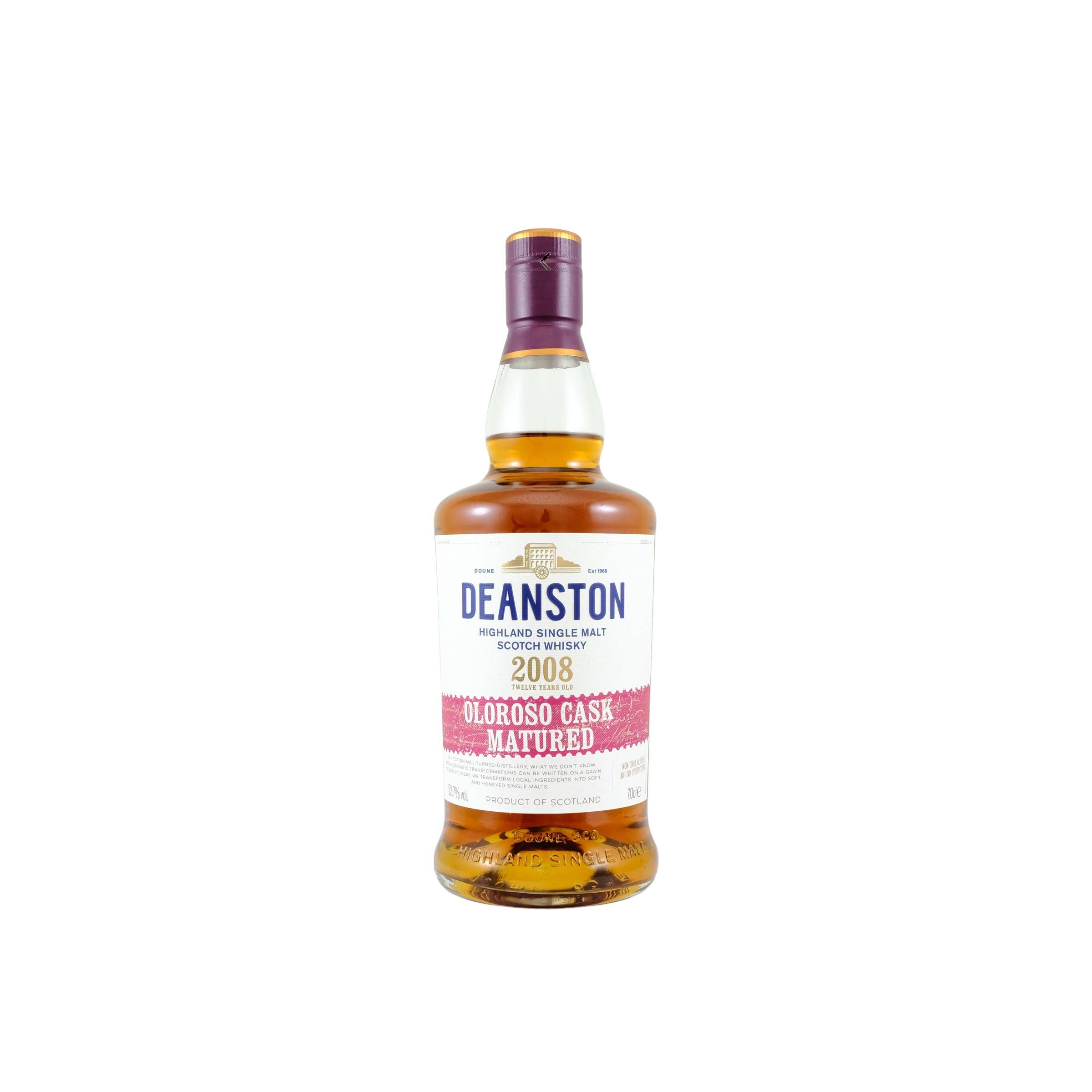
Deanston 2008 12 Years Single Malt Whisky
Deanston
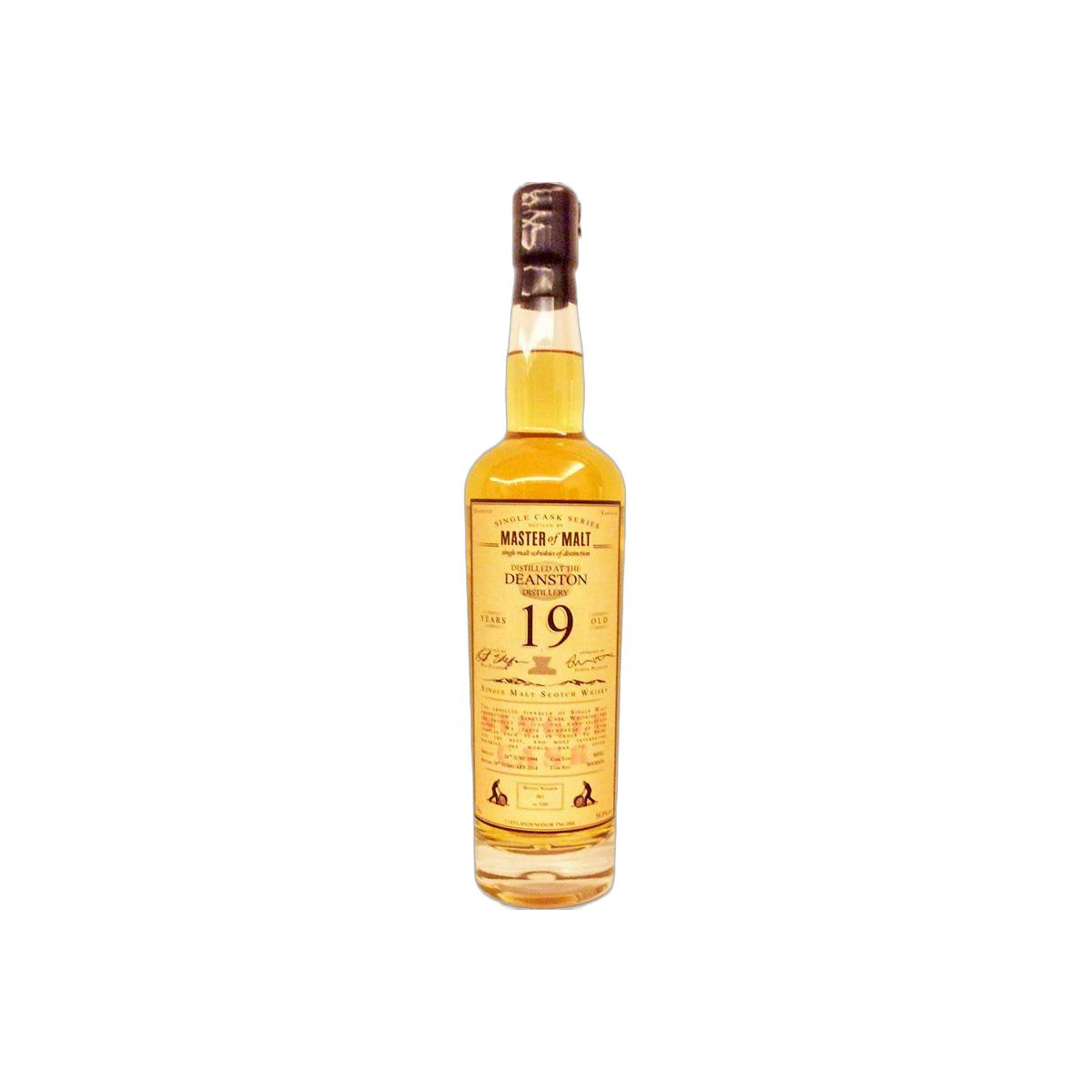
Deanston Single Cask 1994 19 Years Single Malt Whisky
Deanston
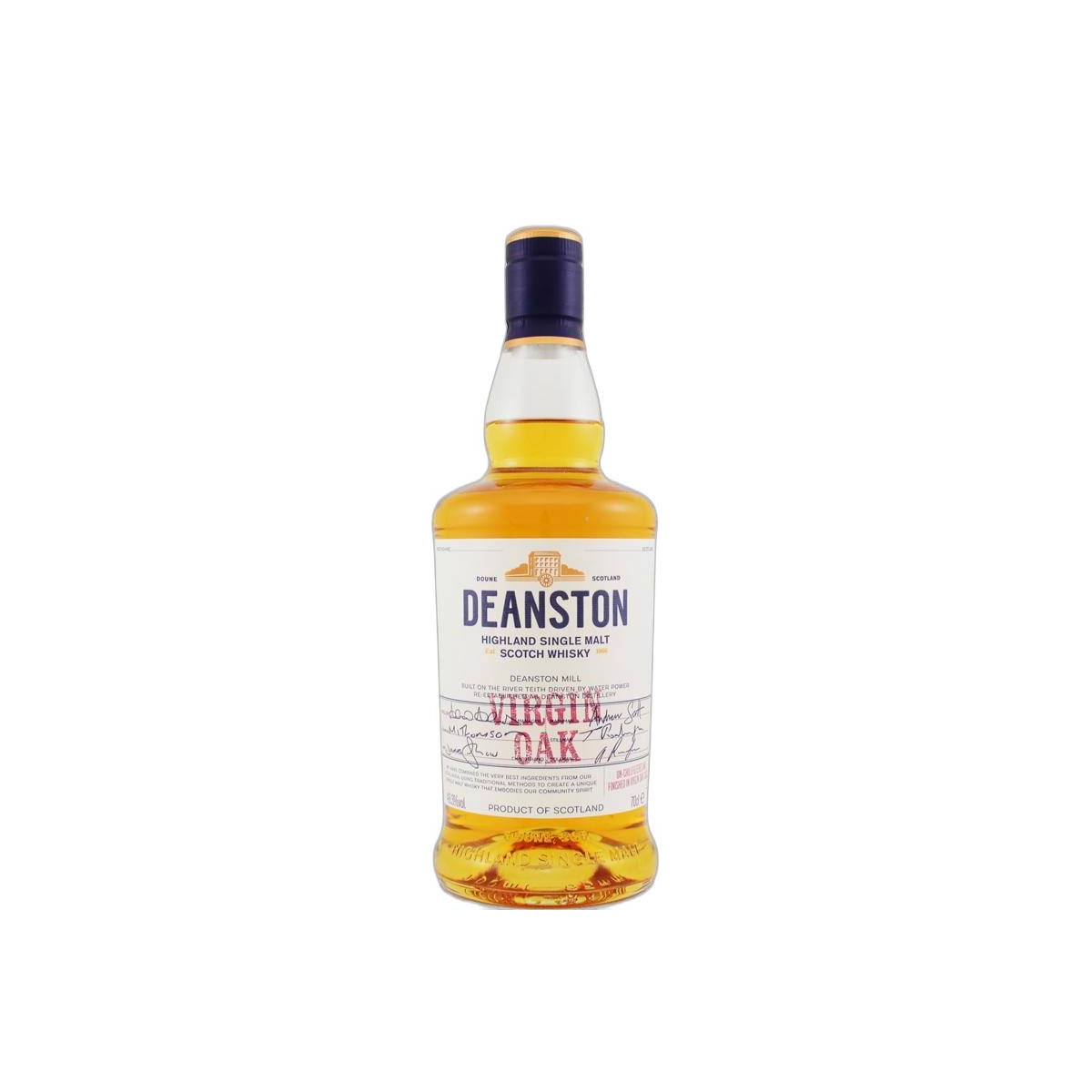
Deanston Single Malt Whisky
Deanston
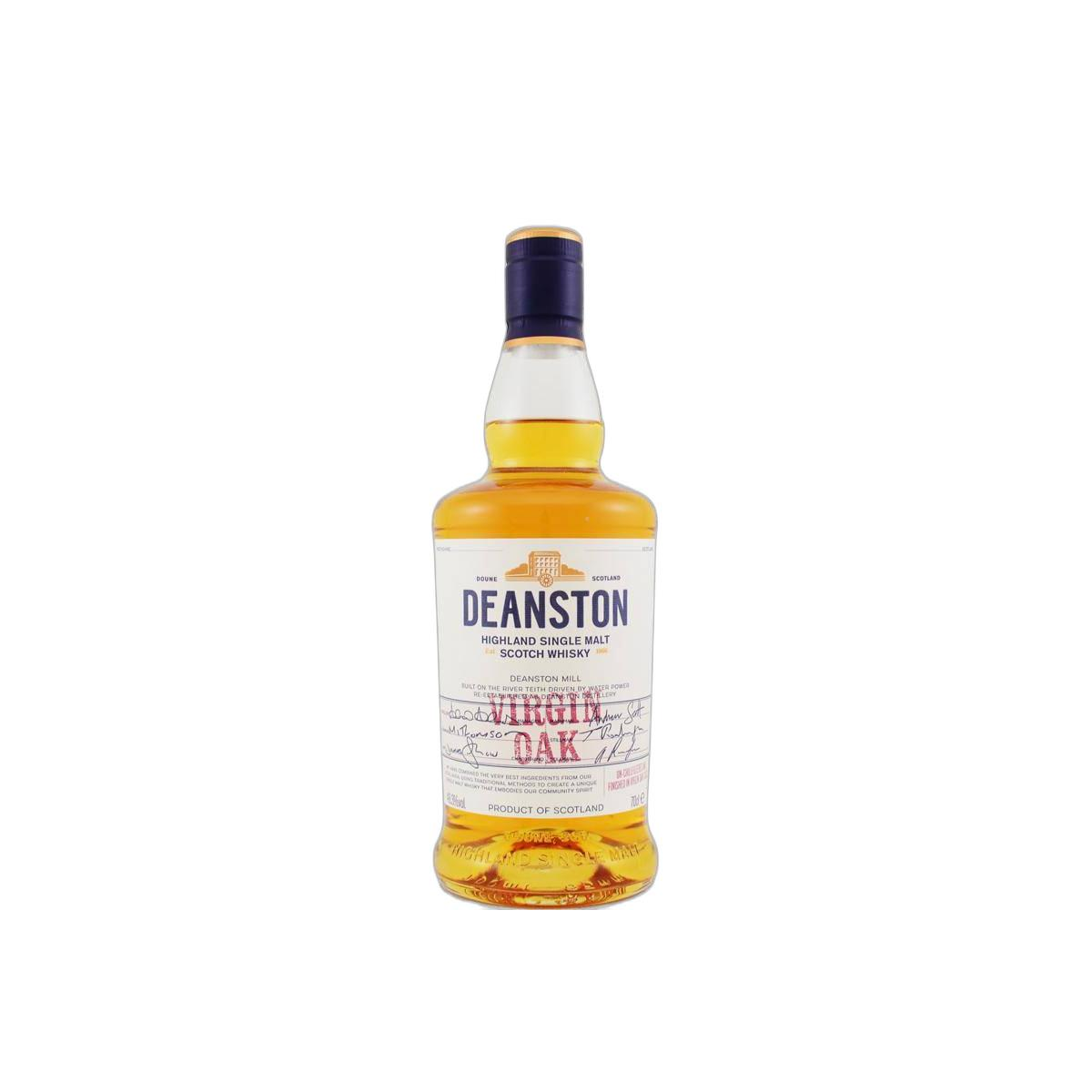
Deanston Single Malt Whisky
Deanston
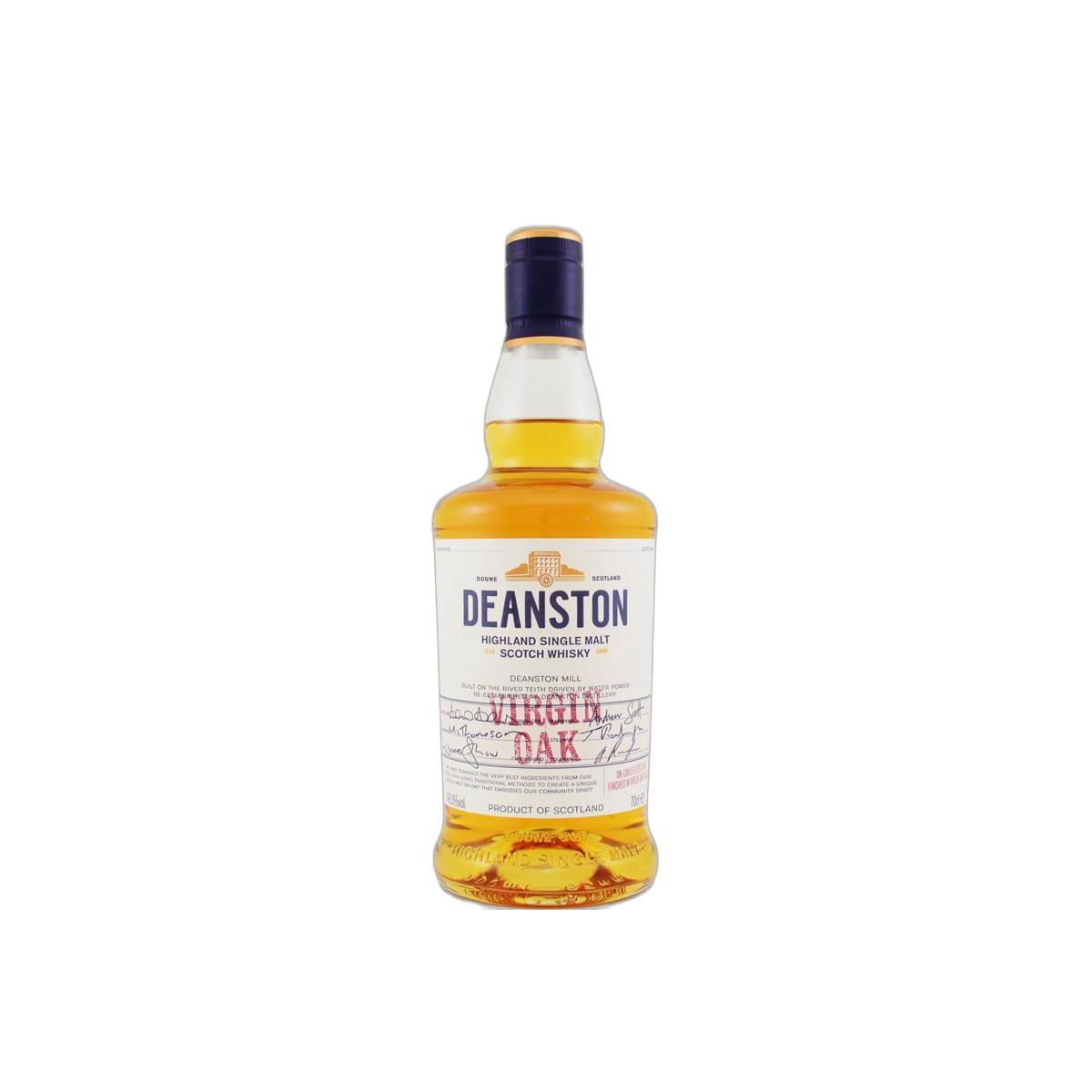
Deanston Single Malt Whisky
Deanston
Deanston Single Malt Whisky
Deanston
Deanston Single Malt Whisky
Deanston