
St. Magdalene
A legendary 'lost' Lowland distillery, also known as Linlithgow, that operated from 1798 until its closure in 1983. Renowned for producing exceptionally light, floral, and fruity single malt whisky with distinctive grassy notes. Its remaining stocks are among the most coveted and valuable collector's items in the whisky world, representing a vanished era of Lowland craftsmanship.
History
St. Magdalene The first recorded license holder was Adam Dawson in 1797. He was a spokesman for the Lowland distillers, and in 1829 A. & J. Dawson inherited the license. The distillery was located beside the main road between Glasgow and Edinburgh. The Union Canal, opened between the two cities in 1822, and the railway, which began operation in 1842, greatly strengthened the distillery's position. This was a considerable enterprise with four stills (converted to indirect heating in 1971) and nineteen warehouses, one of which was constructed with "enormous" bricks (Barnard). A. & J. Dawson became a limited company in 1894, but entered liquidation in 1912 due to financial difficulties. In the same year, the distillery was incorporated into a new company bearing the same name, jointly owned by D.C.L. (Distillers Company Limited), John Walker & Sons, and J. A. Ramage Dawson & Co. In 1914, the board of directors, together with four other Lowland distilleries, jointly established S.M.D. (Scottish Malt Distillers) (see "Rosebank"). St. Magdalene was one of the victims of the 1983 economic recession, when S.M.D. had to close the distillery to bring inventory levels into line with anticipated future sales. The site has since been redeveloped for residential use.
Curiosities
The distillery's name originates from Saint Magdalene's Cross, a location near Linlithgow where the distillery was established in the late 18th century. This site also housed a同名 hospital and annual fair. The distillery was also known as Linlithgow. Linlithgow is renowned for its excellent water quality, celebrated in this old rhyme: Linlithgow for wells, Glasgow for bells, Peebles for clashes and lees (meaning 'lies'), And Falkirk for beans and peas. In the 16th century, this area was a center for milling and wheat production, and in the 18th century, it became famous for brewing and distilling. Saint Magdalene used water from the Union Canal for cooling and driving water wheels; process water came from the town supply, sourced from the Royal Loch (also known as Linlithgow Loch). The imposing Linlithgow Palace stands on the loch's shores. This 12th-century royal residence, with ruins dating from 1425-1630, was the birthplace of Mary, Queen of Scots in 1542. In 1892, the late Colonel Lachlan Mackenzie Dow owned a "large valuable coffee plantation," estates in Kinross-shire, held the rank of Colonel in the Haddington Artillery Militia, and the distillery.
Hot Search Whiskies
Showing top 10
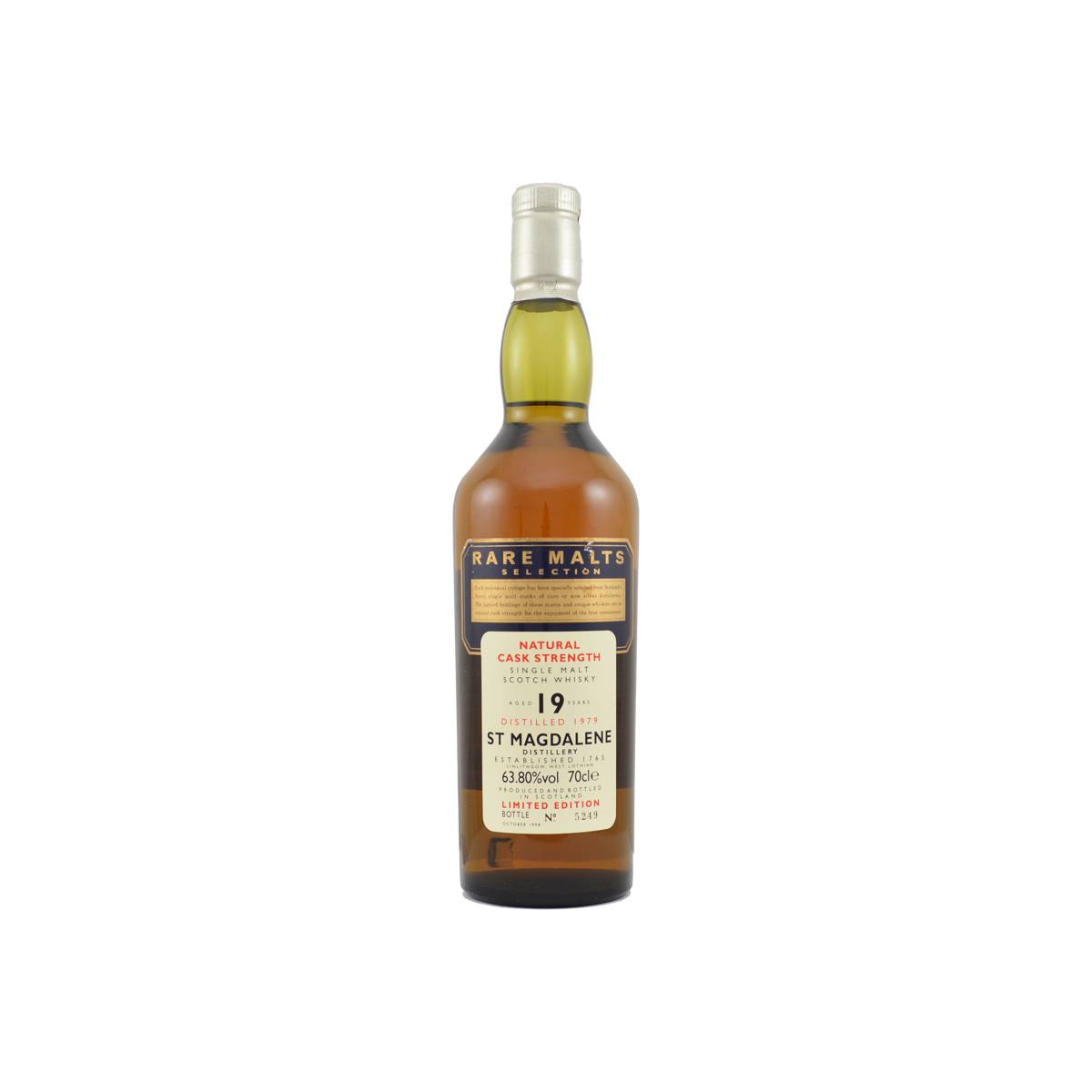
St. Magdalene 1979 19 Years Single Malt Whisky
St. Magdalene
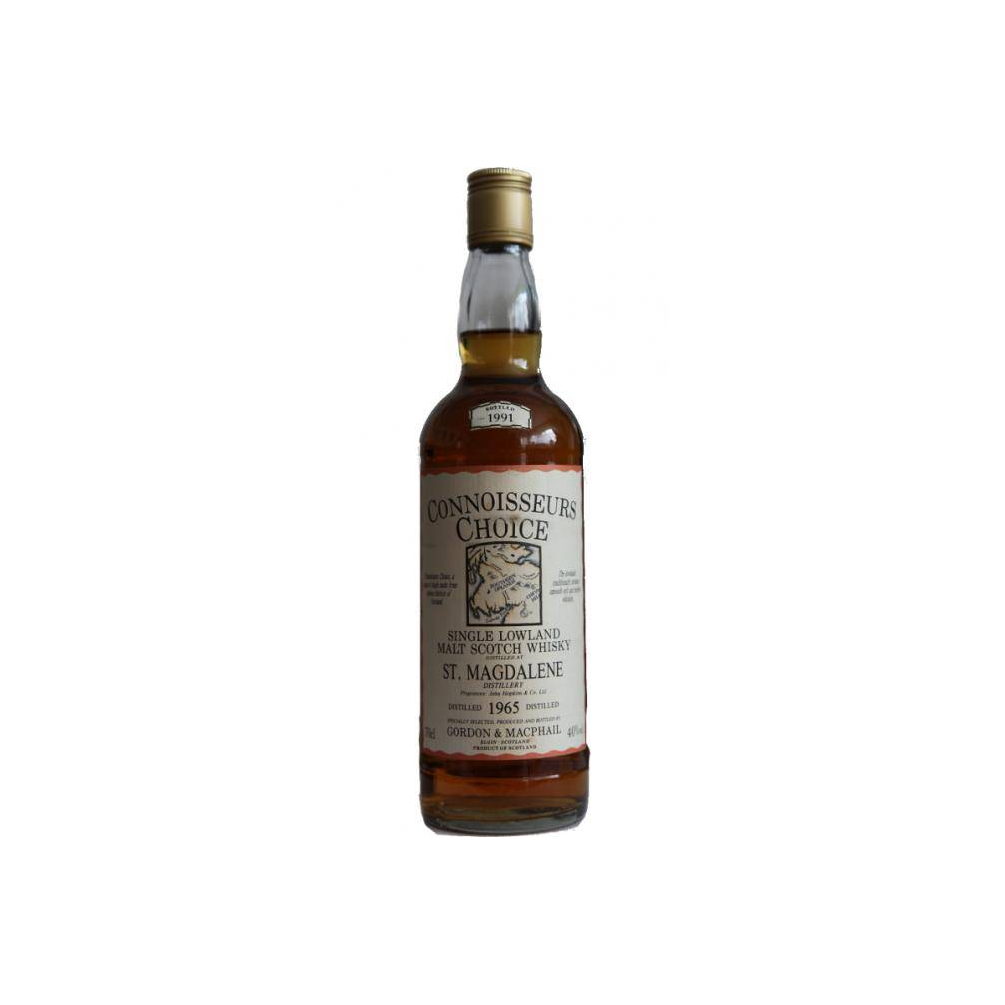
St. Magdalene Connoisseurs Choice 1965 26 Years Single Malt Whisky
St. Magdalene
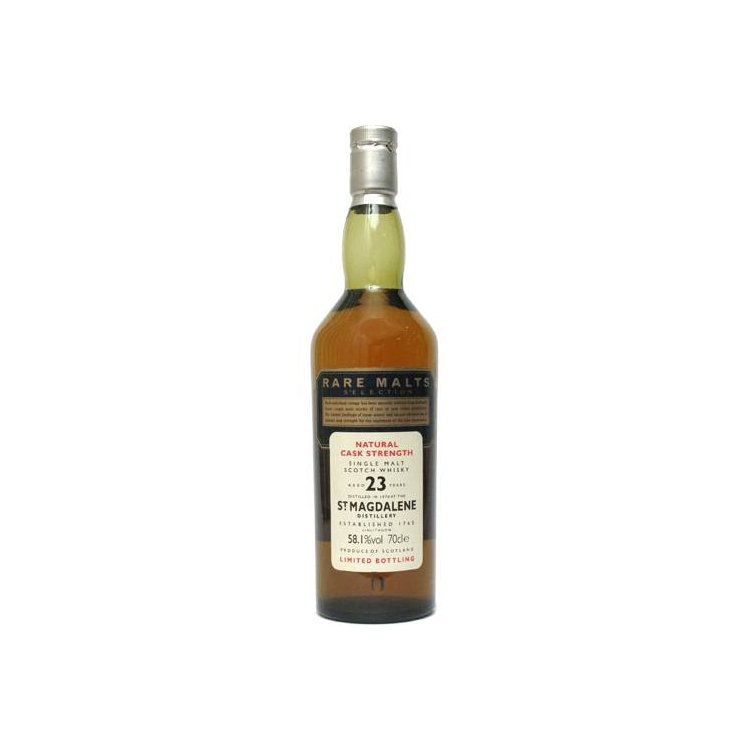
St. Magdalene 1970 23 Years Single Malt Whisky
St. Magdalene
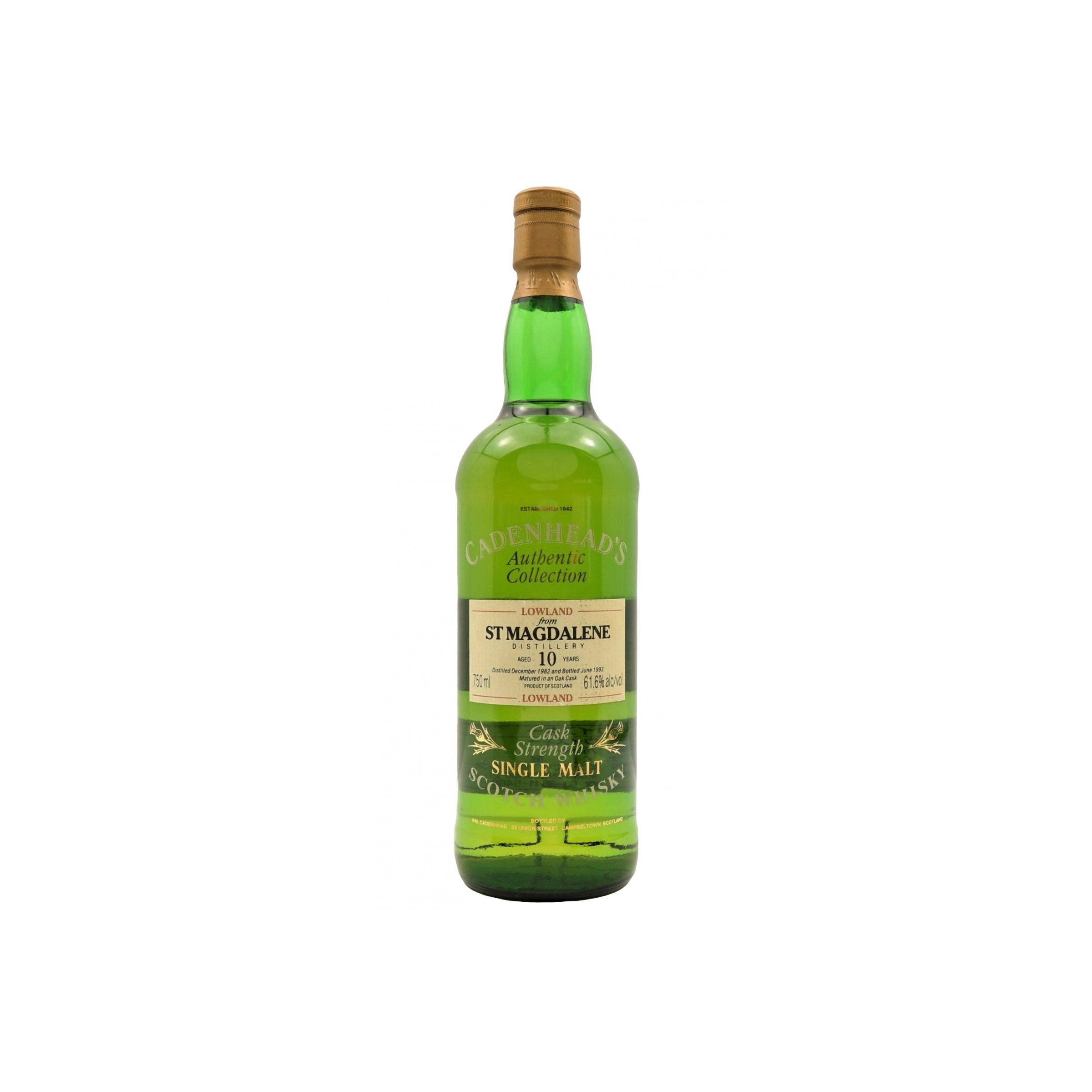
St. Magdalene Authentic Collection 1982 10 Years Single Malt Whisky
St. Magdalene
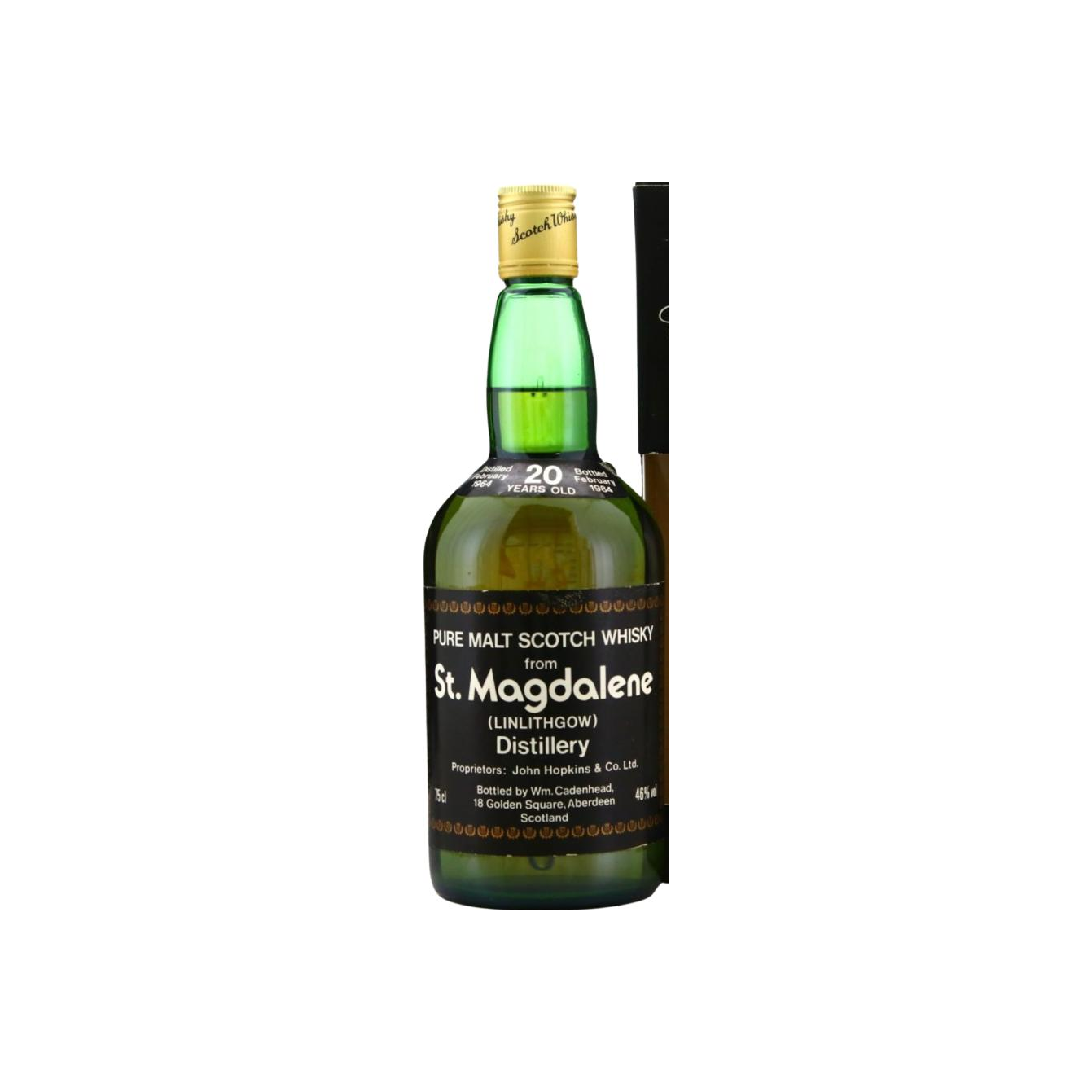
St. Magdalene 1964 20 Years Single Malt Whisky
St. Magdalene
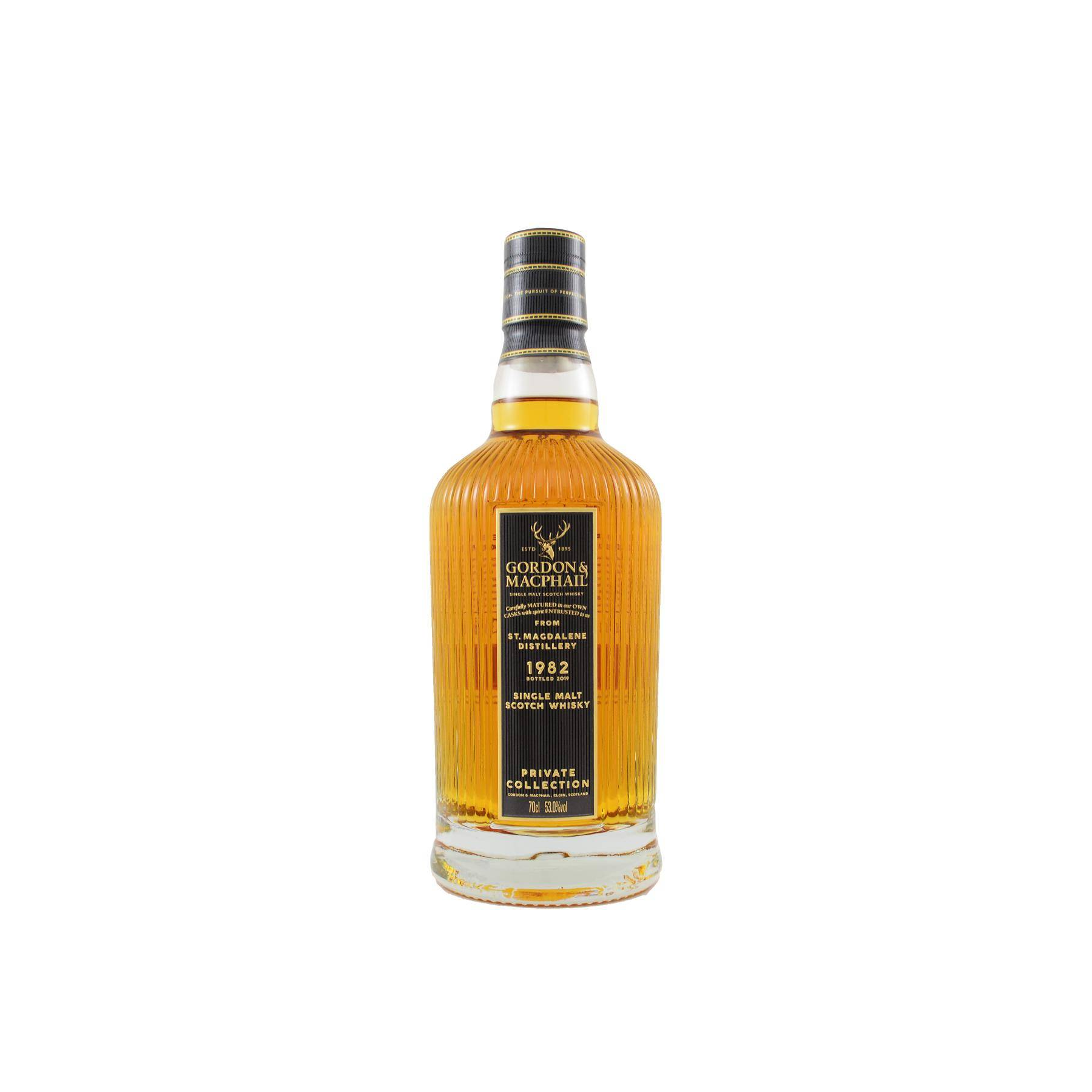
St. Magdalene 1982 36 Years Single Malt Whisky
St. Magdalene
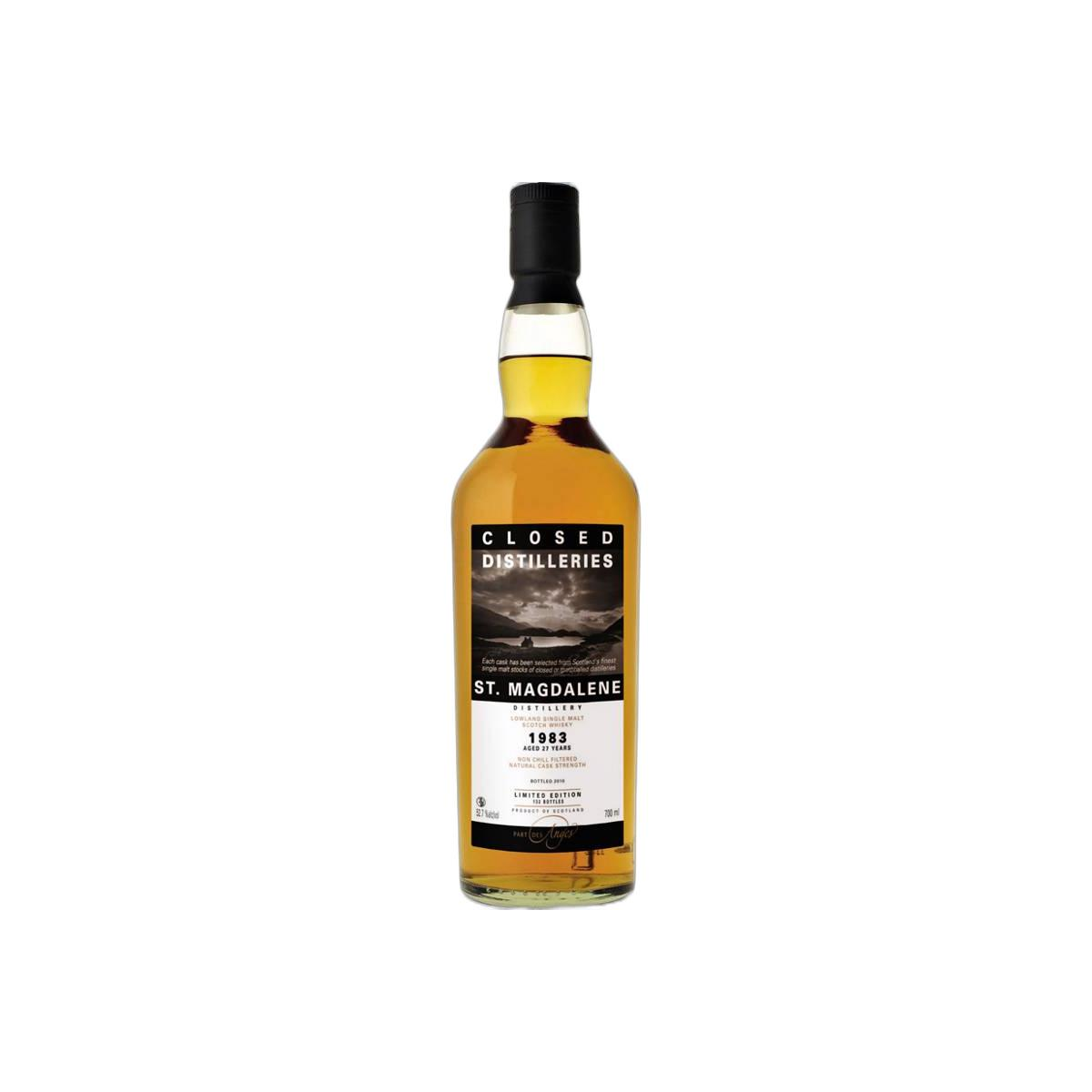
St. Magdalene 1983 27 Years Single Malt Whisky
St. Magdalene
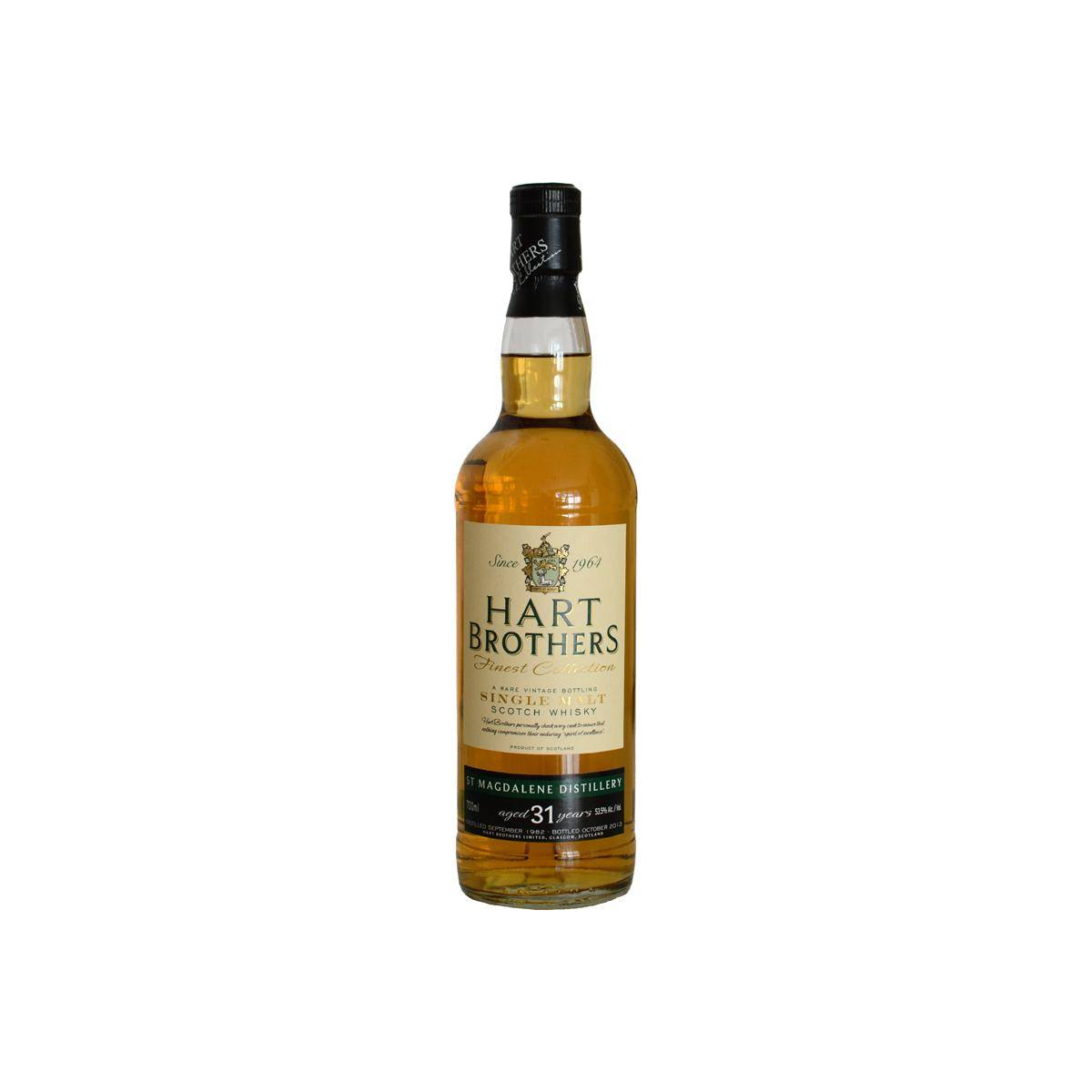
St. Magdalene Finest Collection 1982 31 Years Single Malt Whisky
St. Magdalene
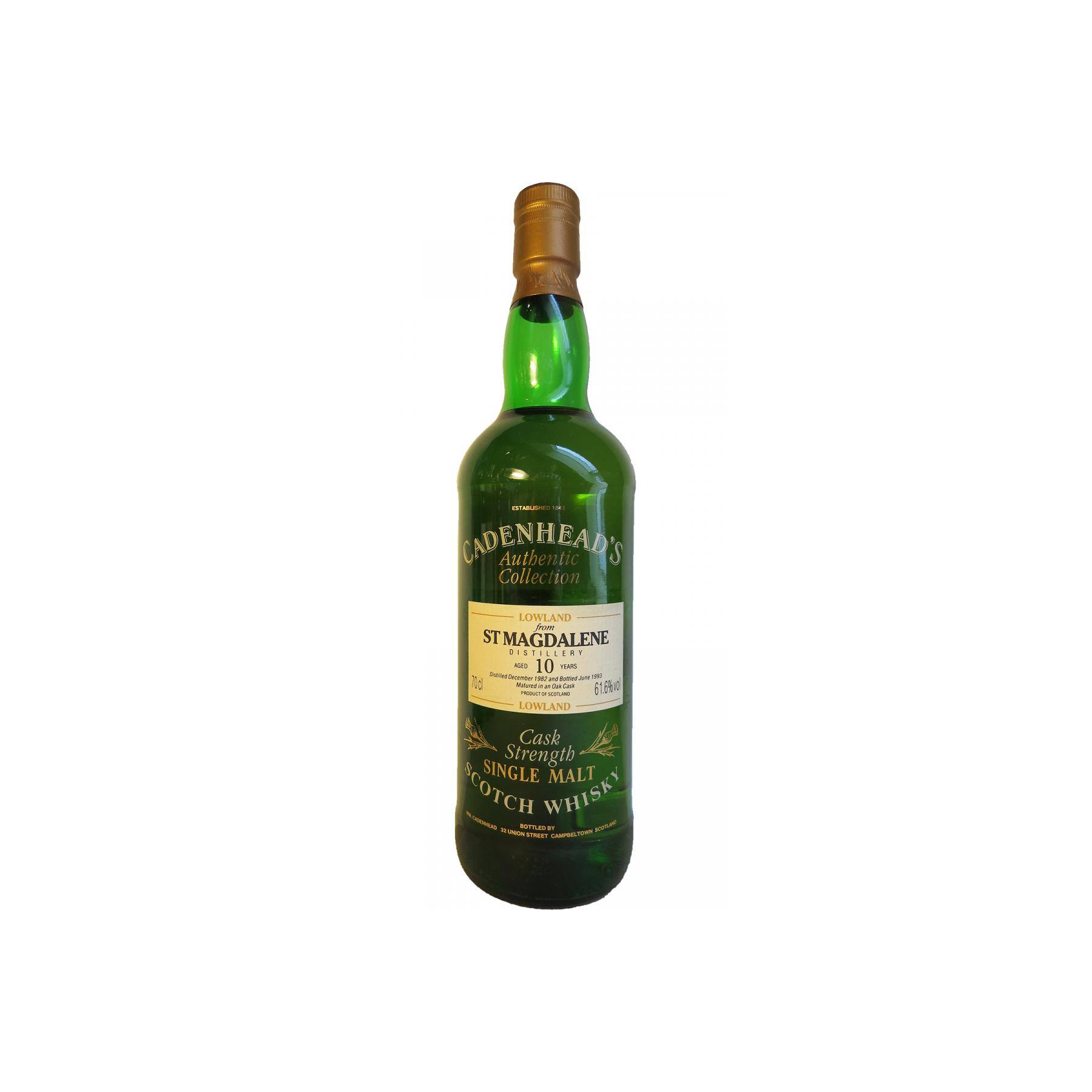
St. Magdalene Authentic Collection 1982 10 Years Single Malt Whisky
St. Magdalene
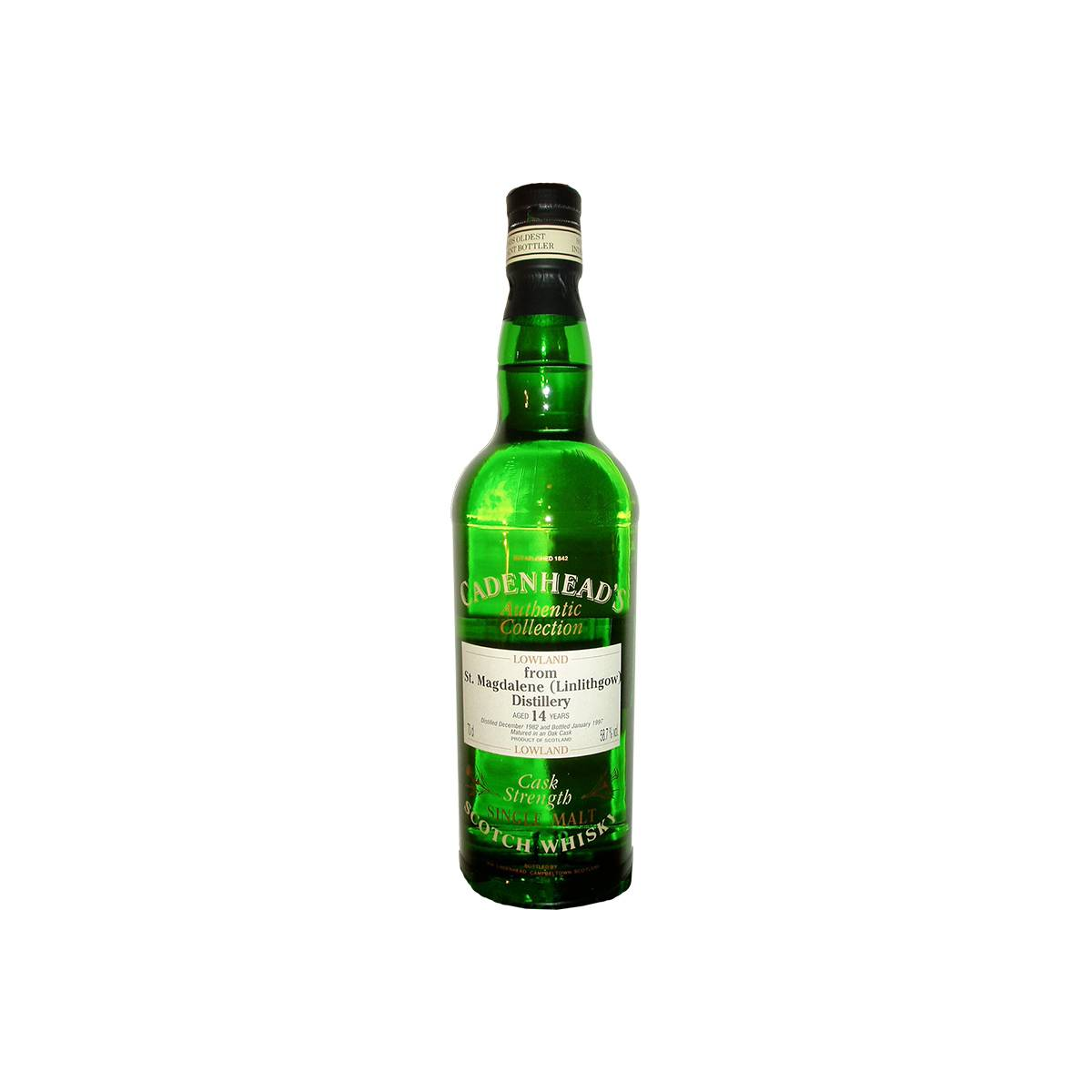
St. Magdalene Authentic Collection 1982 14 Years Single Malt Whisky
St. Magdalene