Glenury Royal
Glenury Royal Distillery was established in 1825 north of Stonehaven, Scotland. Only three Scottish distilleries are permitted to use the 'Royal' designation, which was granted to Glenury by King William IV in 1835. Glenury Royal was a Highland malt whisky distillery that operated from 1825, initially with just two stills, which increased to four in 1965. The distillery closed in 1985 and was demolished in 1993, though the square support base of its round brick chimney still bears a commemorative plaque. The site is now a private housing development on the outskirts of Stonehaven. Glenury Royal is considered a 'lost' Scottish Highland malt whisky distillery.
History
Before 1825, there was a distillery at Ury House. According to the Aberdeen Journal at the time, a fire destroyed the distillery's malting room. In 1838, another Aberdeen newspaper stated that "Glenugie Distillery was initially established by the late Earl of Gordon to control smuggling," but the newspaper did not specify a date. Glenugie first appeared in excise records in 1833, showing it was owned by Major Robert Barclay (1779-1854), Laird of Ury. Barclay's ancestor had purchased the estate in 1648. Barclay himself had served as MP for Kincardine, was a Quaker, and a progressive farmer. He built (or rebuilt) the distillery to create a market for local barley. He had a friend at court whom he called "Lady Windsor," and he persuaded William IV to allow him to use "Royal" as a prefix for the distillery name after 1835. After Barclay's death in 1847, the distillery was sold to William Ritchie of Dunottar and remained in his family's hands until 1936. The Ritchie family then sold the distillery to Joseph Hobbs for £7,500. The distillery had been closed since 1925 but resumed production in 1937. In 1938, Hobbs sold it to Scottish Malt Distillers Ltd for £18,500. This company was a subsidiary of the US National Distillers Company, which had contracted to acquire distilleries: between 1934-1938, they successively purchased Bruichladdich, Glenesk, Fettercairn, Glenlochy, Benromach, and Strathdee, with Glenugie becoming the company headquarters (see "Ben Nevis Pennyfu"). In 1953, National Distillers withdrew from Scotland and sold Scottish Malt Distillers Ltd and its distilleries to D.C.L. (Bruichladdich and Fettercairn had already been sold by then, and Strathdee had closed). Between 1965-1966, Glenugie expanded to four stills and underwent major reconstruction. The distillery closed in 1985 and was sold to a housing developer eight years later.
Curiosities
Captain Barclay was a man of robust physique and a celebrated athlete. In 1799, he walked from London to Birmingham via Cambridge—a distance of over 150 miles—in just two days. Two years later, he marched from Ury to Boroughbridge in Yorkshire within five days. He was immensely popular in the locality. In 1838, two hundred neighbors invited him to dinner in the distillery's malting room.
Hot Search Whiskies
Showing top 10
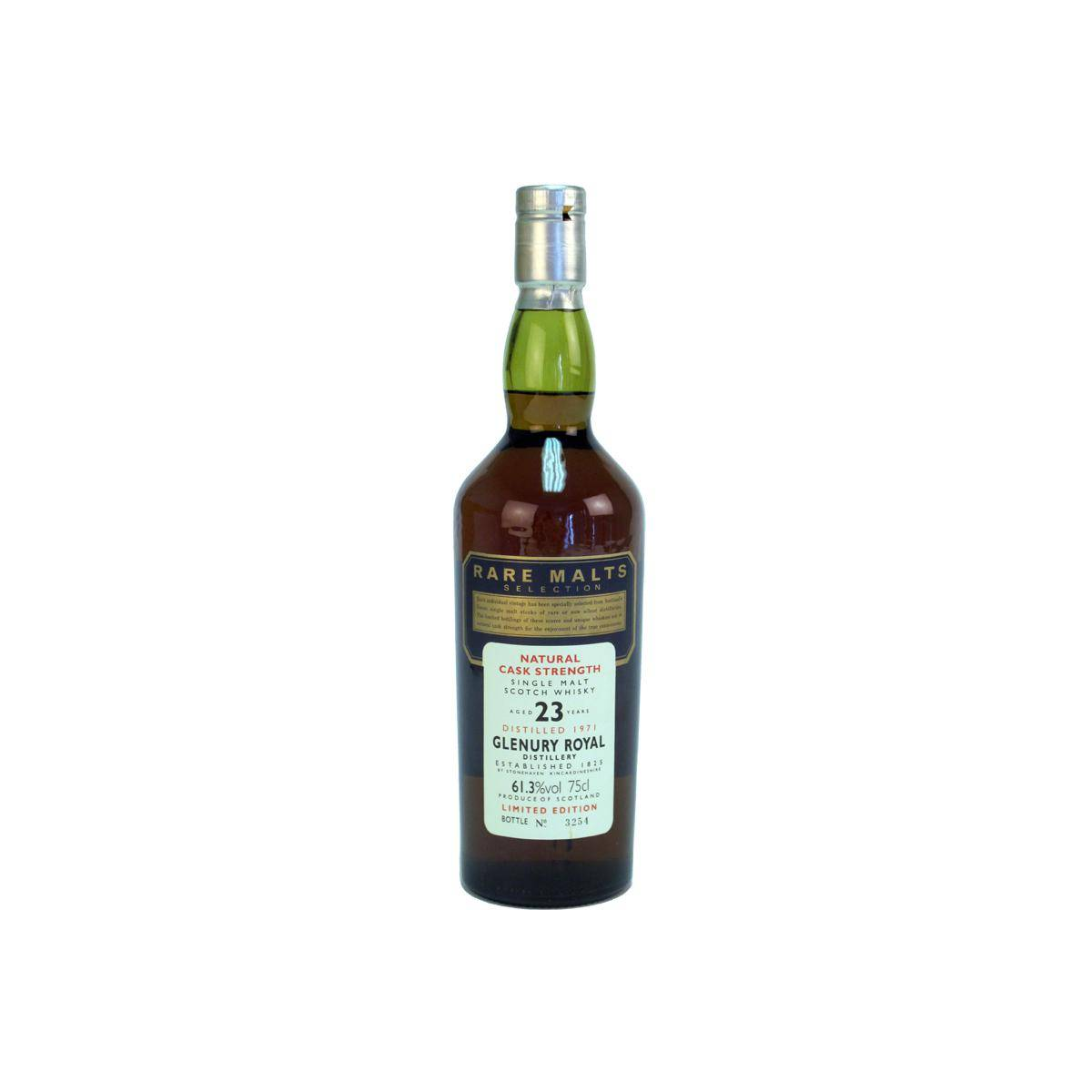
Glenury Royal 1971 23 Years Single Malt Whisky
Glenury Royal
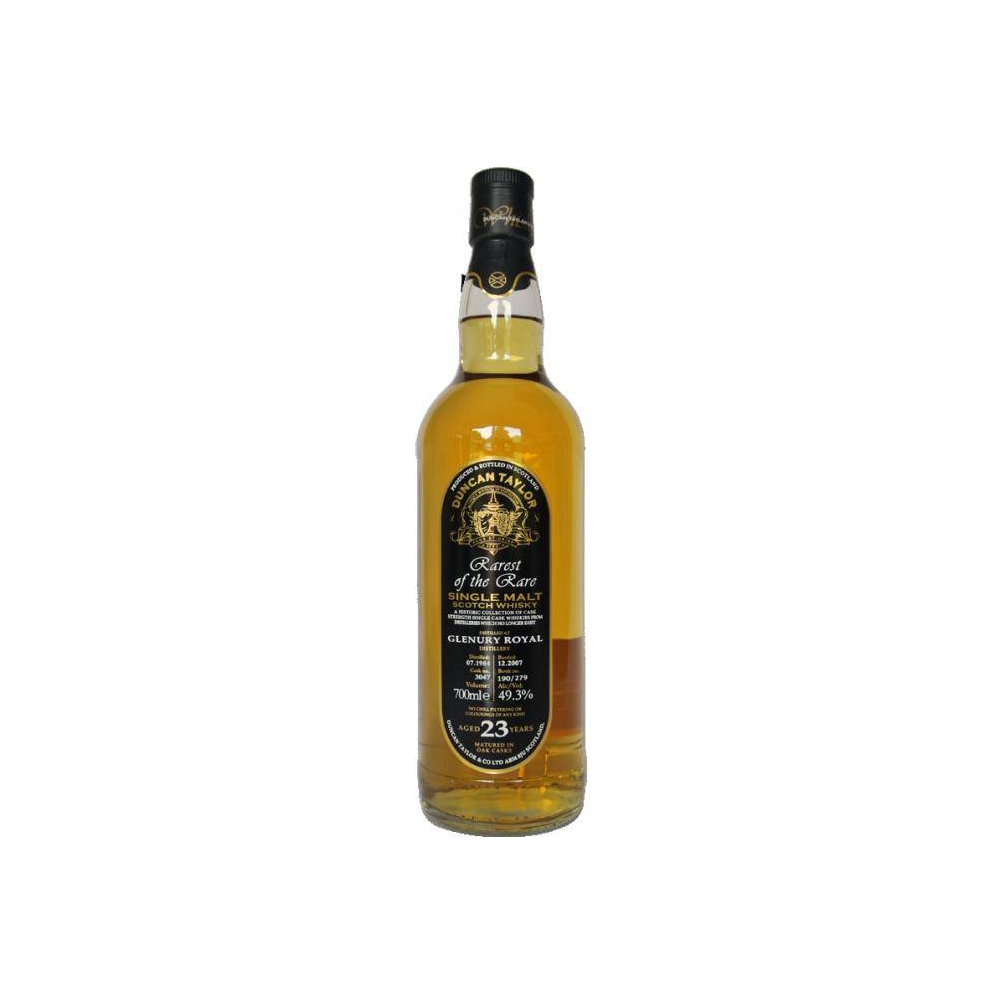
Glenury Royal 1984 23 Years Single Malt Whisky
Glenury Royal
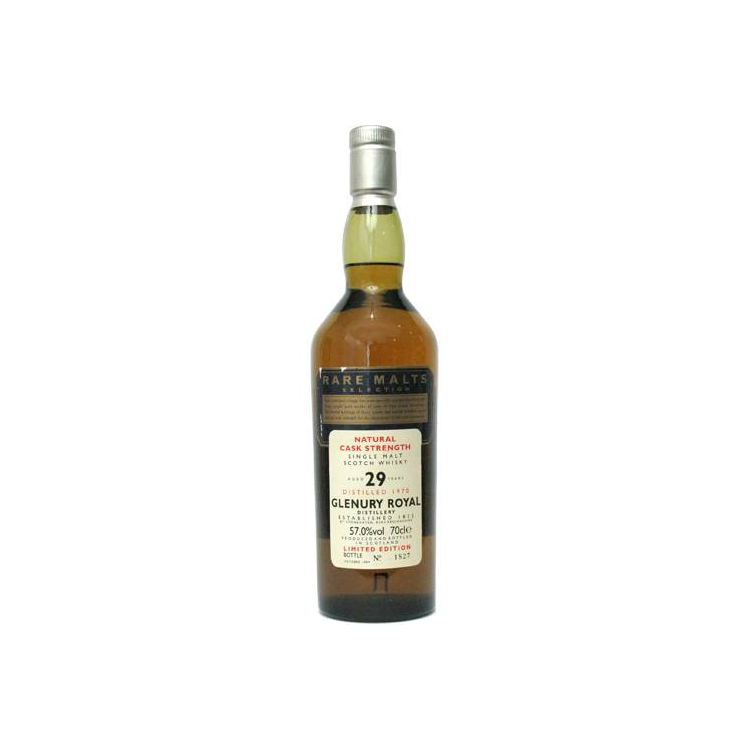
Glenury Royal 1970 29 Years Single Malt Whisky
Glenury Royal
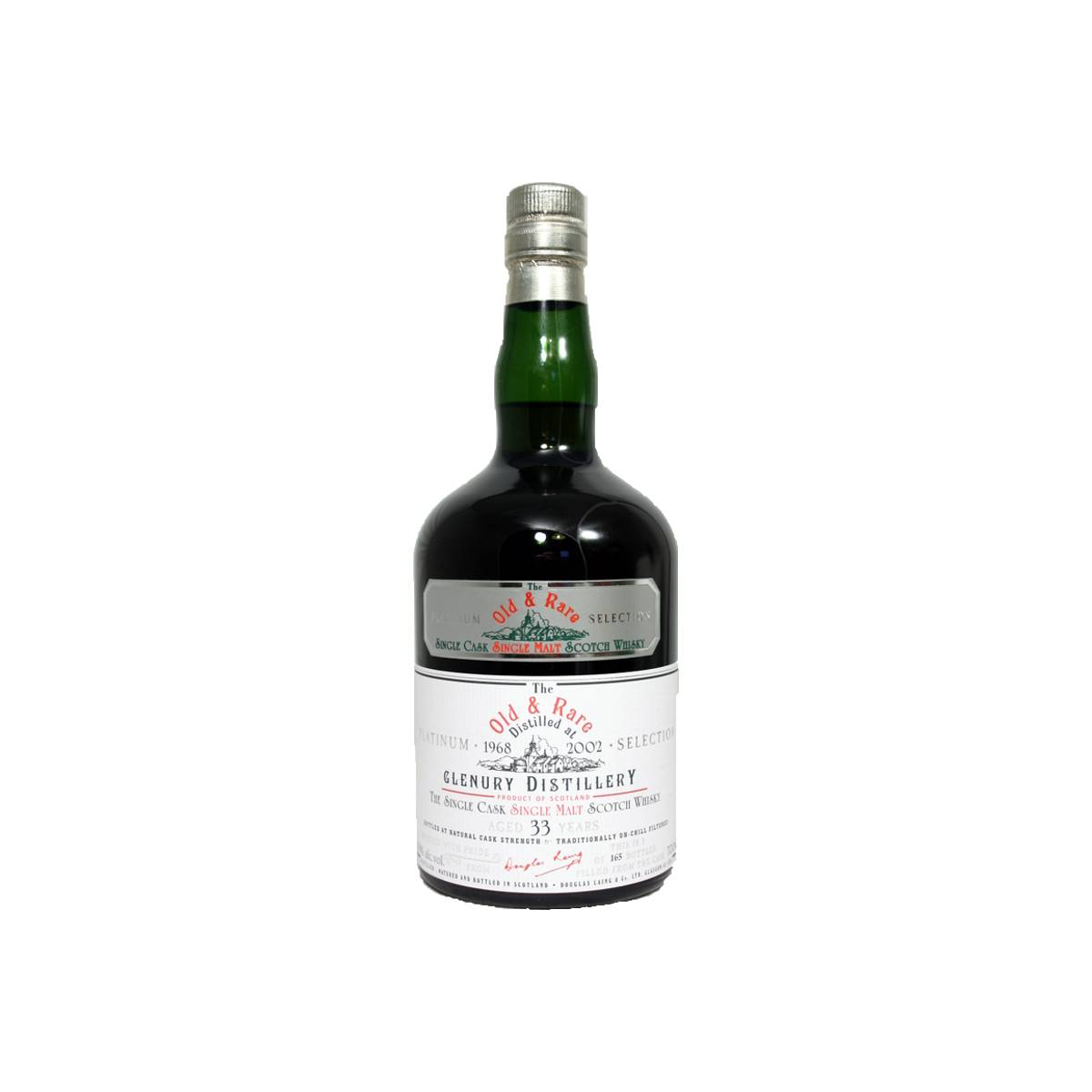
Glenury Royal 1968 33 Years Single Malt Whisky
Glenury Royal
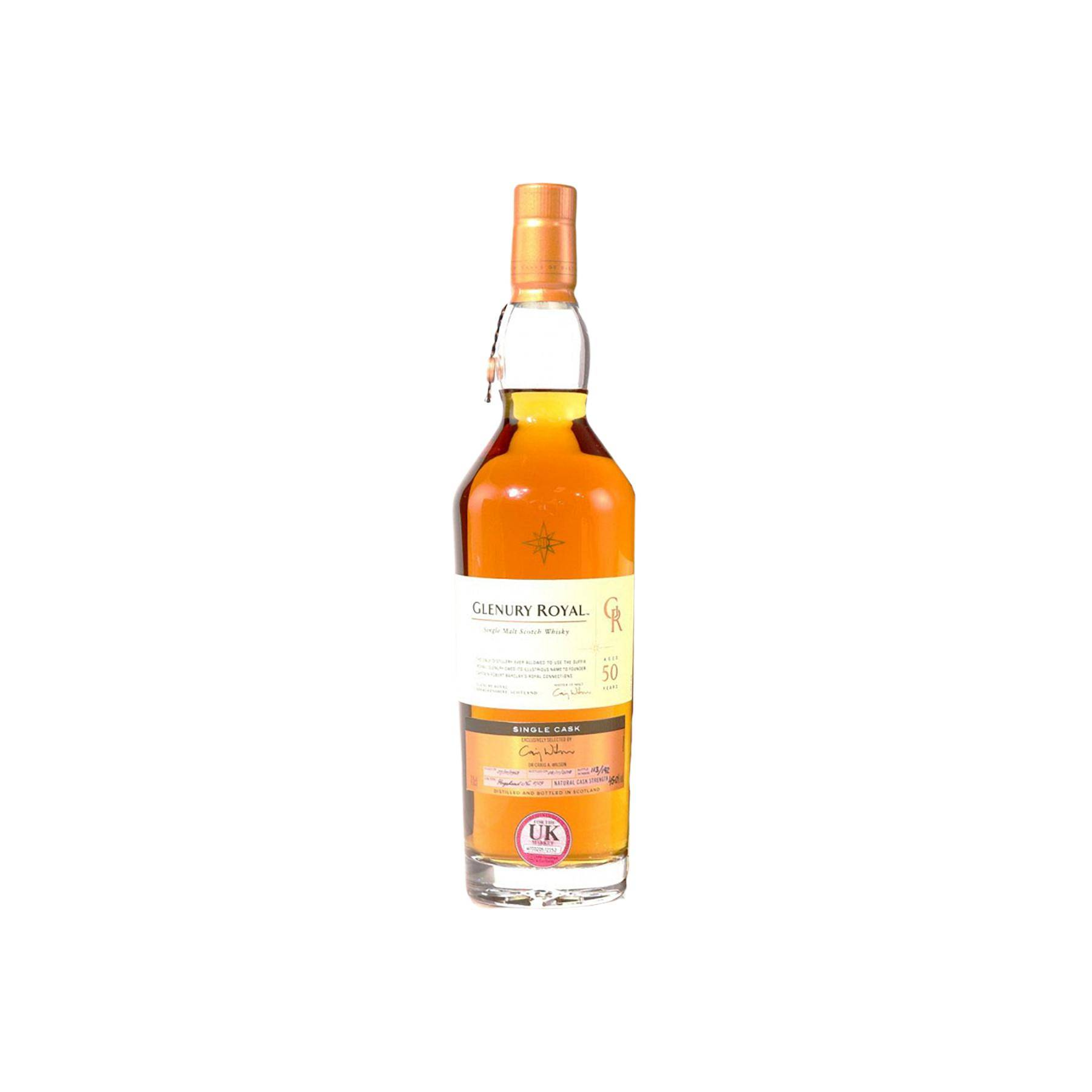
Glenury Royal 1968 50 Years Single Malt Whisky
Glenury Royal
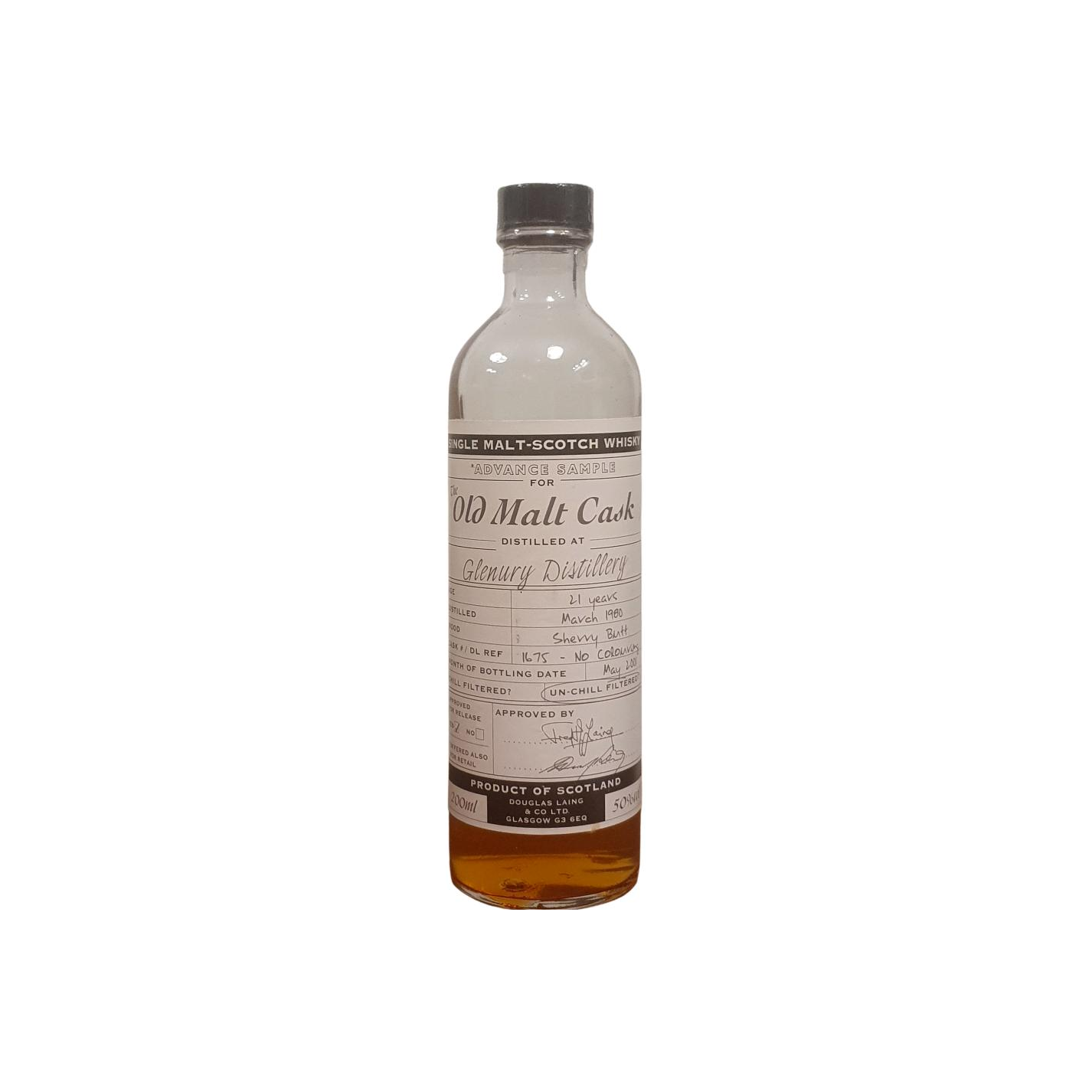
Glenury Royal 1980 21 Years Single Malt Whisky
Glenury Royal
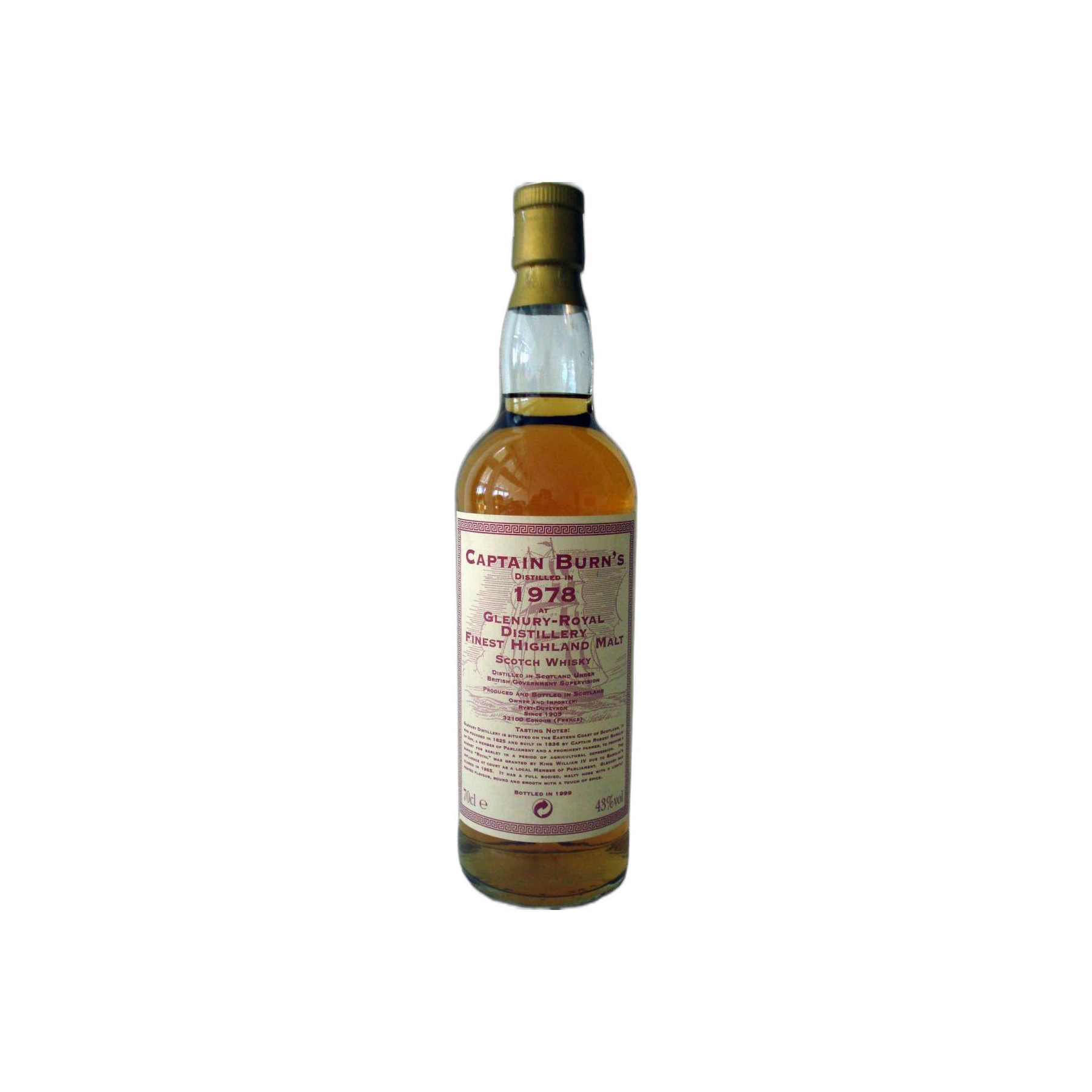
Glenury Royal 1978 21 Years Single Malt Whisky
Glenury Royal
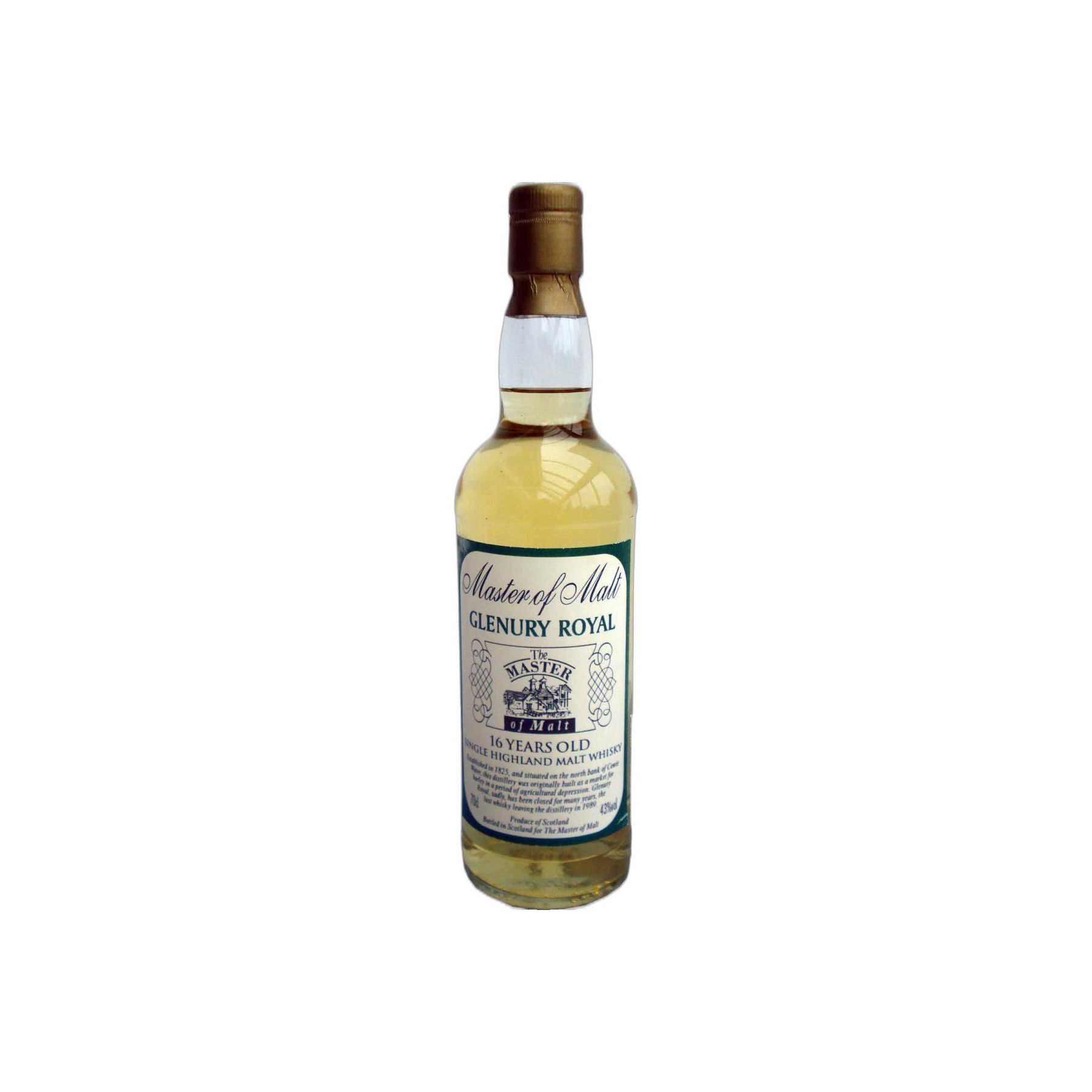
Glenury Royal 16 Years Single Malt Whisky
Glenury Royal
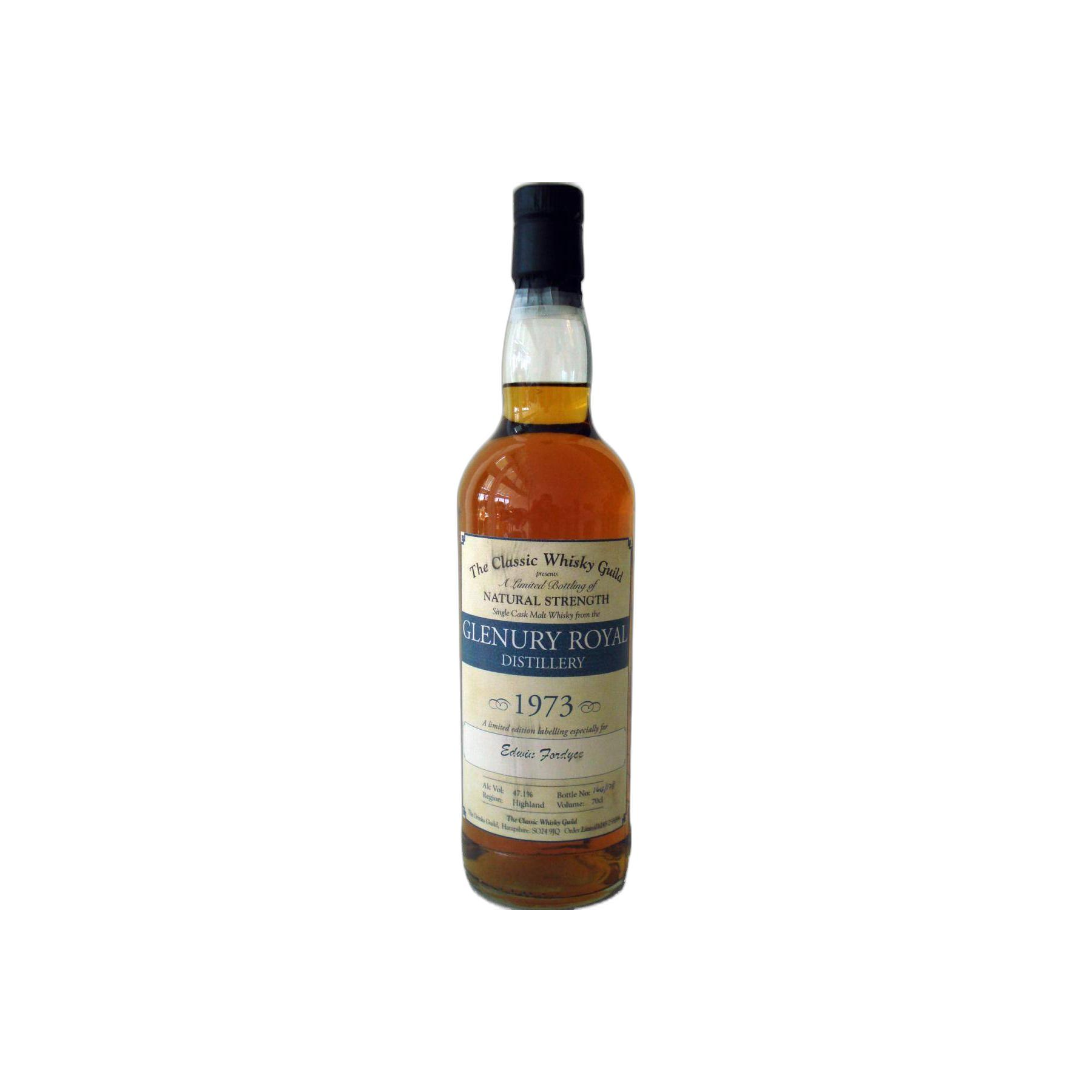
Glenury Royal 1973 Single Malt Whisky
Glenury Royal
Glenury Royal 1966 24 Years Single Malt Whisky
Glenury Royal