

Tomatin: In 2005, Tomatin decided to forge its own path. At year-end, they distilled a batch of whisky using Optic barley peated to 15ppm and filled them into various cask types. Eight years later, a distinctive Tomatin single malt brand emerged—Cù Bòcan. Over the following six years, the distillery released numerous expressions under this line. Despite its popularity, Tomatin felt it was time for a brand realignment. In summer 2019, three new Cù Bòcan whiskies launched: the core Signature, plus Creation #1 and Creation #2. Creation #1 is finished in a combination of Black Isle Brewery Imperial Stout casks and Bacalhôa Moscatel De Setúbal wine casks, while Creation #2 matures in Japanese shōchū casks and European virgin oak casks. The distillery features a nine-tonne full-lauter stainless steel mash tun, twelve stainless steel fermentation tanks (54-110 hour fermentation), and six stills. Its 2019 production target was 18 million liters, including two weeks dedicated to peated whisky production at 40ppm. The core range includes Legacy, 12, 18, 30, and 36 Year Old, plus Tomatin Cask Strength, Tomatin Port Cask 14 Year Old, and Tomatin First Fill Bourbon Cask UK Exclusive. The 30 Year Old joined in 2018. Limited releases feature the Five Virtues series (Wood, Fire, Earth, Water, Metal), each cask-finished for unique profiles. The Warehouse 6 Collection includes Tomatin 40 Year Old and the recent 1975 Oloroso Cask release. Tomatin 50 Year Old, one of the distillery's most historic releases, debuted in 2018. Travel retail exclusives include 8, 12, 15, and 40 Year Old expressions. The peated portfolio is represented by Cù Bòcan Signature, Cù Bòcan Creation #1, and Cù Bòcan Creation #2.
History
"Tomatin" means "Hill of the Juniper" in Gaelic, but at over 1,000 feet above sea level, it's hardly a hill! The first distillery here was established in 1897 by a group of local businessmen, located about 18 miles south of Inverness on the A9 road, operating under the name Tomatin Spey District Distillery Company Ltd. The company was liquidated in 1906, but the distillery reopened in 1909 under the name New Tomatin Distillers Company Ltd. In 1956, the distillery expanded from 2 to 4 stills; 2 more were added in 1958, and another 4 in 1961. Incredibly, in 1974 another 12 stills were added, along with a deep mash tun. With 23 stills, Tomatin's capacity topped all malt whisky distilleries at the time—12 million liters of pure alcohol, running at full capacity for a period in the mid-1970s, consuming 600 tons of malt per week. Production was drastically reduced in the 1980s, and 11 stills were removed between 1997-1998. Tomatin Distillers plc entered liquidation in 1986, and the distillery was sold to Japan's Takara Shuzo Company and Okura & Company, both long-standing customers of the distillery. This was the first time a Japanese company had entered the Scotch whisky industry. Marubeni replaced Okura & Company around 2000, and Japanese distributor Kokubu joined the consortium in 2006. Until 2012, the spirit produced at Tomatin was mainly used for blended whisky (at least supplying the company's own blends: The Antiquary and Talisman). Core products include 12, 18, and 30-year-old expressions, as well as annual "Rare Vintage" releases and single cask bottlings. The current focus is on a range of single malt whiskies, including (on sale from 2013) a peated whisky called "Cù Bòcan", named after a ghostly hound that roams near the Tomatin distillery. In the past decade, sales of Tomatin single malt have risen from 12,000 cases to 34,000 cases (12 bottles per case).
Curiosities
Tomatin's distillery sits on an old cattle drovers' road, where there once was also an illegal still right next to the old laird's mansion, and cattle drovers would have their bottles filled there before hitting the road. In 1974, Tomatin became the first Scottish distillery to introduce Lauter mash tuns from the German brewing industry, which doubled the distillery's capacity. Prior to this, all mash tuns were traditional rake-and-plough (gear-driven) mixing vessels. The advantage of Lauter mash tuns is that their rotating arm is equipped with 'blades' that can gently lift the mash bed to drain the wort, rather than just stirring the entire mash bed with a rotating rake. This produces clearer wort, and the full Lauter mash tun is particularly effective, with blades that can be raised or lowered during rotation. Cù Bòcan literally means 'hellhound.' Tomatin's website states that for centuries this 'hellhound' has been hunting residents of remote Highland villages, appearing once a generation. 'One distillery worker was once mercilessly chased by a large black wild animal on his way home from a late shift, with hot breath swirling from its flared nostrils, its fangs clearly visible.' In 2017, Tomatin distillery and its visitor center received over 49,000 visitors—a number that grew by over 140% in the past five years—and sales exceeded £1 million for the first time. In addition to various 'distillery exclusive' products, visitors can also hand-fill a bottle from one of five different casks. The distillery currently employs 58 people, 11 of whom are responsible for operating the visitor center (increasing to 16 in summer). Tomatin was named 'Distillery of the Year 2016' and won the 'Brand Innovator Award' in 2017 at the 'Whisky Industry Awards' hosted by Whisky Magazine.
Hot Search Whiskies
Showing top 10
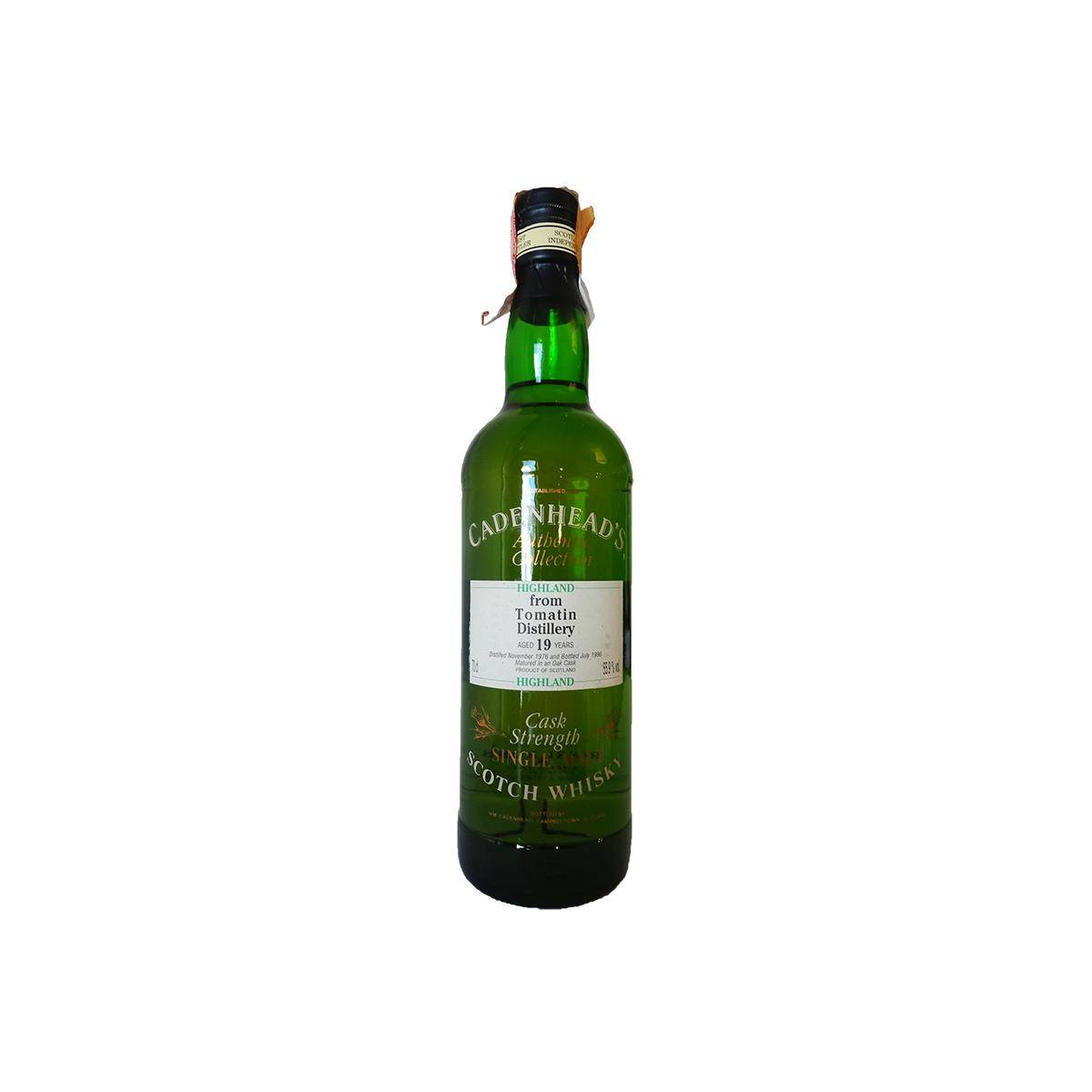
Tomatin Authentic Collection 1976 19 Years Single Malt Whisky
Tomatin
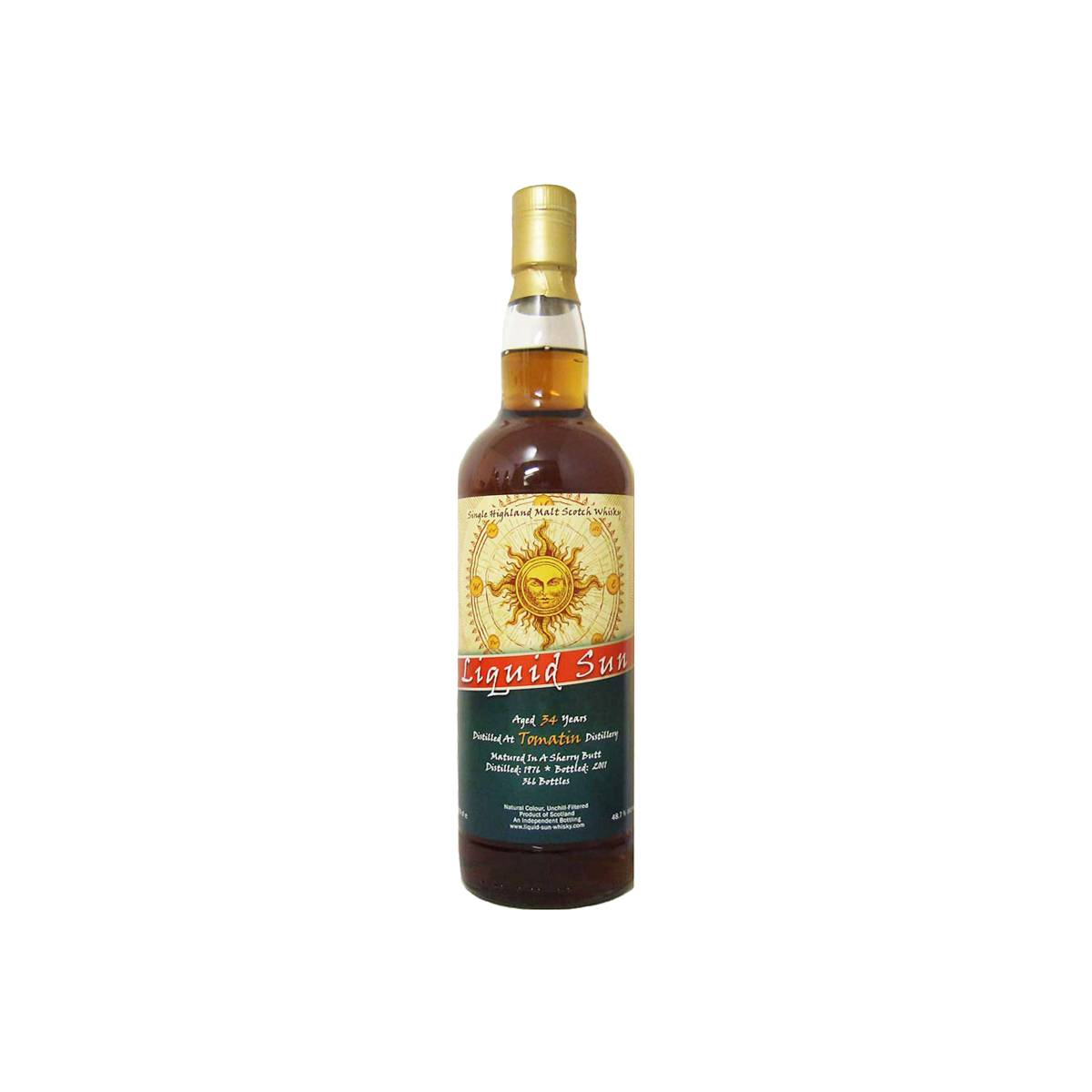
Tomatin 1976 34 Years Single Malt Whisky
Tomatin
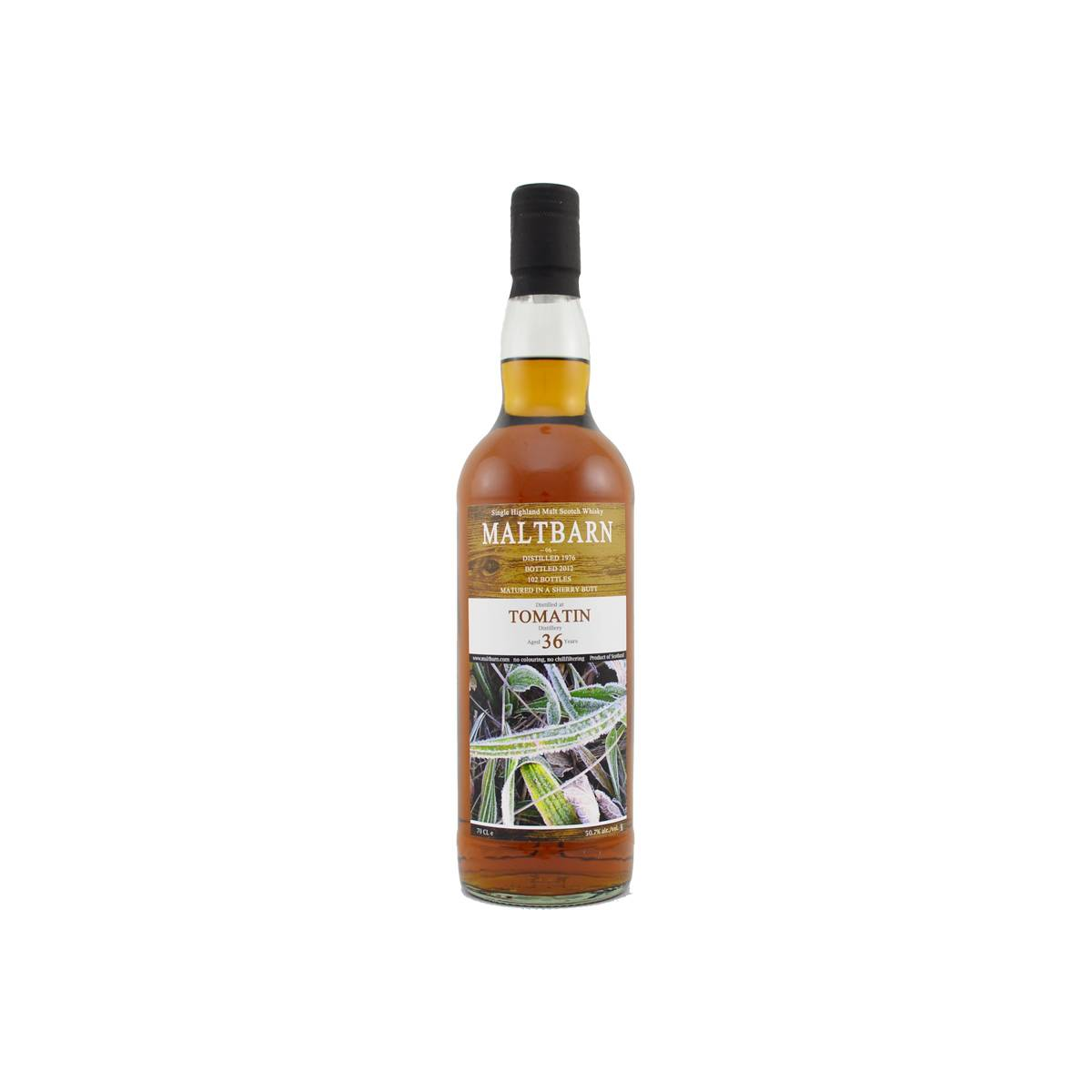
Tomatin 1976 36 Years Single Malt Whisky
Tomatin
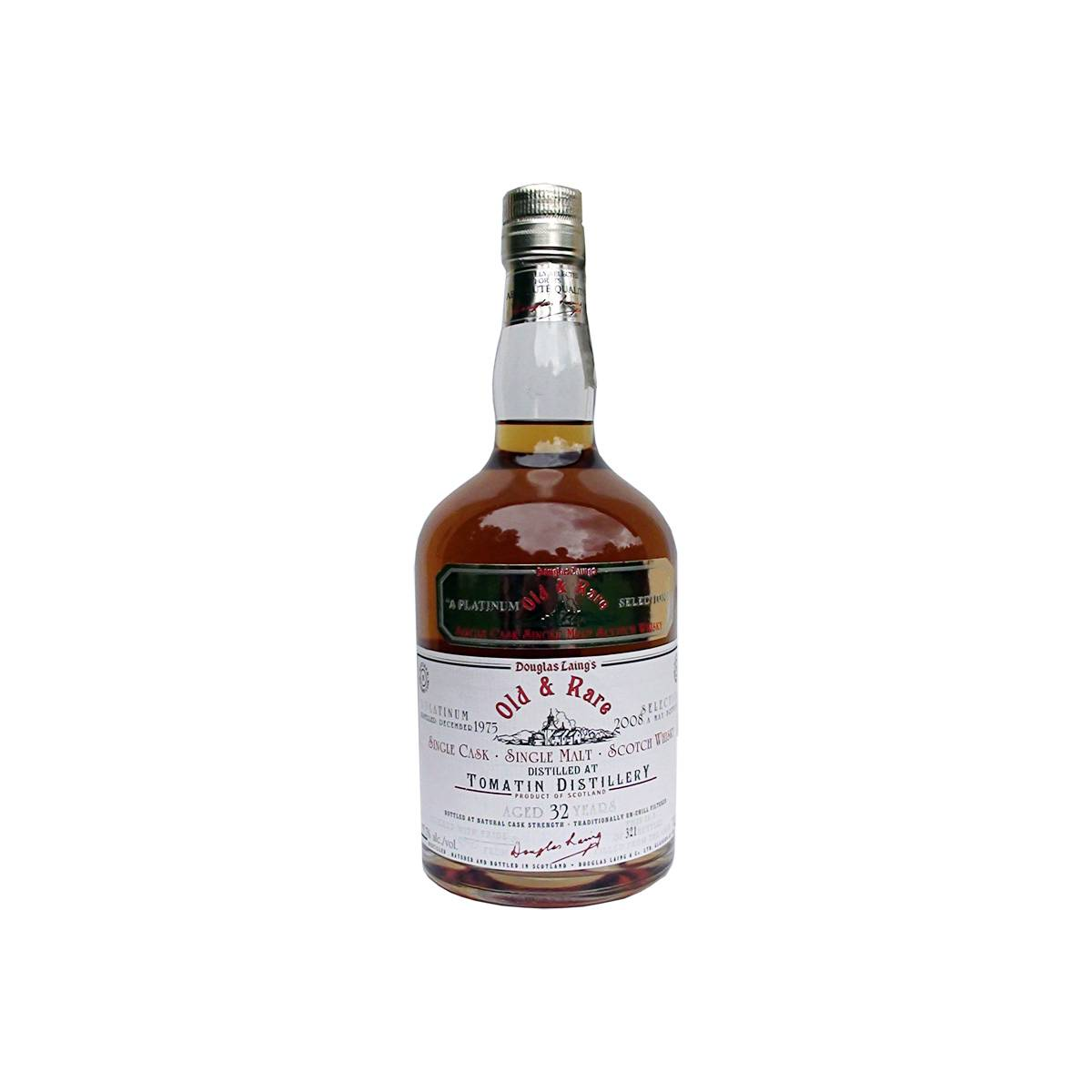
Tomatin 1975 32 Years Single Malt Whisky
Tomatin
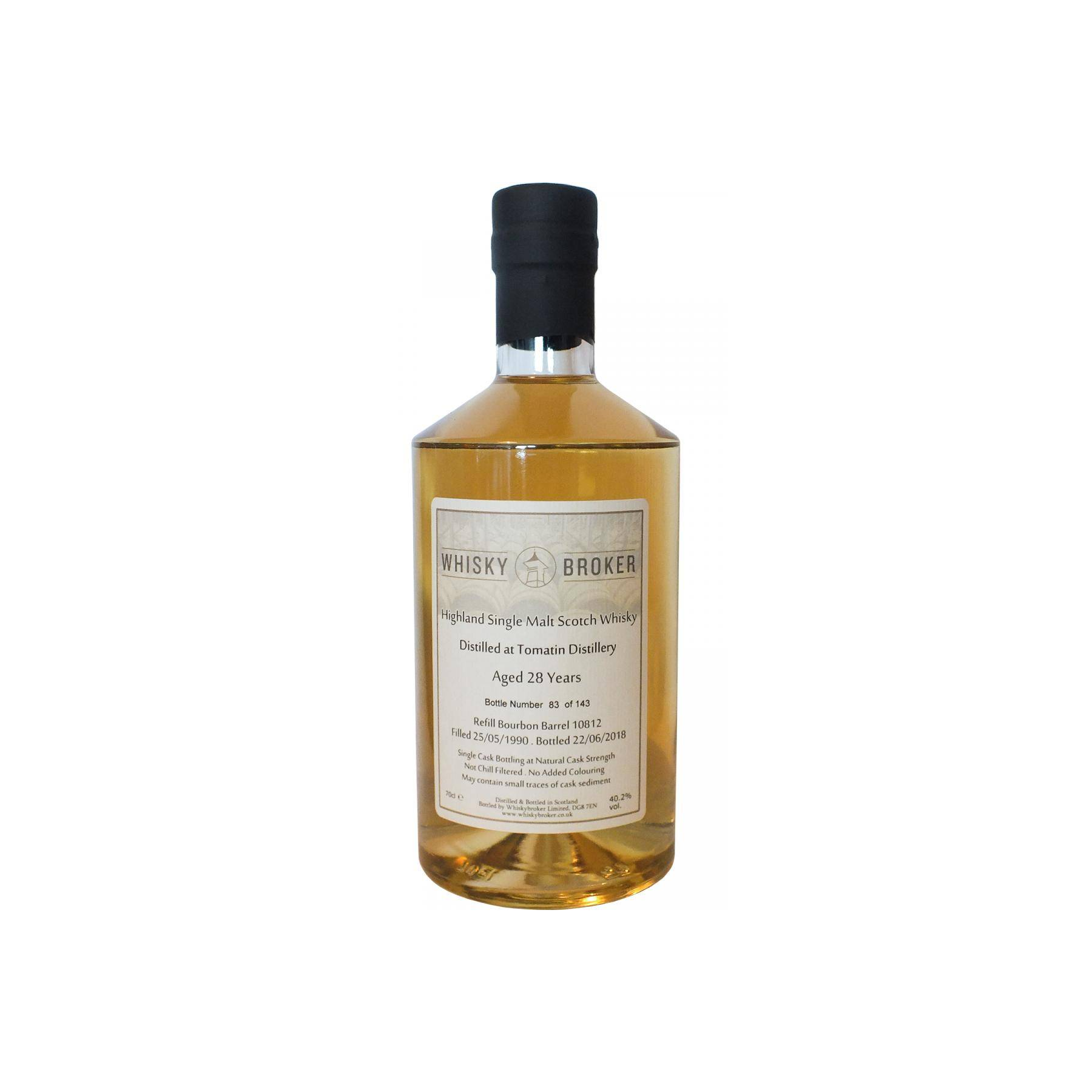
Tomatin 1990 28 Years Single Malt Whisky
Tomatin
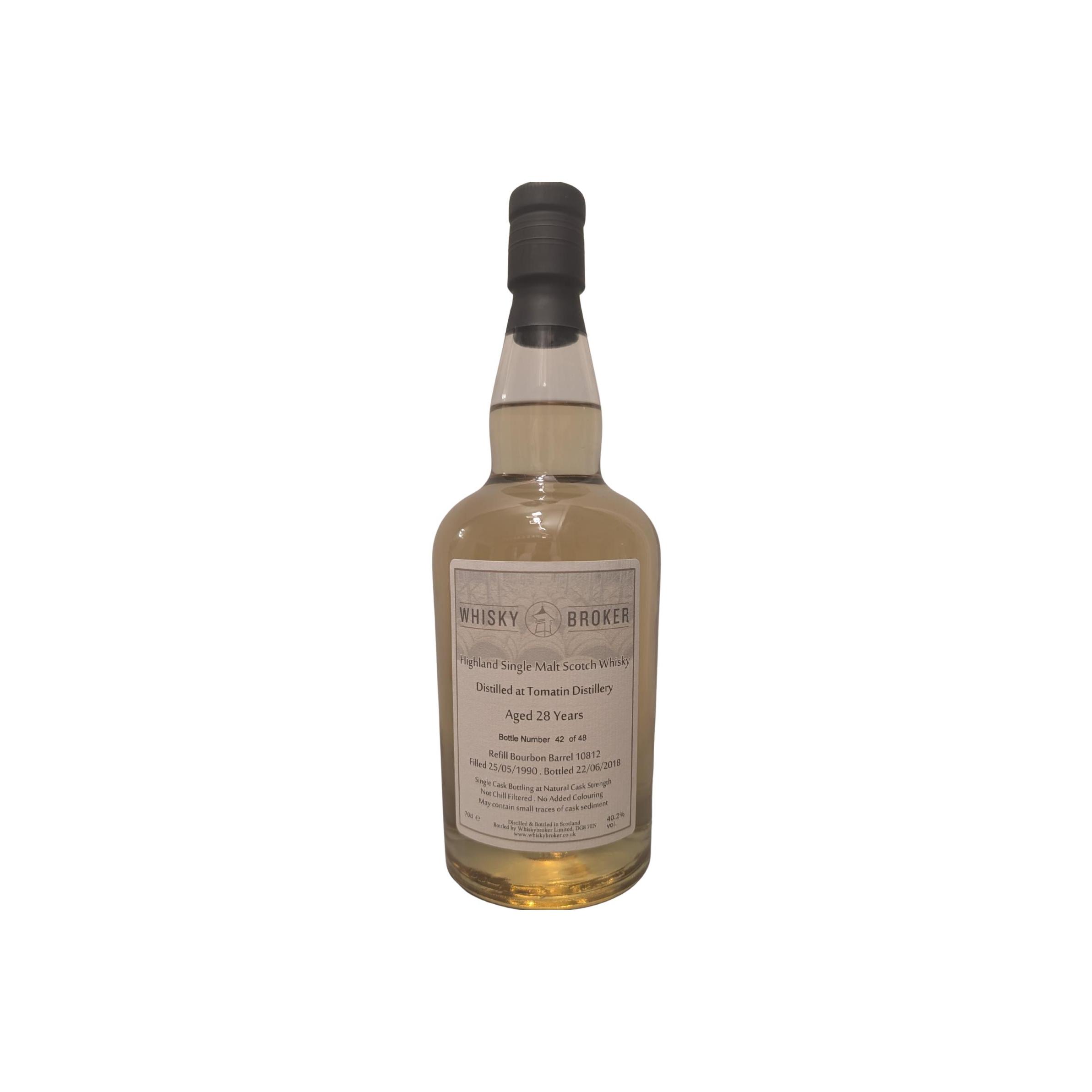
Tomatin 1990 28 Years Single Malt Whisky
Tomatin
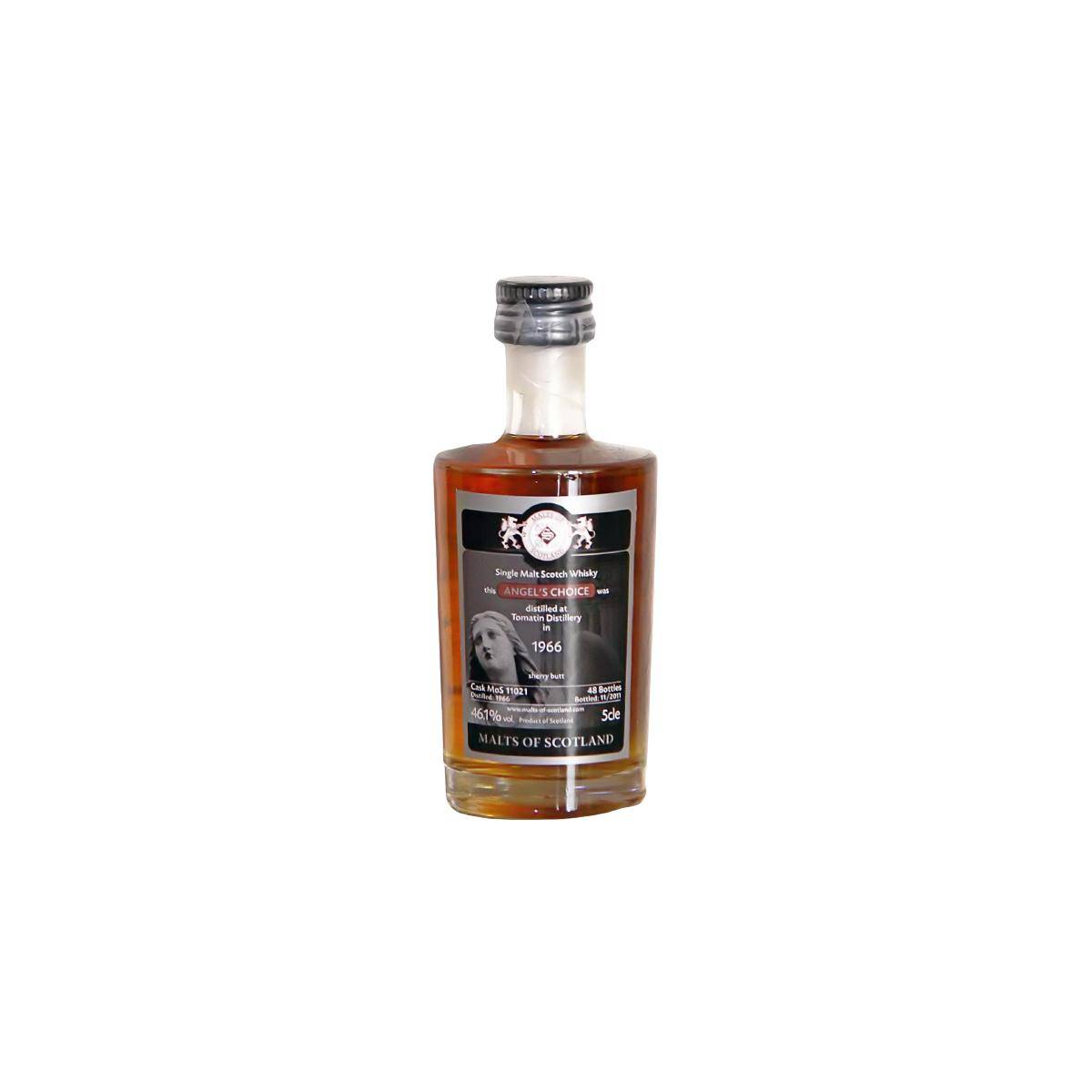
Tomatin 1966 45 Years Single Malt Whisky
Tomatin
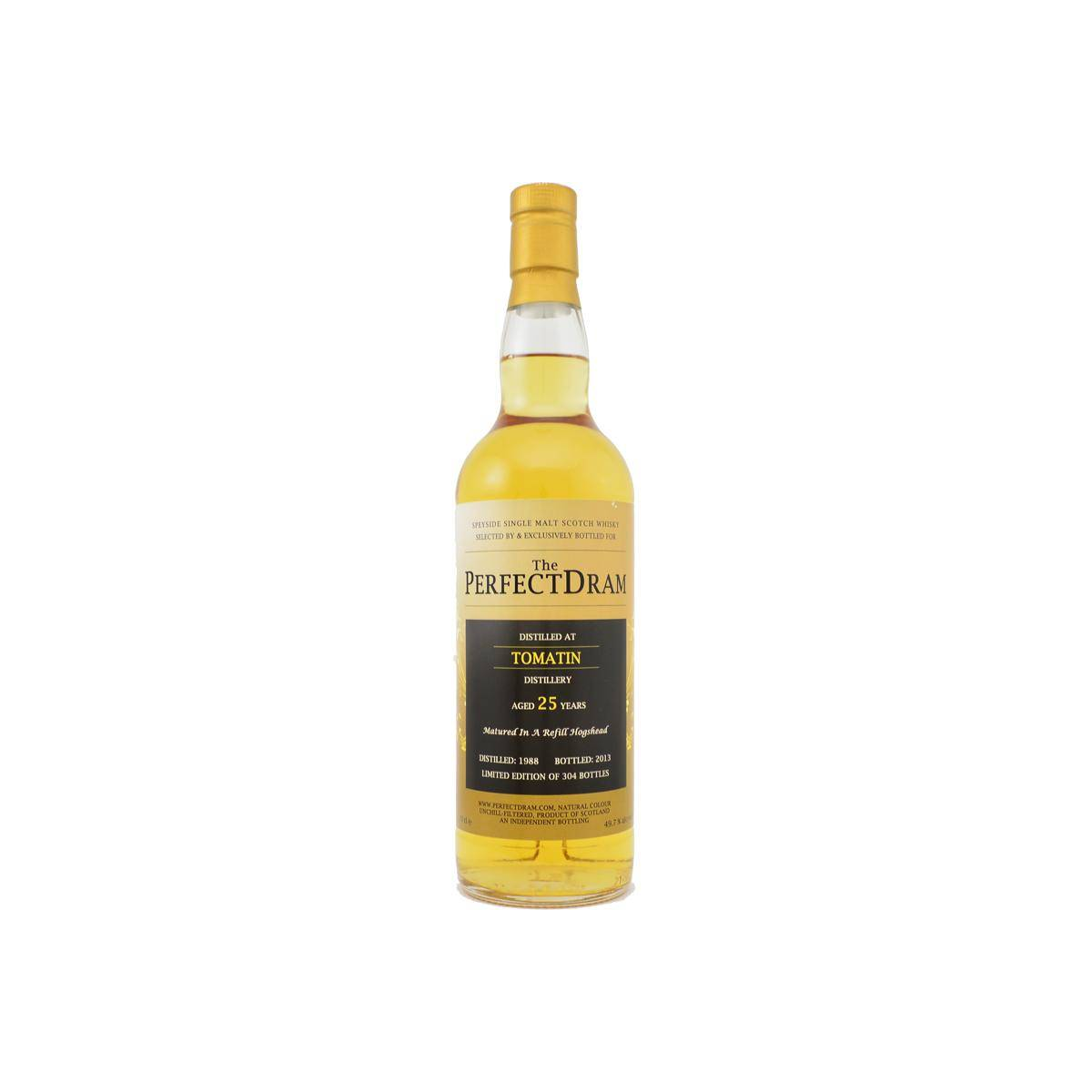
Tomatin 1988 25 Years Single Malt Whisky
Tomatin
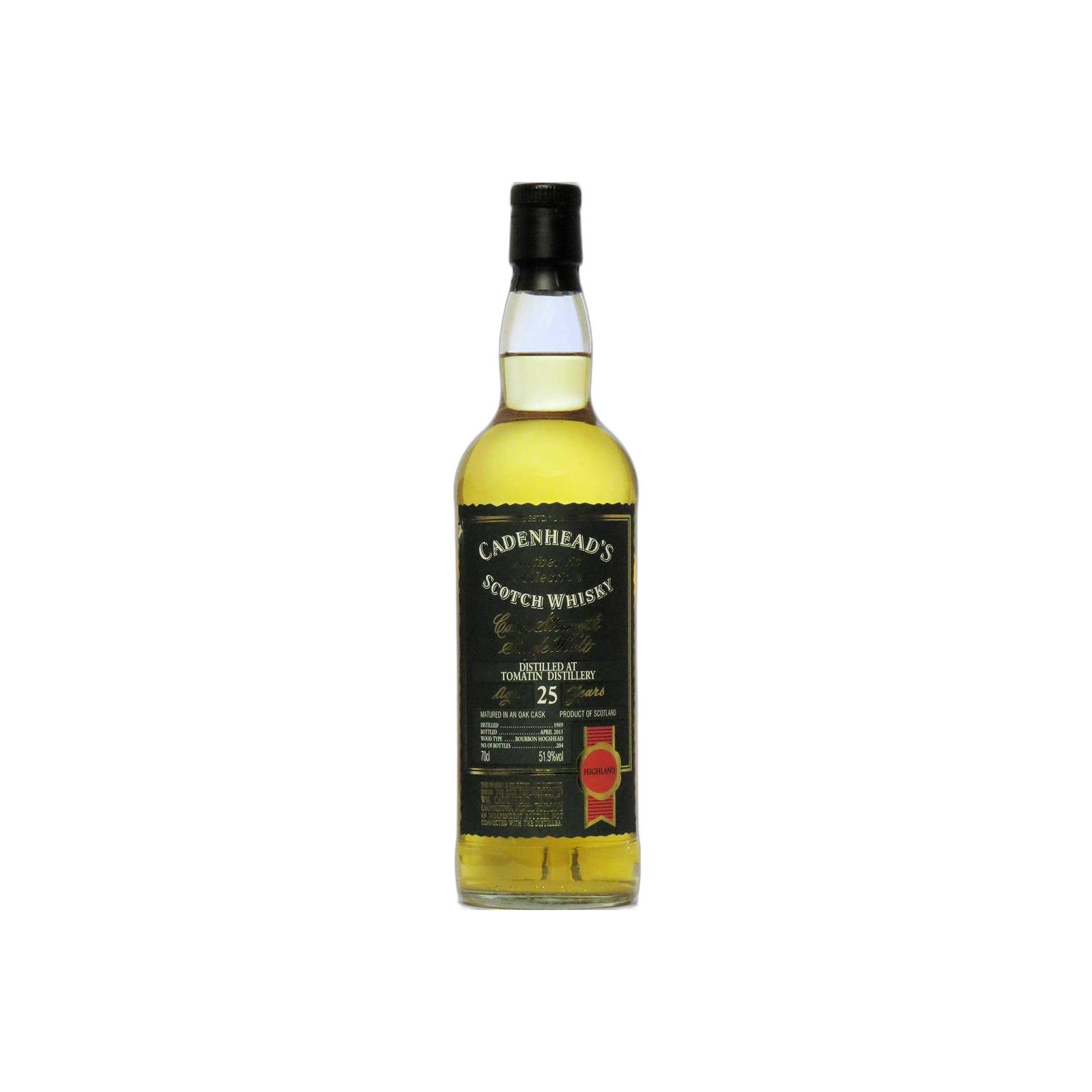
Tomatin Authentic Collection 1989 25 Years Single Malt Whisky
Tomatin
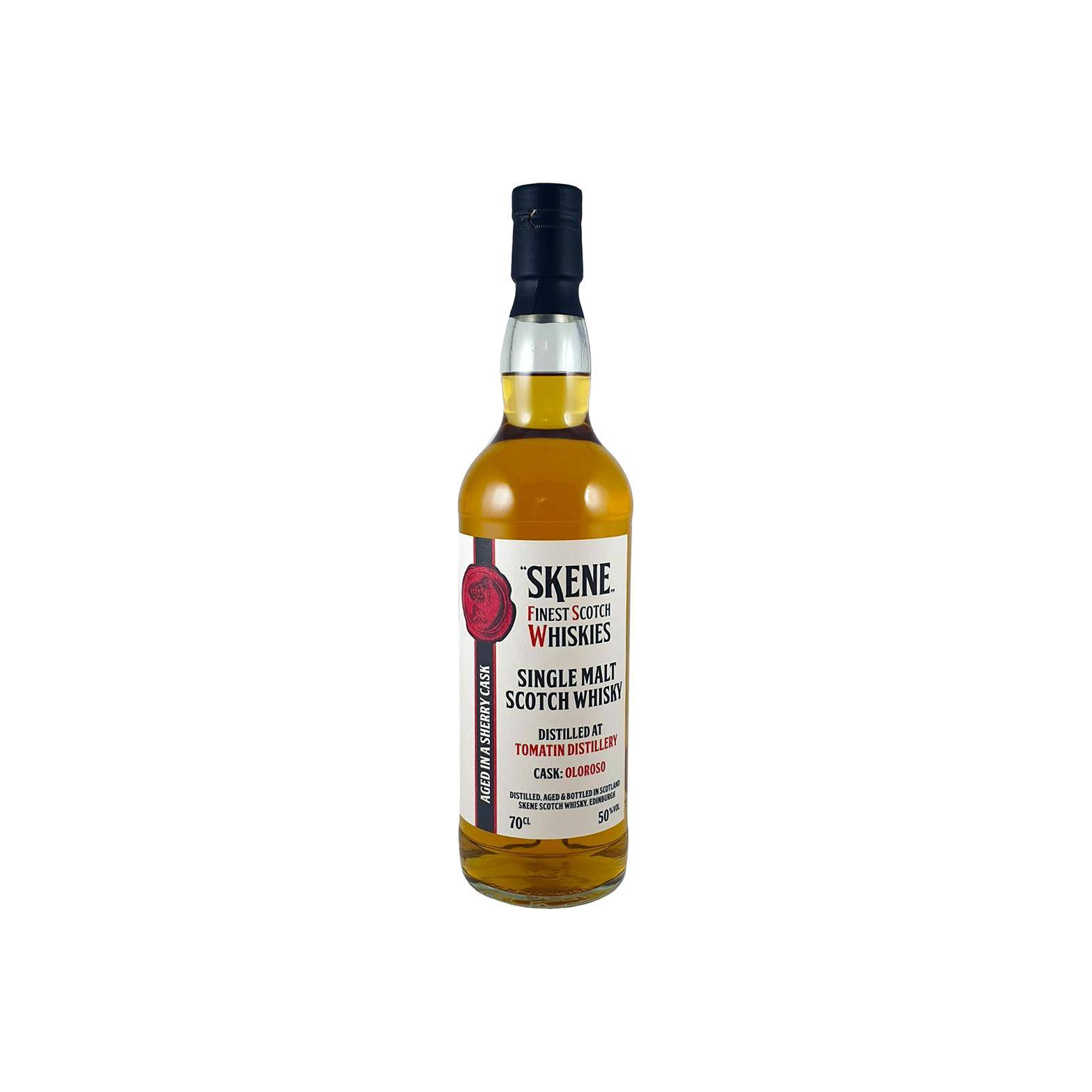
Tomatin 2015 5 Years Single Malt Whisky
Tomatin