

Port Dundas
Port Dundas was a historic Scottish grain whisky distillery located in Glasgow, Scotland. Founded in 1811 on the highest point in the city adjacent to the Forth & Clyde Canal, it merged with the neighboring Cowlairs distillery in 1860, consolidating two Coffey still operations into one of Scotland's largest grain whisky producers. As a founding member of the Distillers Company Limited (DCL) in 1877, Port Dundas played a pivotal role in the evolution of the Scotch whisky industry. The distillery became renowned for its exceptional grain whisky, which formed the backbone of many iconic blended Scotch brands including Johnnie Walker, J&B, and Bell's. Operated by Diageo until its closure in 2010, Port Dundas was one of Scotland's last remaining urban grain distilleries. Though the distillery no longer operates, its remaining stocks of mature grain whisky continue to be highly prized for their smooth, light character with delicate notes of vanilla, toffee, and soft spice, representing a significant piece of Scotland's liquid heritage.
History
Historically, there were three Port Dundas distilleries on the Forth and Clyde Canal in Glasgow. The first was established in 1811, the second in 1813, and the third in 1838. The last one operated for only two years; the first two merged in 1845, when they installed Coffey stills alongside their existing pot stills—until the late 1880s, Port Dundas continued to produce grain whisky in pot stills. Its owner, M. Macfarlane & Company, was established in 1877 as successor to one of the founders, Daniel Macfarlane, and joined D.C.L. (Distillers Company Limited) upon its founding. At that time, the distillery had three Coffey stills and five pot stills, one of which was the largest in the industry. When Alfred Barnard visited a decade later, it was the largest in the United Kingdom, covering nine acres with a production capacity of 12 million liters of pure alcohol. The distillery was devastated by a major fire in 1903, rebuilt in 1914, and equipped with a new drum malting plant housed within one of Europe's earliest reinforced concrete structures (closed and demolished in 1983). In 1916, Warehouse No. 6 burned down, seriously damaging the distillery and destroying 12,000 casks of whisky. In 1966, the distillery transferred to Scottish Grain Distillers and underwent major modernization in the 1970s at a cost of £10 million, doubling its capacity. As the site expanded to 25 acres, the owners also acquired nearby maltings and feed plants. In 1977, a high-efficiency grain processing plant replaced the old equipment, and a CO2 recovery unit (CO2 being a by-product of fermentation) was installed. At this time, Port Dundas was D.C.L.'s flagship grain distillery. In 1992, the license was transferred to United Malt and Grain Distillers, a subsidiary of U.D. The distillery closed in 2009, and the site has since been cleared.
Curiosities
Port Dundas (the location of Port Dundas distillery) was part of the Forth and Clyde Canal project completed in 1790, named after Sir Lawrence Dundas, Chairman of the canal company. The distillery was built on the north bank of the canal and made full use of the canal and nearby railway line for freight transport. The canal closed in the 1960s (some sections have reopened in recent years for leisure use), after which all raw materials were transported by road.
Timeline
Port Dundas distillery originally established
Distillery batch-installed Coffey stills to increase production capacity
Distillery merged with neighboring Cowlairs distillery
Distillery became a founding member of DCL
Distillery became Scotland's largest distillery by distillation volume at one point
Distillery suffered a major fire
Distillery suffered another major fire
Distillery merged into grain whisky production line
Diageo's grain distillation primarily shifted to Cameronbridge distillery, Port Dundas closed
Hot Search Whiskies
Showing top 10
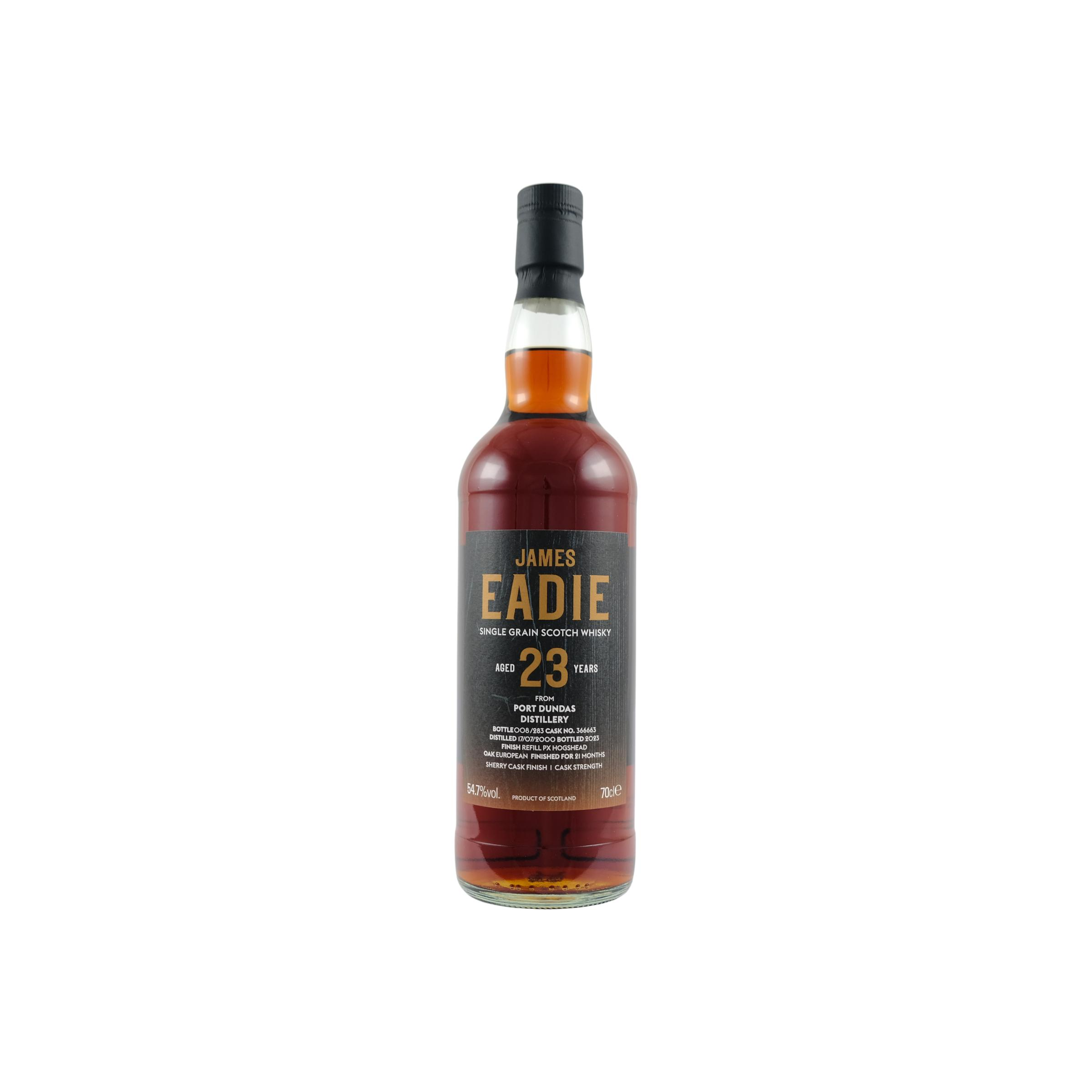
Port Dundas 2000 23 Years Single Grain Whisky
Port Dundas
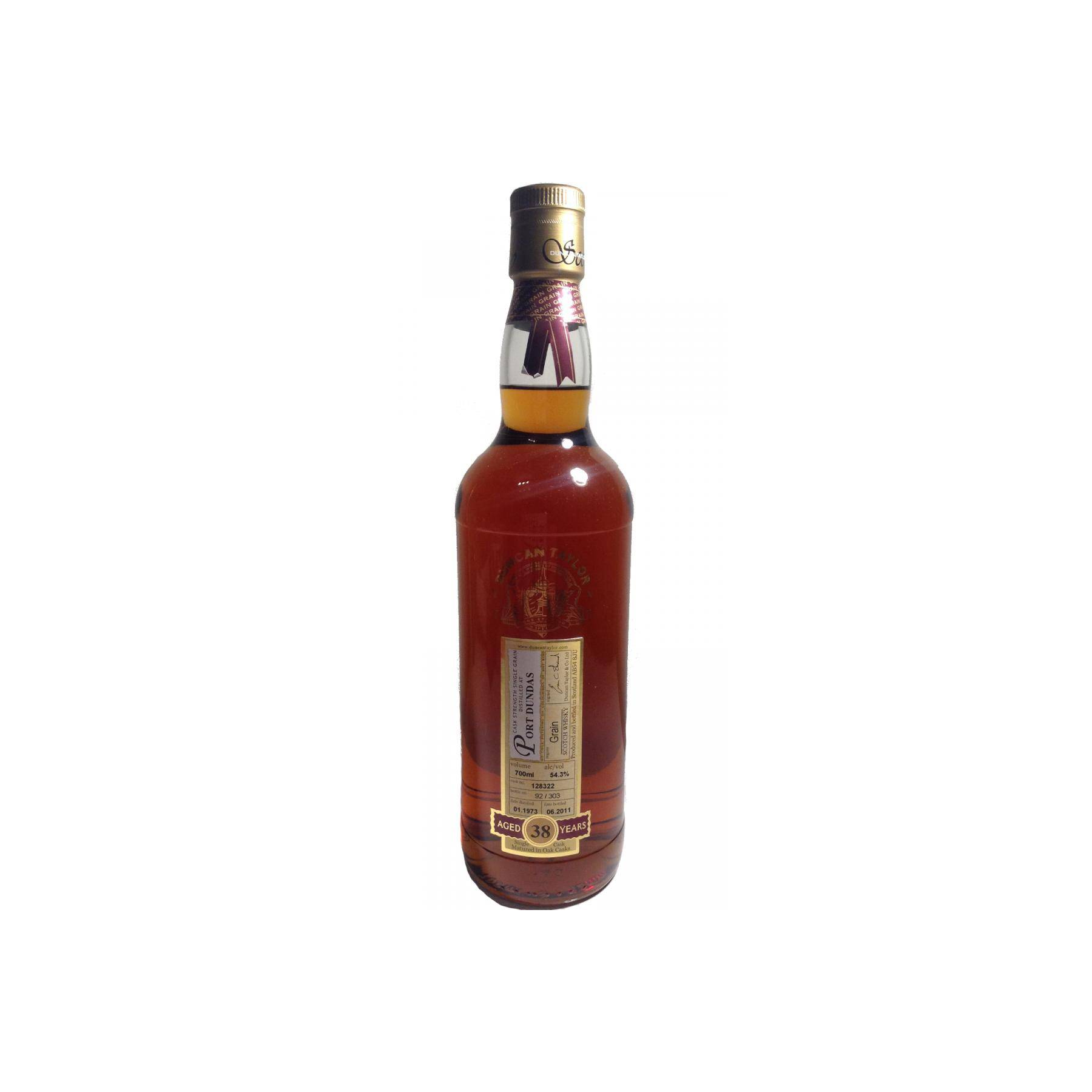
Port Dundas Rare Auld 1973 38 Years Single Grain Whisky
Port Dundas
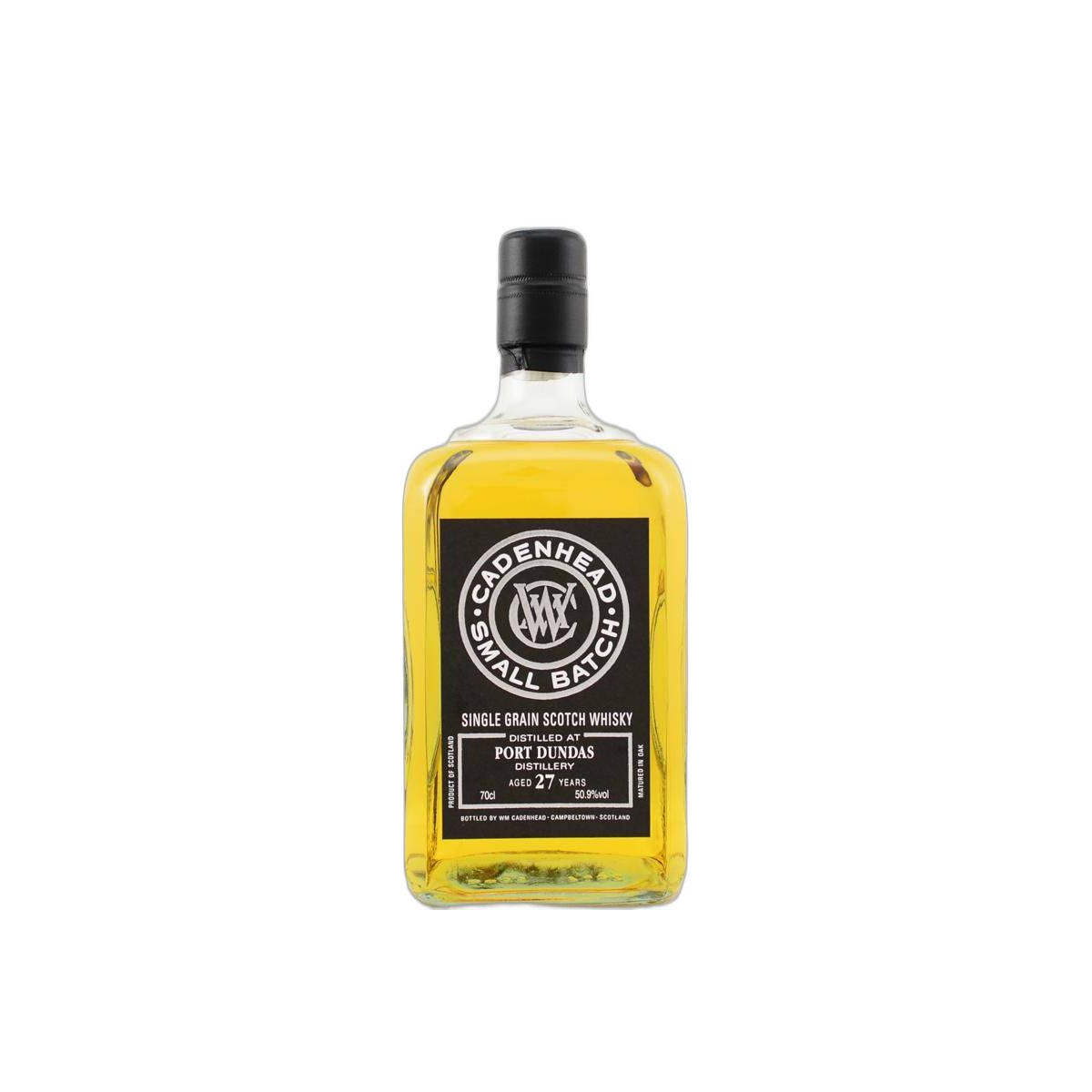
Port Dundas Small Batch 1988 27 Years Single Grain Whisky
Port Dundas
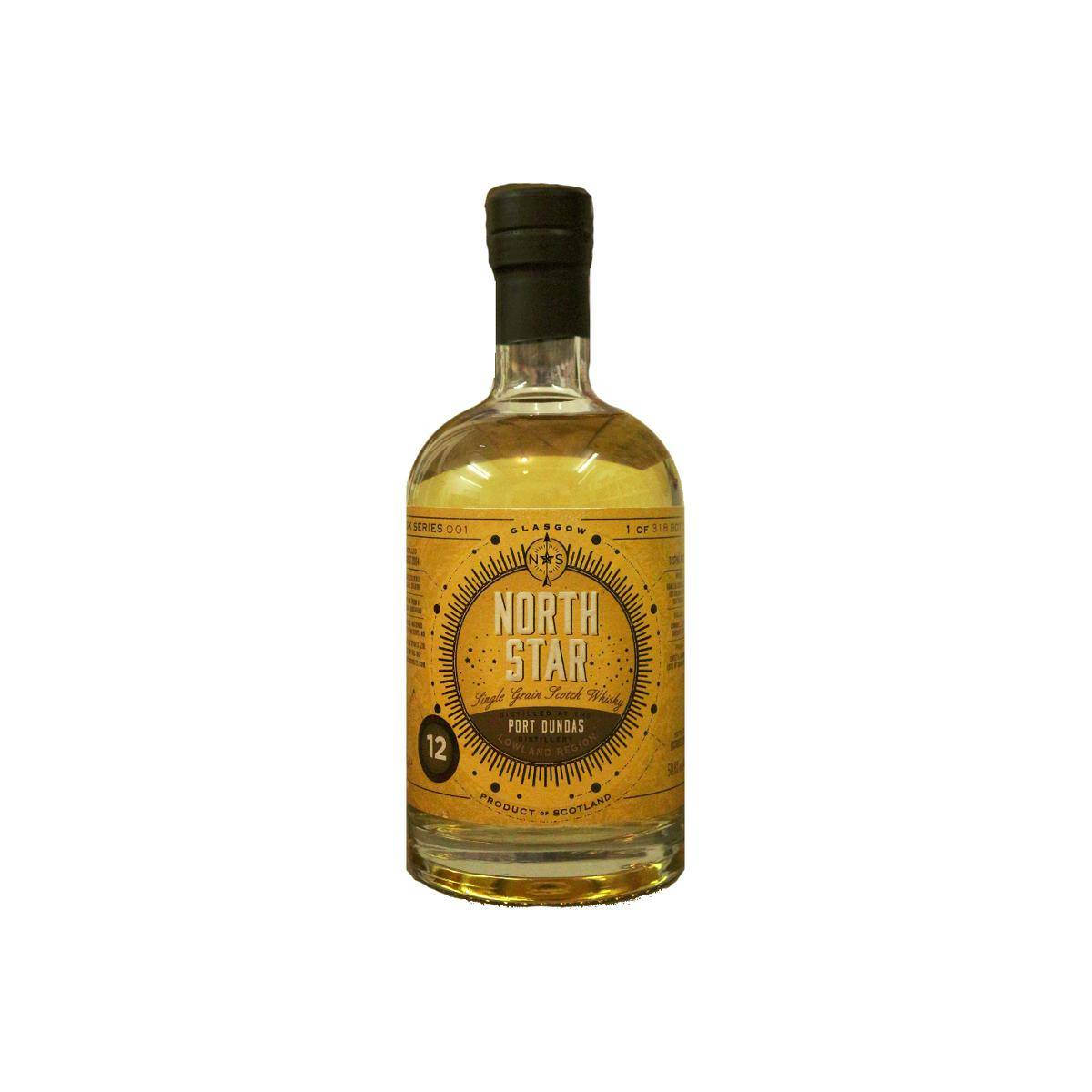
Port Dundas 2004 12 Years Single Grain Whisky
Port Dundas
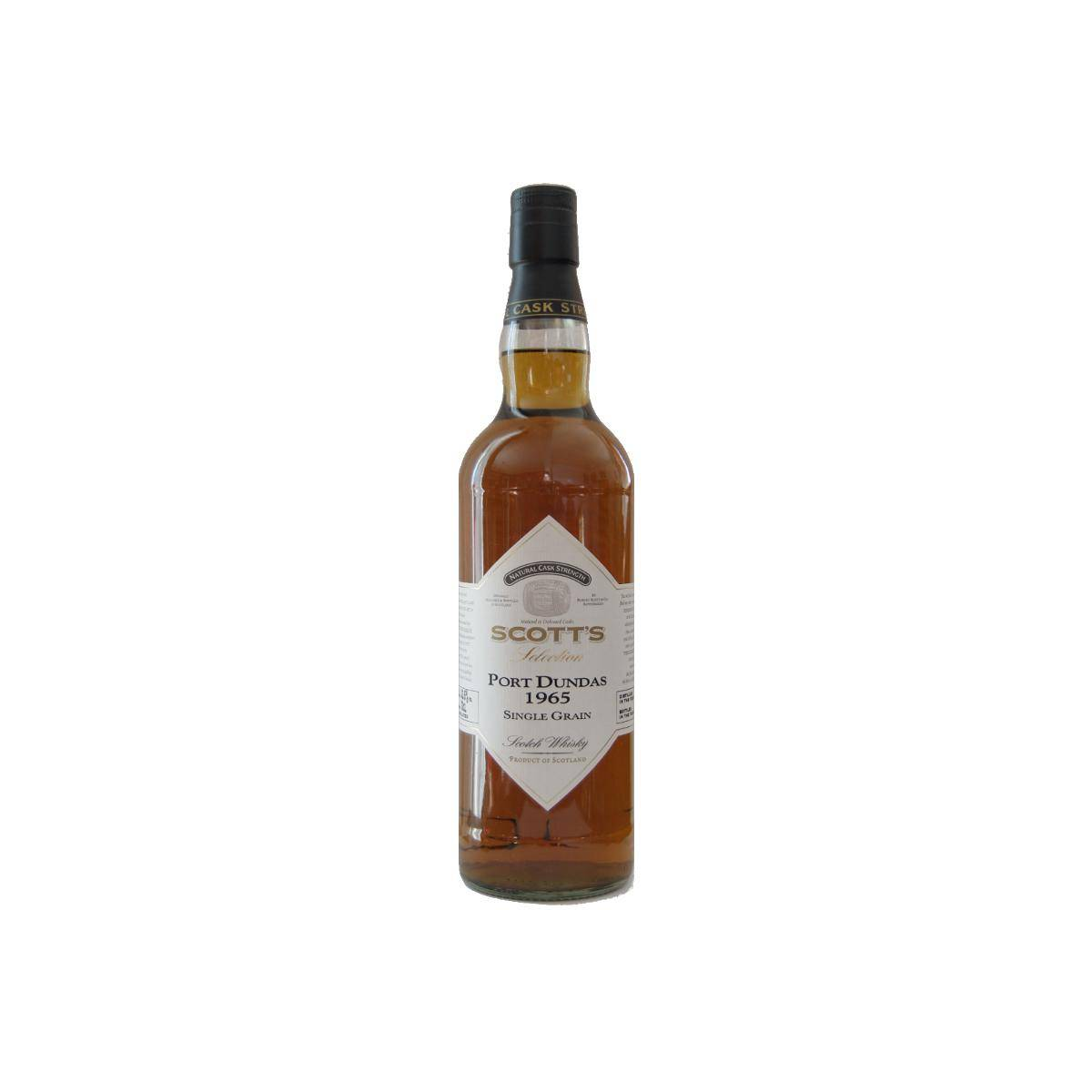
Port Dundas 1965 47 Years Single Grain Whisky
Port Dundas
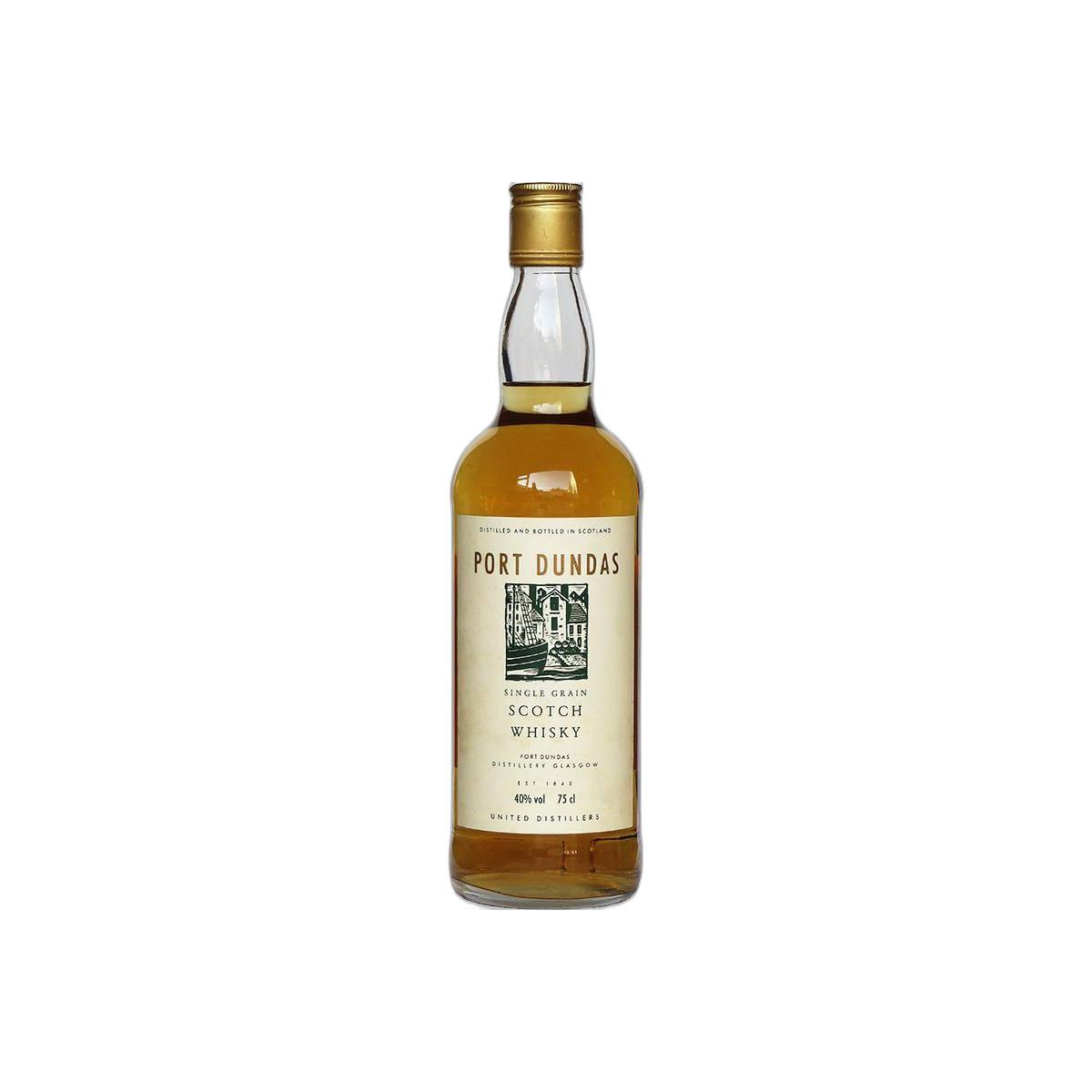
Port Dundas Single Grain Whisky
Port Dundas
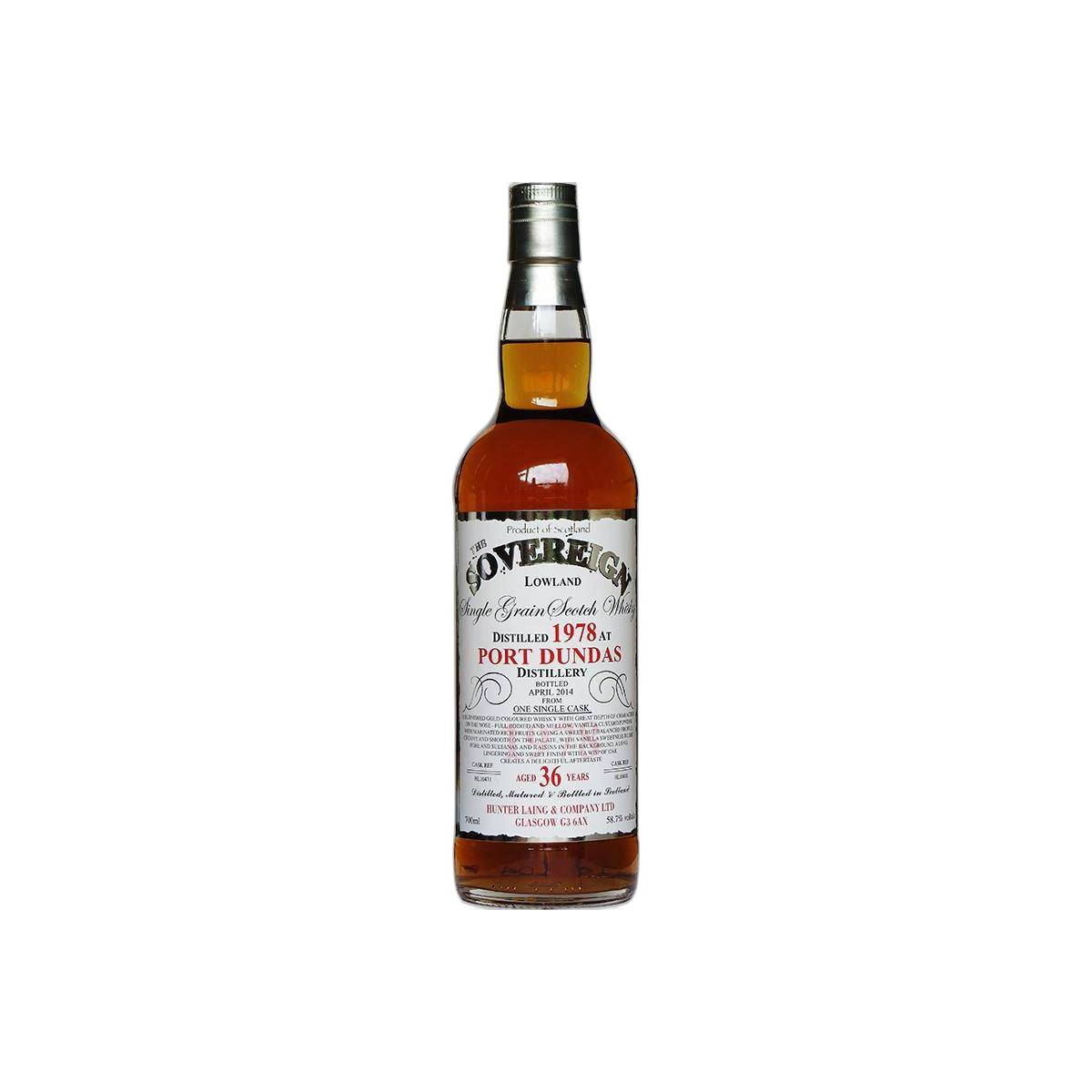
Port Dundas 1978 36 Years Single Grain Whisky
Port Dundas
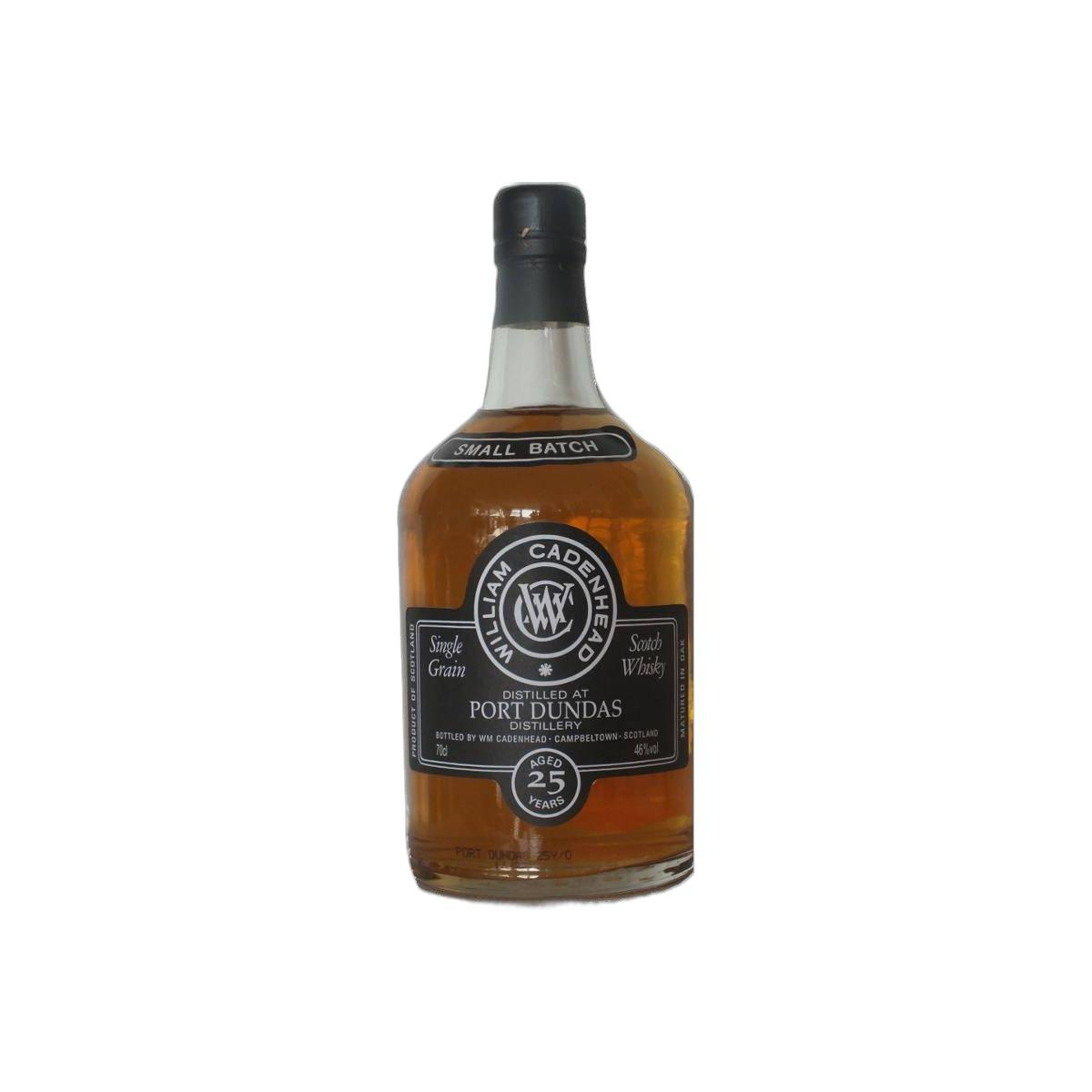
Port Dundas Small Batch 1988 25 Years Single Grain Whisky
Port Dundas
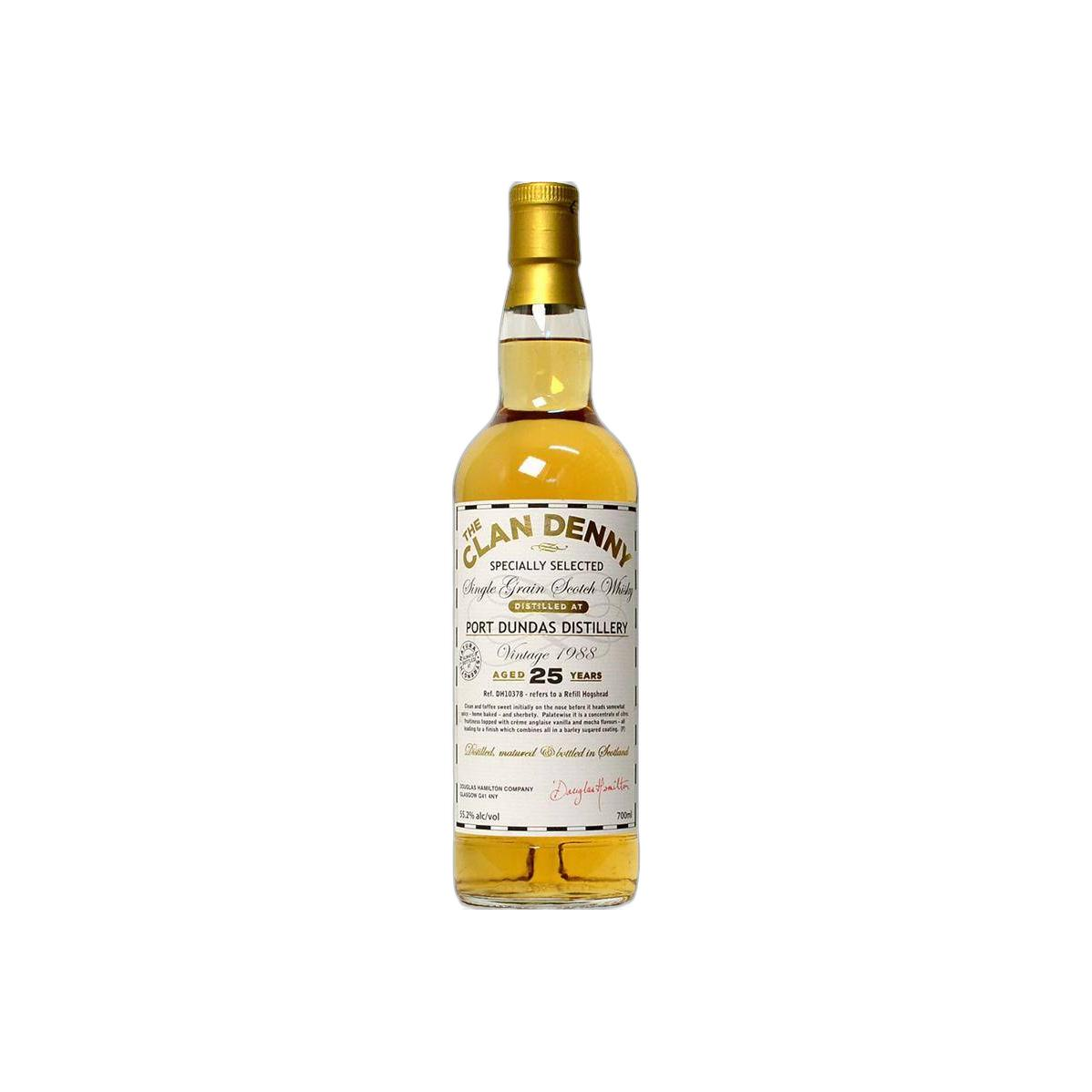
Port Dundas 1988 25 Years Single Grain Whisky
Port Dundas
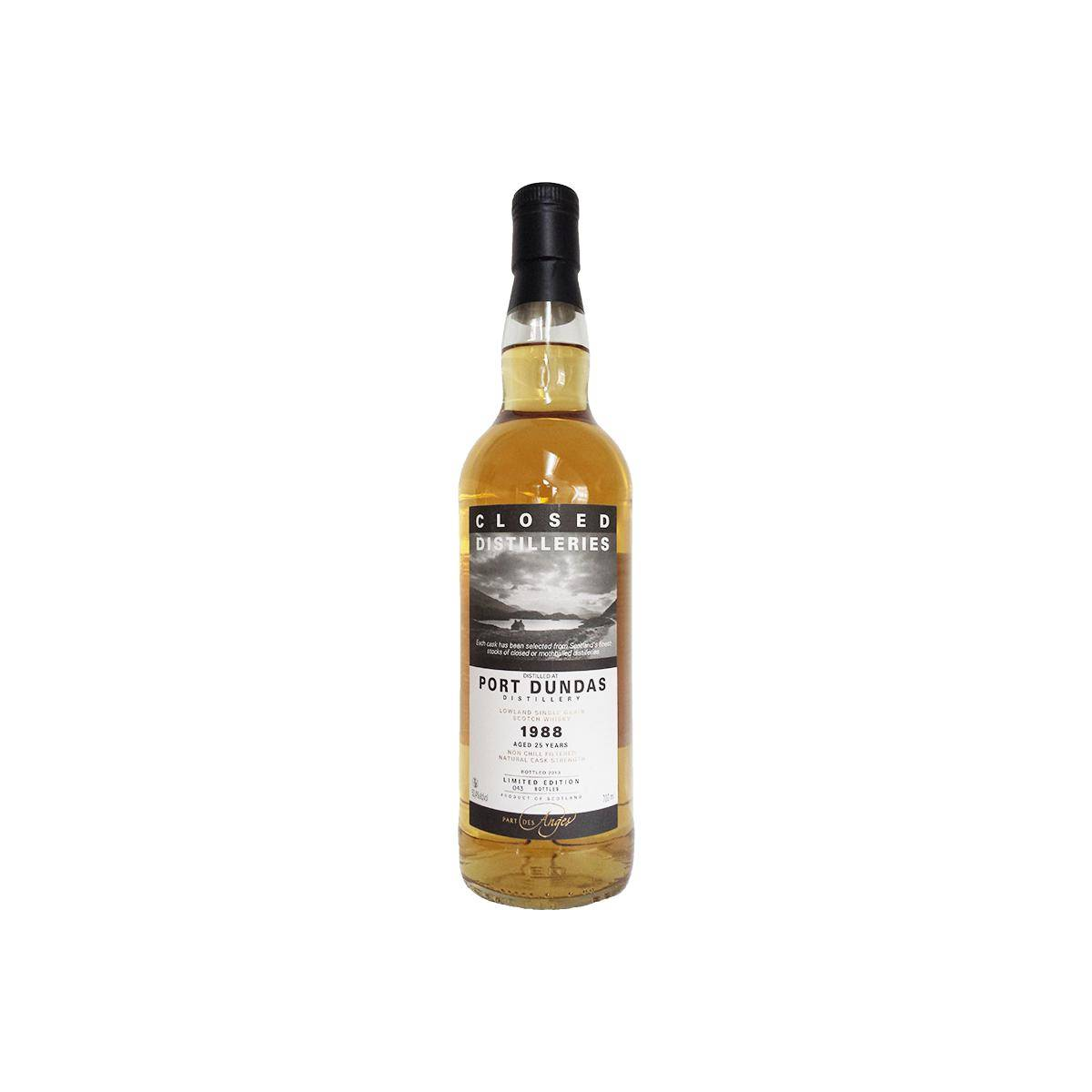
Port Dundas 1988 25 Years Single Grain Whisky
Port Dundas