
Recent changes at Ardmore Distillery demonstrate the complexity of whisky production chains. To reduce environmental impact from distillation residues, Ardmore introduced two new process steps that significantly altered its production model. Between 2015-2016, the distillery installed a pot ale evaporator and wastewater treatment plant. To ensure proper operation, anti-foaming agents could not be used during fermentation. The distillery aimed to produce clearer wort, but this risked foam creation in washbacks, requiring measures to eliminate it. They reduced sugar content by 0.5 tons, decreasing mash tun fill levels, which allowed foam reduction through switchers. Ardmore is equipped with a copper-topped 12-ton cast iron mash filter, 14 Douglas fir washbacks (4 large, 10 small), and 4 pairs of stills. Currently operating 23 mashes weekly over 7 days, producing 4.3 million liters of new spirit annually. Ardmore is the region's only distillery producing peated whisky using barley with phenol levels of 12-14 ppm. Their earthy Highland peat is sourced from St Fergus. They also produce unpeated Ardlair for 6-7 months annually (approximately half their output). Ardlair's fermentation time is 70 hours versus Ardmore's standard 55 hours. Ardmore supplies base whisky for Teacher's blended whisky while producing its own single malt range, including Legacy (80% peated/20% unpeated), 12-year-old, and 4-year port cask finish. In 2015, Ardmore released Tradition and Triple Wood (no age statement) exclusively through duty-free, with Triple Wood matured in bourbon, quarter, and sherry casks. 2017 saw a 20-year-old release matured in first-fill and refill bourbon casks, followed by a second batch and 30-year-old expression in 2018.
History
Ardmore is the core malt for Teacher's blended whisky, built by Adam Teacher (the founder's son, who died shortly before the distillery's completion) between 1897 and 1898. This was the family's first venture into distilling to continuously supply suitable whisky for their successful 'Highland Cream' brand launched in 1884. The company would later acquire Glendronach Distillery (1960). The distillery is located deep in the Aberdeenshire countryside, between the historic villages of Spynie and Kennethmont, adjacent to the Inverness-Aberdeen railway line with a branch line to the distillery (now abandoned). In 1955, the distillery's capacity doubled to 4 stills, increasing to 8 in 1974. Direct fire distillation using coal continued until 2002. The original steam engine that provided power is still operational. Saladin boxes were used for malting until 1976. In 1976, William Teacher & Sons was acquired by Allied Breweries. The new owners never released Ardmore as a single malt, only selling small quantities to Gordon & Macphail and Cadenhead's. In 2006, when Allied was sold, the Teacher's brand along with Ardmore and Laphroaig distilleries were acquired by Beam Global (owner of Jim Beam bourbon and subsidiary of Fortune Brands). The company's Scottish whisky master Douglas Reid's father worked at Ardmore for many years, and Douglas grew up in the distillery's dormitory. They planned to implement a sustainable policy that would benefit generations, 'based on local knowledge, skills, and experience passed down through generations.' How wise! In March 2014, Japanese distiller Suntory (owner of Bowmore and other companies) acquired Beam Global for £9.8 billion, including Teacher's, Ardmore, Laphroaig, Maker's Mark, and Canadian Club.
Curiosities
Ardmore Highland whisky features an unusual peat phenol level of approximately 12-14ppm. The peat originates from Saint Fergus in Banff, with a style distinct from West Coast peat, exhibiting more dry, earthy characteristics. Before the invention of the cork press by William Manera Bergius, nephew of Adam Tichy, all whisky bottles required a bottle opener to access, much like today's wine bottles. Ardmore is among the last distilleries to maintain coal-fired direct flame heating for its stills. It wasn't until 2002 that they abandoned direct flame distillation in favor of indirect steam heating. Ardmore and its sister distillery Laphroaig pioneered aging in 100-liter American oak casks, commonly known as quarter casks.
Timeline
William Teacher's son Adam Teacher began to establish Ardmore distillery.
Stills increased from two to four.
Four more stills were added, bringing the total number of stills to eight.
Allied Breweries company acquired William Teacher & Sons.
To commemorate the distillery's 100th anniversary, Ardmore launched a 12-year-old whisky, and also released a limited edition 21-year-old expression.
Abandoned steam heating process, switched to traditional coal-fired heating for distillation.
Ardmore was one of the last distilleries to abandon direct-fired stills (using coal), switching to steam for indirect heating.
Jim Beam Brands acquired approximately 20 spirits and wine brands from Allied Domecq for $5 billion.
Launched Ardmore Traditional Cask.
Launched a 25-year-old and a 30-year-old whisky.
Jim Beam merged with Suntory. Ardmore launched Legacy.
Ardmore Traditional was renamed to Tradition and re-launched.
Launched a 20-year-old whisky matured in two types of casks.
Launched a 30-year-old whisky.
Hot Search Whiskies
Showing top 10
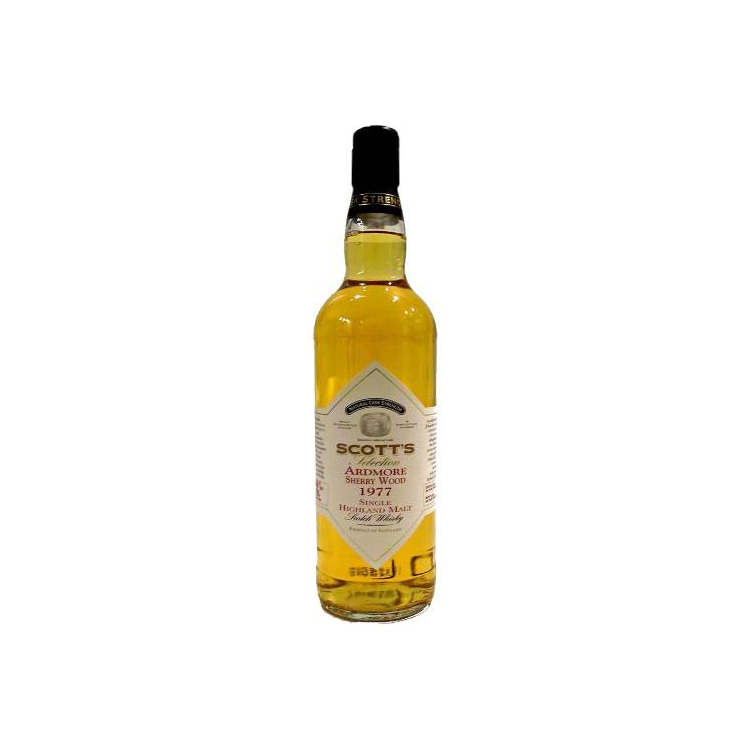
Ardmore 1977 26 Years Single Malt Whisky
Ardmore
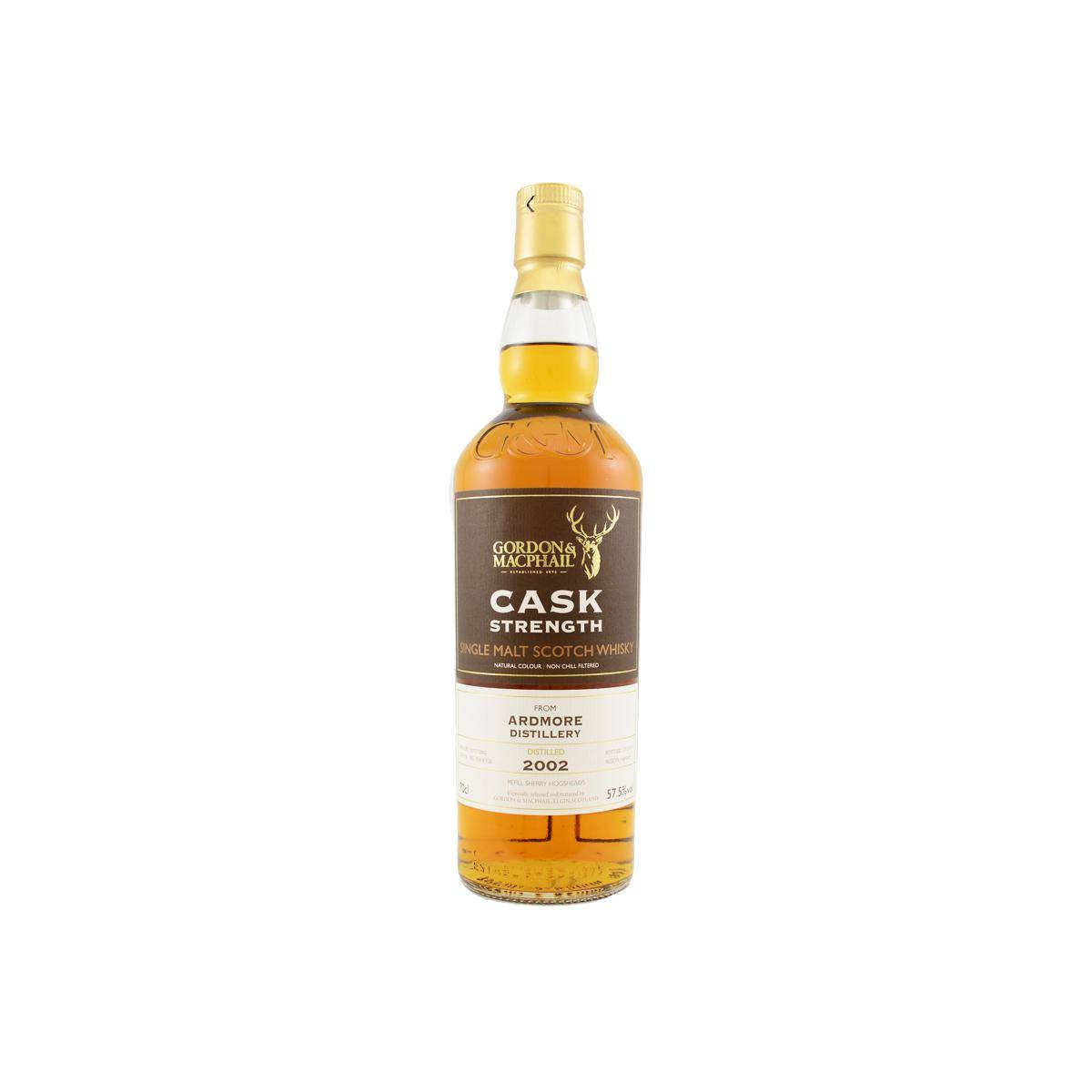
Ardmore Cask Strength Collection 2002 14 Years Single Malt Whisky
Ardmore
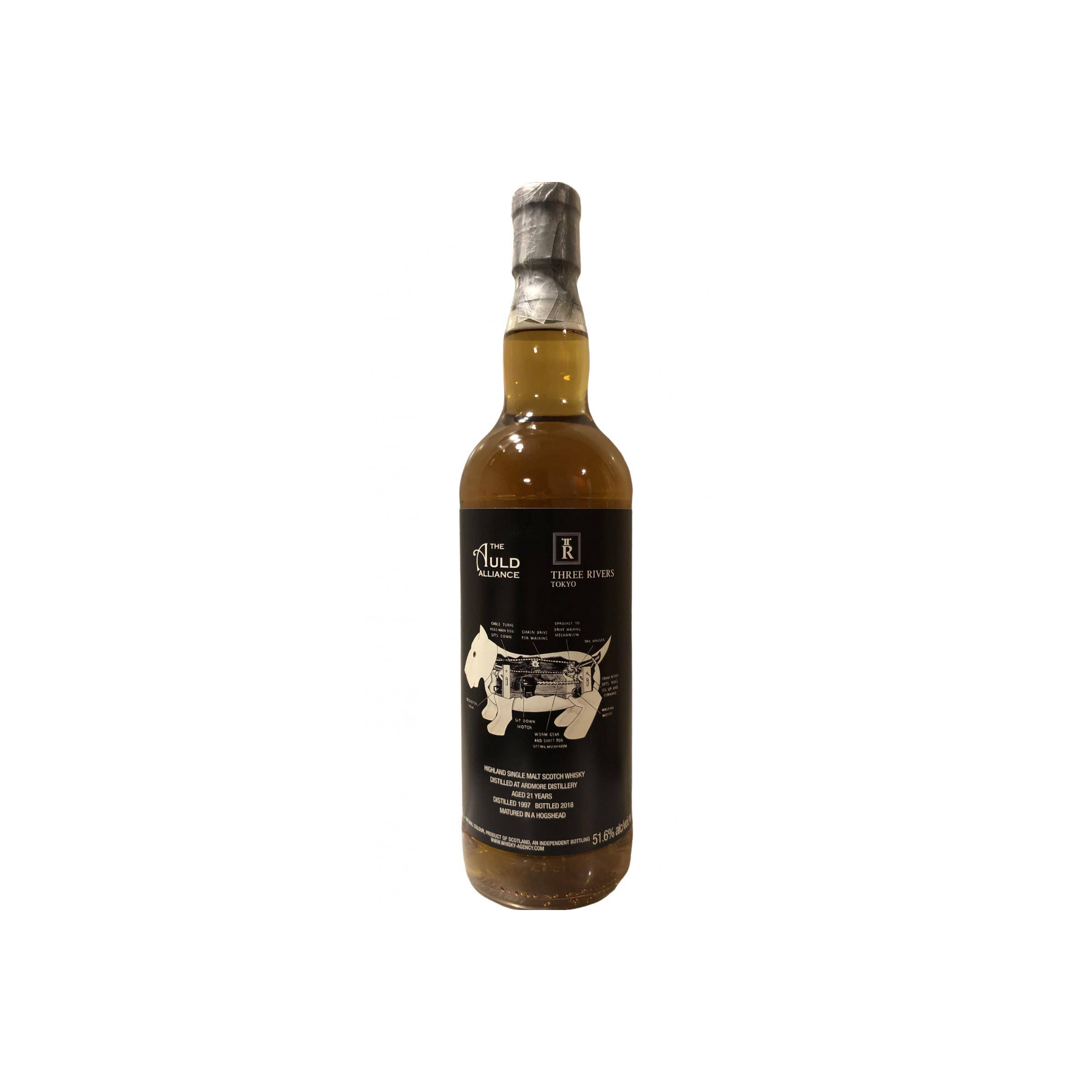
Ardmore 1997 21 Years Single Malt Whisky
Ardmore
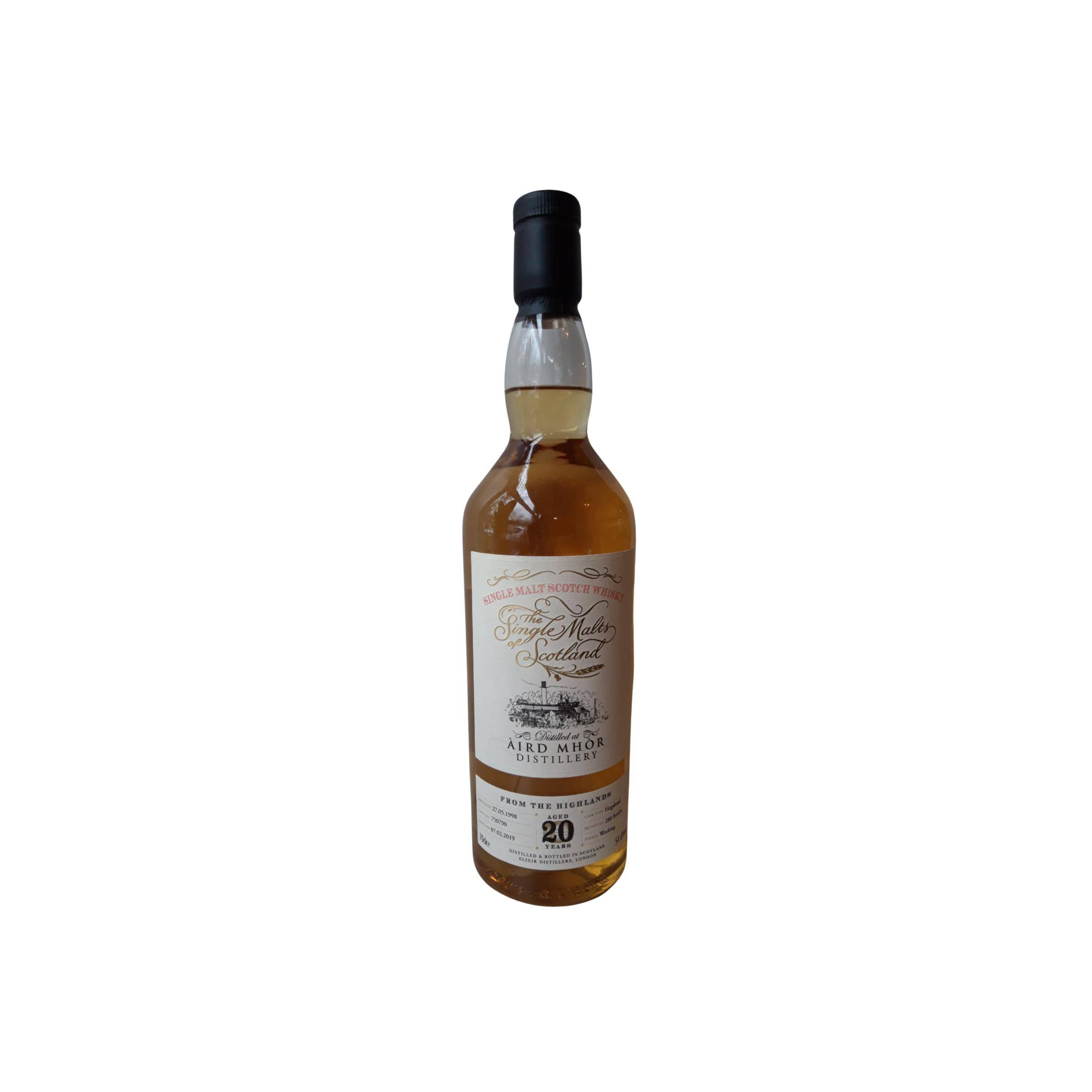
Ardmore The Single Malts of Scotland 1998 20 Years Single Malt Whisky
Ardmore
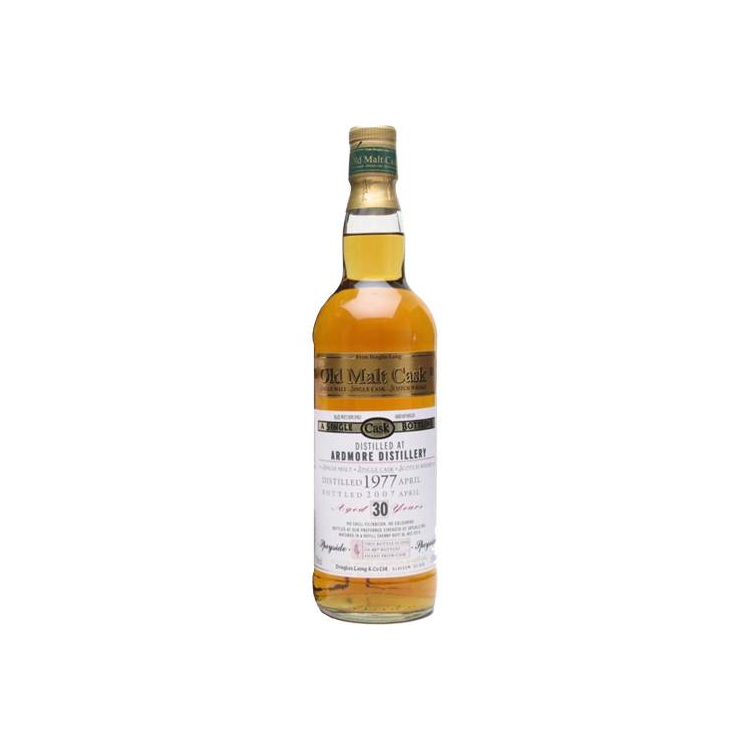
Ardmore Old Malt Cask 1977 30 Years Single Malt Whisky
Ardmore
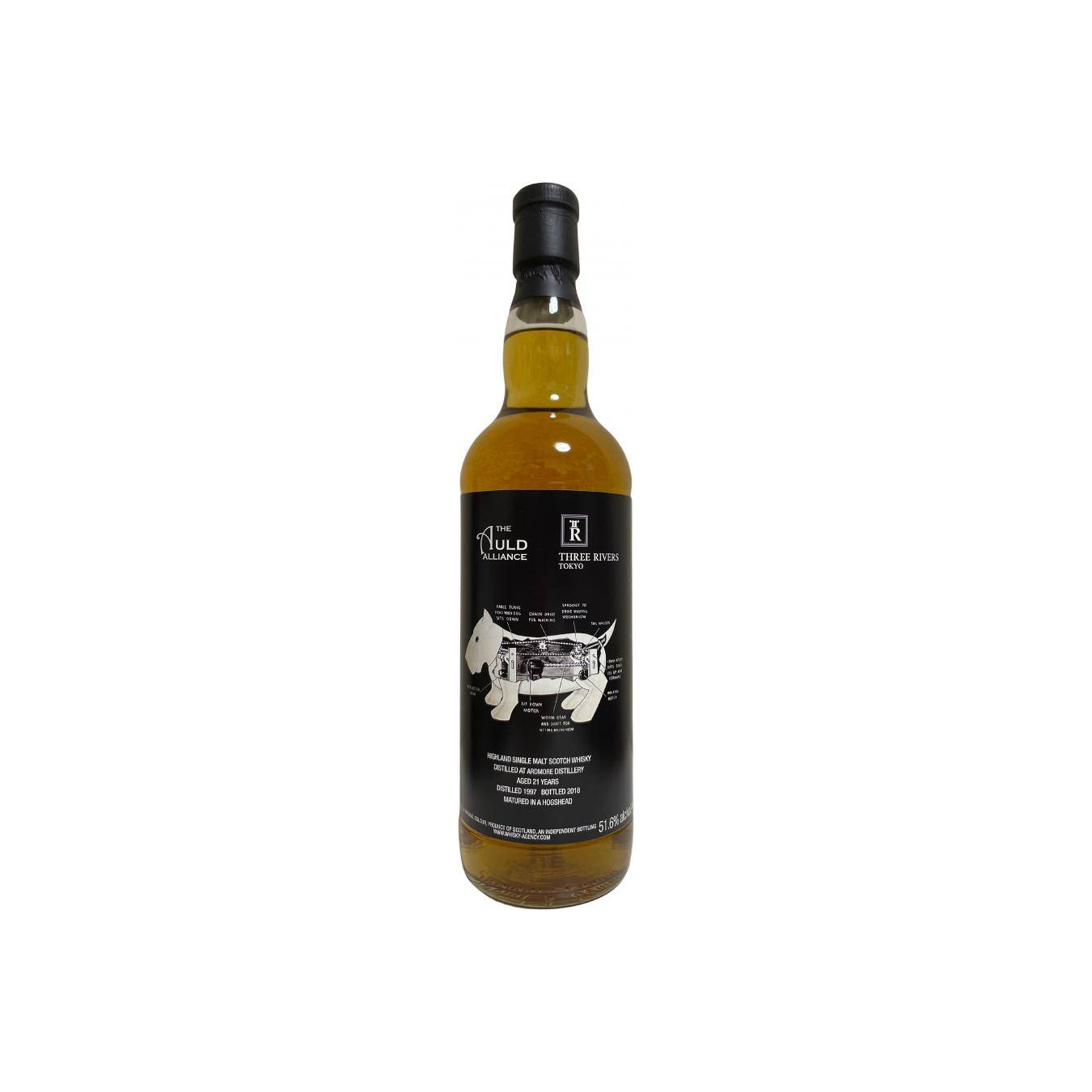
Ardmore 1997 21 Years Single Malt Whisky
Ardmore
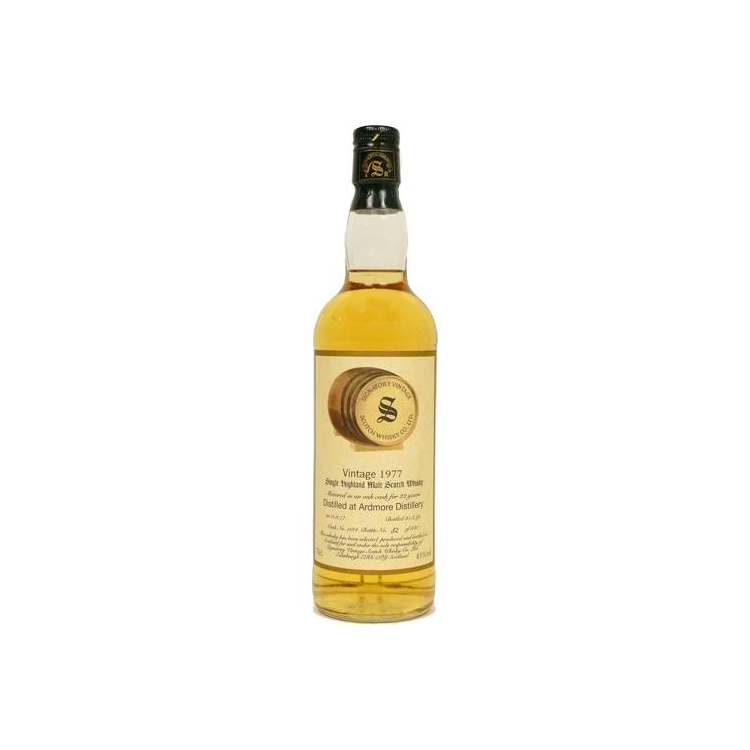
Ardmore Vintage Collection 1977 22 Years Single Malt Whisky
Ardmore
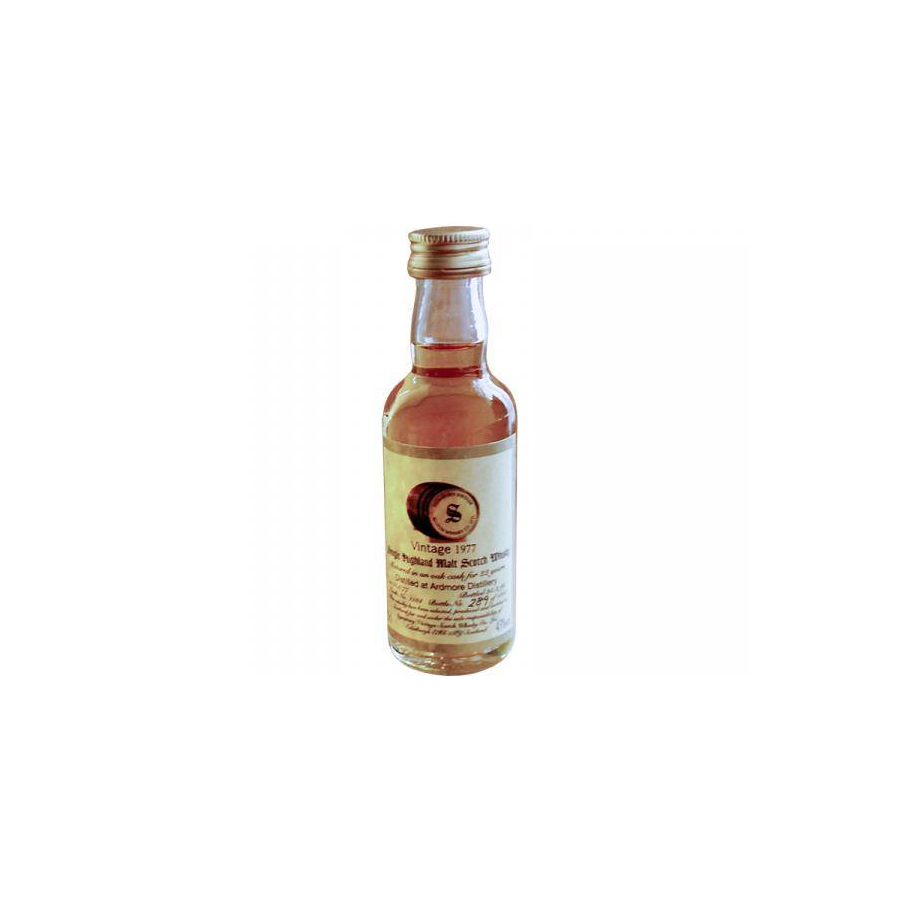
Ardmore 1977 22 Years Single Malt Whisky
Ardmore
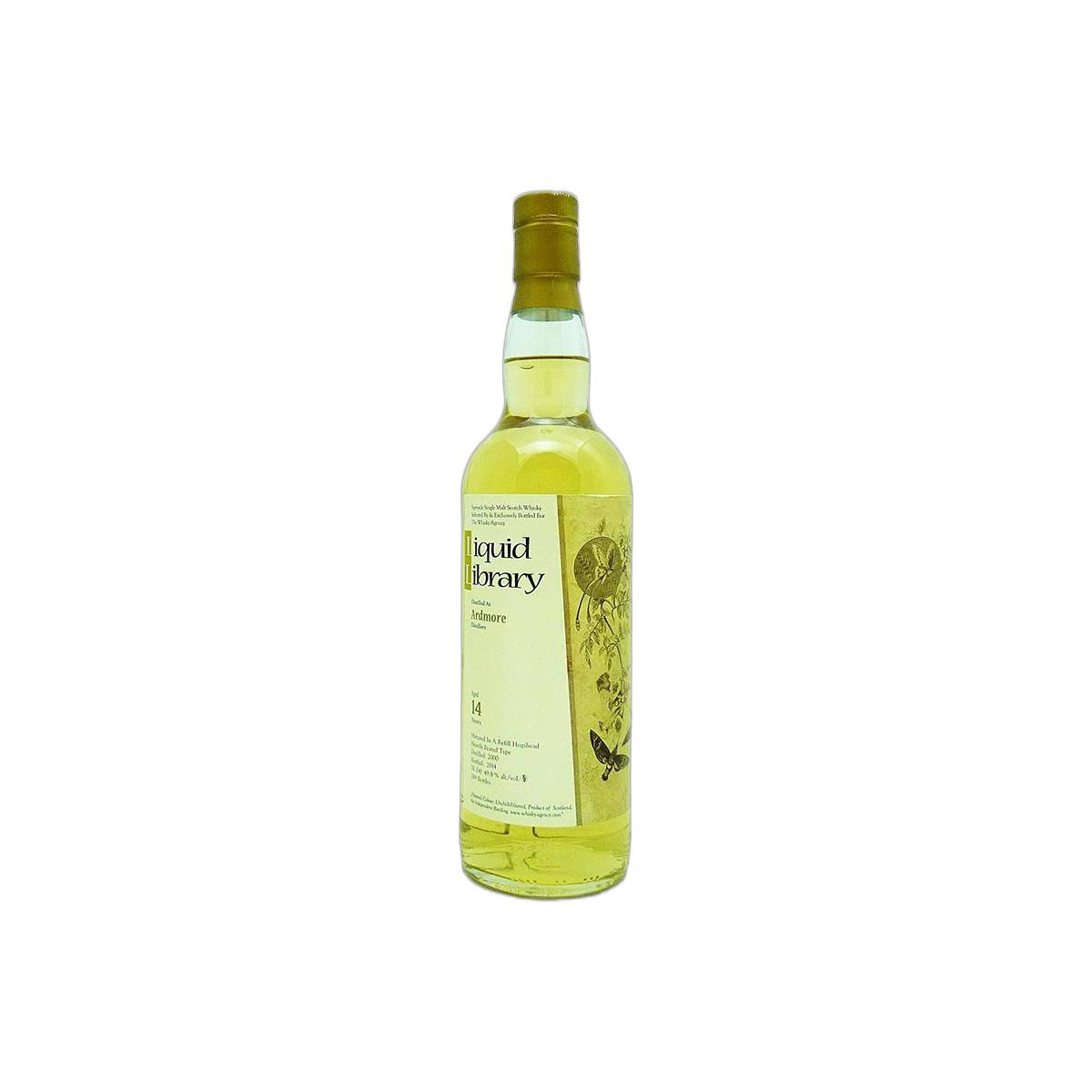
Ardmore 2000 14 Years Single Malt Whisky
Ardmore
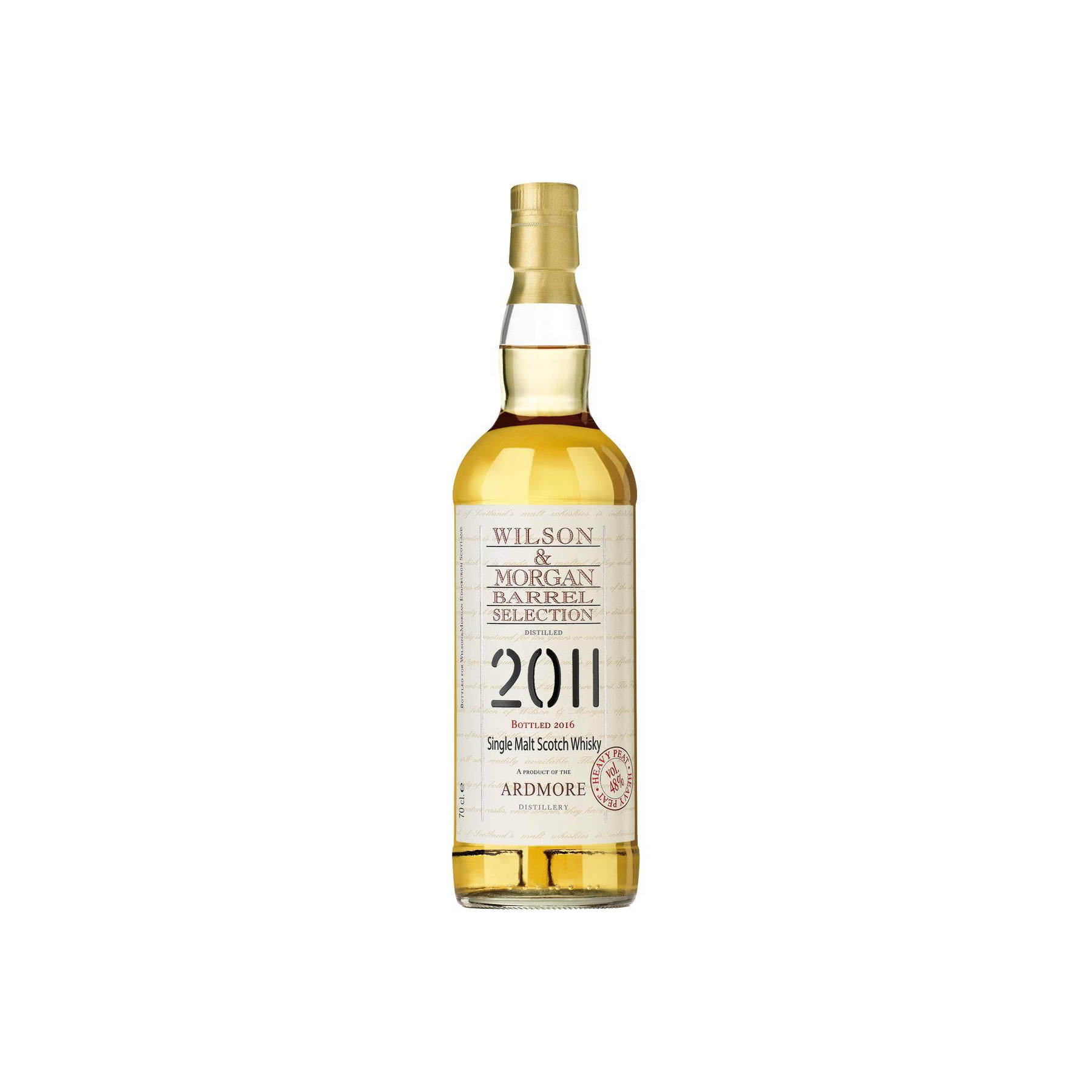
Ardmore Barrel Selection 2011 5 Years Single Malt Whisky
Ardmore