
Tormore Distillery, nestled in the heart of Speyside, stands as one of Scotland's most architecturally distinctive single malt whisky producers. The distillery's history is intrinsically linked to the dramatic consolidation era of the British drinks industry between the 1960s and 1980s. Founded during the whisky boom, Tormore became a strategic asset in a series of major corporate transactions. In 1972, Watney Mann's acquisition of IDV (International Distillers & Vintners) brought Tormore into a portfolio that included Oban, Glen Spey, Laphroaig, and Strathmill. This was followed by Whitbread's 1974 merger with Long John International, which consolidated Tormore with Laphroaig and three other distilleries. The industry-wide acquisition spree culminated in 1986 when Guinness merged with DCL (Distillers Company Limited), forming what would eventually become Diageo, the world's largest spirits company. Before establishing its current single malt identity in 2014, Tormore made two notable attempts to market its whisky as a standalone brand. The first came in 1991 when Allied Distillers featured Tormore in its prestigious Caledonian Malts range, though it was later discontinued in favor of Scapa. The second, more romantic effort emerged in 2004 with the release of Tormore 12-Year-Old, christened 'Pearl of Speyside'—a name inspired by the freshwater pearl mussels inhabiting the nearby River Spey. The distillery's unique character stems from both its striking modernist architecture—unparalleled in Scotland until Macallan's new distillery opened—and its meticulous production process. Following a 2012 equipment upgrade, Tormore now operates with one stainless steel full-lauter mash tun, eleven stainless steel washbacks, and four stills, each equipped with purifiers. This combination of pure wort, slow distillation, and purifier-equipped stills creates Tormore's signature light, elegant, and fruit-forward profile. Today, Tormore's core range includes the Tormore 14-Year-Old (43% ABV) and the Tormore 16-Year-Old (48% ABV, non-chill filtered), with an additional 16-Year-Old expression available exclusively through the Distillery Reserve Collection at Chivas Brothers' visitor centers across Scotland.
History
After World War II, the thirst for whisky spurred the creation of several distilleries, and Tomore was one of them—also among the first to be built from scratch on greenfield land. It was constructed by Schenley International, the American agent for Dewar's blended whisky, between 1958 and 1960. The company had acquired Seager Evans, owner of the Long John brand, in 1956, and Black Bottle blended whisky in 1959. The distillery was designed by Sir Albert Richardson, former president of the Royal Academy. His contemporaries called it a "masterpiece of distillery architecture," and whisky writer Michael Jackson likened it to "a hydrotherapy center providing mountain spring cures!" In 1972, the distillery's capacity doubled (reaching 8 stills). Three years later, Schenley was sold to Whitbread. Whitbread's spirits division was acquired by Allied Lyons in 1989, and Allied Lyons was acquired by Chivas Brothers (under Pernod Ricard) in 2005. From winter 2011 to 2012, Tomore closed for refurbishment, adding 3 new washbacks, increasing production from 3.7 million liters of pure alcohol to 4.4 million liters. At the same time, to save energy, the heating method of the stills was changed from steam coils to external heaters. In 2014, a 16-mile-long natural gas pipeline connected Tomore, Glenlivet, Cragganmore, and Tomintoul, further saving costs. Tomore has always been a blending whisky distillery, although since the early 1980s, a small portion of the spirit has been bottled as 12-year-old single malt whisky. After 2013, it was replaced by 14-year and 16-year products.
Curiosities
Until 1983, Tormore was promoted under the name 'The Tormore-Glenlivet': the Livet valley region was still a guarantee of quality, although most of the 28 distilleries that once used this suffix have since abandoned it. In front of the main building, the new lawn is adorned with ornamental greenery trimmed into the shape of stills. The three small, efficient white houses surrounding the distillery were originally built for distillery staff and are now privately owned. The distillery has an interesting clock, set to play four different tunes every hour. The clock was out of repair for a long time and was reborn in 2007.
Timeline
Long John parent company Schenley International establishes the distillery
Distillery prepares for production and officially commences production in 1961
Stills increased from four to eight
Schenley sells Long John and the distillery (including Tomintoul Distillery) to Whitbread
Allied Lyons (later becomes Allied Domecq) acquires Whitbread's distillery assets
Allied Distillers launches the Caledonian Malts series (in addition to Tomintoul, this series also includes representative expressions from Miltonduff, Glendronach, and Laphroaig); later Scapa replaces Tomintoul
Official bottling of Tomintoul 12 Year Old launched
Chivas Brothers (part of Pernod Ricard Group) becomes the new owner of Tomintoul through the acquisition of Allied Domecq
Production capacity increased by 20%
The regular expression Tomintoul 12 Year Old is discontinued, and two new regular expressions are launched, namely Tomintoul 14 Year Old and 16 Year Old
Hot Search Whiskies
Showing top 10
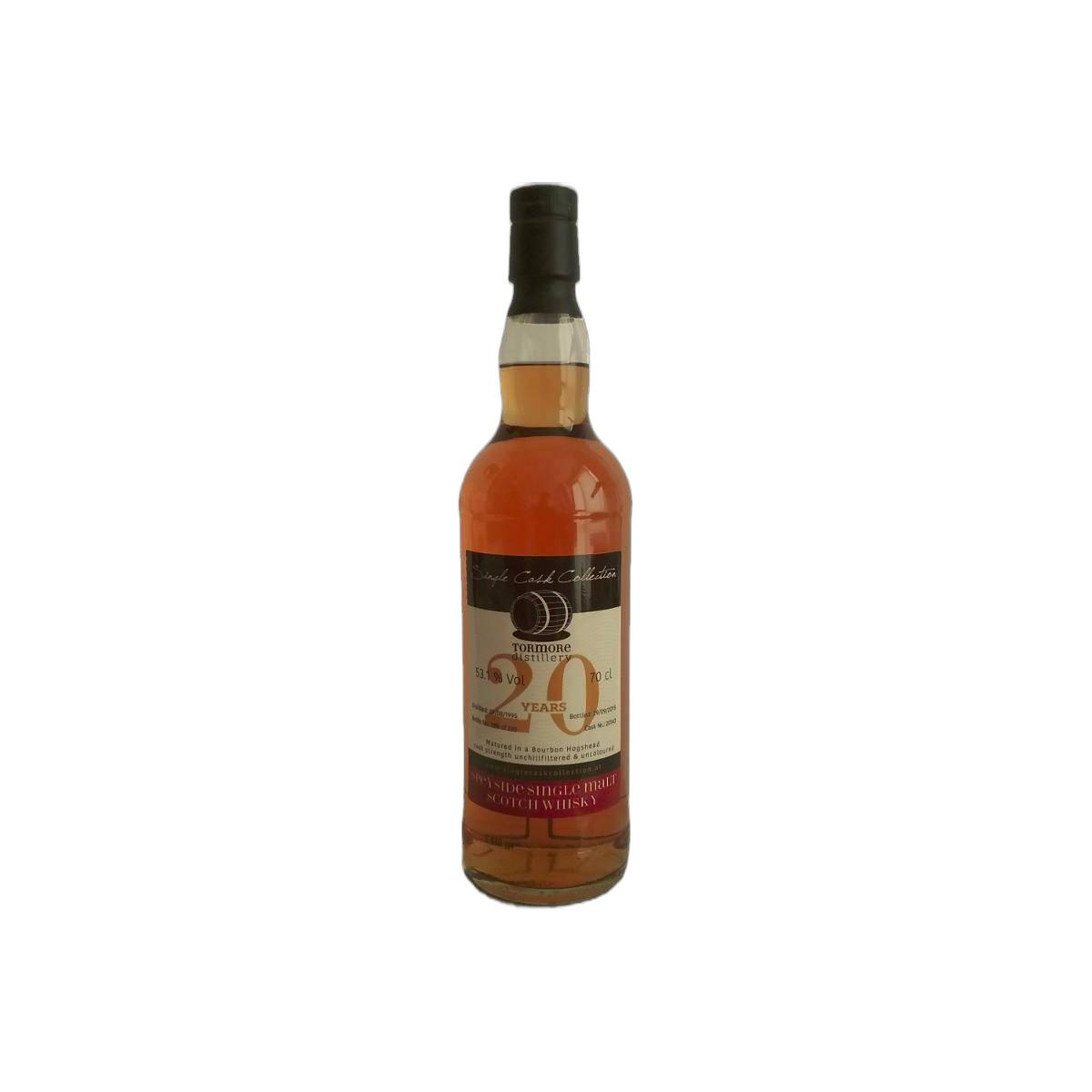
Tormore 1995 20 Years Single Malt Whisky
Tormore
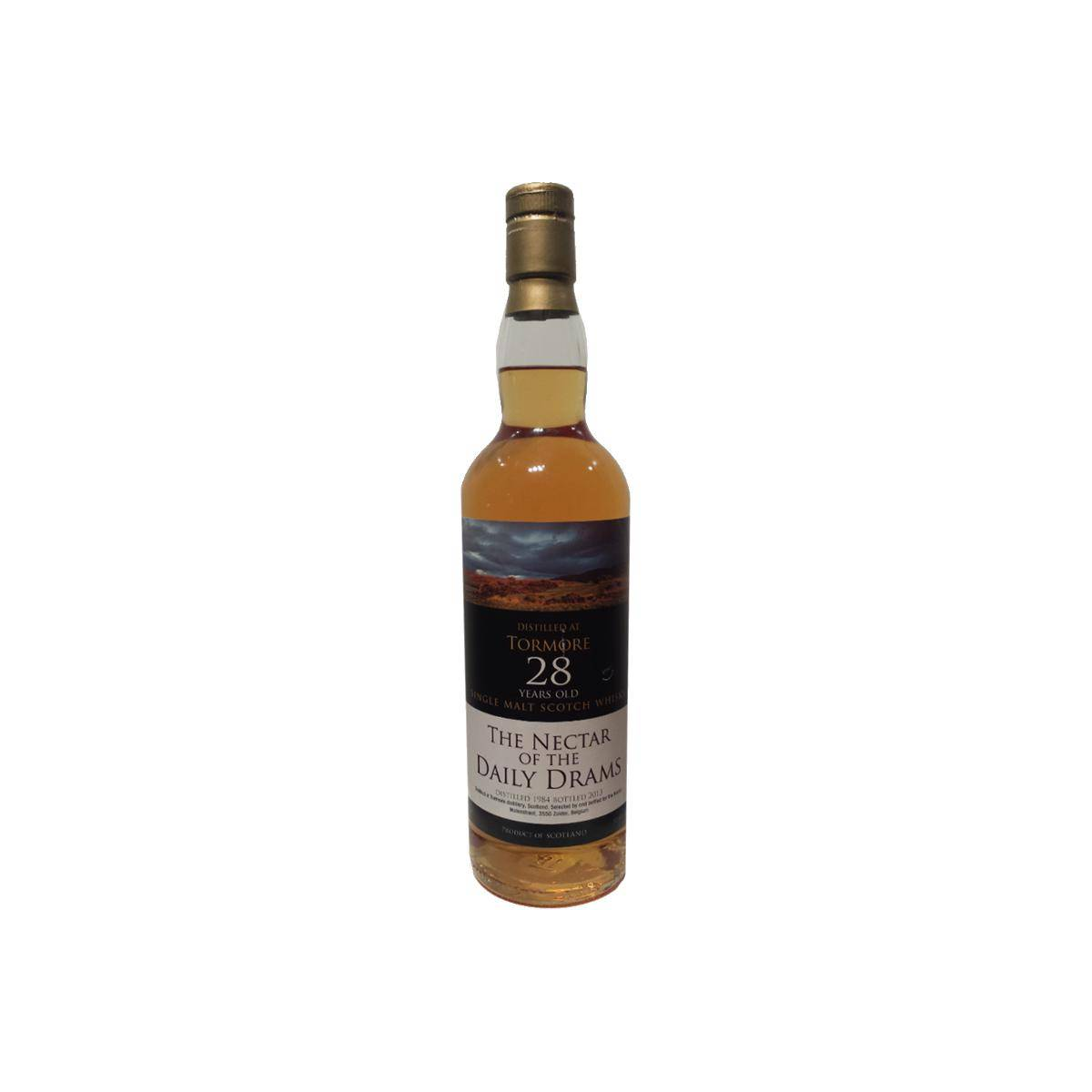
Tormore 1984 28 Years Single Malt Whisky
Tormore
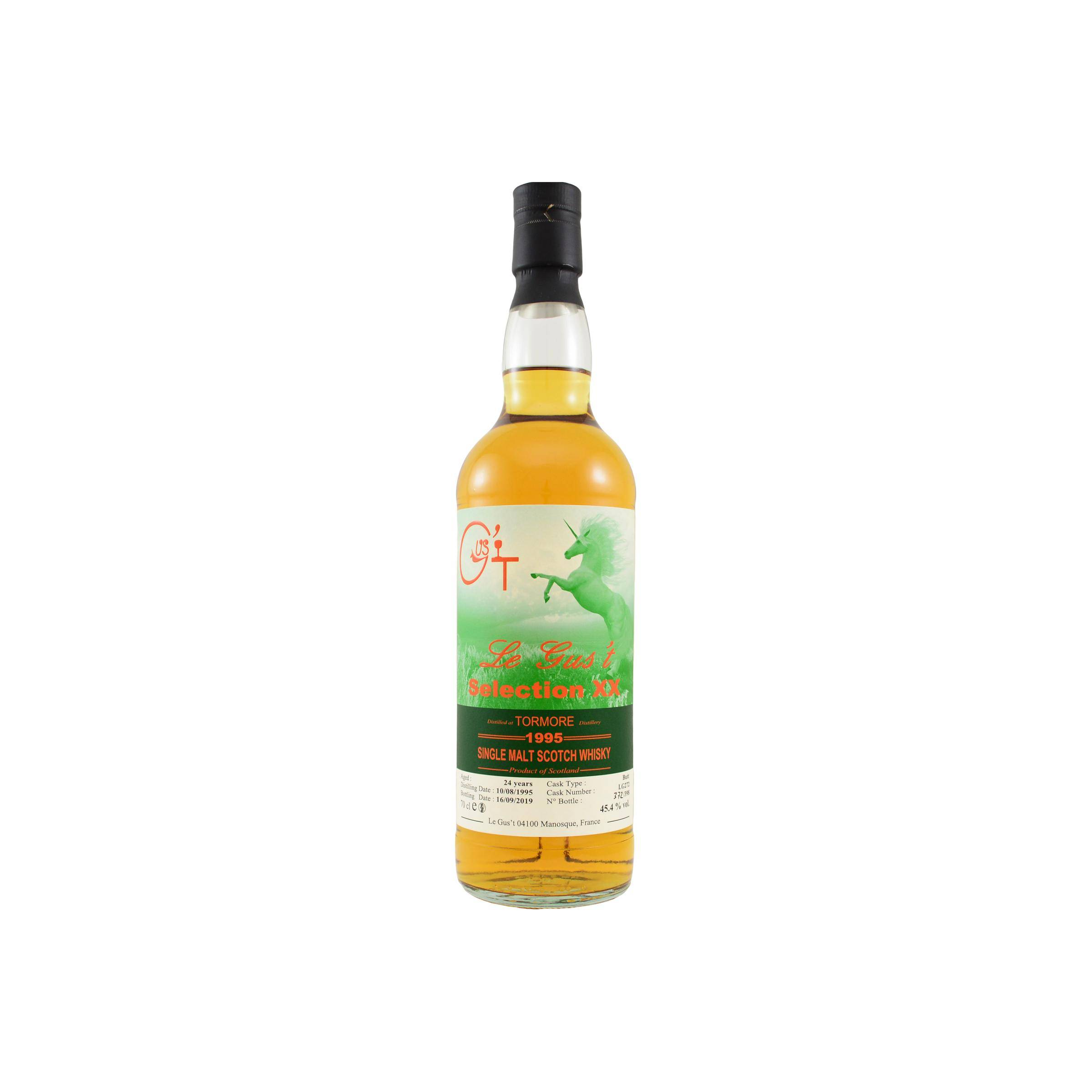
Tormore 1995 24 Years Single Malt Whisky
Tormore
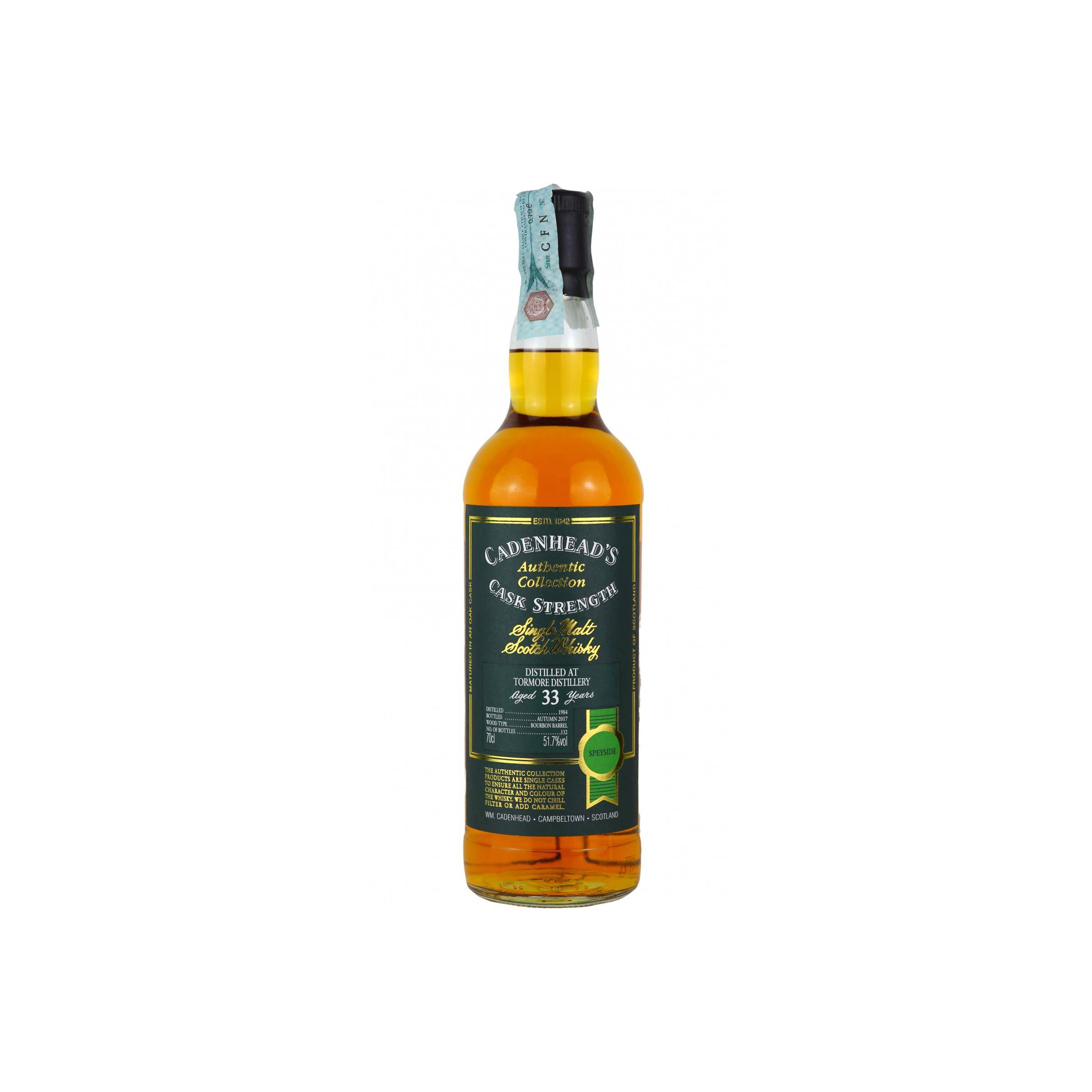
Tormore Authentic Collection 1984 33 Years Single Malt Whisky
Tormore
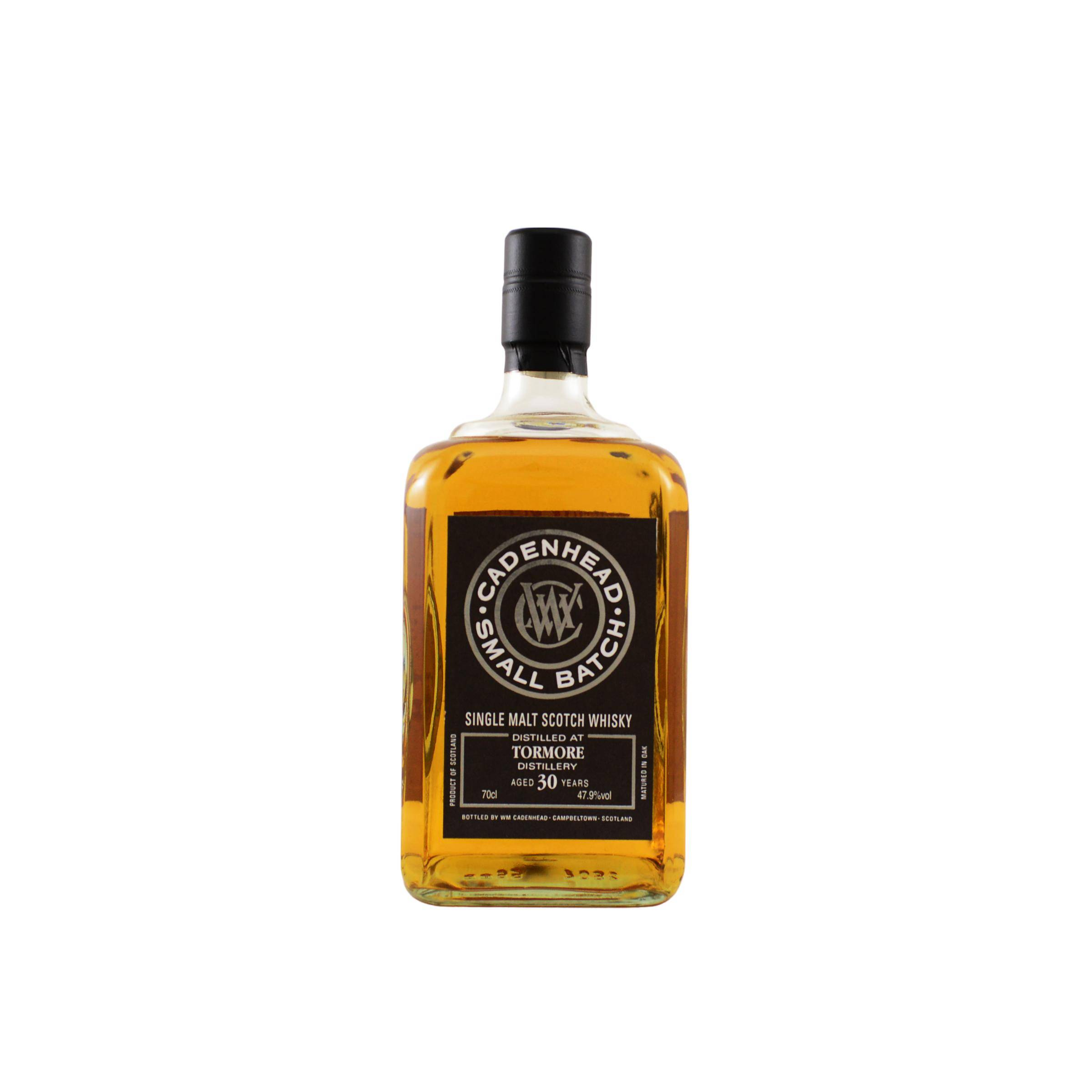
Tormore Small Batch 1988 30 Years Single Malt Whisky
Tormore
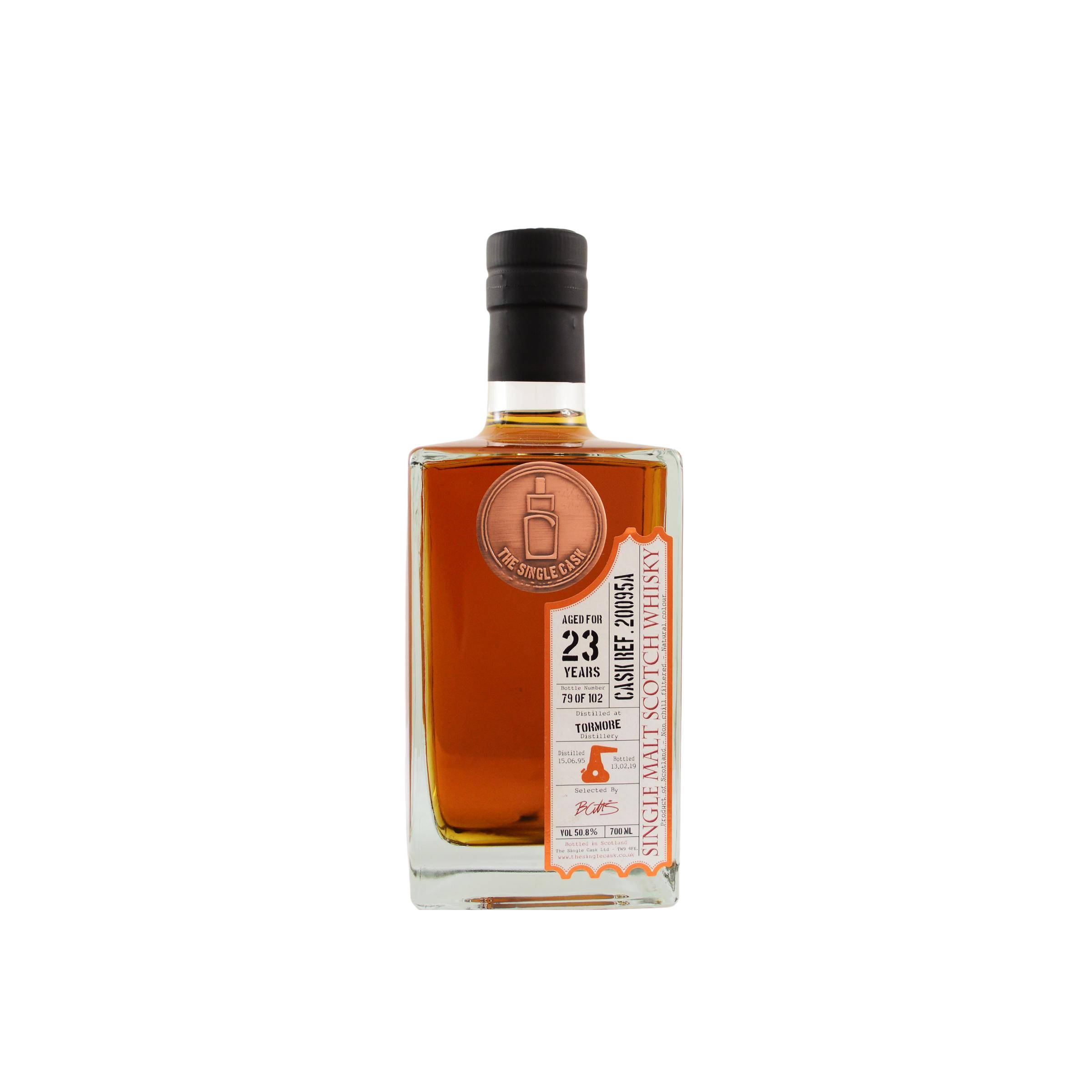
Tormore 1995 23 Years Single Malt Whisky
Tormore
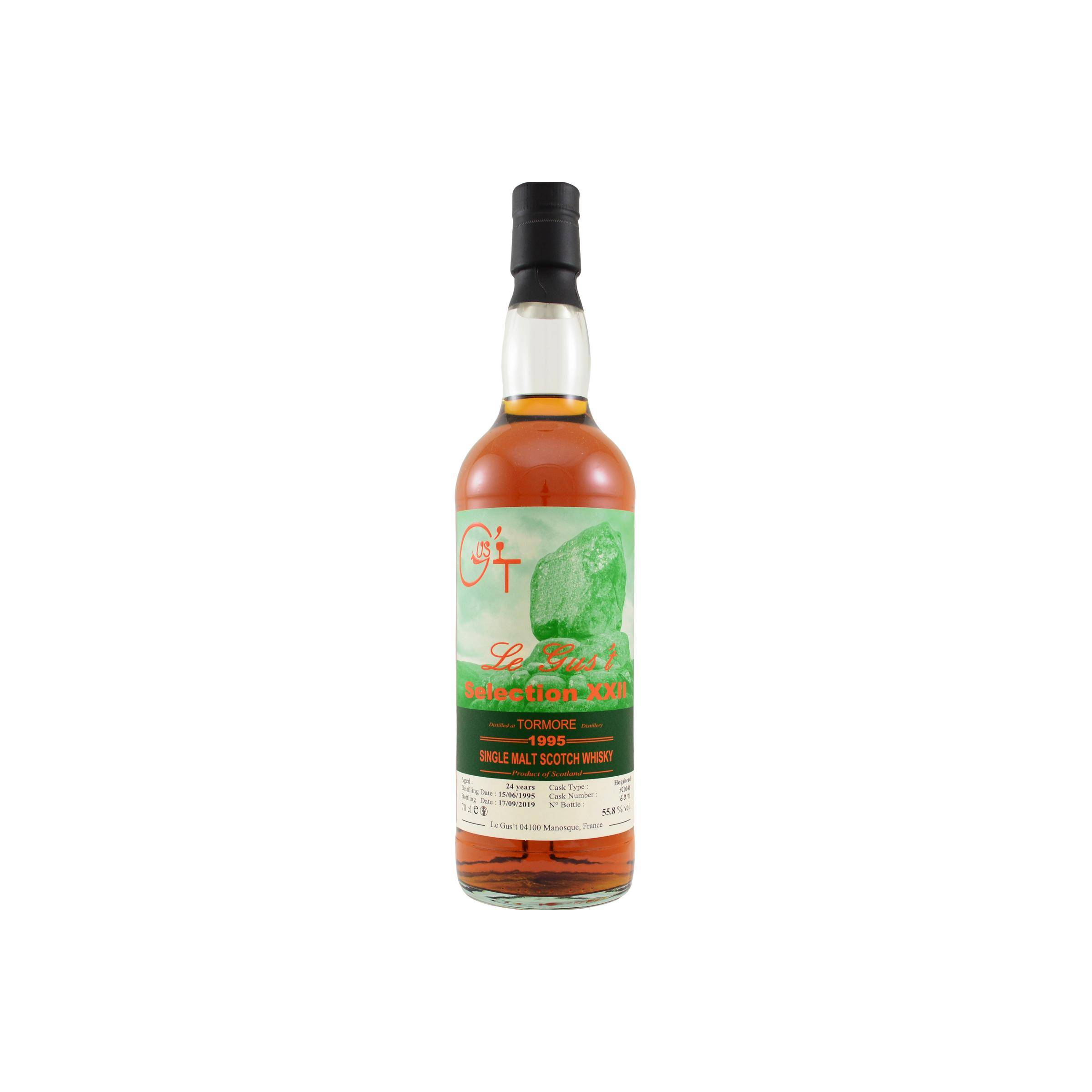
Tormore 1995 24 Years Single Malt Whisky
Tormore
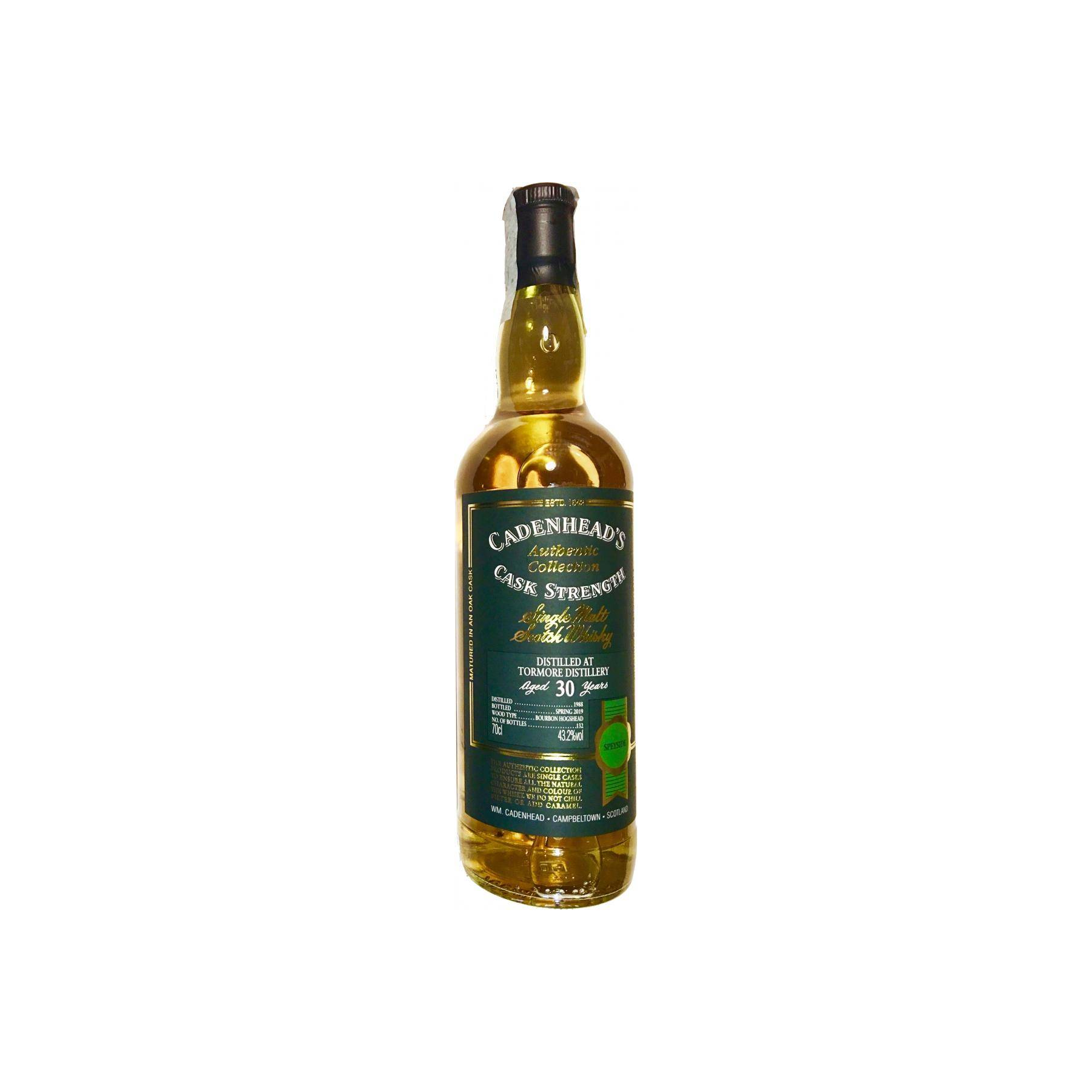
Tormore Authentic Collection 1988 30 Years Single Malt Whisky
Tormore
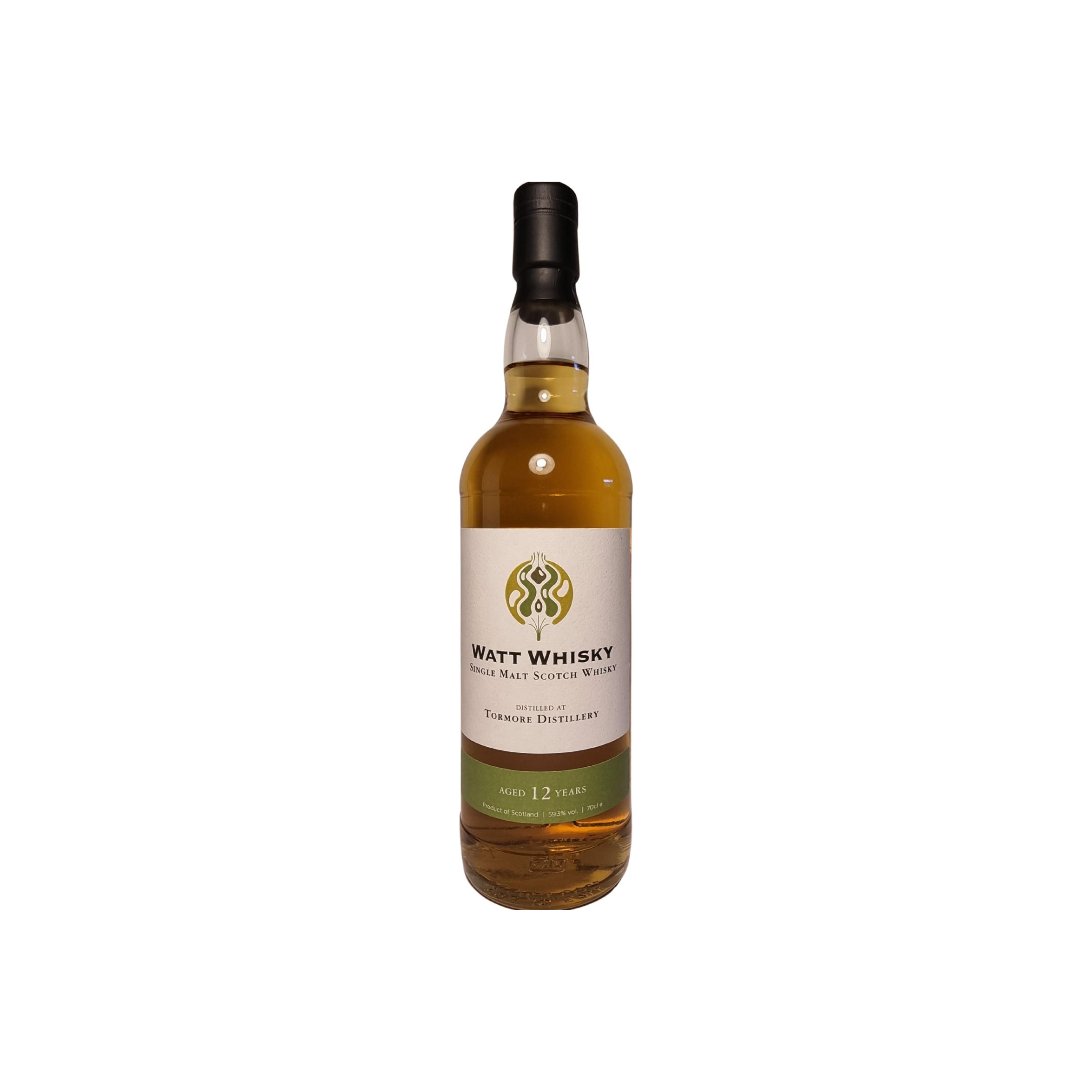
Tormore 2010 12 Years Single Malt Whisky
Tormore
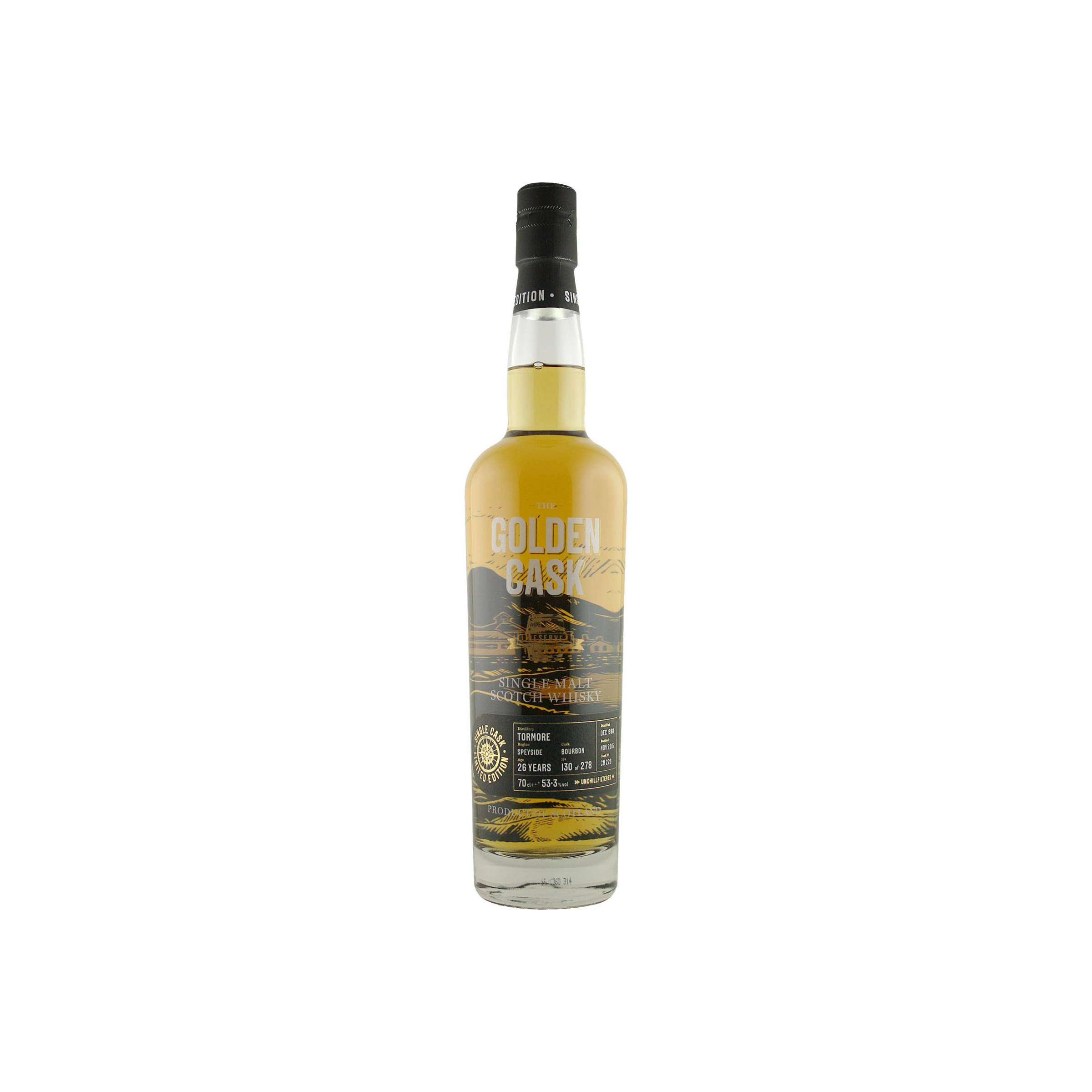
Tormore 1988 26 Years Single Malt Whisky
Tormore